EN
EN


Innovative approach to intramedullary nailing of the fibula: atechnical note
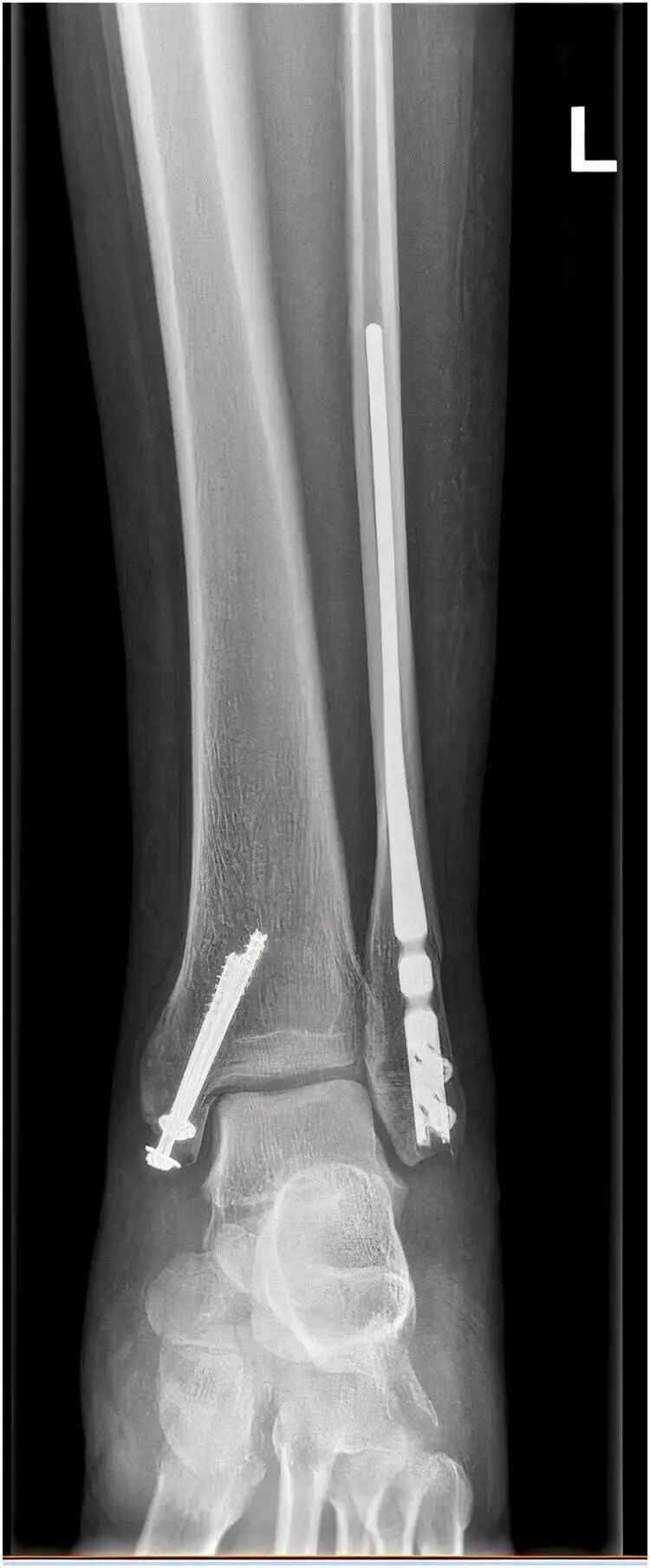
Intramedullary locking fibular nail stabilizes distal fibular fractures in length and rotation through a small incision, enabling minimally invasive treatment of distal fibular fractures. In addition to the main nail, the implant includes a syndesmotic screw inserted from outside to inside as well as anteroposterior locking screws, achieving "load sharing," which allows earlier patient mobilization. The minimally invasive approach also reduces the risk of infection and poor wound healing.
This technique emphasizes the optimal entry point for the intramedullary locking fibular nail based on reduction quality, as well as the indications for syndesmotic screw placement.
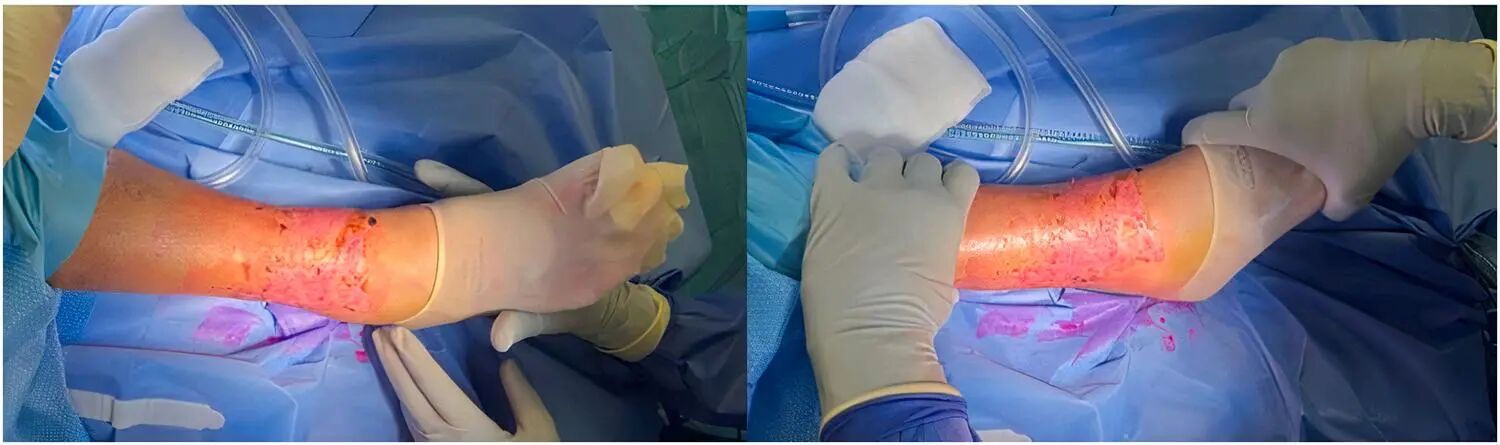
Closed manual reduction. Taking Lauge-Hansen supination-external rotation type 3 and 4 ankle fractures as examples, maintain the ankle in internal rotation and supination, striving to achieve a near-anatomical position.
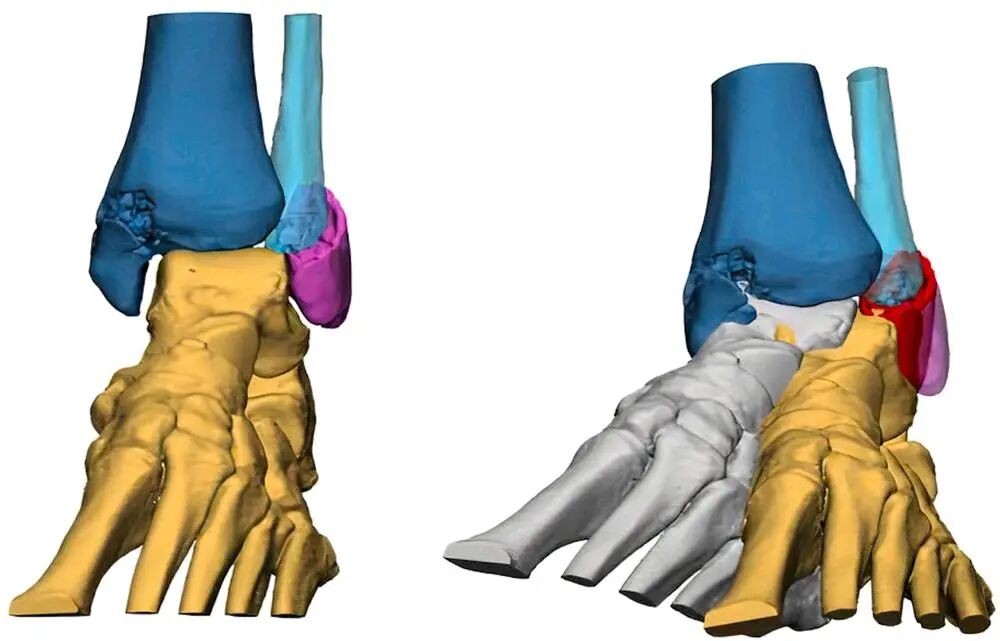
If anatomical reduction is achieved, the intramedullary nail can be inserted from the center of the fibular tip.
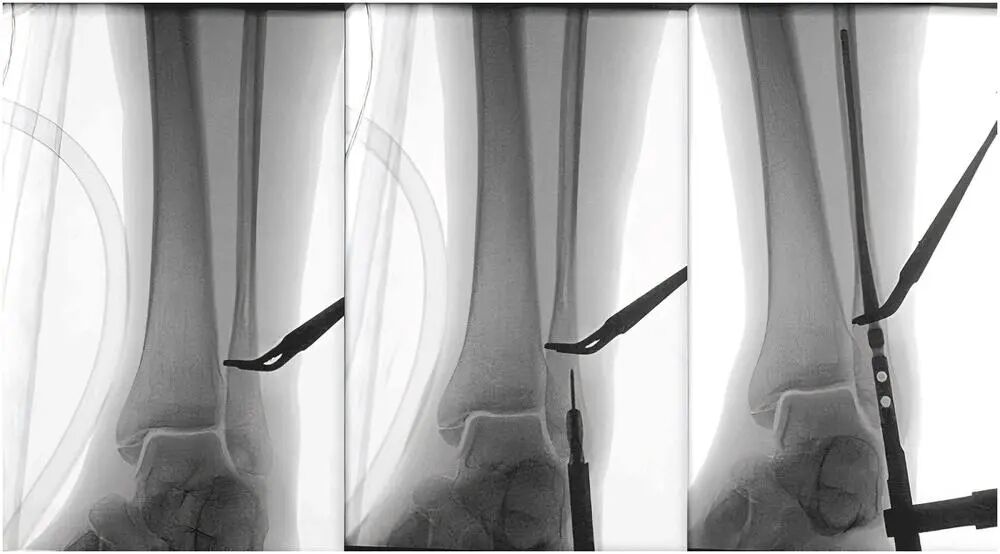
If closed reduction fails, select an entry point that allows the gentle driving of the intramedullary nail to utilize the implant's pressure and plasticity to help correct the fracture into an anatomical position. In this case, the entry point should be chosen slightly dorsal and lateral to the fibular tip (different from the manufacturer's recommended entry point at the central caudal aspect of the fibular tip).
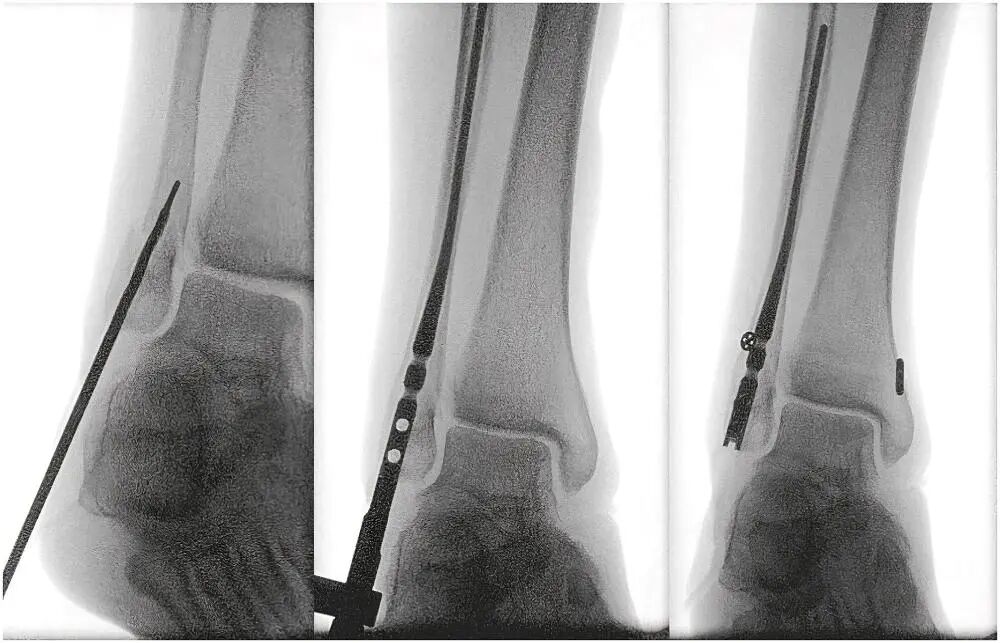
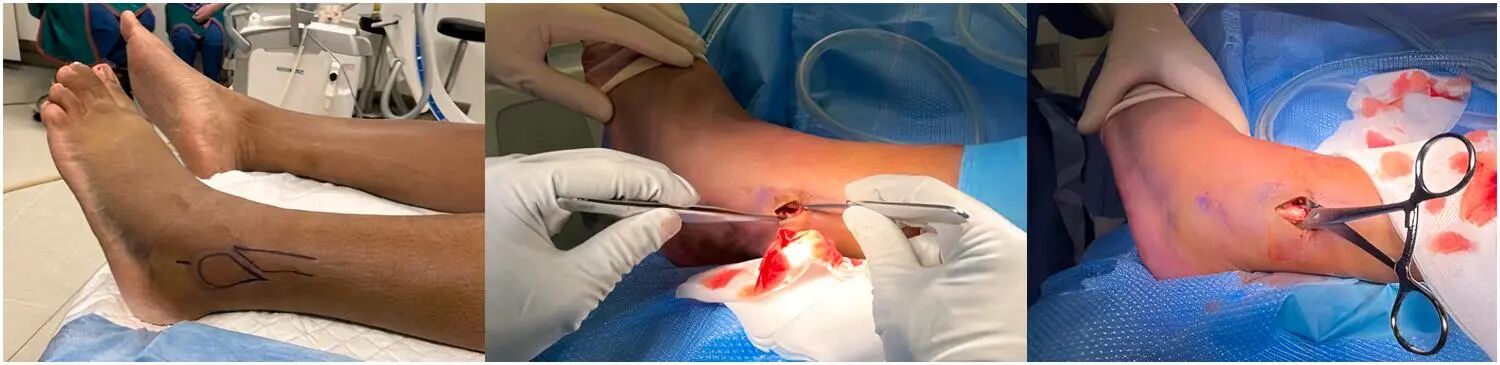
3.If neither of the above steps achieves satisfactory reduction, a small incision over the fracture site for open reduction is recommended, as shown below.
4.Regarding the syndesmotic screw: When the intramedullary nail is sufficiently long and closely matches the medullary canal, intraoperative testing may show that the nail provides adequate stability to the syndesmosis. If after nail placement, evaluation via the hook test or external rotation stress test demonstrates a stable syndesmosis, placement of a syndesmotic screw may be omitted.