EN
EN


-
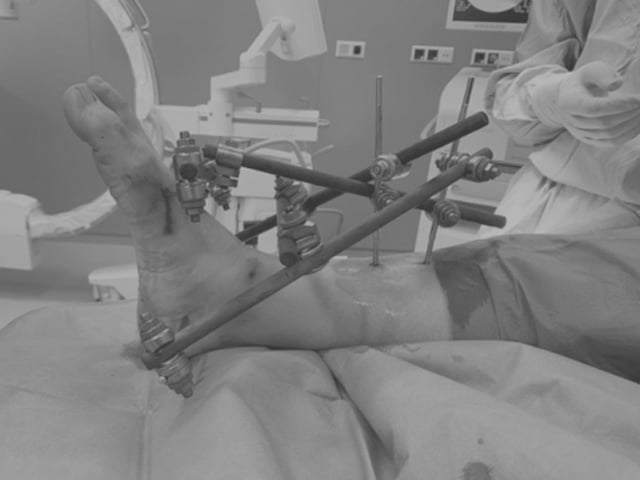
How to Place a First-Stage External Fixator Safely in Pilon Fractures
2026/09/24Complex Pilon fractures or fracture-dislocation ankle fractures are often accompanied by severe soft-tissue injury. When combined with diabetes mellitus, peripheral vascular disease, long-term corticosteroid use, etc., the soft-tissue condition is ev...
-
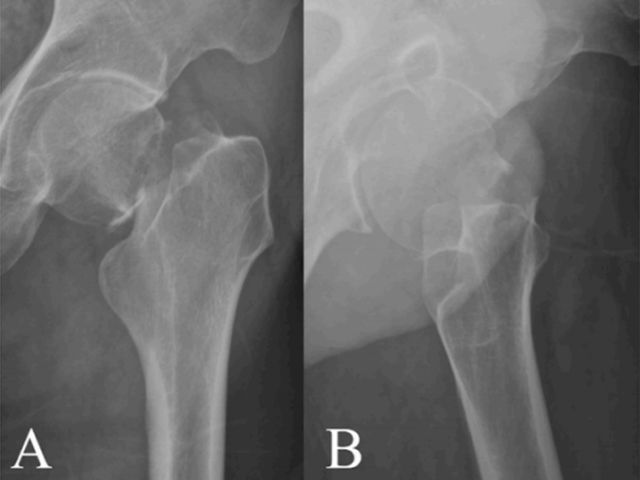
Femoral Neck Fracture Fixation Techniques: Latest Research Advances—A Narrative Review
2026/09/16Overview Femoral neck fracture is a difficult problem that urgently needs to be overcome in orthopedic clinical practice; this type of fracture significantly increases patient disability and mortality rates. In young adults, femoral neck fractures ...
-

The Use of Poller Screws (Blocking Screws) in Intramedullary Nailing
2026/09/11The Poller screw (blocking screw) technique was first described by Krettek’s research group. This technique is an important adjunct to intramedullary nailing and has been shown to be effective in assisting fracture reduction. It can help guide ...
-
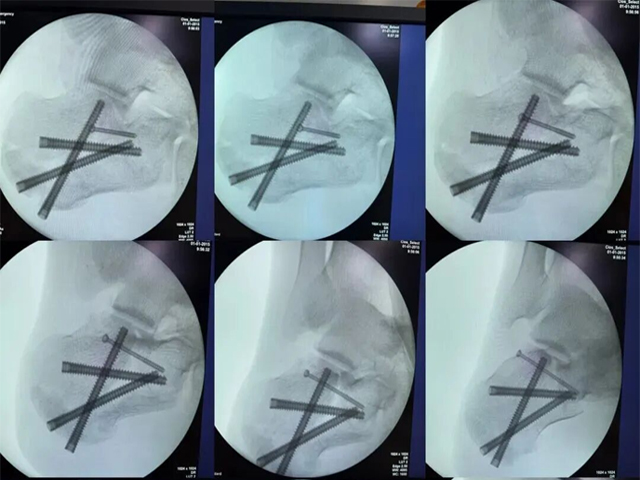
How to Perform a Successful Minimally Invasive Calcaneal Surgery
2026/09/09Case: Calcaneal Fracture, Sanders Type III Problems identified: 1. Loss of height and angular deformity (obliterated Böhler’s angle, blunted Gissane’s angle).2. Comminuted and depressed articular surface of the subtalar joint with a...
-
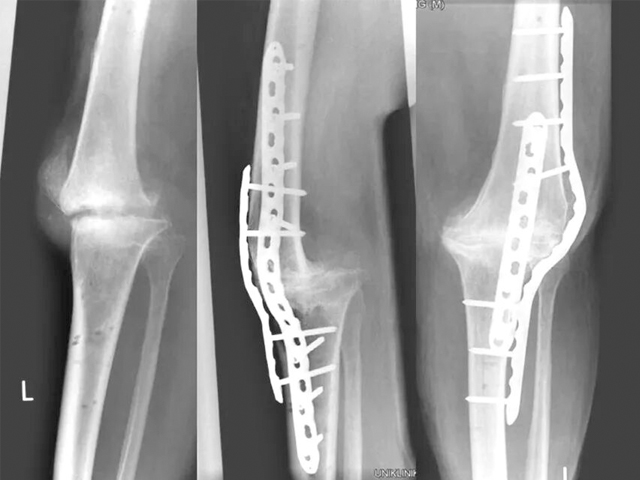
Locking Compression Plate (LCP): Principles and Clinical Applications
2026/09/07LCP Is Not a Panacea: Mechanical Boundaries and Pitfalls of Bridging Fixation This review outlines the technical origins, biomechanical foundations, and clinical practice of the Locking Compression Plate (LCP). By utilizing combination holes, the LCP...
-
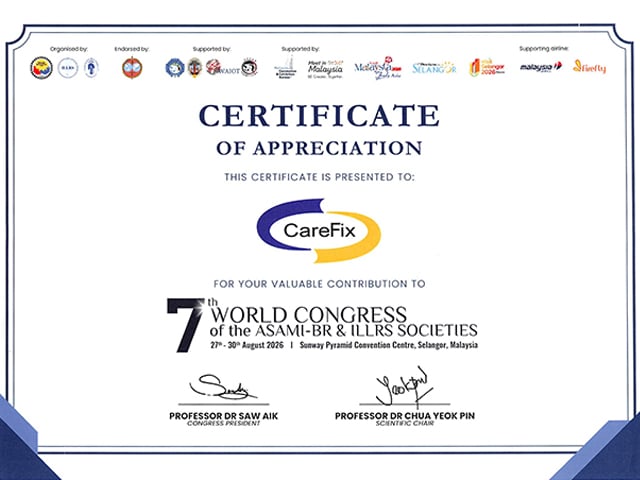
Shanghai CareFix Medical Presents Orthopedic Solutions at the 7th World Congress of ASAMI-BR & ILLRS Societies
2026/09/04SELANGOR, Malaysia – September 4, 2026 – Shanghai CareFix Medical Instrument Co., Ltd., a specialized developer and manufacturer of orthopedic medical devices, successfully participated in the 7th World Congress of the ASAMI‑BR & ILLR...
-
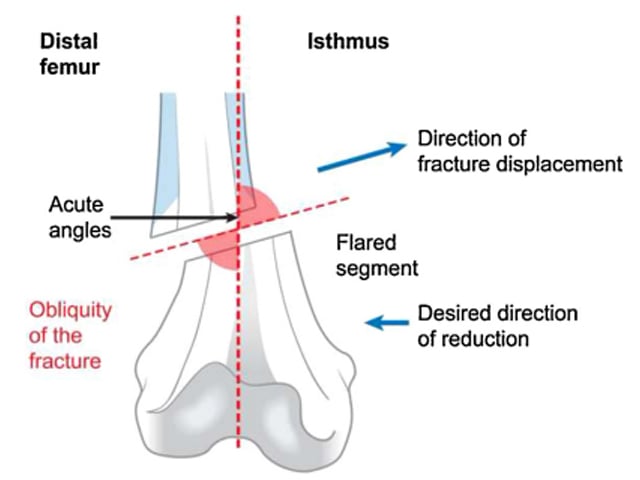
How to Precisely Place Poller (Blocking) Screws?
2026/08/31In long-bone oblique fractures at the metaphyseal–diaphyseal junction, achieving a good outcome with intramedullary nailing can be challenging. There is a strong tendency for axial displacement, often accompanied by characteristic malalignment...
-
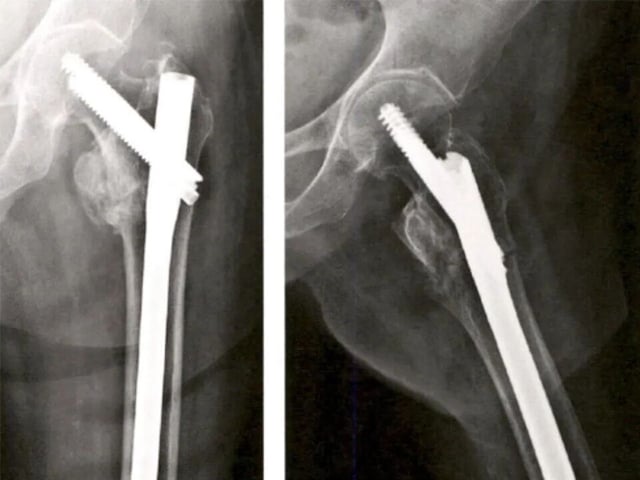
Clinical Decision-Making Between Long and Short Intramedullary Nails for Intertrochanteric Femoral Fractures
2026/08/28Intertrochanteric femoral fractures are very common, and their management remains a frequent challenge for orthopedic trauma surgeons. Surgery is the primary treatment modality for peritrochanteric fractures, with the goals of restoring the proximal ...
-
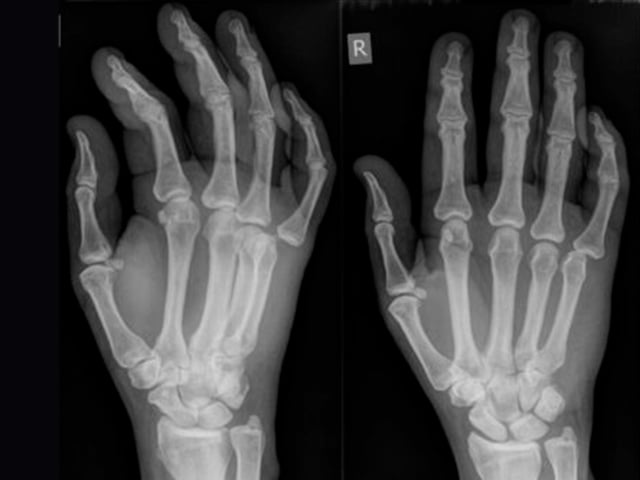
X-ray interpretation (ABCS approach)
2026/08/26TheABCS approach of X-ray interpretation involves assessing the following: Alignment and joint space Bone texture Cortices Soft tissues General points Don’t forget to reviewall views, compare...
-
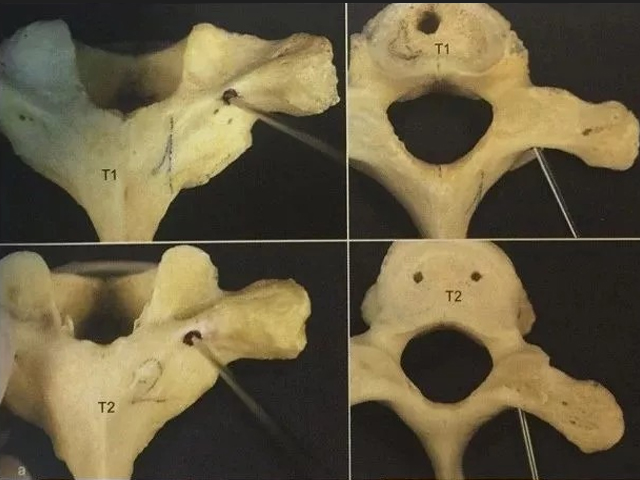
Pedicle Screw Placement Techniques for the Cervical, Thoracic, and Lumbar Spine
2026/08/24Pedicle screw instrumentation is a fundamental surgical skill in spinal surgery and is one of the essential techniques that young surgeons must master. Given the unique anatomical features of the thoracolumbar pedicles and the complexity of their adj...
-
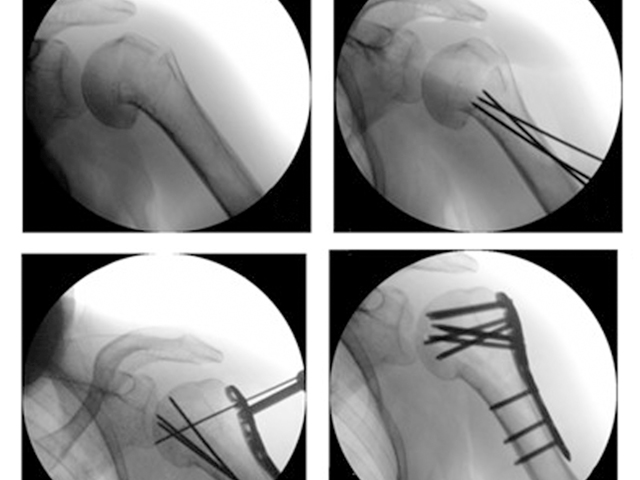
Standardized Reduction Technique in Proximal Humerus Fractures
2026/08/21For plate fixation of proximal humerus fractures, postoperative varus malunion, screw penetration into the joint, avascular necrosis, and loss of reduction are the most common complications. Intraoperative anatomic reduction and maintenance are the k...
-
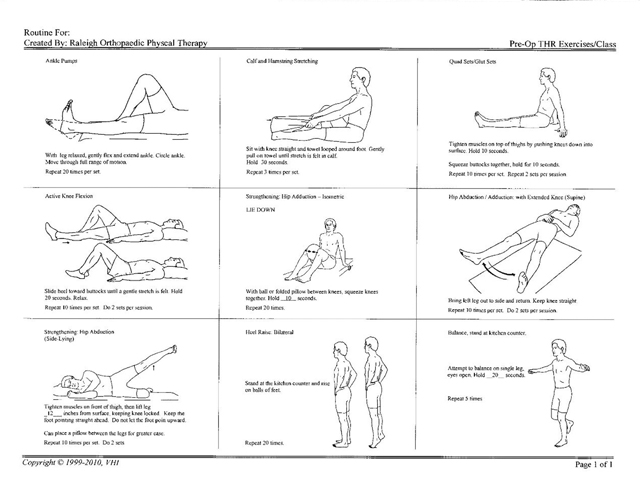
For TKA and THA, preoperative rehabilitation exercises are needed as well, not just after surgery.
2026/08/17Comprehensive Analysis of Pre-Operative Exercises for Hip and Knee Replacement SurgeryThis section provides a detailed examination of the necessity and benefits of functional pre-operative exercises before hip and knee replacement surgery, drawing fr...