EN


-
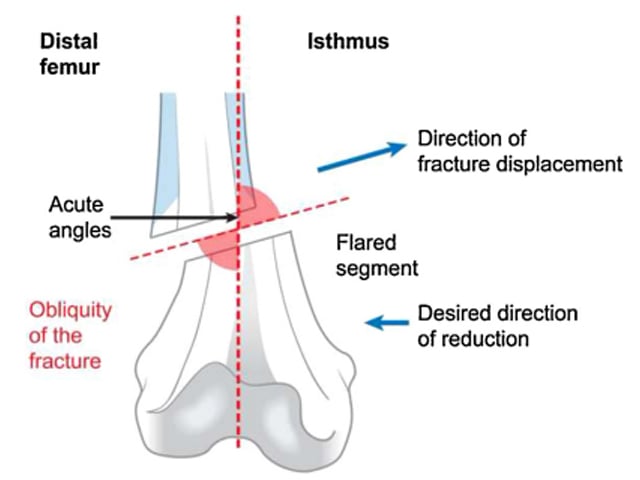
How to Precisely Place Poller (Blocking) Screws?
2026/08/31In long-bone oblique fractures at the metaphyseal–diaphyseal junction, achieving a good outcome with intramedullary nailing can be challenging. There is a strong tendency for axial displacement, often accompanied by characteristic malalignment...
-
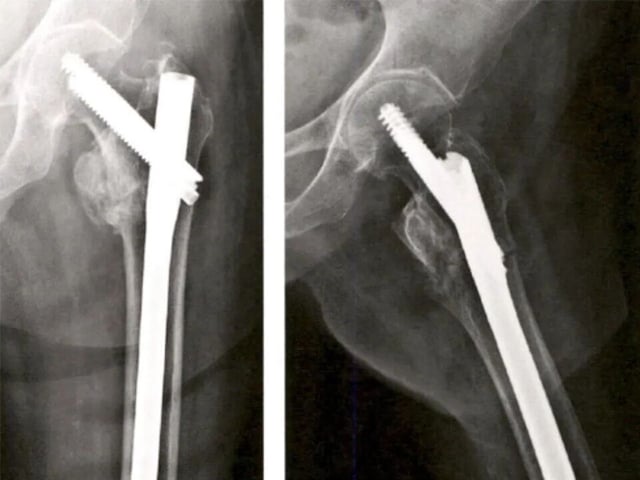
Clinical Decision-Making Between Long and Short Intramedullary Nails for Intertrochanteric Femoral Fractures
2026/08/28Intertrochanteric femoral fractures are very common, and their management remains a frequent challenge for orthopedic trauma surgeons. Surgery is the primary treatment modality for peritrochanteric fractures, with the goals of restoring the proximal ...
-
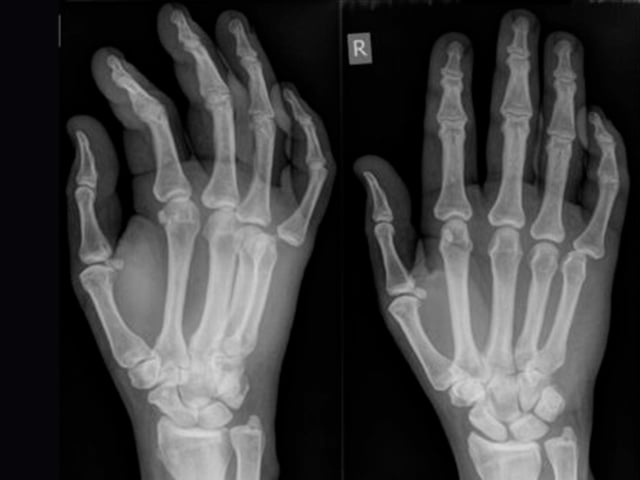
X-ray interpretation (ABCS approach)
2026/08/26TheABCS approach of X-ray interpretation involves assessing the following: Alignment and joint space Bone texture Cortices Soft tissues General points Don’t forget to reviewall views, compare...
-
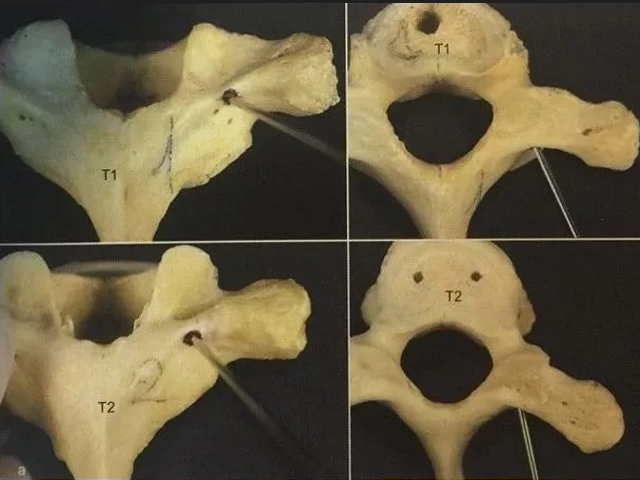
Pedicle Screw Placement Techniques for the Cervical, Thoracic, and Lumbar Spine
2026/08/24Pedicle screw instrumentation is a fundamental surgical skill in spinal surgery and is one of the essential techniques that young surgeons must master. Given the unique anatomical features of the thoracolumbar pedicles and the complexity of their adj...
-
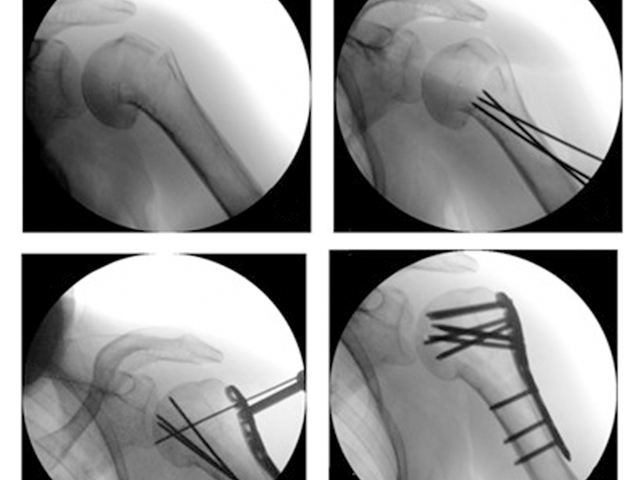
Standardized Reduction Technique in Proximal Humerus Fractures
2026/08/21For plate fixation of proximal humerus fractures, postoperative varus malunion, screw penetration into the joint, avascular necrosis, and loss of reduction are the most common complications. Intraoperative anatomic reduction and maintenance are the k...
-
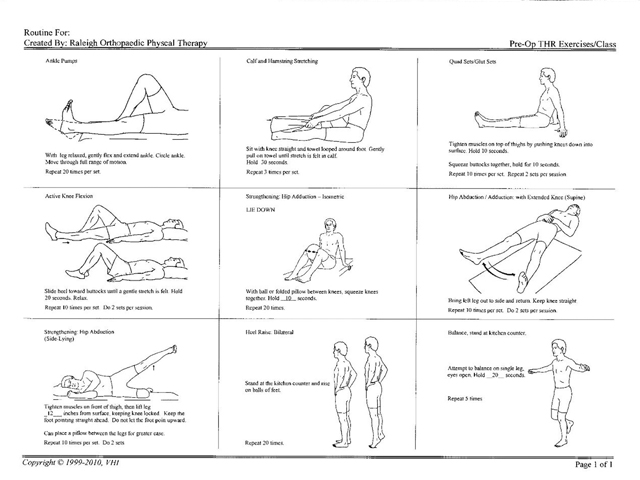
For TKA and THA, preoperative rehabilitation exercises are needed as well, not just after surgery.
2026/08/17Comprehensive Analysis of Pre-Operative Exercises for Hip and Knee Replacement SurgeryThis section provides a detailed examination of the necessity and benefits of functional pre-operative exercises before hip and knee replacement surgery, drawing fr...
-
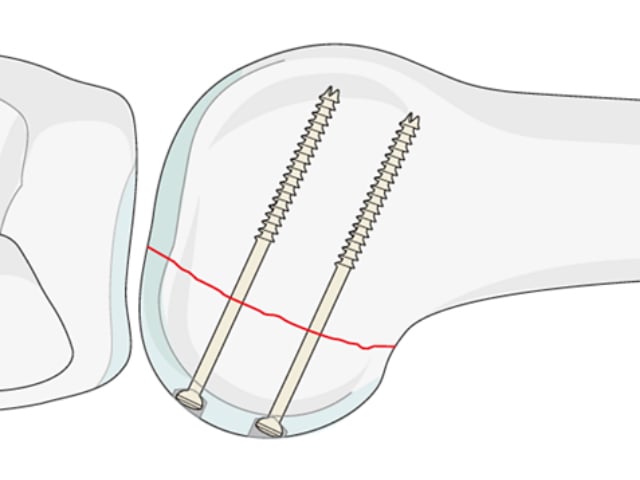
Open Reduction and Internal Fixation of Hoffa Fracture with Plate and Screws
2026/08/141. Principles General ConsiderationsHoffa fractures involve the critical weight-bearing surface of the knee joint and require anatomical reduction and absolute stability of fixation. In general, a buttress plate with lag screws is recommended. Howev...
-
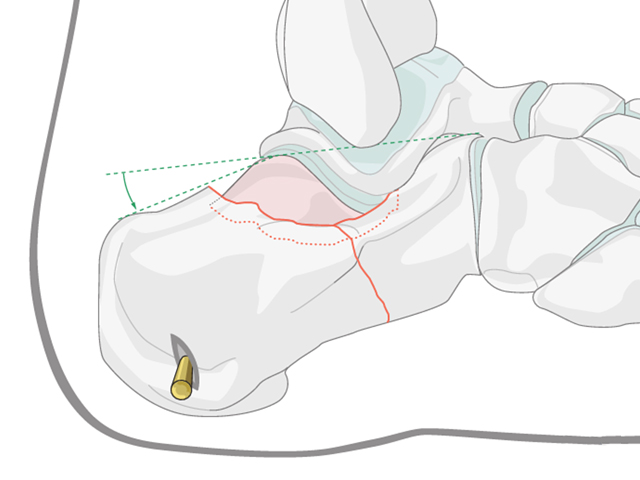
Minimally Invasive K‑Wire and Screw Fixation for Calcaneal Fractures
2026/08/121. Diagnosis Example image: CT shows a displaced fracture of the posterior facet as a single fragment, amenable to minimally invasive elevation and fixation with a subchondral lag screw. 2. Surgical Approach Either the sinus tarsi approach or ...
-
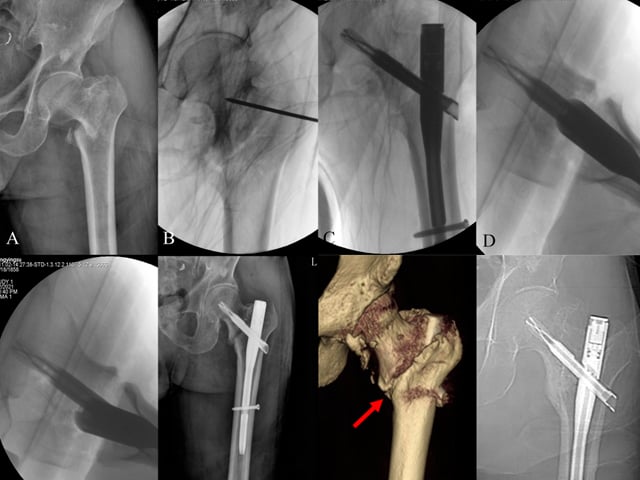
Characteristics and Surgical Techniques of the "Double‑Intra" Type of Irreducible Intertrochanteric Fractures
2026/08/07Intertrochanteric fractures are one of the three major osteoporotic fractures, with high incidence, high disability rates, and high rates of internal fixation failure. Closed reduction and intramedullary nailing is currently the first‑line treatment ...
-

Retrograde Intramedullary Nailing for Periprosthetic Femoral Fractures After TKA: AO Standardized Surgical Strategy – Illustrated Step-by-Step Guide
2026/07/301. Illustration Legend All images in this procedure are generic fracture classification schematics, divided into four categories:A) Fracture unreducedB) Fracture reducedC) Fracture reduced and temporarily stabilizedD) Final definitive fixation 2. S...
-

How to Correctly Create the Entry Point During Surgery for Intertrochanteric Fractures
2026/07/20First, a small incision of approximately 2–3 cm is made just proximal to the greater trochanter to establish a proper soft‑tissue corridor. For elderly patients with poor bone quality, to reduce surgical time, a direct entry technique can be em...
-

Changes in Entry Point for Intramedullary Nailing of Proximal Femoral Fractures: The Central Collinear Method
2026/07/20The reconstruction nail is an effective treatment option for proximal femoral fractures and is currently widely used in clinical practice. Common entry points include the piriformis fossa and the trochanteric fossa, each with its own advantages and d...