EN
EN


Changes in Entry Point for Intramedullary Nailing of Proximal Femoral Fractures: The Central Collinear Method
The reconstruction nail is an effective treatment option for proximal femoral fractures and is currently widely used in clinical practice. Common entry points include the piriformis fossa and the trochanteric fossa, each with its own advantages and disadvantages. Some surgeons also advocate using the medial aspect of the greater trochanter as the entry point to prevent iatrogenic varus deformity of the proximal femur.
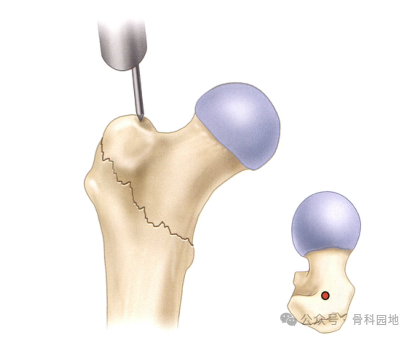
However, the bony anatomy of the proximal femur varies considerably among patients. Moreover, the diverse geometries of different intramedullary nail designs make it difficult to establish a single optimal entry point.
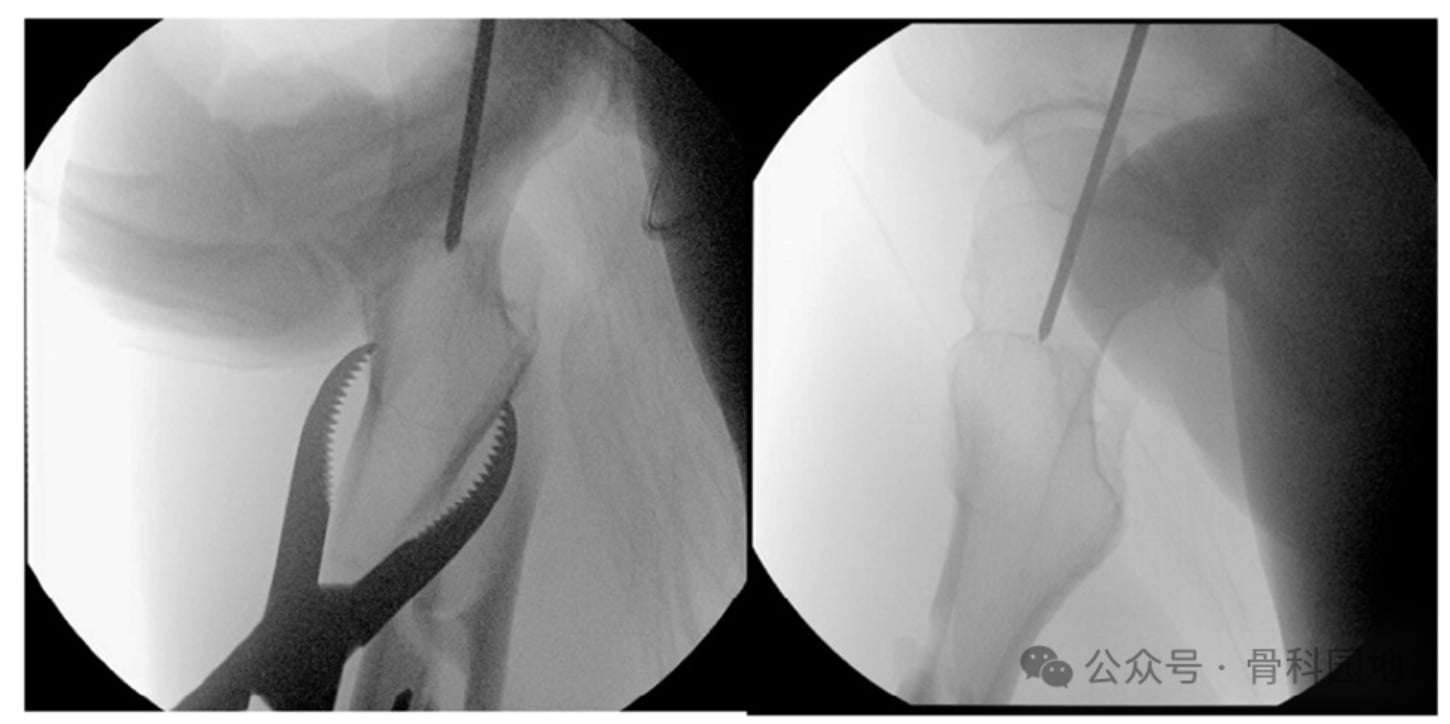
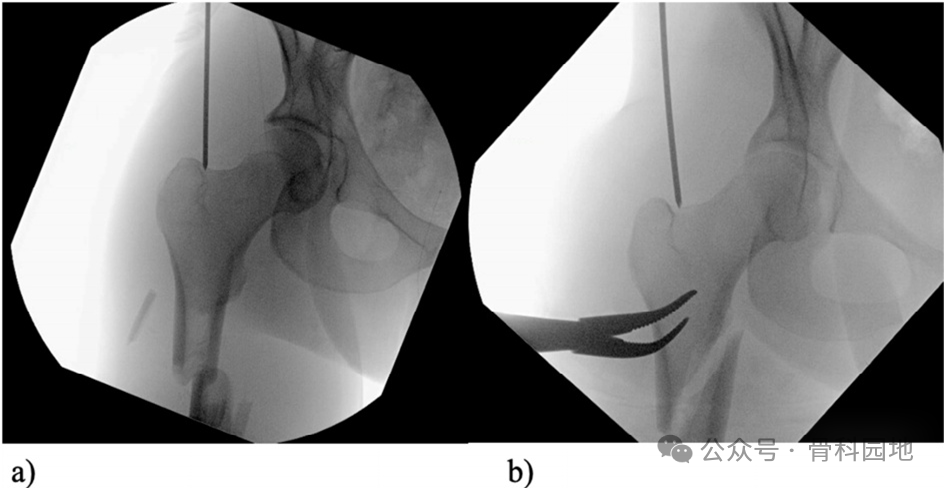
International authors have proposed the central collinear entry point, so named because it is located at the center of the femoral neck and is collinear with the medullary canal. This entry point lies directly anterior to the piriformis fossa. Its use facilitates accurate placement of the reconstruction screw in the center of the femoral neck and reduces the risk of anterior cortical perforation of the distal femur.
Entry point technique: the tip of the guidewire is positioned at the center of the femoral neck and is aligned with the medullary canal.
On the lateral radiograph, the tip of the guidewire is seen at the center of the femoral neck.
Let me know if you need a more detailed explanation or additional formatting (e.g., for a slide presentation or publication).