EN
EN


The "Gold Standard Procedure" in Orthopedics: Intramedullary Nailing for Intertrochanteric Fractures – Precise Reduction + Fast Recovery
Clinical Presentation
Elderly female, admitted following a fall.
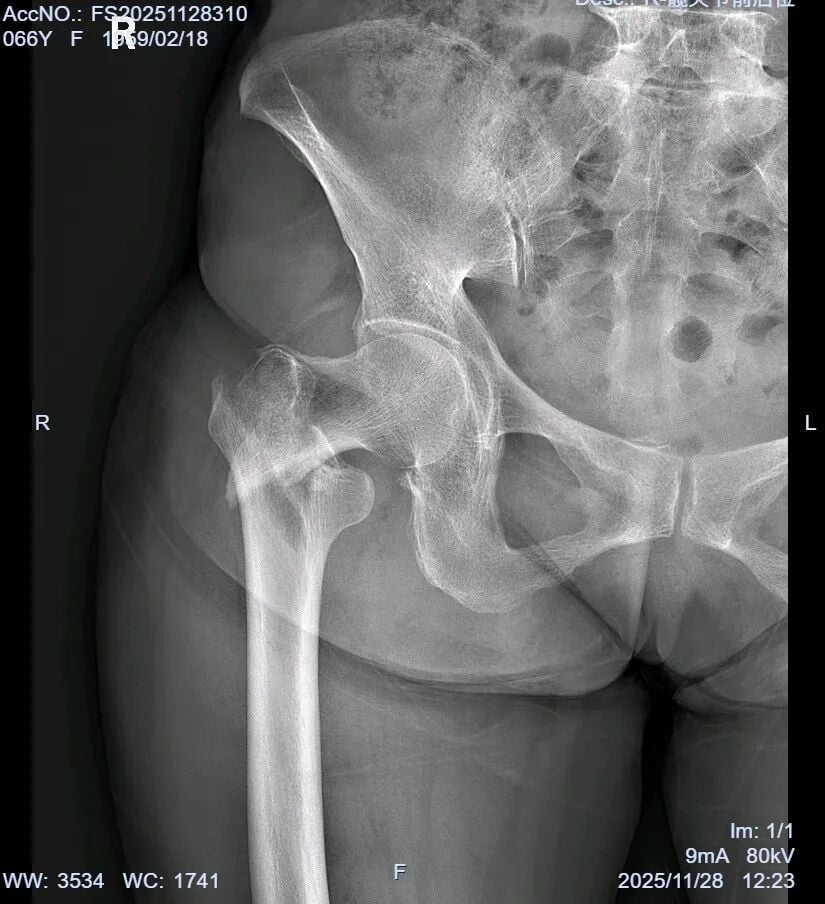
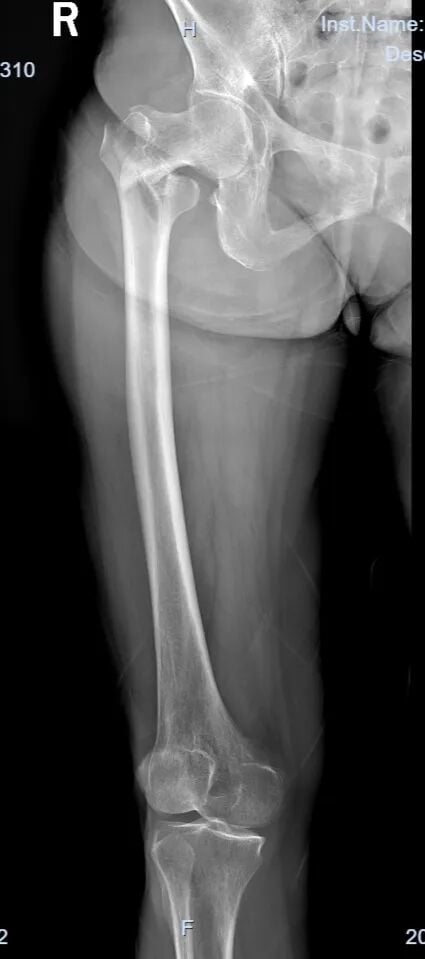
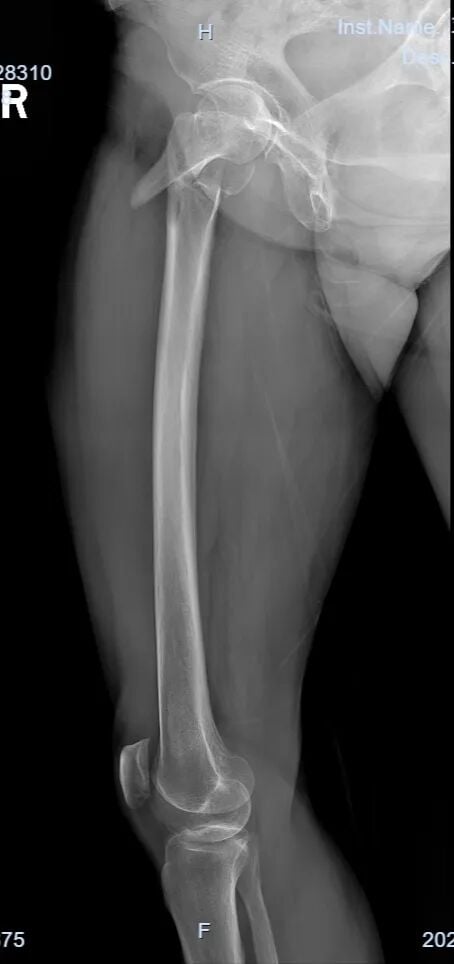
Diagnosis: Right femoral intertrochanteric comminuted fracture (AO classification type 31-A1.3).
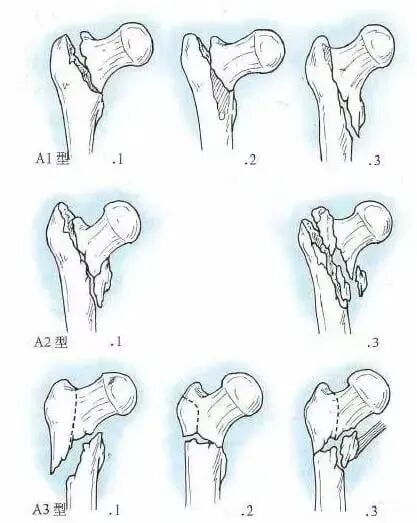
For type 31-A1.3 fractures, achieving a satisfactory reduction has always been challenging.
Intraoperative course:
Closed reduction attempted but failed. The more traction applied, the more the proximal fragment was displaced superiorly due to iliopsoas muscle pull.
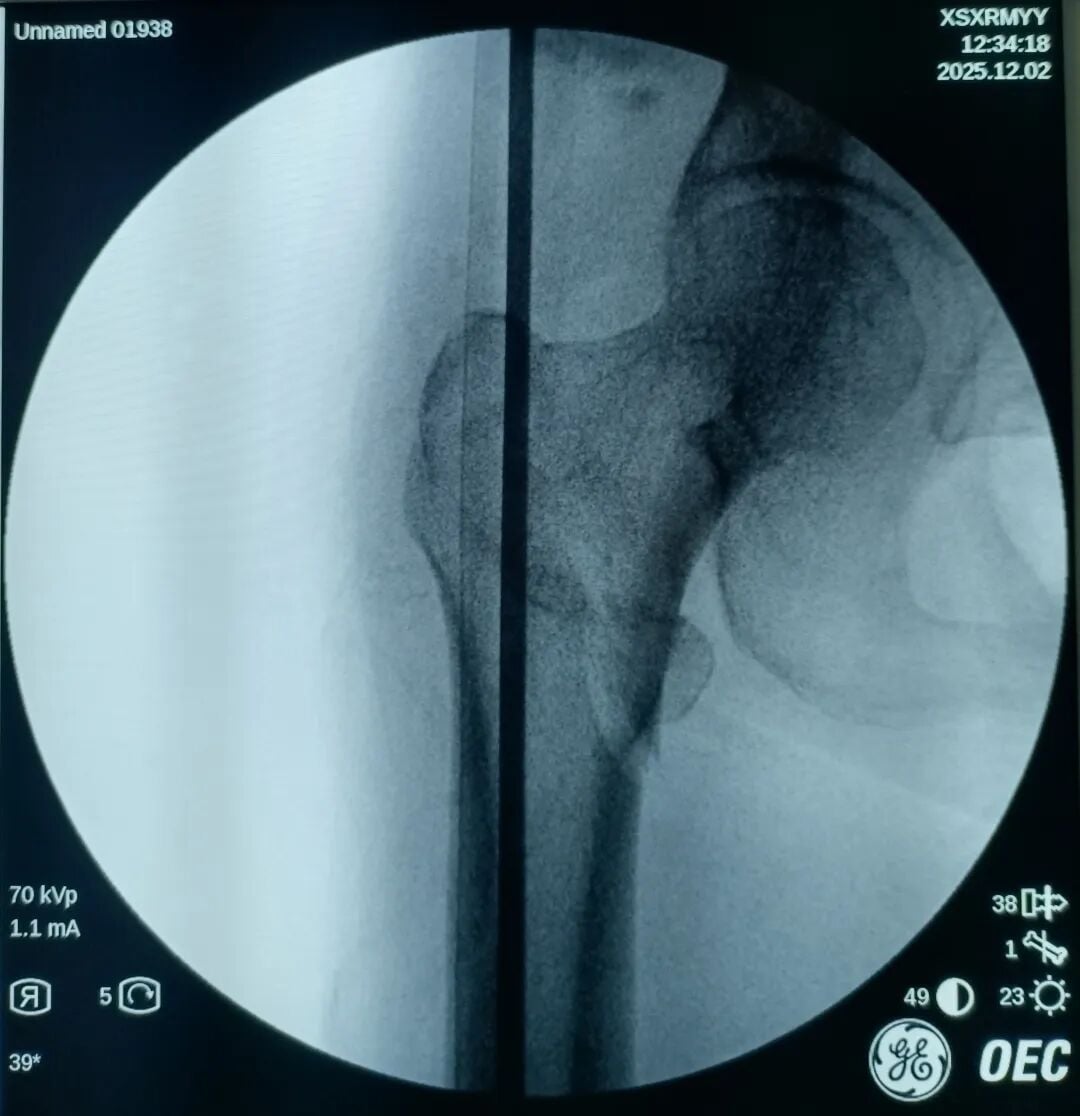
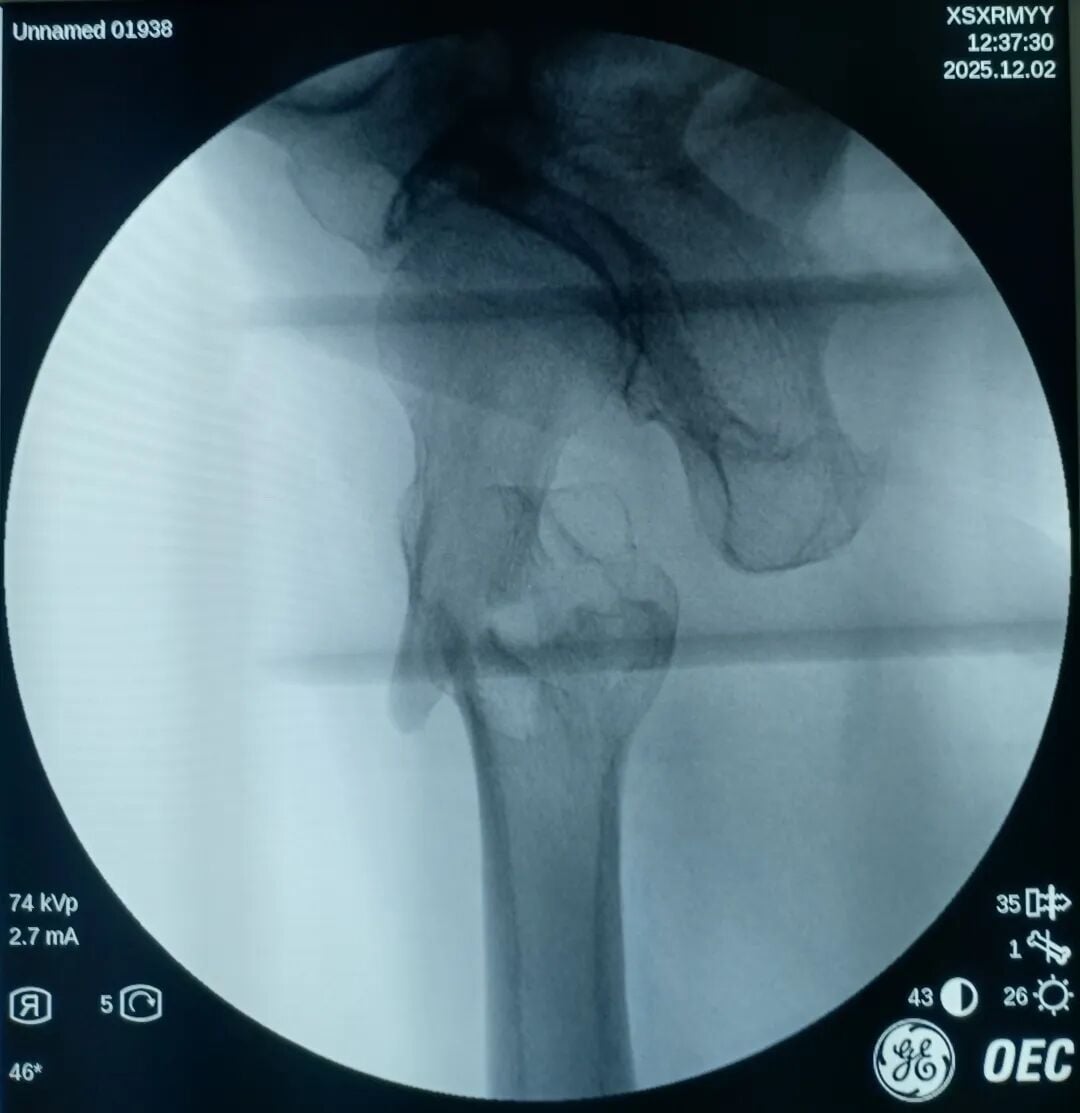
A 2 cm anterior mini-incision was made. The fracture site was palpated with a finger. The proximal fragment was found to be displaced superiorly, while the distal fragment was displaced posteriorly and locked. A clamp was inserted into the fracture site; under finger guidance combined with the clamp, the locked fragments were unlocked. The clamp was then used to maintain reduction quality by applying medial and lateral compression. Routine localization, guidewire placement, and the standard surgical procedure were completed.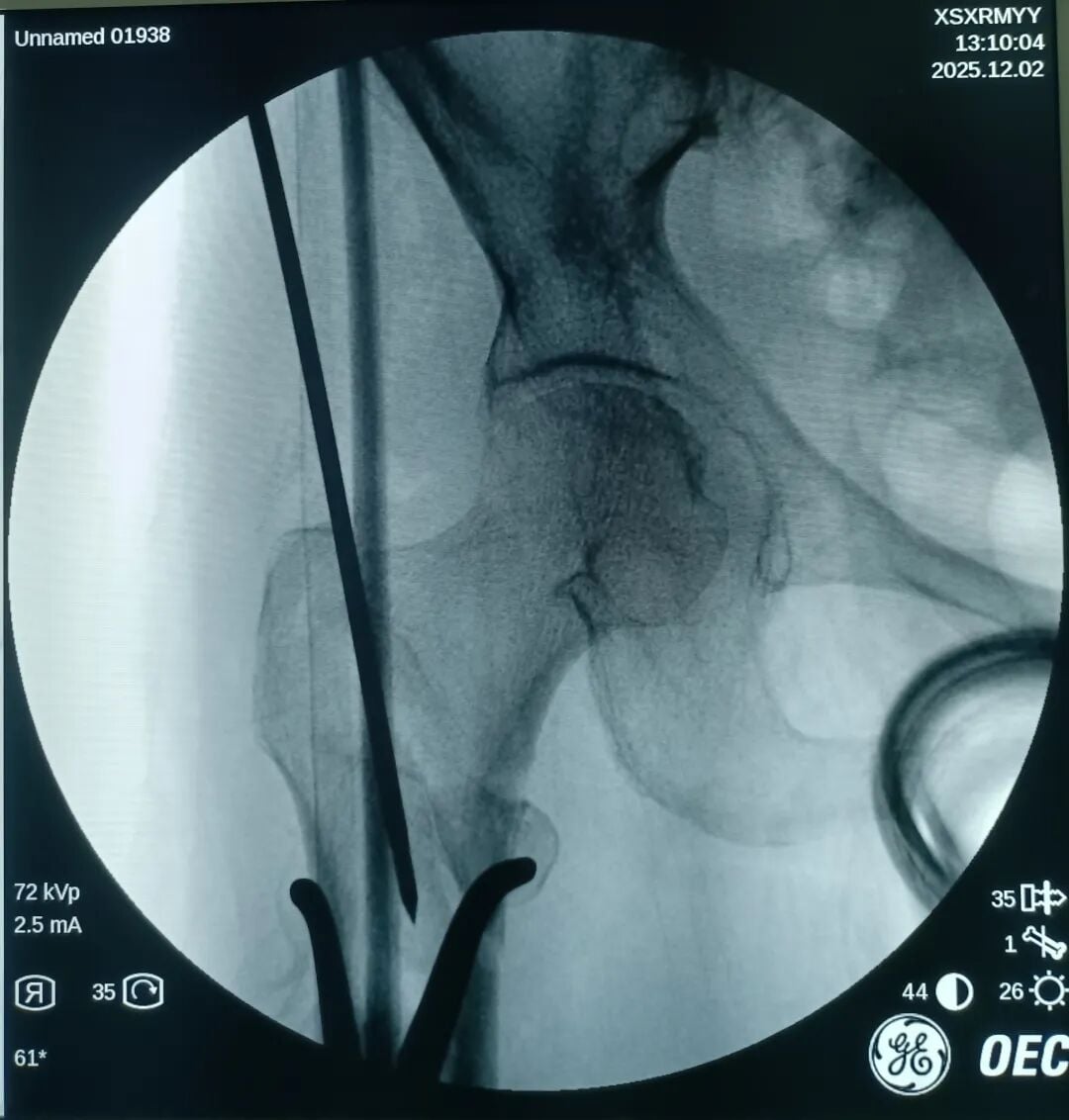
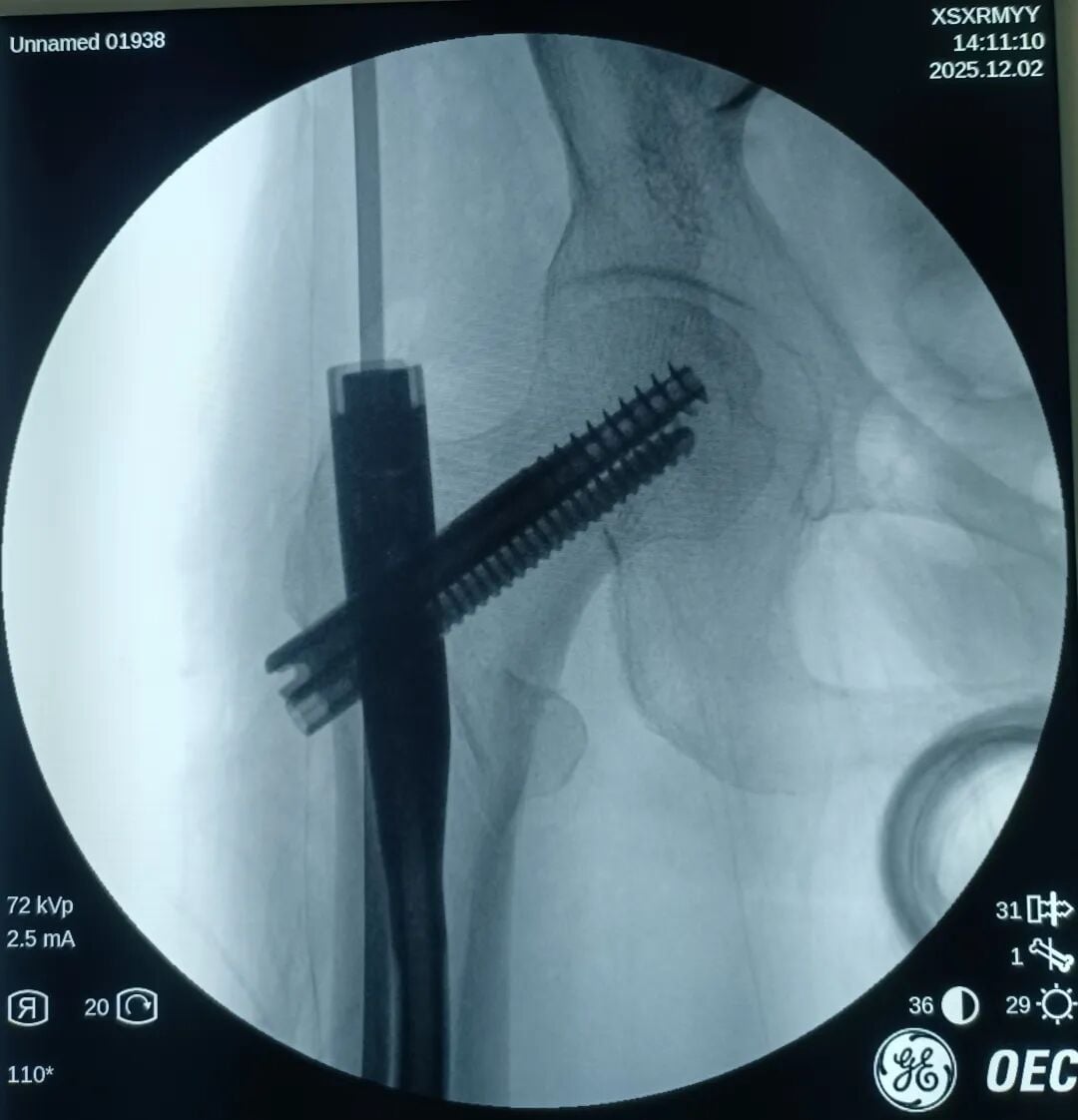
The medullary canal was narrow. No reaming was performed. The 9 mm diameter intramedullary nail was inserted under tight fit. Adjusting the anteversion of the cephalomedullary screw proved difficult.
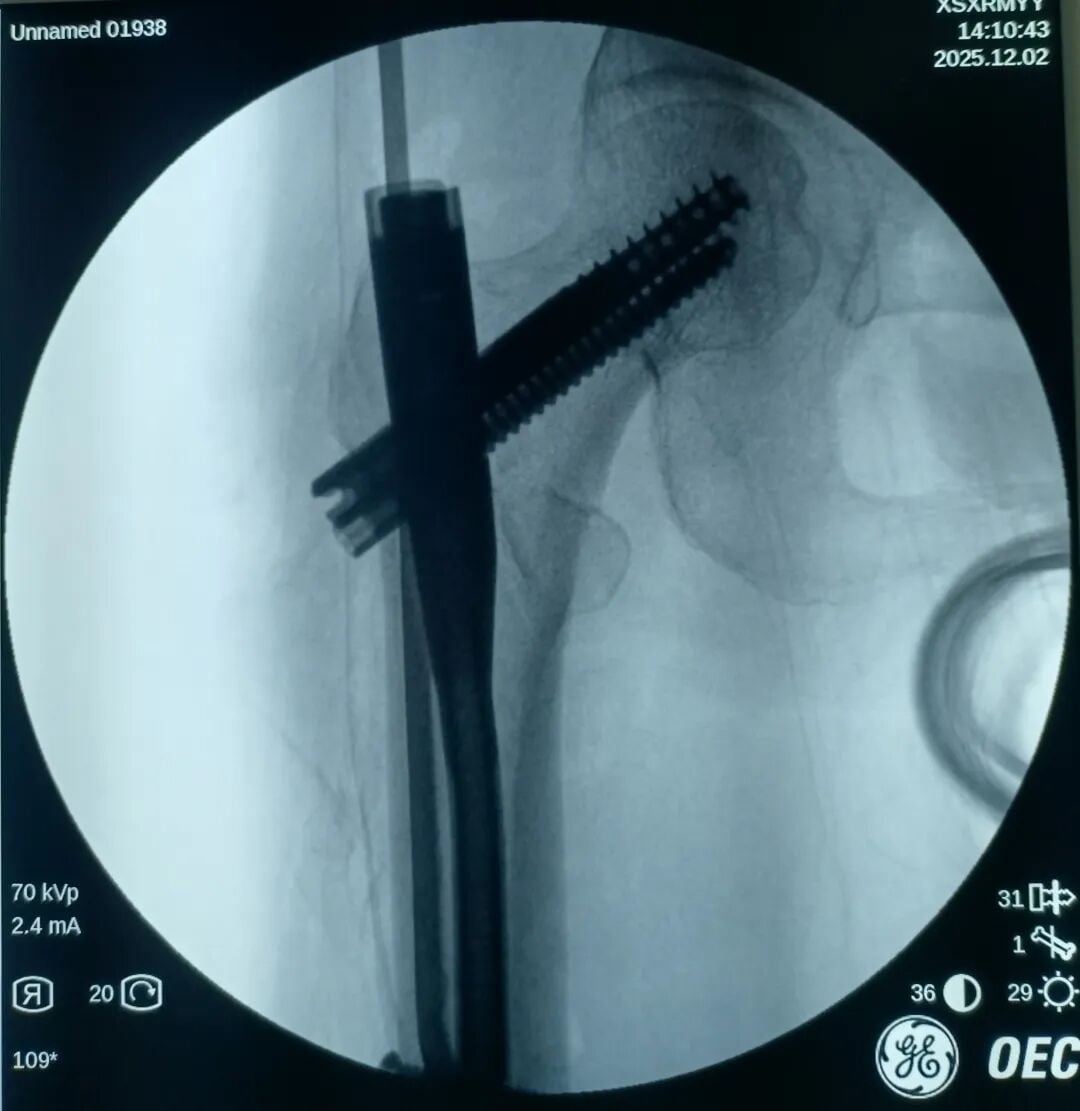
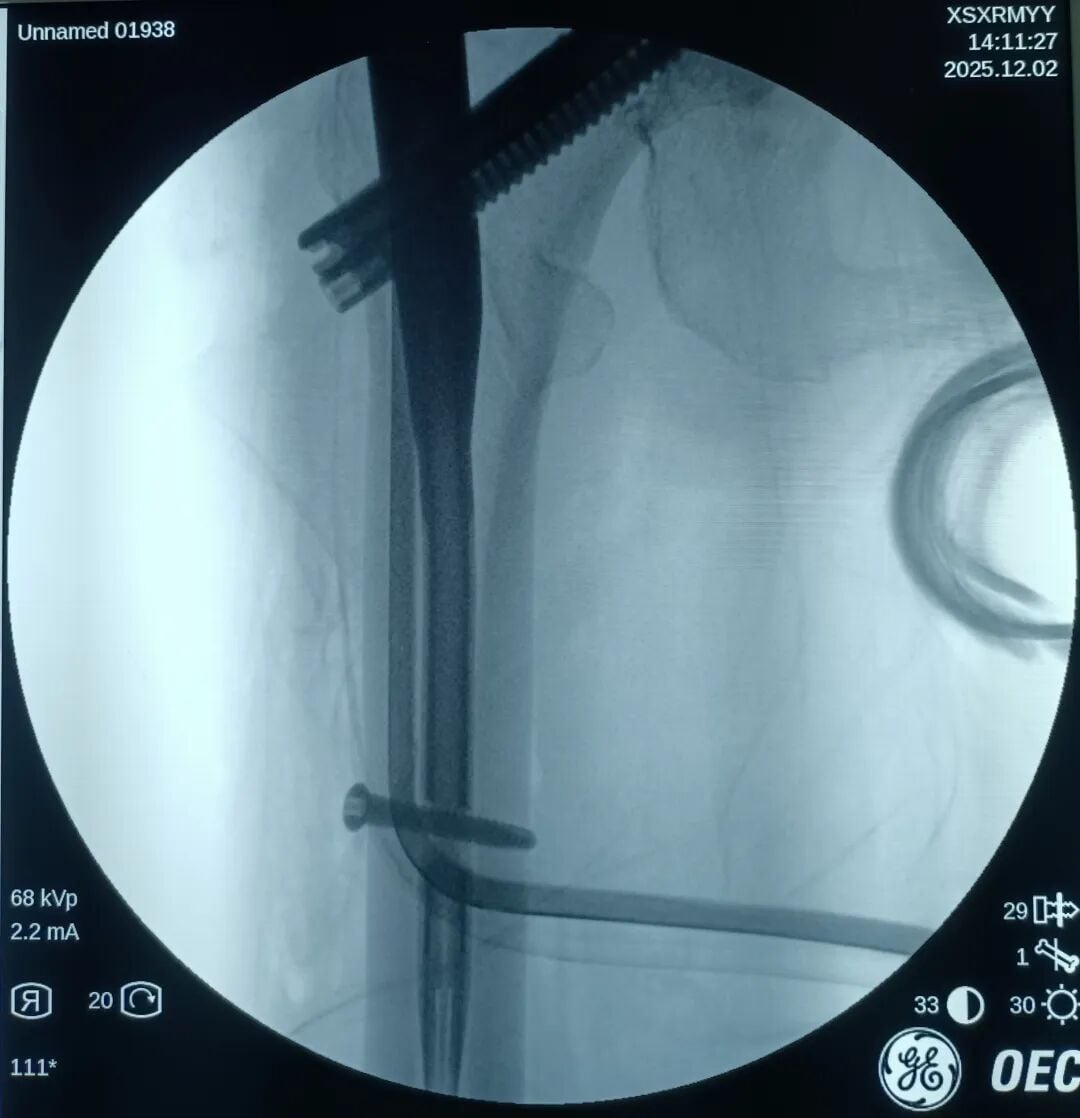
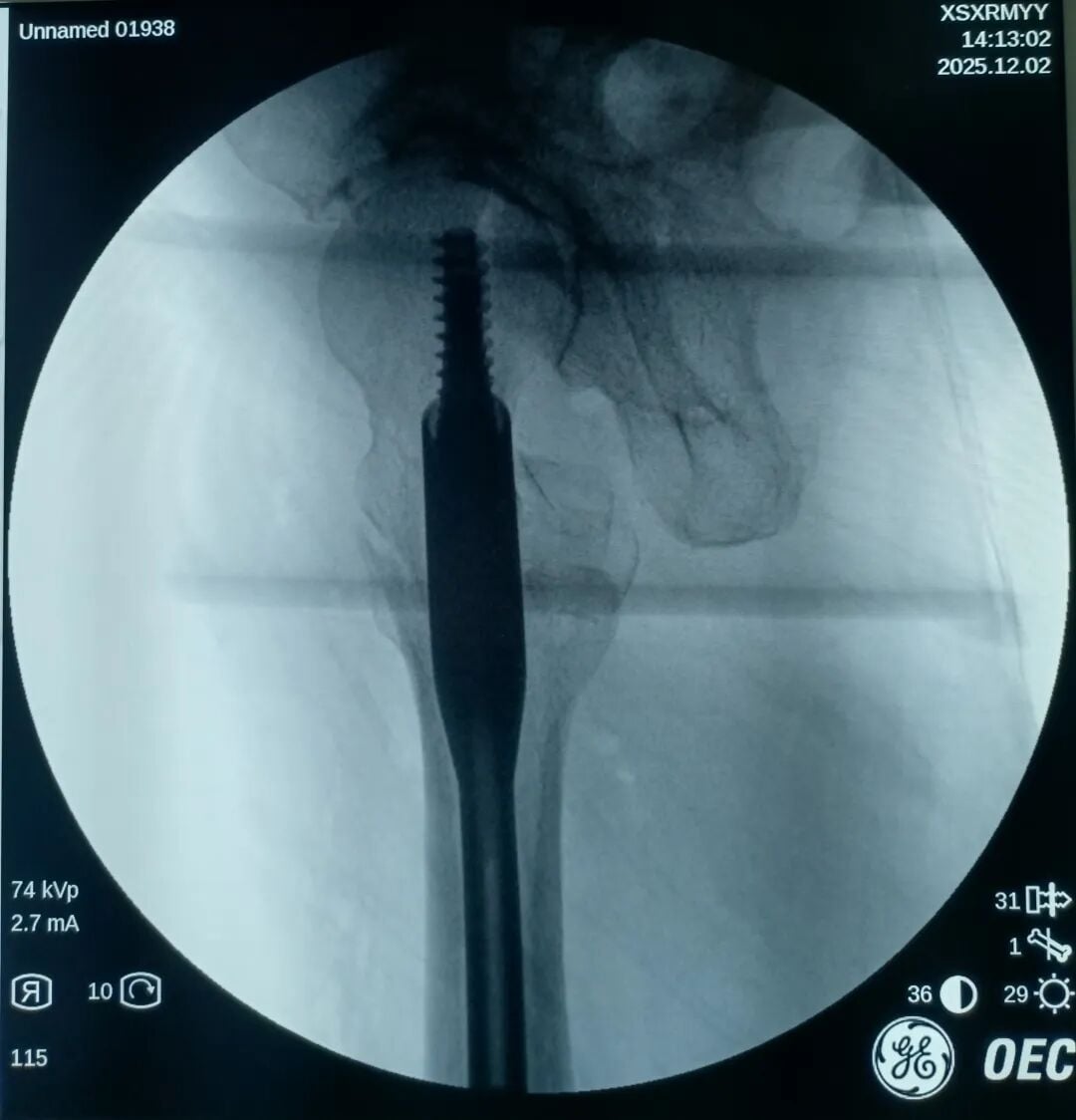
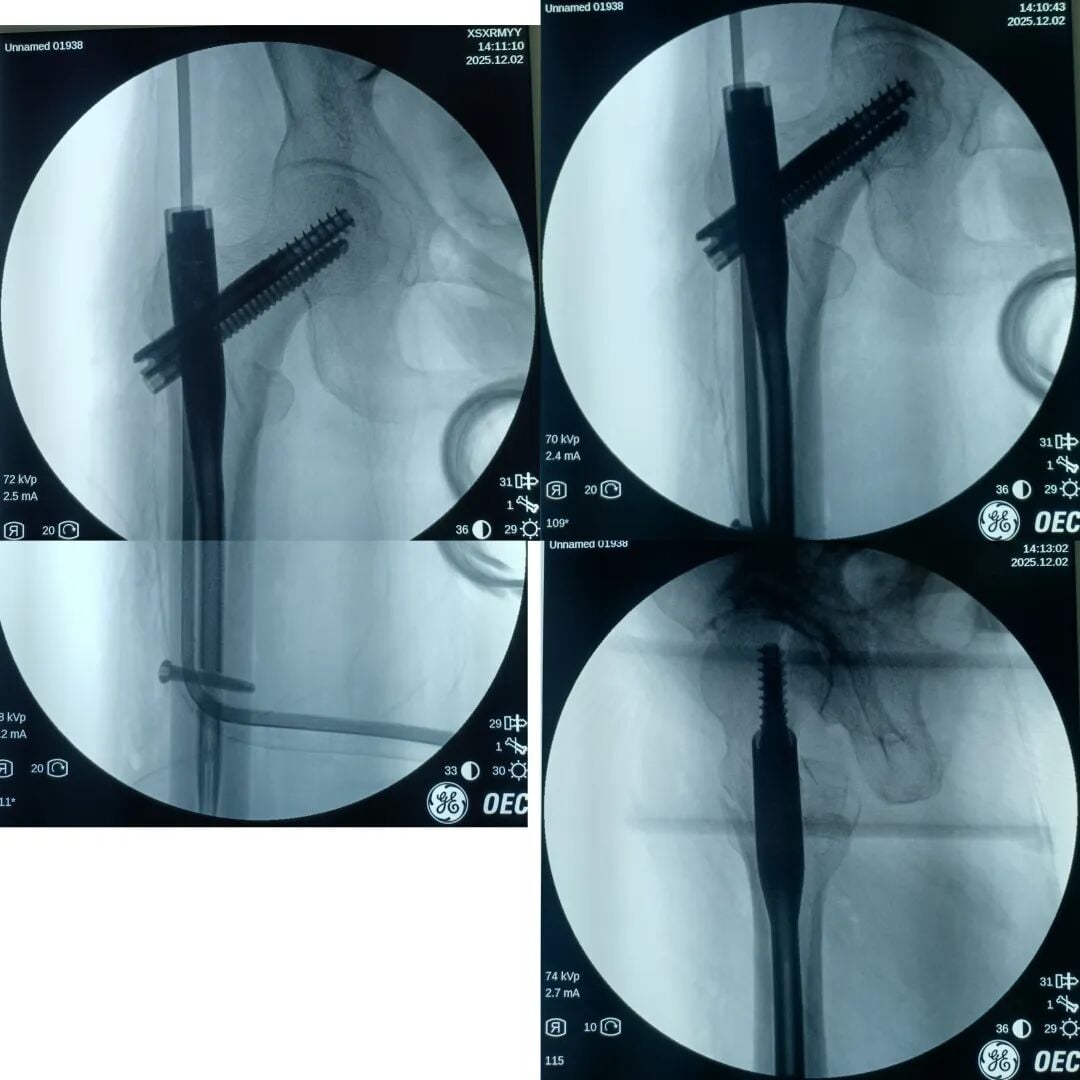
The "Gold Standard Procedure" in Orthopedics: Intramedullary Nailing for Intertrochanteric Fractures – Precise Reduction + Fast Recovery