Posterior Malleolus Plate Solutions

Get a Free Quote

Our representative will contact you soon.
Email
Name
Company Name
Message
0/1000

posterior malleolus plate

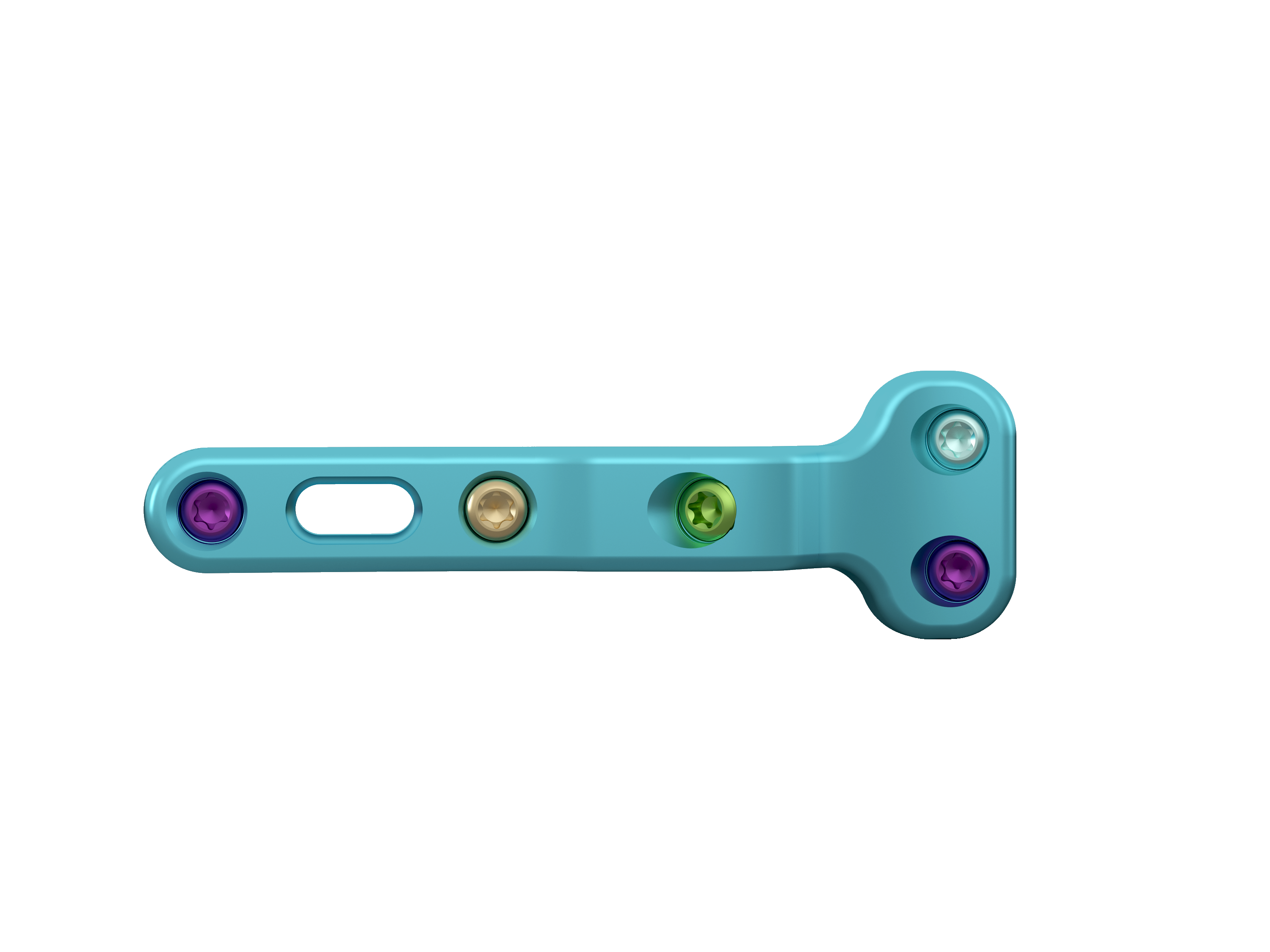
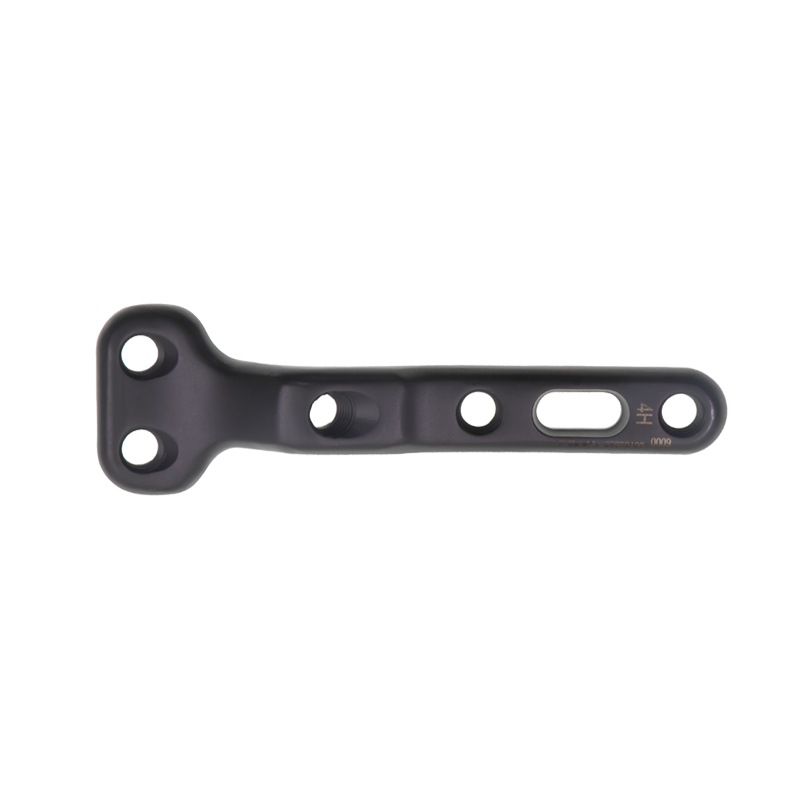
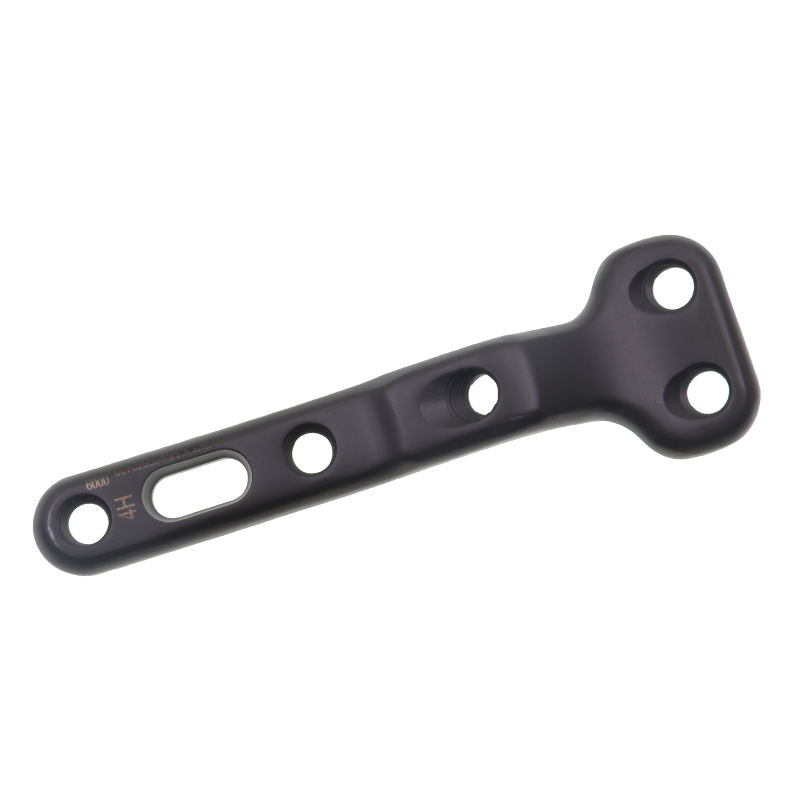
The posterior malleolus plate is a specialized orthopedic implant designed to treat fractures of the posterior malleolus, which is the back portion of the ankle bone. This critical medical device provides stable fixation for complex ankle injuries, particularly when the posterior fragment comprises a significant portion of the tibial plafond. The posterior malleolus plate features anatomically contoured designs that match the natural shape of the distal tibia, ensuring optimal bone contact and fracture reduction. Advanced manufacturing techniques create low-profile implants that minimize soft tissue irritation while maintaining structural integrity. The plate incorporates multiple screw holes with various angulation options, allowing surgeons to customize fixation based on individual patient anatomy and fracture patterns. Locking screw technology provides angular stability, which is essential for maintaining fracture reduction during the healing process. The posterior malleolus plate is typically manufactured from medical-grade titanium or stainless steel, materials chosen for their biocompatibility, strength, and corrosion resistance. These implants are primarily used in operating rooms by orthopedic trauma surgeons and foot and ankle specialists treating trimalleolar fractures, posterior pilon fractures, and isolated posterior malleolus injuries. The surgical application involves direct posterior approach or posterolateral exposure, enabling direct visualization and anatomical reduction of the fracture fragment. Modern posterior malleolus plate systems include comprehensive instrument sets that facilitate precise placement and secure fixation, contributing to improved patient outcomes and faster recovery times.

New Product Recommendations

The posterior malleolus plate delivers exceptional stability for ankle fractures, directly addressing the mechanical demands of weight-bearing joints. When you choose this fixation solution, you gain access to proven technology that reduces complications and supports faster patient mobilization. The anatomical contouring eliminates gaps between implant and bone, creating immediate structural support that maintains fracture alignment throughout healing. This precise fit means fewer revision surgeries and better long-term outcomes for your patients. The low-profile design significantly reduces soft tissue complications, an advantage that translates to decreased postoperative pain and improved patient satisfaction. Surgeons appreciate the versatility of multiple screw trajectory options, which accommodate varying fracture patterns without requiring additional inventory. This adaptability streamlines surgical planning and reduces operating room time, creating efficiency gains that benefit both medical facilities and patients. The locking mechanism provides fixed-angle stability, particularly valuable when treating osteoporotic bone or comminuted fractures where traditional screws might fail. Biocompatible materials minimize rejection risks and support natural bone healing processes, ensuring the implant integrates seamlessly with surrounding tissues. The posterior malleolus plate enables earlier weight-bearing protocols compared to alternative fixation methods, accelerating rehabilitation and returning patients to daily activities sooner. For healthcare providers, this means reduced hospitalization costs and improved resource utilization. The comprehensive instrument systems accompanying these plates simplify surgical technique, reducing the learning curve for less experienced surgeons while maintaining procedural excellence. Quality manufacturing standards ensure consistent performance across all implants, giving you confidence in every procedure. Investment in posterior malleolus plate technology represents a commitment to superior patient care, offering measurable improvements in fracture healing rates, functional outcomes, and overall treatment success.

Tips And Tricks

Special Needs of Children's Bones: Design Philosophy of Pediatric Internal Fixation Systems

16

Dec

Special Needs of Children's Bones: Design Philosophy of Pediatric Internal Fixation Systems

Children's bones present unique challenges that require specialized approaches in orthopedic surgery. Unlike adult skeletal structures, pediatric bones are constantly growing, adapting, and remodeling throughout development. When fractures or deformi...
View More
Application of carbon fiber material external fixation bracket in clinical practice

13

Jan

Application of carbon fiber material external fixation bracket in clinical practice

The integration of advanced materials in orthopedic surgery has revolutionized patient care and treatment outcomes. Among these innovations, carbon fiber external fixation systems have emerged as a superior alternative to traditional metal frameworks...
View More
The application advantages of modular braces in ankle fractures

11

Feb

The application advantages of modular braces in ankle fractures

Ankle fractures represent one of the most challenging orthopedic conditions, requiring precise stabilization and optimal healing conditions. Modern orthopedic treatment has evolved significantly with the introduction of advanced fixation systems, par...
View More
Expanding the Boundaries of IM Nail Technology: Periarticular Fractures and Deformity Correction

06

Mar

Expanding the Boundaries of IM Nail Technology: Periarticular Fractures and Deformity Correction

Modern orthopedic surgery continues to evolve with innovative solutions that address complex fracture patterns and deformity corrections. The telescopic intramedullary nail represents a significant advancement in treating challenging periarticular fr...
View More

Get a Free Quote

Our representative will contact you soon.
Email
Name
Company Name
Message
0/1000

posterior malleolus plate

Anatomically Contoured Design for Superior Fracture Reduction

Anatomically Contoured Design for Superior Fracture Reduction

The posterior malleolus plate features precisely engineered anatomical contours that replicate the natural curvature of the posterior tibial surface. This sophisticated design element ensures intimate contact between the implant and bone surface, eliminating gaps that could compromise stability or healing. The anatomical shaping allows surgeons to achieve and maintain accurate fracture reduction without excessive manipulation, protecting delicate cartilage surfaces and preserving joint congruity. During surgery, this contoured profile simplifies plate positioning, reducing fluoroscopy time and radiation exposure for both patient and surgical team. The three-dimensional fit distributes mechanical loads evenly across the fracture site, preventing stress concentrations that could lead to hardware failure or delayed union. This design consideration is particularly critical in posterior malleolus fractures involving the weight-bearing articular surface, where even minor misalignment can result in post-traumatic arthritis. The posterior malleolus plate achieves this precision through advanced imaging studies and biomechanical testing, translating anatomical data into implant geometry that works consistently across diverse patient populations. Surgeons report greater confidence in fracture fixation quality when using anatomically designed plates, knowing the implant naturally guides reduction toward optimal alignment.
Locking Screw Technology for Enhanced Stability

Locking Screw Technology for Enhanced Stability

The posterior malleolus plate incorporates advanced locking screw technology that transforms the construct into a fixed-angle device, providing angular stability superior to conventional plating systems. This mechanical advantage is crucial when treating fractures in compromised bone quality, where screw purchase in osteoporotic or comminuted bone may be inadequate with traditional techniques. The locking mechanism creates a rigid construct that resists toggle and micromotion at the fracture site, conditions essential for primary bone healing. Unlike non-locking systems where screws can back out or loosen over time, the locked interface maintains compression and alignment throughout the entire healing period. This reliability reduces the need for secondary procedures to address hardware complications. The posterior malleolus plate system offers combination holes accepting both locking and non-locking screws, giving surgeons tactical flexibility to compress fracture lines where needed while maintaining angular stability elsewhere. The threaded screw-plate interface distributes forces across the entire construct rather than concentrating stress at individual screw-bone interfaces, protecting against catastrophic failure. For surgeons, this technology means predictable fixation regardless of bone quality, expanding treatment options for elderly patients or those with metabolic bone disease who previously faced limited surgical solutions.
Low-Profile Construction Minimizing Soft Tissue Complications

Low-Profile Construction Minimizing Soft Tissue Complications

The posterior malleolus plate utilizes low-profile engineering that significantly reduces soft tissue irritation, a common source of postoperative complications with bulkier implants. The streamlined design minimizes the implant's prominence beneath the skin, decreasing pressure on overlying tendons, nerves, and vascular structures in the posterior ankle region. This anatomical consideration is particularly important given the limited soft tissue coverage in this area, where prominent hardware can lead to wound healing problems, infection risks, or chronic discomfort requiring implant removal. Patients experience less postoperative pain and swelling when low-profile implants are used, translating to reduced narcotic requirements and faster return to function. The reduced thickness does not compromise structural integrity, as advanced metallurgy and strategic reinforcement maintain the strength necessary for fracture stabilization. Surgeons find that the posterior malleolus plate sits flush against bone contours, requiring minimal soft tissue dissection during implantation and facilitating straightforward wound closure. The low-profile advantage extends beyond the immediate postoperative period, as patients report fewer long-term symptoms related to hardware presence, decreasing the likelihood of elective removal procedures. This design philosophy demonstrates how thoughtful engineering addresses real-world clinical challenges, improving both immediate surgical outcomes and long-term patient satisfaction with their ankle reconstruction.
logo