Medial Malleolus Plate: Advanced Ankle Fixation

Get a Free Quote

Our representative will contact you soon.
Email
Name
Company Name
Message
0/1000

medial malleolus plate

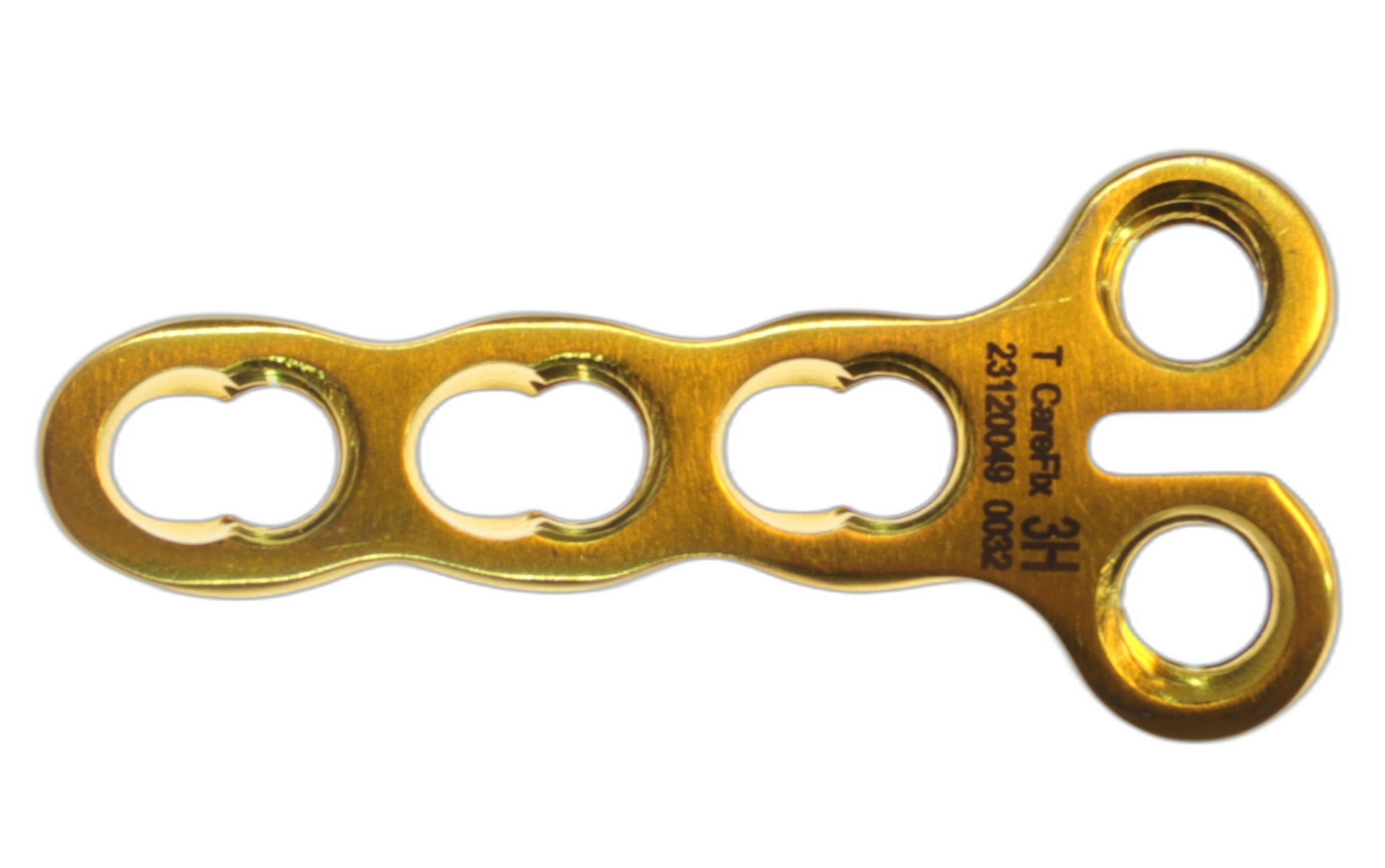
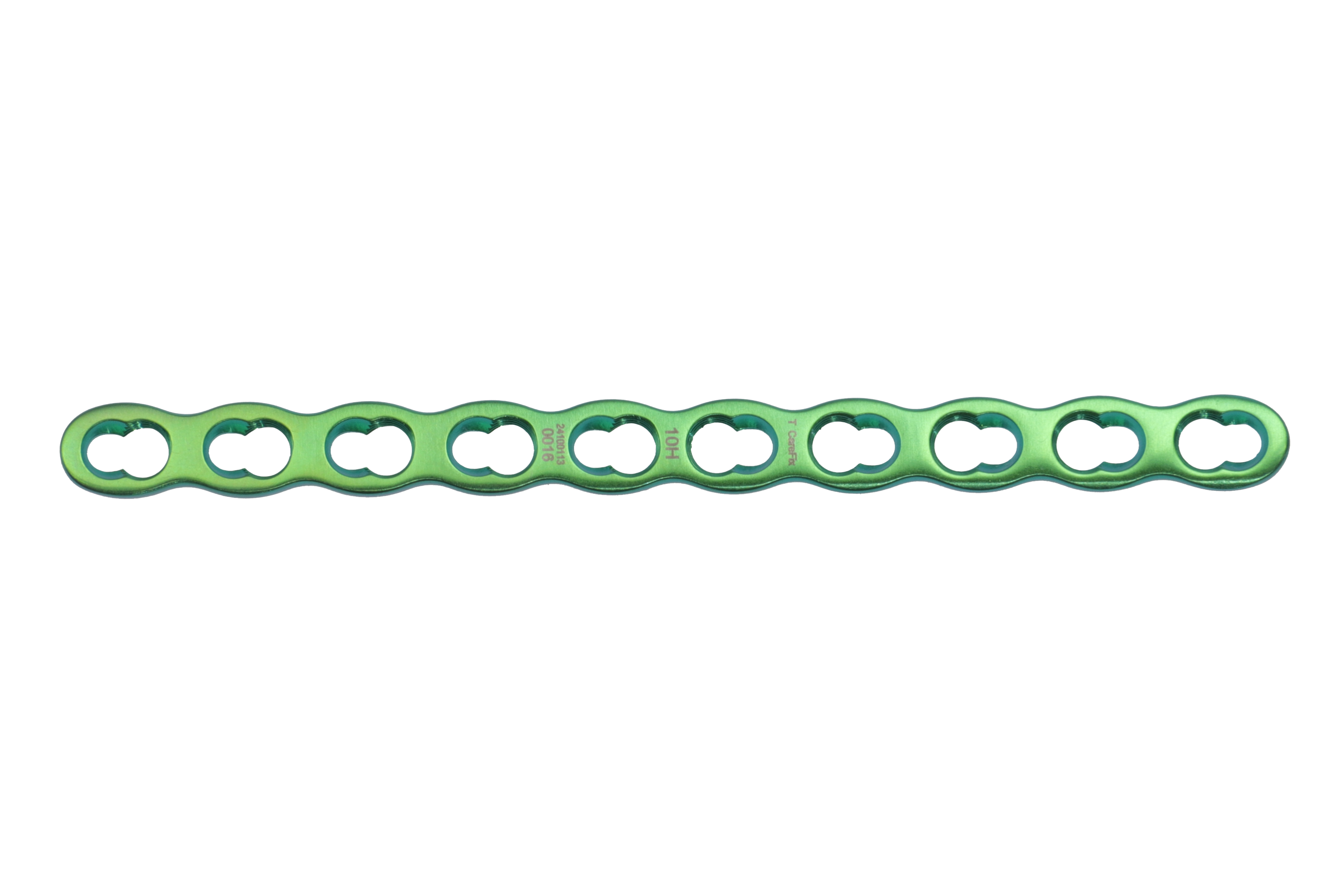
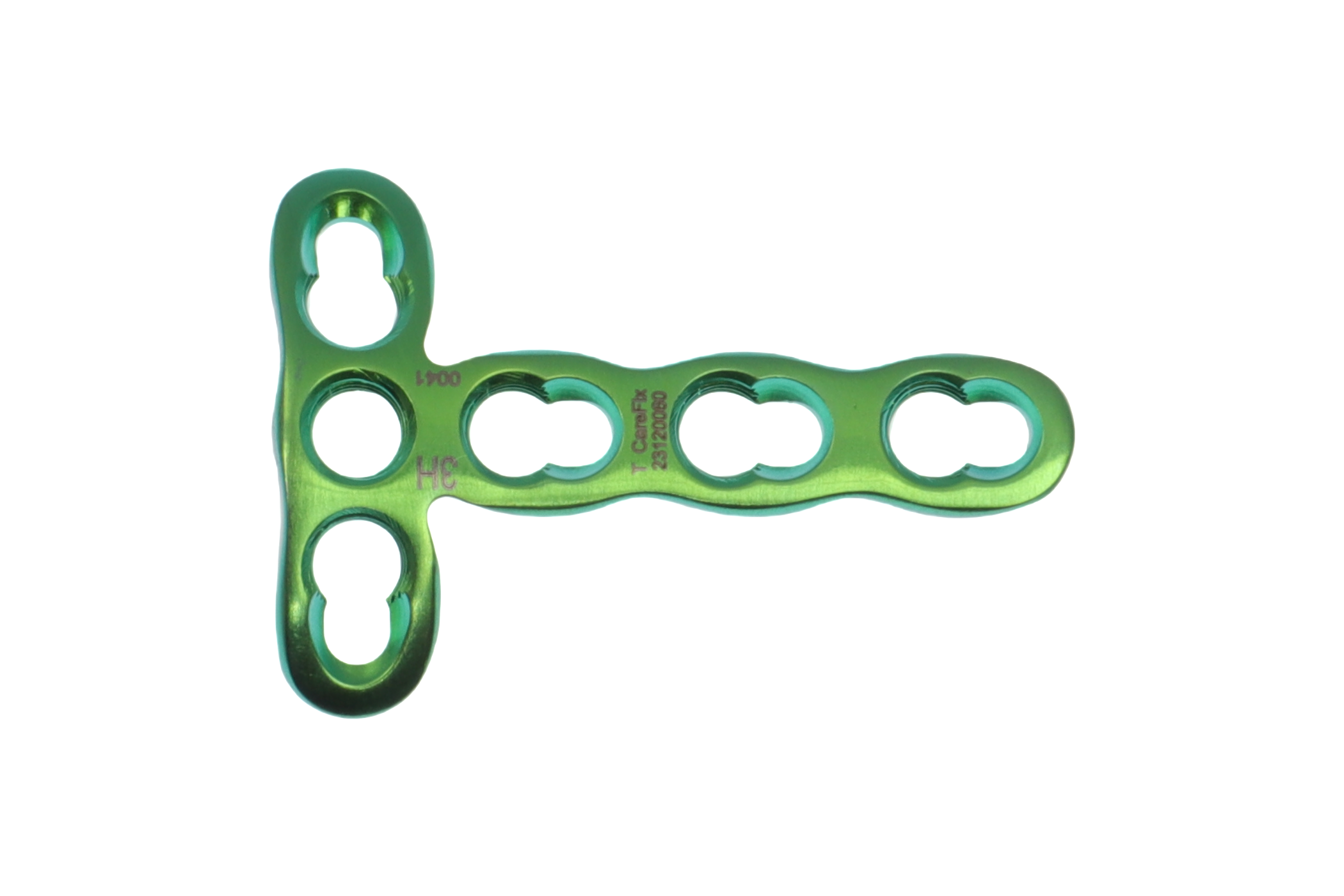
The medial malleolus plate is a specialized orthopedic implant designed to stabilize and repair fractures of the medial malleolus, the bony prominence on the inner side of the ankle. This surgical device plays a critical role in restoring ankle joint stability and facilitating proper bone healing following traumatic injuries. The medial malleolus plate is engineered with precision to anatomically contour to the medial aspect of the distal tibia, ensuring optimal fit and secure fixation. Manufactured from high-grade medical materials such as titanium or stainless steel, this implant offers exceptional biocompatibility and mechanical strength. The plate features strategically positioned screw holes that allow surgeons to achieve multiple fixation angles, accommodating various fracture patterns and patient anatomies. Its low-profile design minimizes soft tissue irritation while maintaining structural integrity. The medial malleolus plate is primarily used in ankle fracture surgeries, particularly for unstable medial malleolus fractures that cannot heal properly with conservative treatment alone. Orthopedic surgeons rely on this device to restore anatomical alignment, prevent malunion, and enable early mobilization during recovery. The technological features include locking and non-locking screw options, allowing for either fixed-angle or compression fixation based on surgical requirements. This versatility makes the medial malleolus plate suitable for both simple and complex fracture configurations, addressing the diverse needs of trauma patients across different age groups and activity levels.

New Products

When considering surgical options for ankle fractures, the medial malleolus plate delivers significant practical benefits that directly impact patient outcomes and recovery experiences. This fixation device provides exceptional stability at the fracture site, which translates to faster bone healing and reduced risk of complications such as nonunion or malunion. For patients, this means shorter recovery times and quicker return to daily activities and work responsibilities. The anatomically contoured design of the medial malleolus plate ensures that it sits flush against the bone surface, reducing the likelihood of hardware prominence that can cause discomfort or require secondary removal surgery. This feature is particularly valuable for patients concerned about long-term comfort and minimizing additional procedures. From an operational perspective, surgeons benefit from the intuitive instrumentation and straightforward application technique, which can reduce surgery duration and improve procedural efficiency. The multiple fixation options available with the medial malleolus plate allow medical professionals to customize the treatment approach based on individual patient needs, fracture complexity, and bone quality. This adaptability makes it suitable for treating elderly patients with osteoporotic bone as well as younger individuals with high-energy trauma injuries. The corrosion-resistant materials used in manufacturing ensure the implant maintains its structural integrity throughout the healing process without degrading or causing adverse tissue reactions. For healthcare facilities, the proven track record of the medial malleolus plate in clinical settings provides confidence in treatment outcomes and patient satisfaction. The device supports early weight-bearing protocols when appropriate, which can significantly improve patient quality of life during recovery and reduce the economic burden associated with prolonged immobilization and lost productivity.

Practical Tips

Application of carbon fiber material external fixation bracket in clinical practice

13

Jan

Application of carbon fiber material external fixation bracket in clinical practice

The integration of advanced materials in orthopedic surgery has revolutionized patient care and treatment outcomes. Among these innovations, carbon fiber external fixation systems have emerged as a superior alternative to traditional metal frameworks...
View More
Taylor brace: a new choice for minimally invasive treatment of complex fracture repair

11

Feb

Taylor brace: a new choice for minimally invasive treatment of complex fracture repair

The Taylor brace represents a significant advancement in orthopedic trauma management, offering surgeons and patients a minimally invasive alternative for treating complex fracture repairs. This innovative external fixation system has transformed the...
View More
Expanding the Boundaries of IM Nail Technology: Periarticular Fractures and Deformity Correction

06

Mar

Expanding the Boundaries of IM Nail Technology: Periarticular Fractures and Deformity Correction

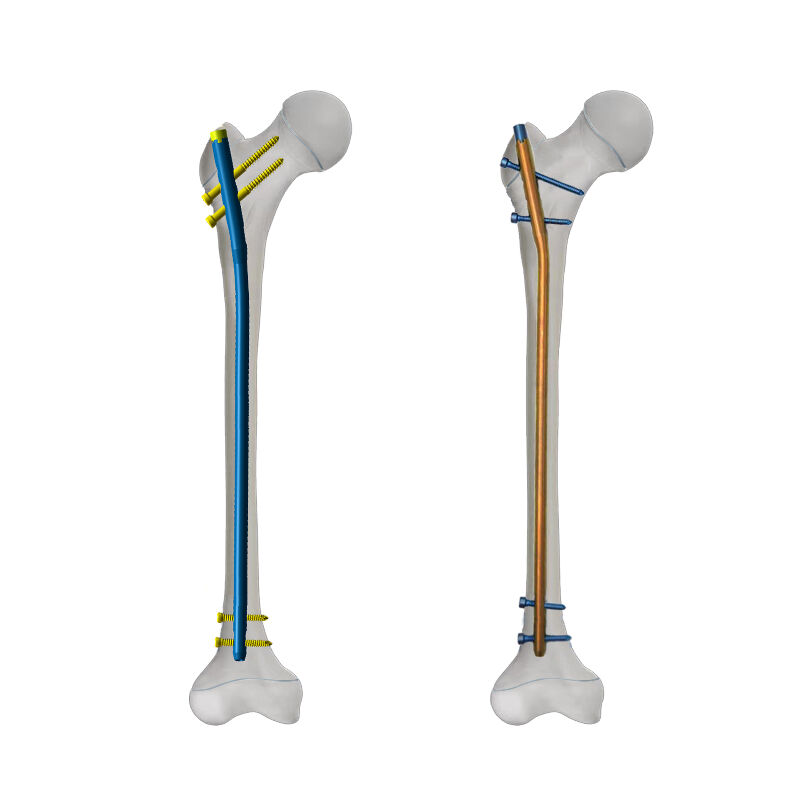
Modern orthopedic surgery continues to evolve with innovative solutions that address complex fracture patterns and deformity corrections. The telescopic intramedullary nail represents a significant advancement in treating challenging periarticular fr...
View More
Ankle internal fixation system: Advantages of ankle locking plate in the treatment of complex fractures

06

Mar

Ankle internal fixation system: Advantages of ankle locking plate in the treatment of complex fractures

Complex ankle fractures represent one of the most challenging orthopedic injuries, requiring precise surgical intervention and advanced fixation techniques to restore optimal function and stability. The ankle locking plate has emerged as a revolution...
View More

Get a Free Quote

Our representative will contact you soon.
Email
Name
Company Name
Message
0/1000

medial malleolus plate

Anatomical Contouring for Superior Fit

Anatomical Contouring for Superior Fit

The medial malleolus plate features sophisticated anatomical contouring that precisely matches the natural curvature of the medial malleolus region. This three-dimensional shaping is not merely cosmetic but serves critical functional purposes in fracture management. The plate's contoured profile ensures intimate contact with the bone surface across the entire fixation area, distributing mechanical loads evenly and preventing stress concentration points that could lead to hardware failure or bone resorption. This anatomical design minimizes gaps between the implant and bone, promoting better stability and encouraging optimal healing conditions. The low-profile nature of this contouring reduces the distance between the plate and overlying soft tissues, significantly decreasing the risk of skin irritation, wound complications, and the need for subsequent hardware removal. Surgeons appreciate how this design simplifies intraoperative positioning and reduces the need for extensive plate bending, saving valuable surgical time while ensuring consistent, reproducible results. For patients, the anatomical fit translates to greater comfort during the recovery period and fewer long-term complications related to prominent hardware, making the medial malleolus plate an excellent choice for achieving both functional and patient-satisfaction goals.
Versatile Fixation Options for Complex Cases

Versatile Fixation Options for Complex Cases

One of the most compelling features of the medial malleolus plate is its versatile fixation system that accommodates a wide spectrum of fracture patterns and surgical preferences. The plate incorporates both locking and non-locking screw holes, providing surgeons with exceptional flexibility in construct design. Locking screws create a fixed-angle construct that functions as an internal fixator, ideal for osteoporotic bone or comminuted fractures where traditional compression may be contraindicated. Non-locking screws enable lag screw technique application for interfragmentary compression, essential for achieving primary bone healing in simple fracture patterns. This dual-functionality system means a single medial malleolus plate can address varying clinical scenarios without requiring multiple inventory items. The strategic placement of screw holes allows for polyaxial screw insertion in some designs, giving surgeons the ability to adjust trajectory based on bone quality and fragment position. This adaptability is particularly valuable in revision cases or when dealing with unusual fracture configurations. The versatile fixation approach supported by the medial malleolus plate reduces surgical complexity, improves fixation security across patient populations, and ultimately contributes to better clinical outcomes regardless of fracture severity or patient-specific anatomical variations.
Premium Materials for Long-Term Reliability

Premium Materials for Long-Term Reliability

The medial malleolus plate is manufactured from medical-grade materials that have been rigorously tested and proven in orthopedic applications for decades. Most commonly fabricated from titanium alloy or surgical-grade stainless steel, these materials offer an exceptional balance of strength, biocompatibility, and corrosion resistance. Titanium plates provide superior strength-to-weight ratio and are particularly beneficial for patients with metal sensitivities, as titanium exhibits outstanding biocompatibility with minimal risk of allergic reactions. The material's inherent properties allow for thinner plate designs without compromising mechanical strength, further reducing soft tissue irritation. Stainless steel options deliver robust fixation at a cost-effective price point while maintaining excellent fatigue resistance throughout the healing process. Both material choices undergo specialized surface treatments that enhance osseointegration and reduce bacterial adhesion, contributing to lower infection rates. The corrosion-resistant nature of these premium materials ensures the medial malleolus plate maintains structural integrity in the physiological environment, preventing degradation that could compromise fixation stability. For patients requiring long-term implantation, this material reliability provides peace of mind and eliminates concerns about implant failure. The proven track record of these materials in orthopedic surgery reinforces confidence among medical professionals and patients alike in the safety and effectiveness of the medial malleolus plate.
logo