Talonavicular Fusion Plate Solutions

Get a Free Quote

Our representative will contact you soon.
Email
Name
Company Name
Message
0/1000

talonavicular fusion plate

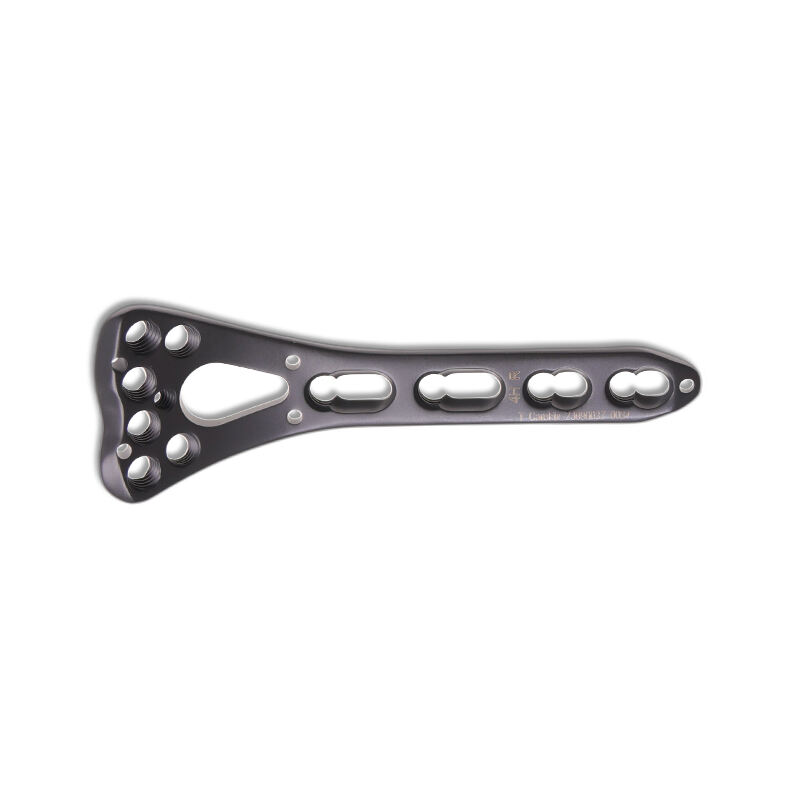
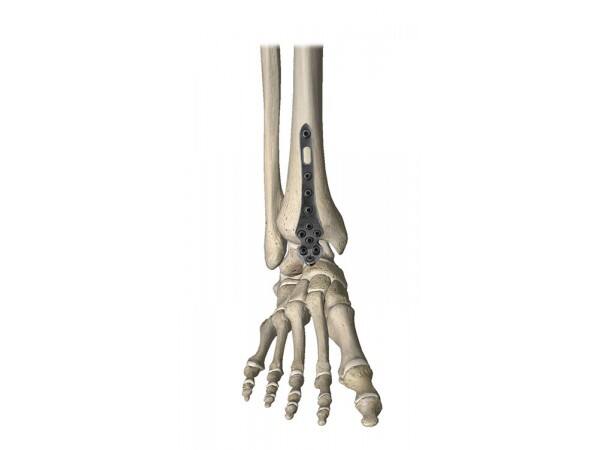
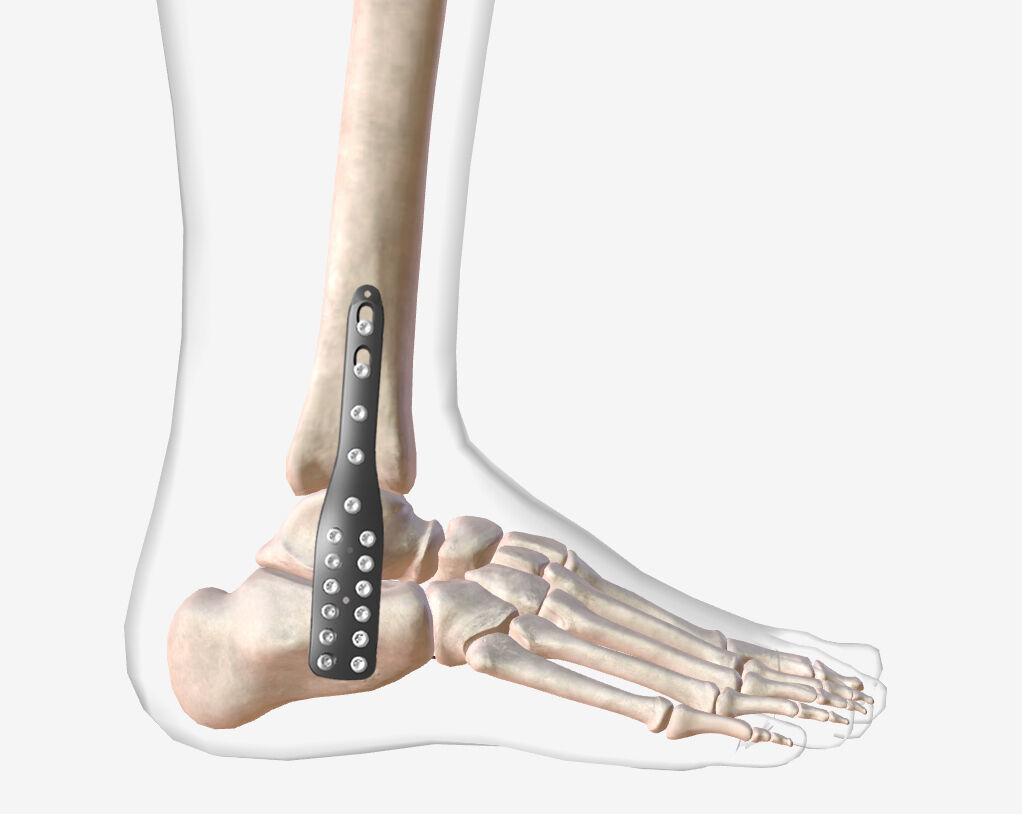
The talonavicular fusion plate is a specialized orthopedic implant designed to stabilize and facilitate the fusion of the talonavicular joint in the midfoot. This surgical device plays a critical role in treating severe foot conditions such as advanced arthritis, traumatic injuries, congenital deformities, and degenerative joint diseases that affect the talonavicular articulation. The talonavicular fusion plate is engineered with precision to provide rigid fixation between the talus and navicular bones, promoting successful bone union while maintaining proper foot alignment and biomechanics. Constructed from medical-grade materials such as titanium or stainless steel, this implant offers exceptional biocompatibility and strength necessary for weight-bearing activities during the healing process. The plate features an anatomically contoured design that conforms to the complex three-dimensional shape of the midfoot, ensuring optimal bone-to-plate contact and minimizing soft tissue irritation. Multiple screw holes are strategically positioned throughout the talonavicular fusion plate to allow surgeons flexibility in screw placement and angulation, accommodating various bone qualities and anatomical variations. Advanced locking mechanisms in modern designs provide enhanced stability and prevent screw back-out, which is essential for maintaining compression across the fusion site. The talonavicular fusion plate is commonly used in reconstructive foot surgery, particularly for patients with flatfoot deformities, Charcot arthropathy, or failed previous surgeries. By providing stable internal fixation, this device enables early mobilization protocols while protecting the fusion site, ultimately improving patient outcomes and reducing recovery time in complex midfoot reconstruction procedures.

New Products

The talonavicular fusion plate offers substantial practical benefits that directly impact surgical success and patient recovery. This device provides superior stability compared to traditional fixation methods, ensuring that the bones remain properly aligned throughout the critical healing period. For surgeons, the plate simplifies the technical aspects of the procedure by offering predictable fixation with multiple screw options that accommodate different bone densities and patient anatomies. The low-profile design minimizes the risk of soft tissue complications and reduces patient discomfort after surgery, which translates to better tolerance and fewer wound-healing issues. Patients benefit from faster return to mobility because the rigid fixation provided by the talonavicular fusion plate allows for earlier weight-bearing protocols under medical supervision. The device is particularly valuable in complex cases involving severe deformity correction, where maintaining proper foot alignment is crucial for long-term functional outcomes. Healthcare facilities appreciate the cost-effectiveness of the talonavicular fusion plate, as successful fusion reduces the need for revision surgeries and associated expenses. The versatility of this implant makes it suitable for various patient populations, from active individuals recovering from traumatic injuries to elderly patients with degenerative conditions. The biocompatible materials used in manufacturing ensure minimal risk of adverse reactions, promoting better integration with surrounding bone tissue. Decision-makers in orthopedic departments value the documented clinical outcomes associated with the talonavicular fusion plate, including high fusion rates and improved patient satisfaction scores. The standardized instrumentation that accompanies these plates streamlines surgical workflows, reducing operating room time and associated costs while maintaining precision and safety throughout the procedure.

Latest News

Cannulated Screw Types: Features and Benefits Explained

16

Dec

Cannulated Screw Types: Features and Benefits Explained

Orthopedic surgery has evolved significantly over the past decades, with advances in implant technology playing a crucial role in improving patient outcomes. Among these innovations, the cannulated screw stands out as a versatile and highly effective...
View More
Application of carbon fiber material external fixation bracket in clinical practice

13

Jan

Application of carbon fiber material external fixation bracket in clinical practice

The integration of advanced materials in orthopedic surgery has revolutionized patient care and treatment outcomes. Among these innovations, carbon fiber external fixation systems have emerged as a superior alternative to traditional metal frameworks...
View More
How to choose the appropriate size and thread of hollow screws?

11

Feb

How to choose the appropriate size and thread of hollow screws?

Selecting the right hollow screws for orthopedic procedures requires careful consideration of multiple factors that directly impact surgical outcomes and patient recovery. These specialized medical devices serve critical functions in bone fixation, t...
View More
Taylor brace: a new choice for minimally invasive treatment of complex fracture repair

15

Apr

Taylor brace: a new choice for minimally invasive treatment of complex fracture repair

The Taylor brace represents a significant advancement in orthopedic external fixation technology, offering surgeons and patients a minimally invasive solution for complex fracture repair scenarios. This innovative Taylor brace system combines precisi...
View More

Get a Free Quote

Our representative will contact you soon.
Email
Name
Company Name
Message
0/1000

talonavicular fusion plate

Anatomically Optimized Design for Superior Fit

Anatomically Optimized Design for Superior Fit

The talonavicular fusion plate features an anatomically contoured profile that has been meticulously engineered to match the natural curves and surfaces of the talonavicular joint complex. This sophisticated design consideration ensures intimate contact between the plate and bone surfaces, which is essential for optimal load distribution and stress management during the fusion process. Unlike generic flat plates, the three-dimensional contouring minimizes gaps between the implant and bone, reducing the risk of hardware prominence that can lead to soft tissue irritation or wound complications. The pre-contoured shape also significantly reduces intraoperative bending requirements, saving valuable surgical time and preserving the structural integrity of the implant. Surgeons appreciate how this anatomical design facilitates proper positioning and alignment correction, particularly in cases involving significant deformity. The plate's footprint is optimized to provide maximum stability without excessive bulk, striking the ideal balance between strength and patient comfort. This thoughtful engineering translates directly into better clinical outcomes, with patients experiencing less postoperative pain and faster progression through rehabilitation protocols.
Advanced Locking Technology for Enhanced Stability

Advanced Locking Technology for Enhanced Stability

Modern talonavicular fusion plate systems incorporate advanced locking screw technology that creates a fixed-angle construct, transforming the plate-screw interface into a unified biomechanical system. This locking mechanism provides angular stability that is independent of bone quality, making the talonavicular fusion plate particularly effective in osteoporotic bone or compromised bone stock situations where traditional compression screws might fail. The locked construct resists toggle and micromotion at the fusion site, which are known to inhibit bone healing and increase nonunion rates. This enhanced stability allows for more aggressive early mobilization protocols, enabling patients to begin protected weight-bearing sooner than with conventional fixation methods. The system also includes polyaxial locking options in select screw holes, giving surgeons the flexibility to adjust screw trajectories to avoid neurovascular structures or capture optimal bone purchase. The combination of rigid fixation and compression capability in the talonavicular fusion plate creates the ideal mechanical environment for bone healing, significantly improving fusion rates and reducing the likelihood of costly and disappointing surgical failures.
Comprehensive Surgical System with Intuitive Instrumentation

Comprehensive Surgical System with Intuitive Instrumentation

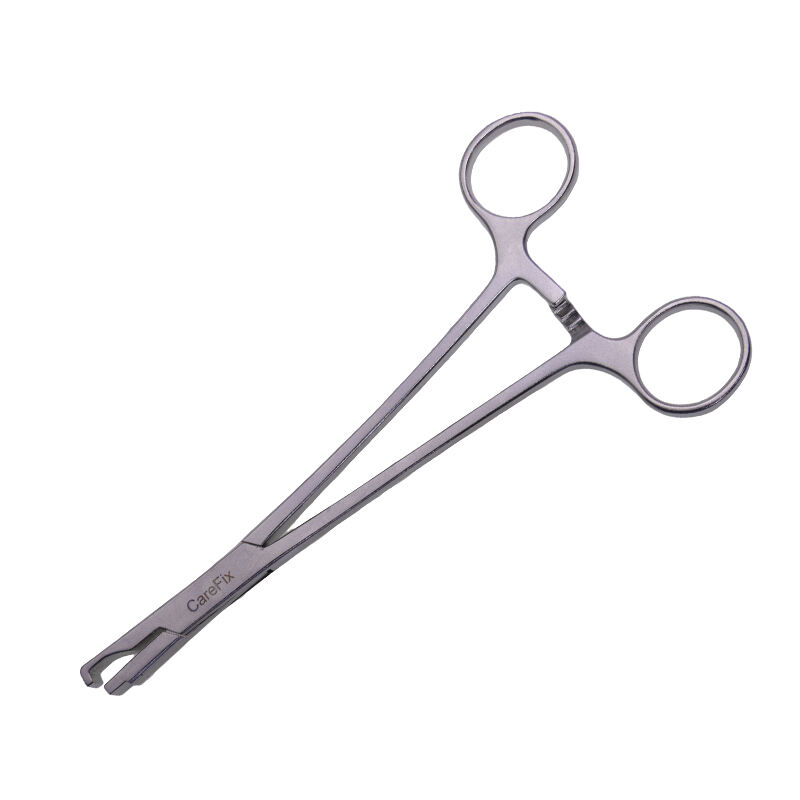
The talonavicular fusion plate comes as part of a comprehensive surgical system that includes specialized instrumentation designed to simplify every step of the implantation procedure. The instrument set features provisional fixation tools, plate holders, and drill guides that work seamlessly with the plate design to ensure accurate positioning and screw placement. Color-coded instruments and clearly marked drill bits reduce the cognitive load on surgical teams, minimizing the risk of technical errors during complex procedures. The system includes templates and guides that help surgeons plan optimal plate placement preoperatively and execute that plan with precision during surgery. This systematic approach is particularly valuable for less experienced surgeons or those performing these procedures less frequently, effectively standardizing the surgical technique and improving consistency of outcomes across different skill levels. The intuitive nature of the instrumentation reduces operating room time, which benefits patients through shorter anesthesia exposure and benefits facilities through improved efficiency and throughput. The talonavicular fusion plate system also includes comprehensive surgical technique guides and case studies that support surgeon education and confidence when tackling challenging midfoot reconstruction cases.
logo