Lateral Malleolus Plate - Orthopedic Solutions

Get a Free Quote

Our representative will contact you soon.
Email
Name
Company Name
Message
0/1000

lateral malleolus plate

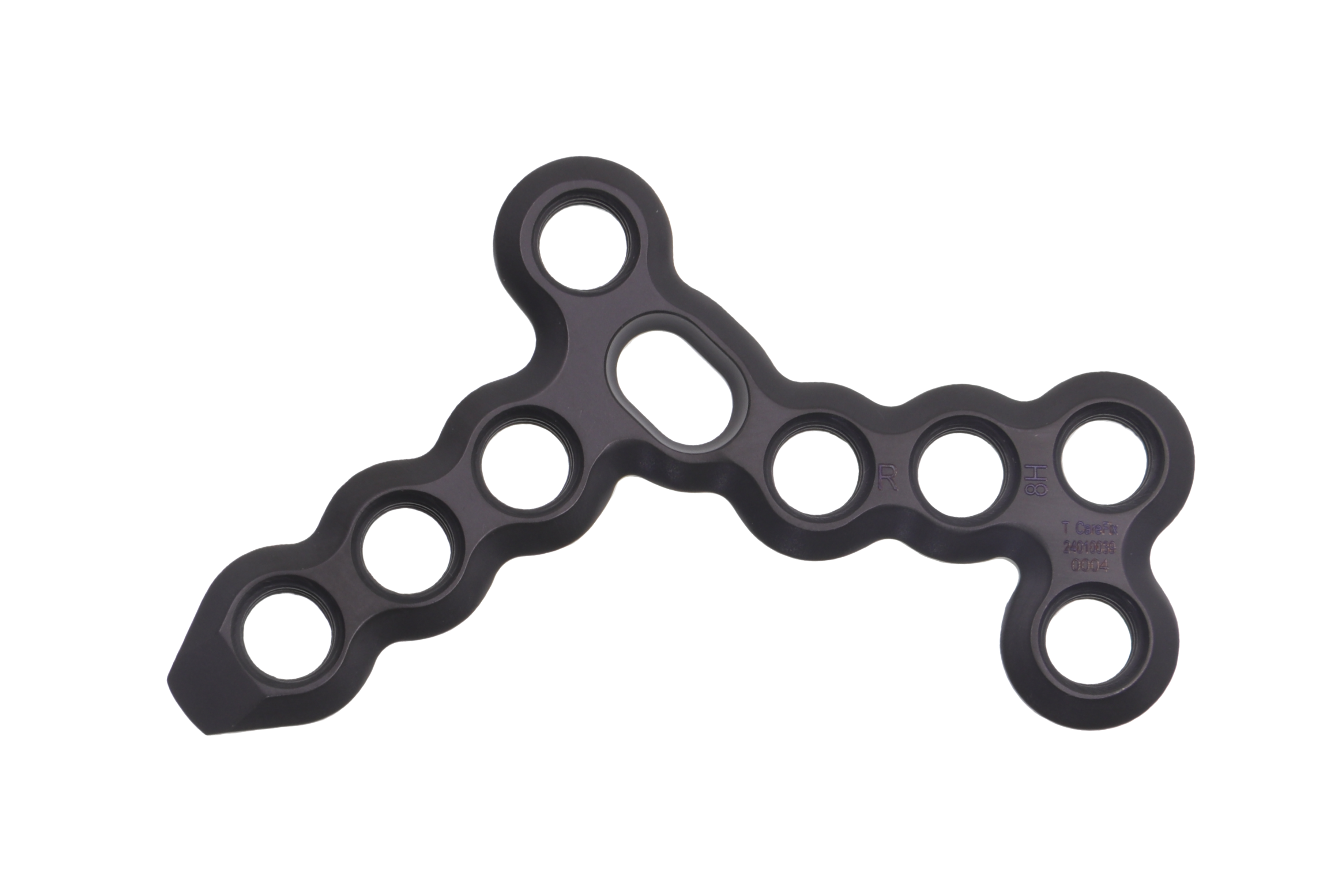
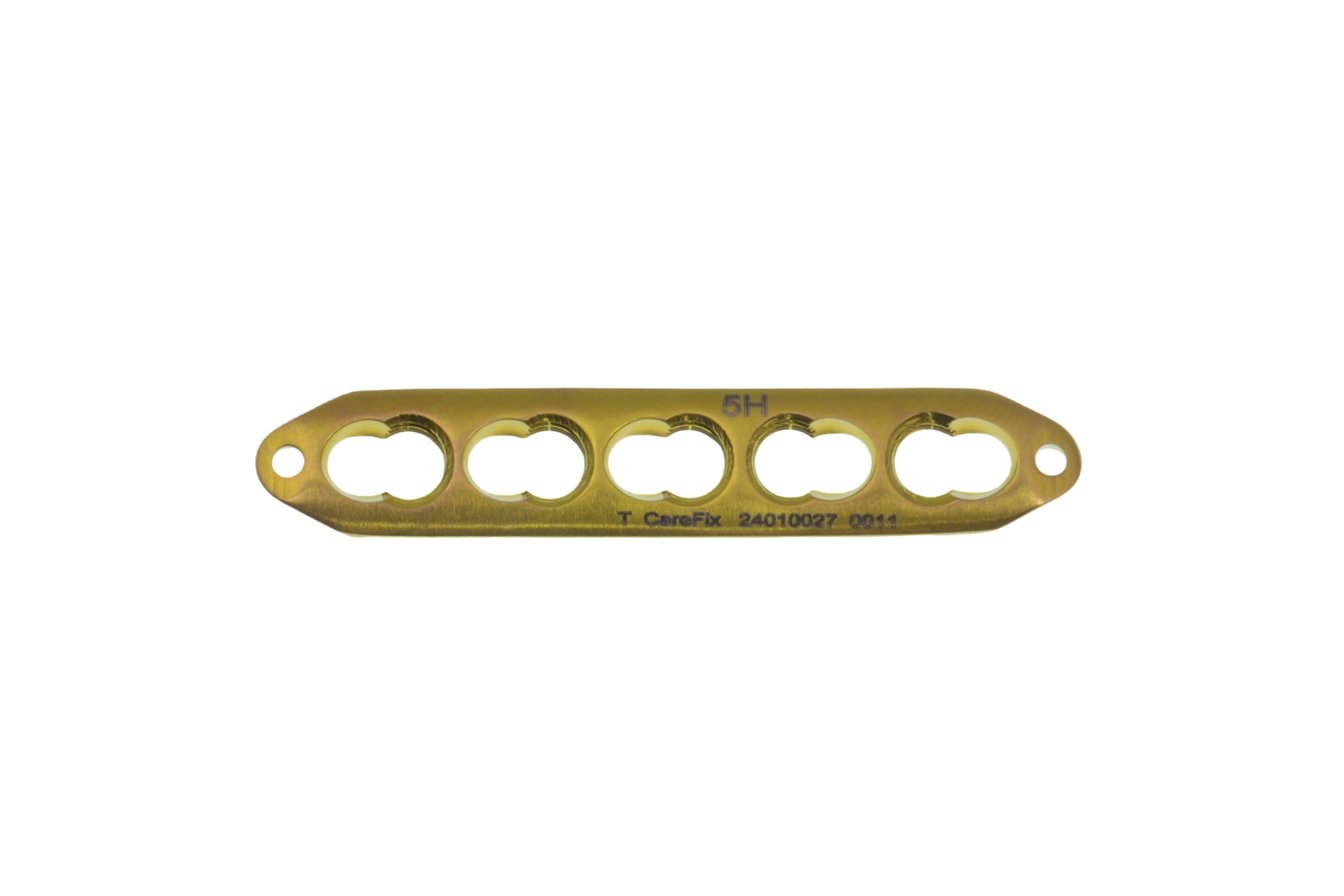
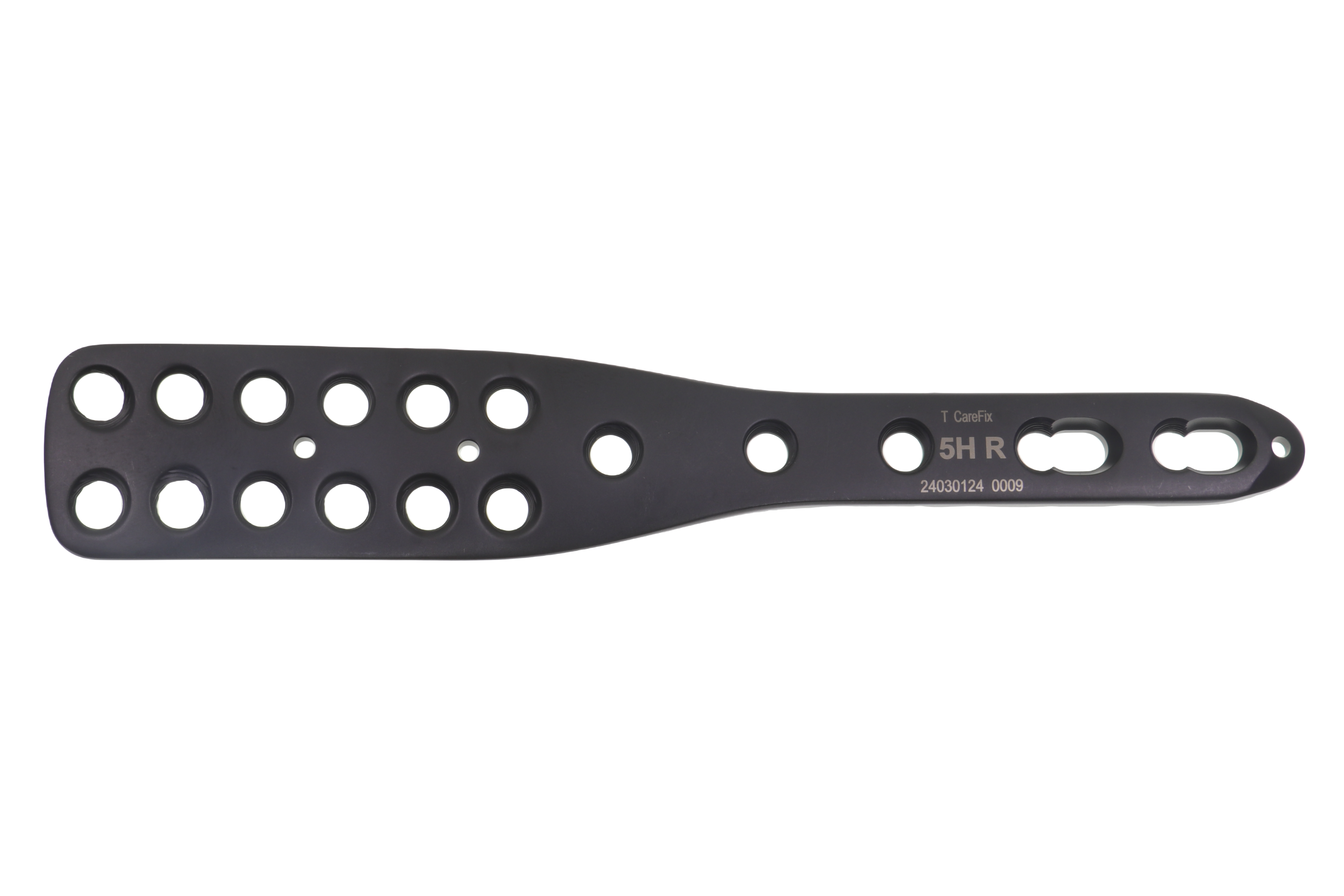
The lateral malleolus plate is a specialized orthopedic implant designed for the surgical fixation of fractures affecting the lateral malleolus, which is the bony prominence on the outer side of the ankle. This medical device plays a critical role in restoring ankle stability and promoting proper bone healing following traumatic injuries. The lateral malleolus plate is engineered with precision to match the unique anatomical contours of the fibula's distal end, ensuring optimal fit and reliable fracture stabilization. Manufactured from biocompatible materials such as titanium or stainless steel, this implant offers excellent strength-to-weight ratios and corrosion resistance. The main functions include maintaining proper fragment alignment during the healing process, providing mechanical support to the fractured bone, and enabling early mobilization for improved patient outcomes. Technological features of the lateral malleolus plate encompass anatomically pre-contoured designs that reduce intraoperative bending time, multiple screw hole options for versatile fixation strategies, and locking screw technology that creates a fixed-angle construct for enhanced stability. The low-profile design minimizes soft tissue irritation and improves patient comfort during recovery. Applications of the lateral malleolus plate extend across various fracture patterns, including simple transverse fractures, oblique fractures, and comminuted fractures of the lateral malleolus. Orthopedic surgeons rely on this device in both emergency trauma situations and elective reconstructive procedures, making it an essential component in modern ankle fracture management protocols.

New Product Releases

The lateral malleolus plate delivers significant practical benefits that directly impact surgical outcomes and patient recovery experiences. First, the anatomical design reduces surgical complexity by eliminating the need for extensive intraoperative plate contouring, which shortens procedure times and minimizes anesthesia exposure for patients. This time efficiency translates into cost savings for healthcare facilities while reducing infection risks associated with prolonged surgical duration. The mechanical stability provided by the lateral malleolus plate enables earlier weight-bearing and mobilization compared to traditional fixation methods, allowing patients to return to daily activities more quickly and reducing the economic burden of extended disability periods. The locking screw mechanism creates angular stability that is particularly valuable in osteoporotic bone, expanding treatment options for elderly patients who might otherwise face limited surgical choices. From an operational perspective, the standardized design simplifies inventory management for hospitals and surgical centers, as a single plate system can address multiple fracture configurations through varied screw placement strategies. The biocompatible materials ensure long-term compatibility within the body, minimizing adverse reactions and reducing the likelihood of implant removal procedures. Application suitability spans diverse patient populations, from young athletes requiring rapid return to sports to older individuals needing reliable fracture stabilization despite compromised bone quality. The lateral malleolus plate supports both open reduction internal fixation approaches and minimally invasive techniques, providing surgeons with procedural flexibility based on individual case requirements. For decision-makers evaluating orthopedic implant options, this device represents a proven solution backed by extensive clinical evidence, offering predictable outcomes that enhance patient satisfaction and support positive healthcare quality metrics. The combination of surgical efficiency, patient comfort, and versatile application makes the lateral malleolus plate an intelligent investment for comprehensive ankle fracture care.

Practical Tips

Understanding Intramedullary Nail Complications

13

Jan

Understanding Intramedullary Nail Complications

Intramedullary nail complications represent a significant concern in orthopedic surgery, affecting patient outcomes and recovery timelines. These complications can arise during insertion, throughout the healing process, or during long-term implant re...
View More
HTO Locking Plate: A Precise and Stable Solution for High Knee Joint Osteotomy

13

Jan

HTO Locking Plate: A Precise and Stable Solution for High Knee Joint Osteotomy

High tibial osteotomy represents one of the most effective surgical interventions for treating knee joint disorders, particularly those involving medial compartment osteoarthritis and varus deformity correction. The success of this procedure largely ...
View More
Cannulated screw system: Technological advancements in the treatment of ankle fractures

06

Mar

Cannulated screw system: Technological advancements in the treatment of ankle fractures

Ankle fractures represent one of the most challenging orthopedic injuries requiring precise surgical intervention and advanced fixation methods. The evolution of fracture treatment has been significantly enhanced by the introduction of modern cannula...
View More
Distal radial volar locking plate: refined design enhances the success rate of fracture fixation

06

Mar

Distal radial volar locking plate: refined design enhances the success rate of fracture fixation

The treatment of distal radius fractures has undergone significant evolution in recent decades, with the distal radial volar locking plate emerging as a cornerstone technology in modern orthopedic practice. These innovative implants represent a parad...
View More

Get a Free Quote

Our representative will contact you soon.
Email
Name
Company Name
Message
0/1000

lateral malleolus plate

Anatomically Optimized Design for Surgical Excellence

Anatomically Optimized Design for Surgical Excellence

The lateral malleolus plate features an anatomically optimized design that precisely mirrors the natural contours of the distal fibula, delivering exceptional surgical performance and patient outcomes. This sophisticated contouring is based on extensive anatomical studies and digital modeling of diverse patient populations, ensuring broad applicability across varying anatomical presentations. The pre-contoured shape significantly reduces intraoperative manipulation requirements, allowing surgeons to achieve optimal plate positioning with minimal adjustment. This design advantage directly translates into shorter surgical times, reduced tissue trauma, and decreased perioperative complications. The low-profile construction minimizes the implant's footprint against surrounding soft tissues, substantially reducing post-operative discomfort and the likelihood of hardware prominence that might necessitate secondary removal procedures. The strategic placement of screw holes accommodates multiple fixation strategies, enabling surgeons to customize their approach based on specific fracture patterns and bone quality. This anatomical precision ensures intimate bone-plate contact that promotes uniform load distribution across the fracture site, creating an optimal mechanical environment for bone healing. The thoughtful engineering behind the lateral malleolus plate represents a commitment to surgical excellence that benefits both operating room efficiency and patient recovery experiences.
Advanced Locking Technology for Superior Stability

Advanced Locking Technology for Superior Stability

The lateral malleolus plate incorporates advanced locking screw technology that fundamentally enhances fracture stabilization through fixed-angle construct principles. Unlike conventional plating systems that rely solely on friction between the plate and bone, locking screws thread directly into the plate holes, creating a unified implant-screw construct that functions as an internal fixator. This mechanical advantage provides angular stability that is particularly crucial when treating fractures in osteoporotic or compromised bone, where traditional compression techniques may fail due to inadequate bone purchase. The locking mechanism distributes forces more evenly across the entire construct rather than concentrating stress at individual screw sites, reducing the risk of screw loosening or pull-out during the critical healing phase. This superior stability enables earlier weight-bearing protocols that accelerate functional recovery and reduce complications associated with prolonged immobilization, such as muscle atrophy and joint stiffness. The lateral malleolus plate system typically offers combination hole designs that accept both locking and non-locking screws, providing surgeons with tactical flexibility to employ compression techniques where beneficial while maintaining the security of locked fixation. This technological sophistication ensures that the lateral malleolus plate remains effective across the full spectrum of fracture complexities and patient bone quality variations, making it a reliable choice for demanding clinical scenarios.
Biocompatible Materials for Long-Term Performance

Biocompatible Materials for Long-Term Performance

The lateral malleolus plate is manufactured from premium biocompatible materials, typically medical-grade titanium alloys or stainless steel, selected specifically for their exceptional performance characteristics in orthopedic applications. Titanium alloys offer an outstanding strength-to-weight ratio that provides robust mechanical support while minimizing the overall mass of the implant, reducing the burden on healing tissues. The inherent corrosion resistance of these materials ensures long-term structural integrity within the physiological environment, eliminating concerns about implant degradation that could compromise fixation stability or release harmful byproducts. The biocompatibility of these carefully selected materials minimizes inflammatory responses and promotes osseointegration, where bone tissue grows in close apposition to the implant surface, creating a biological bond that enhances overall construct stability. For patients requiring magnetic resonance imaging during follow-up care, titanium alloys offer MRI compatibility that facilitates comprehensive diagnostic evaluation without image artifacts that would obscure critical anatomical details. The surface treatments applied to the lateral malleolus plate further enhance biocompatibility while providing optimal handling characteristics during surgical insertion. These material properties contribute to lower rates of hardware-related complications, reduced need for implant removal procedures, and improved long-term patient satisfaction, representing a significant quality-of-life consideration for individuals recovering from ankle fractures.
logo