EN
EN

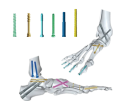
Ankle fractures represent one of the most challenging orthopedic injuries requiring precise surgical intervention and advanced fixation methods. The evolution of fracture treatment has been significantly enhanced by the introduction of modern cannulated screw systems that provide superior stability and improved patient outcomes. These innovative surgical solutions have transformed the landscape of orthopedic surgery, offering surgeons enhanced precision and reliability in complex ankle reconstruction procedures. The development of sophisticated fixation technologies has revolutionized how medical professionals approach fracture repair, making previously difficult procedures more predictable and successful.
Understanding Cannulated Screw Technology
Design Principles and Engineering Excellence
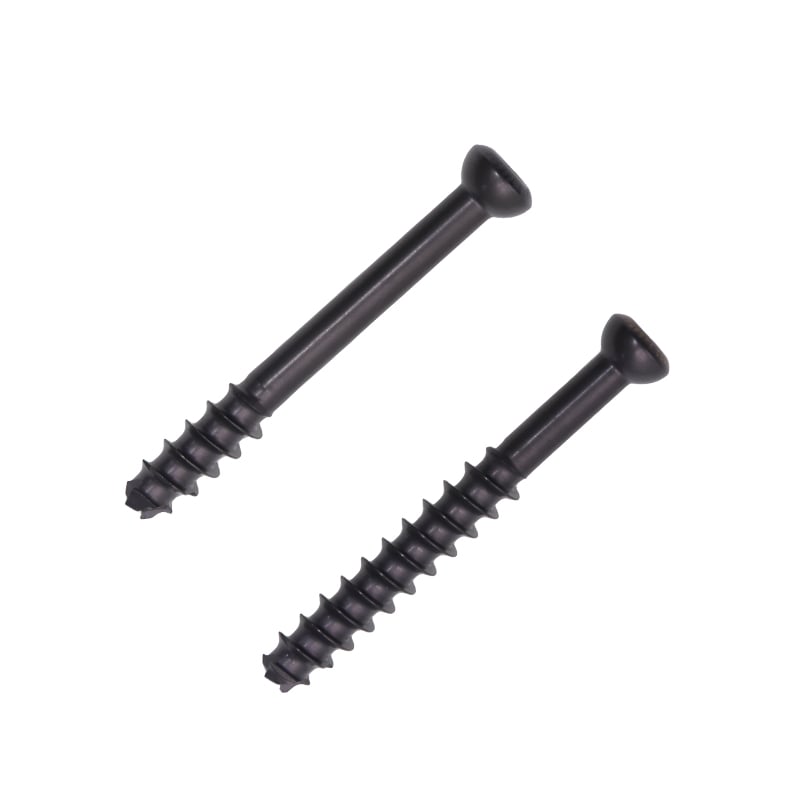
The fundamental design of a cannulated screw system incorporates a hollow central channel that allows for precise guidewire placement and controlled insertion. This engineering innovation enables surgeons to achieve optimal positioning through minimally invasive techniques while maintaining exceptional mechanical strength. The hollow core design facilitates real-time imaging during insertion, ensuring accurate placement and reducing the risk of malposition. Modern manufacturing processes utilize advanced materials and precision machining to create screws that deliver consistent performance across diverse clinical applications.
Contemporary cannulated screw systems feature sophisticated thread patterns and tip geometries designed to maximize purchase in both cortical and cancellous bone. The self-drilling capabilities eliminate the need for pre-drilling in many applications, reducing surgical time and minimizing tissue trauma. Advanced surface treatments and coatings enhance biocompatibility while promoting osseointegration for long-term stability. These technological improvements have established cannulated screws as the gold standard for many orthopedic fixation procedures.
Material Science and Bioengineering Innovations
The selection of appropriate materials for cannulated screw system construction involves careful consideration of mechanical properties, biocompatibility, and long-term performance characteristics. Titanium alloys have emerged as the preferred material due to their excellent strength-to-weight ratio, corrosion resistance, and proven biocompatibility in orthopedic applications. The modulus of elasticity closely matches that of natural bone, reducing stress shielding effects and promoting healthy bone remodeling around the implant.
Surface modification technologies have further enhanced the performance of cannulated screws through specialized coatings and treatments that promote bone ingrowth and reduce the risk of infection. Hydroxyapatite coatings and other bioactive surfaces encourage rapid osseointegration, while antimicrobial treatments help prevent post-operative complications. These material science advances have significantly improved the long-term success rates of orthopedic procedures utilizing cannulated screw fixation methods.
Clinical Applications in Ankle Fracture Treatment
Malleolar Fracture Repair Techniques
Ankle fractures involving the medial and lateral malleoli require precise reduction and stable fixation to restore joint mechanics and prevent long-term complications. The cannulated screw system provides an ideal solution for these complex injuries by allowing surgeons to achieve accurate fragment positioning through percutaneous or open techniques. The ability to insert screws over guidewires ensures optimal trajectory and placement, particularly in cases where anatomical landmarks may be obscured by swelling or deformity.
Lateral malleolar fractures benefit significantly from cannulated screw system fixation, especially in oblique or spiral fracture patterns where traditional plating may be challenging. The precise control offered by guidewire placement allows for compression across fracture lines while maintaining proper fragment alignment. This technique is particularly valuable in elderly patients with osteoporotic bone where achieving adequate purchase with conventional screws may be difficult.
Syndesmotic Injury Management
Syndesmotic injuries, commonly associated with ankle fractures, require careful attention to restore the normal relationship between the tibia and fibula. Cannulated screw systems have proven highly effective in maintaining syndesmotic reduction while allowing for controlled compression across the joint. The hollow design permits the use of specialized instruments for precise tensioning and compression, ensuring optimal joint mechanics restoration.
The versatility of cannulated screw systems in syndesmotic repair extends to both temporary and permanent fixation options. Surgeons can utilize these implants for initial stabilization during healing, with the option for later removal if desired. The predictable insertion technique and excellent holding power make cannulated screws an ideal choice for managing complex syndesmotic disruptions that require precise anatomical restoration.
Surgical Technique Optimization
Preoperative Planning and Imaging Protocols
Successful implementation of cannulated screw system technology begins with comprehensive preoperative planning that incorporates advanced imaging modalities and surgical simulation tools. Three-dimensional CT reconstruction provides detailed visualization of fracture patterns and helps surgeons determine optimal screw placement trajectories. This planning phase is crucial for identifying potential complications and developing contingency strategies for complex cases.
Intraoperative imaging protocols have been refined to maximize the benefits of cannulated screw technology while minimizing radiation exposure to patients and surgical staff. Fluoroscopic guidance enables real-time visualization of guidewire placement and screw insertion, ensuring accurate positioning and adequate compression across fracture sites. Modern imaging systems provide enhanced resolution and reduced radiation doses, making frequent intraoperative checks both safe and practical.
Minimally Invasive Surgical Approaches
The design characteristics of cannulated screw systems have facilitated the development of minimally invasive surgical techniques that reduce tissue trauma and accelerate patient recovery. Percutaneous insertion methods utilize small incisions and specialized instruments to achieve precise screw placement with minimal soft tissue disruption. These approaches are particularly beneficial in elderly patients or those with significant medical comorbidities where extensive surgical exposure may increase complication risks.
Advanced arthroscopic techniques have been integrated with cannulated screw system placement to address intra-articular fracture components while maintaining the benefits of minimally invasive fixation. This combination approach allows surgeons to restore articular congruity under direct visualization while utilizing the precision and reliability of cannulated screw fixation for overall fracture stabilization. The result is improved patient outcomes with reduced morbidity and faster return to normal activities.
Biomechanical Advantages and Performance Characteristics
Load Distribution and Mechanical Properties
The biomechanical performance of cannulated screw systems has been extensively studied through both laboratory testing and clinical evaluation, demonstrating superior characteristics compared to traditional solid screws in many applications. The hollow design does not significantly compromise mechanical strength while providing the substantial benefits of guidewire insertion and controlled placement. Finite element analysis has confirmed that properly designed cannulated screws maintain excellent load-bearing capacity across a wide range of loading conditions.
Fatigue testing protocols have validated the long-term durability of modern cannulated screw systems under physiological loading conditions. The distribution of stress throughout the screw structure has been optimized through advanced engineering design, ensuring reliable performance throughout the healing process. These mechanical advantages translate directly into improved clinical outcomes and reduced failure rates in orthopedic applications.
Compression Dynamics and Fracture Healing
The ability of cannulated screw systems to provide controlled compression across fracture sites represents a significant advantage in promoting rapid and reliable bone healing. The hollow design facilitates the use of specialized instruments that can measure and control compression forces during insertion, ensuring optimal conditions for fracture union. This precision in compression application is particularly valuable in osteoporotic bone where excessive forces may cause fragmentation.
Research has demonstrated that appropriate compression provided by cannulated screw systems stimulates beneficial cellular responses that accelerate bone healing. The mechanical environment created by proper screw fixation promotes the formation of callus and eventual remodeling into mature bone tissue. This biological response is enhanced by the stable mechanical environment provided by well-designed cannulated screw fixation systems.
Contemporary Innovations and Future Developments
Smart Implant Technologies
The integration of smart technologies into cannulated screw systems represents the next frontier in orthopedic implant development. Embedded sensors within the screw structure can provide real-time feedback on loading conditions, healing progress, and potential complications. These intelligent implants offer the possibility of remote monitoring and early intervention when issues arise during the recovery period.
Biodegradable cannulated screw systems are under development to address situations where permanent implants may not be desirable. These innovative materials maintain the mechanical properties required for fracture healing while gradually dissolving as natural bone strength returns. The elimination of secondary removal procedures represents a significant advancement in patient care and healthcare economics.
Personalized Medicine Applications
The future of cannulated screw system technology lies in personalized medicine approaches that tailor implant design to individual patient characteristics. Advanced manufacturing techniques enable the production of custom implants based on patient-specific imaging and biomechanical analysis. This personalization ensures optimal fit and performance while minimizing the risk of complications associated with standard sizing limitations.
Three-dimensional printing technologies are revolutionizing the production of cannulated screw systems by enabling complex geometries and internal structures previously impossible with traditional manufacturing methods. These capabilities open new possibilities for implant design optimization and the integration of multiple functions within a single device. The combination of advanced materials science and additive manufacturing promises to deliver unprecedented performance in orthopedic fixation applications.
Clinical Outcomes and Evidence-Based Results
Long-Term Success Rates and Patient Satisfaction
Clinical studies evaluating cannulated screw system performance in ankle fracture treatment have consistently demonstrated high success rates and excellent patient satisfaction scores. Long-term follow-up data shows union rates exceeding ninety-five percent in most patient populations, with minimal complications related to implant failure or loosening. These outcomes reflect the superior mechanical properties and biocompatibility of modern cannulated screw designs.
Patient-reported outcome measures consistently show improved functional scores and quality of life indices following cannulated screw system fixation compared to alternative treatment methods. The ability to return to pre-injury activity levels is significantly enhanced by the stable fixation and predictable healing provided by these advanced implant systems. Reduced pain scores and improved mobility contribute to higher overall patient satisfaction with the surgical experience.
Complication Rates and Risk Mitigation
Comprehensive analysis of complications associated with cannulated screw system use in ankle fracture treatment reveals significantly lower rates of adverse events compared to traditional fixation methods. The precision of placement and controlled insertion characteristics reduce the risk of neurovascular injury and malposition. Infection rates are minimized through reduced surgical exposure and faster healing times associated with stable fixation.
Risk mitigation strategies have been developed based on extensive clinical experience with cannulated screw systems, providing surgeons with evidence-based protocols for avoiding potential complications. Proper patient selection, meticulous surgical technique, and appropriate post-operative management contribute to the excellent safety profile of these implant systems. Continuous improvement in design and surgical methods further reduces the already low complication rates.
FAQ
What makes cannulated screws superior to solid screws for ankle fracture fixation
Cannulated screw systems offer several distinct advantages over solid screws, including precise guidewire placement for accurate positioning, ability to achieve controlled compression, and facilitation of minimally invasive surgical techniques. The hollow design allows real-time imaging verification of placement while maintaining excellent mechanical strength. These features result in more predictable outcomes and reduced surgical complications compared to traditional solid screw fixation methods.
How do cannulated screws promote faster healing in ankle fractures
The controlled compression provided by cannulated screw systems creates an optimal mechanical environment for bone healing by promoting cellular activity and callus formation. The stable fixation reduces micro-motion at the fracture site, which is essential for proper bone union. Additionally, the minimally invasive insertion technique preserves blood supply to the fracture area, further enhancing the healing process and reducing recovery time.
Are there any limitations or contraindications for cannulated screw use
While cannulated screw systems are highly versatile, certain conditions may limit their use, including severe osteoporosis where adequate bone purchase may be challenging, active infection at the surgical site, or patient allergies to implant materials. Fracture patterns with extensive comminution may require additional fixation methods beyond cannulated screws alone. Proper patient evaluation and surgical planning help identify cases where alternative or supplementary fixation methods may be more appropriate.
What is the expected lifespan of cannulated screws in ankle fracture treatment
Modern cannulated screw systems are designed for long-term implantation with excellent durability characteristics that typically exceed patient lifespan requirements. The titanium alloy construction provides superior corrosion resistance and fatigue strength under physiological loading conditions. While removal is possible if desired, most cannulated screws remain permanently implanted without causing problems, with clinical studies showing excellent performance over decades of follow-up.