EN
EN

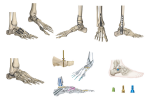
Complex ankle fractures represent one of the most challenging orthopedic injuries, requiring precise surgical intervention and advanced fixation techniques to restore optimal function and stability. The ankle locking plate has emerged as a revolutionary solution in modern orthopedic surgery, offering superior biomechanical advantages over traditional fixation methods. This innovative technology provides enhanced stability, reduced complications, and improved patient outcomes in cases involving complex fracture patterns, osteoporotic bone, and challenging anatomical variations. Understanding the comprehensive benefits and clinical applications of ankle locking plate systems is essential for orthopedic surgeons seeking to optimize treatment protocols and achieve exceptional surgical results.
Biomechanical Advantages of Ankle Locking Plate Technology
Enhanced Stability Through Fixed-Angle Construct
The ankle locking plate system creates a fixed-angle construct that provides superior mechanical stability compared to conventional plating techniques. This innovative design eliminates the risk of screw toggle and maintains consistent compression across fracture sites throughout the healing process. The locked interface between screws and plate creates a unified construct that effectively distributes loads across the entire implant system, reducing stress concentration points and minimizing the risk of hardware failure. Clinical studies demonstrate that ankle locking plate configurations maintain fracture reduction more effectively than traditional dynamic compression plates, particularly in osteoporotic bone where screw purchase may be compromised.
The biomechanical superiority of ankle locking plate systems becomes particularly evident in complex fracture patterns involving multiple fragments or comminuted zones. The ability to create stable fixation without relying solely on bone-screw interface friction allows surgeons to achieve reliable fixation even in challenging bone quality conditions. This technology enables the maintenance of anatomical alignment while providing the mechanical environment necessary for optimal bone healing and remodeling processes.
Superior Load Distribution Characteristics
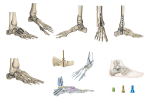
Modern ankle locking plate designs incorporate advanced engineering principles to optimize load distribution across the ankle joint complex. The strategic placement of locking screws creates multiple points of stable fixation that work synergistically to resist the complex forces encountered during weight-bearing activities. This distributed loading pattern significantly reduces the risk of implant loosening or failure compared to traditional fixation methods that rely on fewer, more concentrated load-bearing points.
The ankle locking plate system's ability to maintain consistent load transfer throughout the healing process contributes to improved bone remodeling and faster return to functional activities. Research indicates that patients treated with locking plate technology demonstrate accelerated bone healing times and reduced complications related to hardware failure or loss of reduction during the critical early healing phases.
Clinical Applications and Indications
Complex Fracture Pattern Management
The ankle locking plate proves invaluable in managing complex fracture patterns that challenge conventional fixation approaches. Trimalleolar fractures, pilon fractures, and cases involving significant bone loss benefit tremendously from the enhanced stability and versatility offered by locking plate technology. The system's ability to accommodate multiple screw trajectories and angles allows surgeons to customize fixation strategies based on individual fracture characteristics and patient anatomy.
In cases involving articular surface reconstruction, the ankle locking plate provides stable fixation that maintains reduction while allowing for early mobilization protocols. This capability is particularly crucial for preserving joint function and preventing the development of post-traumatic arthritis, which represents a significant long-term complication in ankle fracture management. The precision and reliability of locking plate fixation enable surgeons to achieve anatomical reduction with confidence in the stability of the construct.
Osteoporotic Bone Considerations
Elderly patients with osteoporotic bone present unique challenges in ankle fracture management, where traditional fixation methods often fail due to poor bone quality and reduced screw purchase. The ankle locking plate addresses these challenges through its fixed-angle design that does not rely on compression for stability. The locked screw-plate interface creates a stable construct even when individual screw purchase is compromised by poor bone quality.
Clinical outcomes in osteoporotic patients treated with ankle locking plate systems demonstrate significantly reduced rates of fixation failure and improved functional recovery compared to conventional techniques. The technology's ability to maintain stable fixation in challenging bone conditions has expanded surgical treatment options for elderly patients who previously may have been considered poor surgical candidates.
Surgical Technique Optimization
Preoperative Planning Considerations
Successful implementation of ankle locking plate technology requires meticulous preoperative planning that incorporates advanced imaging techniques and careful assessment of fracture morphology. Three-dimensional CT reconstruction provides crucial information for selecting appropriate plate size, configuration, and screw placement strategies. The ankle locking plate system's versatility allows for customized approaches that accommodate individual anatomical variations and fracture patterns.
Modern surgical planning software enables surgeons to virtually simulate plate placement and screw trajectories before entering the operating room, optimizing surgical efficiency and reducing operative time. This advanced planning capability contributes to improved surgical outcomes and reduced complications associated with suboptimal implant positioning or inadequate fracture reduction.
Intraoperative Technique Refinements
The surgical technique for ankle locking plate application requires precise understanding of the system's unique characteristics and optimal utilization strategies. Proper plate contouring and positioning are critical factors that influence both immediate stability and long-term outcomes. The ankle locking plate must be carefully shaped to match the anatomical contours of the ankle while maintaining appropriate contact with the bone surface to ensure optimal load transfer.
Screw insertion technique differs significantly from conventional plating methods, requiring attention to proper drilling depths, tap engagement, and torque application to achieve optimal locking mechanism engagement. The sequential insertion of locking screws creates progressive construct stability that must be monitored throughout the procedure to ensure maintenance of fracture reduction and appropriate interfragmentary compression where indicated.
Postoperative Outcomes and Recovery
Enhanced Healing Environment
The ankle locking plate creates an optimal mechanical environment for bone healing by providing stable fixation while minimizing stress shielding effects that can compromise bone remodeling. The system's ability to maintain fracture reduction throughout the healing process reduces the risk of malunion and ensures proper restoration of ankle anatomy and function. Clinical studies demonstrate that patients treated with locking plate technology experience faster bone healing times and reduced complications compared to traditional fixation methods.
The stability provided by ankle locking plate systems enables early mobilization protocols that contribute to improved joint function and reduced complications associated with prolonged immobilization. Patients can typically begin range-of-motion exercises earlier in the recovery process, leading to better functional outcomes and reduced risk of joint stiffness or muscle atrophy.
Long-term Functional Recovery
Long-term follow-up studies of patients treated with ankle locking plate technology reveal superior functional outcomes compared to conventional fixation methods. The enhanced stability and precision of fracture reduction achieved with locking plates contribute to better restoration of ankle joint mechanics and reduced risk of post-traumatic arthritis development. Patients demonstrate improved ankle range of motion, reduced pain levels, and higher satisfaction scores in validated outcome measures.
The durability and reliability of ankle locking plate systems contribute to reduced rates of revision surgery and hardware-related complications over extended follow-up periods. This long-term stability translates to improved quality of life for patients and reduced healthcare costs associated with complications and additional interventions.
Comparative Analysis with Traditional Methods
Mechanical Performance Comparison
Biomechanical testing demonstrates clear superiority of ankle locking plate systems over traditional dynamic compression plates in multiple performance parameters. The fixed-angle construct provides enhanced resistance to cyclic loading, reduced construct fatigue, and improved maintenance of fracture reduction under physiological loading conditions. Laboratory studies show that ankle locking plate configurations can withstand significantly higher loads before failure compared to conventional plating systems.
The ankle locking plate's ability to maintain stable fixation in the presence of bone resorption or osteoporosis represents a significant advancement over traditional methods that rely on friction at the bone-screw interface. This mechanical advantage translates to reduced failure rates and improved clinical outcomes, particularly in challenging patient populations with compromised bone quality.
Clinical Outcome Superiority
Meta-analyses of clinical studies comparing ankle locking plate systems to conventional fixation methods reveal consistent advantages in multiple outcome measures. Patients treated with locking plate technology demonstrate reduced rates of nonunion, malunion, and hardware failure compared to traditional approaches. The enhanced stability and precision achievable with ankle locking plate systems contribute to improved anatomical restoration and functional recovery.
Complication rates associated with ankle locking plate use are significantly lower than those reported with conventional fixation methods, particularly regarding loss of reduction and secondary displacement. The technology's ability to maintain stable fixation throughout the healing process reduces the need for revision procedures and additional interventions, contributing to improved patient satisfaction and reduced healthcare utilization.
FAQ
What makes ankle locking plate technology superior to traditional fixation methods
The ankle locking plate creates a fixed-angle construct that provides superior mechanical stability compared to conventional dynamic compression plates. The locked screw-plate interface eliminates screw toggle and maintains consistent fracture reduction throughout healing. This technology offers enhanced resistance to cyclic loading, improved performance in osteoporotic bone, and reduced risk of hardware failure. Clinical studies consistently demonstrate better functional outcomes, faster healing times, and lower complication rates with ankle locking plate systems compared to traditional fixation methods.
How does the ankle locking plate perform in osteoporotic bone conditions
The ankle locking plate excels in osteoporotic bone because it does not rely on compression or friction at the bone-screw interface for stability. The fixed-angle design creates a stable construct even when individual screw purchase is compromised by poor bone quality. This capability significantly expands treatment options for elderly patients with osteoporosis, who previously had limited surgical options due to high failure rates with conventional fixation methods. Clinical outcomes show dramatically reduced failure rates and improved healing in osteoporotic patients treated with locking plate technology.
What are the key considerations for successful ankle locking plate application
Successful ankle locking plate application requires meticulous preoperative planning using advanced imaging techniques, proper plate contouring to match anatomical contours, and precise screw insertion technique. Surgeons must understand the unique characteristics of locking mechanisms and ensure appropriate drilling depths, tap engagement, and torque application. Proper patient selection, fracture assessment, and postoperative management protocols are essential for optimizing outcomes. The technology requires specific training and experience to achieve optimal results and minimize complications.
Can ankle locking plate systems be used for revision procedures
Yes, ankle locking plate systems are excellent options for revision procedures, particularly when previous fixation has failed due to hardware loosening, nonunion, or malunion. The enhanced stability and versatility of locking plates make them ideal for addressing challenging revision scenarios where bone quality may be compromised or anatomy distorted. The technology's ability to achieve stable fixation in difficult conditions often makes revision surgery possible in cases where other methods would likely fail. However, revision procedures require careful planning and may need additional techniques such as bone grafting or specialized implant configurations.