Lateral Malleolus Fracture Plate Solutions

Get a Free Quote

Our representative will contact you soon.
Email
Name
Company Name
Message
0/1000

lateral malleolus fracture plate

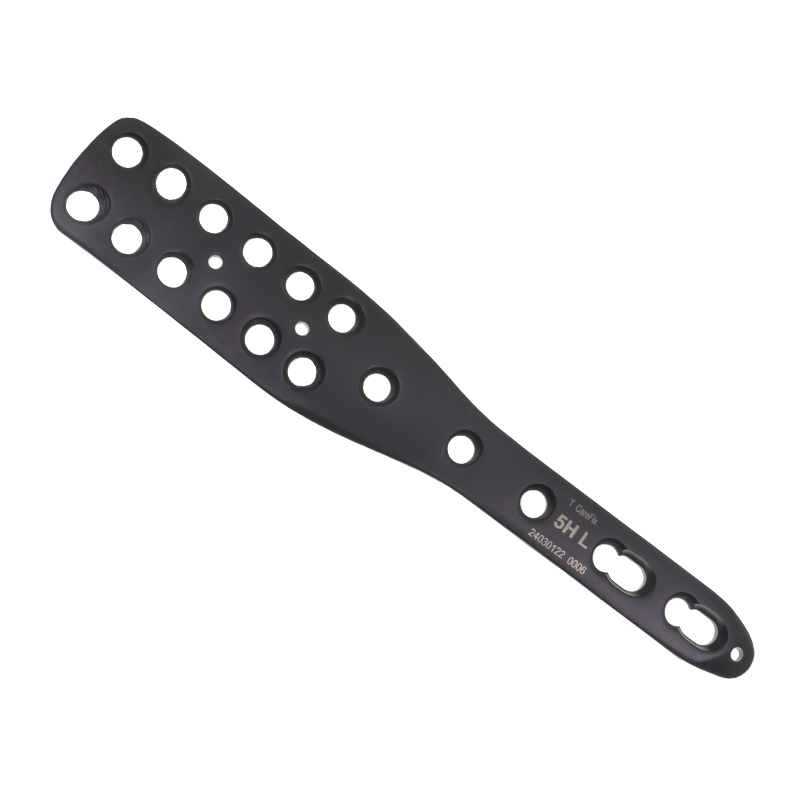
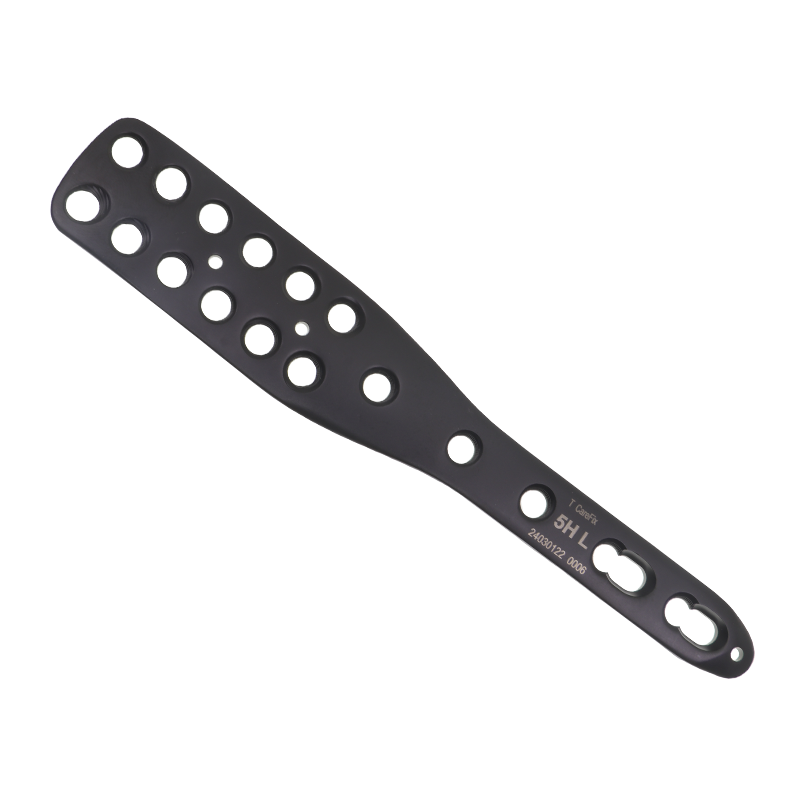
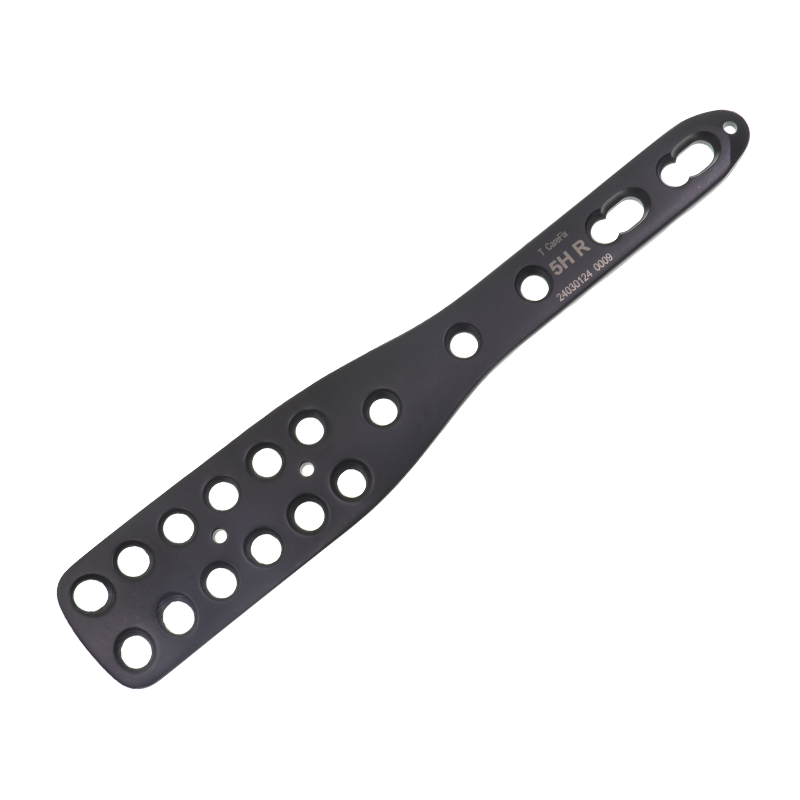
A lateral malleolus fracture plate is a specialized orthopedic implant designed to stabilize and repair fractures of the lateral malleolus, which is the bony prominence on the outer side of the ankle. This medical device plays a crucial role in restoring anatomical alignment and promoting proper healing of ankle fractures. The lateral malleolus fracture plate is engineered with precision to address the unique biomechanical demands of the ankle joint, ensuring patients can return to normal mobility. Manufactured from high-grade materials such as titanium or stainless steel, these plates offer exceptional strength while maintaining biocompatibility. The design incorporates multiple screw holes that allow surgeons to secure the plate firmly to the bone, providing stable fixation during the healing process. Modern lateral malleolus fracture plate systems feature low-profile designs that minimize soft tissue irritation and reduce postoperative discomfort. The plates come in various sizes and configurations to accommodate different fracture patterns and patient anatomies. Technological features include anatomically contoured shapes that match the natural curvature of the lateral malleolus, locking screw technology for enhanced stability, and compression capabilities to promote bone-to-bone contact. These implants are primarily used in surgical treatment of displaced lateral malleolus fractures, bimalleolar fractures, and trimalleolar fractures. The lateral malleolus fracture plate enables early mobilization protocols, which are essential for preventing joint stiffness and maintaining ankle function. Surgeons rely on these devices for both acute fracture management and complex reconstructive procedures involving the ankle.

New Product Recommendations

The lateral malleolus fracture plate offers significant advantages that directly benefit patients and healthcare providers alike. First, these plates provide superior fracture stability compared to alternative fixation methods, allowing bones to heal in proper alignment while reducing the risk of malunion or nonunion. This stability translates to better long-term outcomes and fewer revision surgeries. Patients experience faster recovery times because the secure fixation enables earlier weight-bearing and physical therapy, which prevents muscle atrophy and joint stiffness. The anatomically designed lateral malleolus fracture plate conforms precisely to the bone surface, minimizing gaps between the implant and bone that could compromise healing. This close fit also reduces the prominence of hardware under the skin, leading to improved comfort and cosmetic results. From an operational perspective, surgeons appreciate the straightforward application technique that reduces surgical time and complexity. The standardized screw hole patterns and intuitive instrumentation make the lateral malleolus fracture plate accessible to orthopedic surgeons with varying experience levels. The locking screw technology prevents screw loosening and provides angular stability, which is particularly valuable in patients with osteoporotic bone or comminuted fractures. These plates are suitable for a wide range of applications, from simple isolated lateral malleolus fractures to complex ankle injuries involving multiple fracture lines. The biocompatible materials used in manufacturing ensure excellent tissue tolerance and minimize the risk of allergic reactions or implant rejection. For healthcare facilities, the lateral malleolus fracture plate represents a cost-effective solution that balances quality outcomes with economic considerations. The durability of these implants means they can support the ankle throughout the entire healing process without failure, giving patients confidence in their treatment.

Tips And Tricks

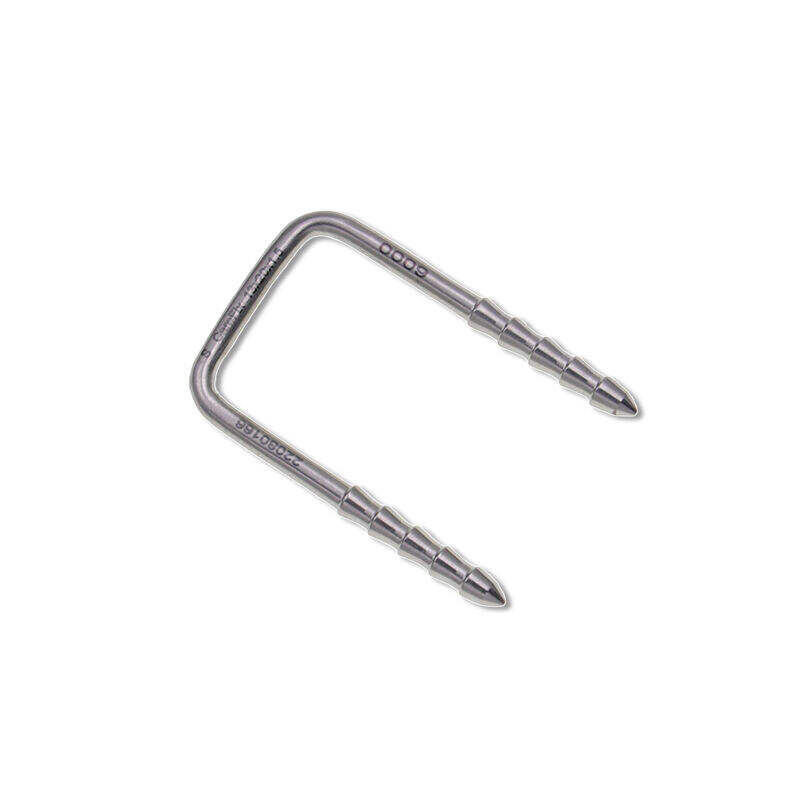
U-shaped nail: technical advantage of ankle surgery

13

Jan

U-shaped nail: technical advantage of ankle surgery

Modern orthopedic surgery has witnessed remarkable advancement in fixation techniques, particularly in the treatment of complex ankle and distal tibial fractures. The distal tibial interlocking intramedullary nail represents a significant breakthroug...
View More
Taylor brace: a new choice for minimally invasive treatment of complex fracture repair

11

Feb

Taylor brace: a new choice for minimally invasive treatment of complex fracture repair

The Taylor brace represents a significant advancement in orthopedic trauma management, offering surgeons and patients a minimally invasive alternative for treating complex fracture repairs. This innovative external fixation system has transformed the...
View More
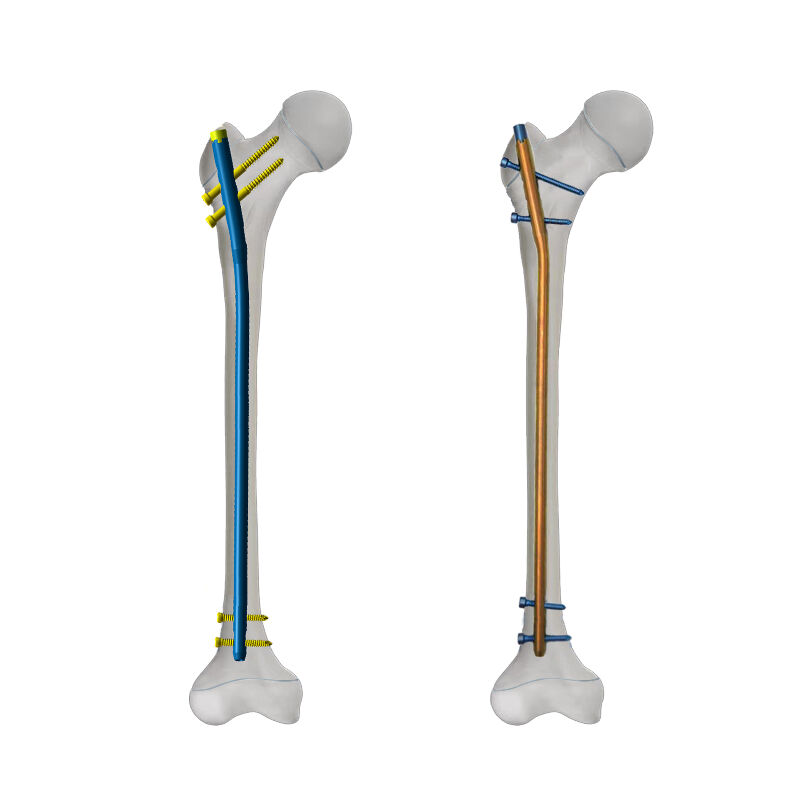
Expanding the Boundaries of IM Nail Technology: Periarticular Fractures and Deformity Correction

06

Mar

Expanding the Boundaries of IM Nail Technology: Periarticular Fractures and Deformity Correction

Modern orthopedic surgery continues to evolve with innovative solutions that address complex fracture patterns and deformity corrections. The telescopic intramedullary nail represents a significant advancement in treating challenging periarticular fr...
View More
Cannulated screw system: Technological advancements in the treatment of ankle fractures

06

Mar

Cannulated screw system: Technological advancements in the treatment of ankle fractures

Ankle fractures represent one of the most challenging orthopedic injuries requiring precise surgical intervention and advanced fixation methods. The evolution of fracture treatment has been significantly enhanced by the introduction of modern cannula...
View More

Get a Free Quote

Our representative will contact you soon.
Email
Name
Company Name
Message
0/1000

lateral malleolus fracture plate

Anatomical Contouring for Optimal Fit

Anatomical Contouring for Optimal Fit

The lateral malleolus fracture plate features anatomically contoured designs that precisely match the natural shape of the lateral malleolus bone. This engineering achievement is based on extensive anatomical studies and advanced manufacturing techniques that replicate the subtle curves and surfaces of the ankle anatomy. The pre-contoured shape eliminates the need for intraoperative bending, which can weaken implants and prolong surgery time. Surgeons can select from multiple plate configurations to match individual patient anatomy, ensuring the best possible fit regardless of bone size or fracture location. This anatomical precision creates intimate bone-plate contact that enhances stability and promotes faster healing. The contoured design also positions screws at optimal angles for maximum purchase in bone, preventing screw pullout and maintaining fracture reduction throughout the healing period. Patients benefit from reduced soft tissue irritation because the low-profile, anatomically shaped lateral malleolus fracture plate sits flush against the bone without creating prominent bumps under the skin. This feature is particularly important in the ankle region where minimal soft tissue coverage makes hardware prominence a common source of discomfort. The thoughtful design reduces the need for hardware removal procedures after fracture healing is complete.
Advanced Locking Technology for Superior Stability

Advanced Locking Technology for Superior Stability

Modern lateral malleolus fracture plate systems incorporate advanced locking screw technology that transforms the plate-screw construct into a fixed-angle device. Unlike traditional compression plates where screws can toggle within holes, locking screws thread directly into the plate, creating a unified construct that functions as an internal fixator. This technology provides angular stability that is especially valuable when treating fractures in osteoporotic bone, where traditional screws might lose purchase and allow fracture displacement. The locking mechanism distributes forces across the entire plate rather than concentrating stress at individual screw holes, reducing the risk of implant failure. Surgeons can combine locking and non-locking screws in the same lateral malleolus fracture plate, allowing for compression of fracture fragments while maintaining overall construct stability. This versatility accommodates various fracture patterns and surgical techniques. The fixed-angle relationship between screws and plate prevents screw loosening during the healing process, maintaining fracture reduction even when patients inadvertently exceed weight-bearing restrictions. For patients, this robust fixation means greater confidence during rehabilitation and lower risk of complications requiring additional surgery. The enhanced stability provided by locking technology enables more aggressive rehabilitation protocols that restore ankle function faster.
Comprehensive Size Range for Patient-Specific Treatment

Comprehensive Size Range for Patient-Specific Treatment

The lateral malleolus fracture plate is available in an extensive range of sizes and configurations to accommodate the diverse anatomy encountered in clinical practice. Manufacturers offer plates in multiple lengths, widths, and hole configurations, ensuring surgeons can select the optimal implant for each specific fracture pattern and patient size. This variety is essential because ankle anatomy varies significantly between individuals based on factors like age, gender, and body habitus. Pediatric patients, for example, require smaller plates designed for developing bone, while larger patients need more robust implants. The comprehensive size range includes specialized designs for distal fractures, proximal fractures, and midshaft fractures of the lateral malleolus. Some systems offer plates with different screw hole densities, allowing surgeons to place more fixation points in comminuted fractures that require extra stability. Left and right specific plates ensure anatomical accuracy regardless of which ankle is injured. This customization capability means that every patient receives treatment tailored to their unique situation rather than a one-size-fits-all approach. Surgeons can achieve optimal fracture fixation without compromising on implant fit or resorting to intraoperative modifications that could weaken the lateral malleolus fracture plate. The availability of multiple options also supports revision procedures where standard anatomy may be altered by previous surgeries or trauma.
logo