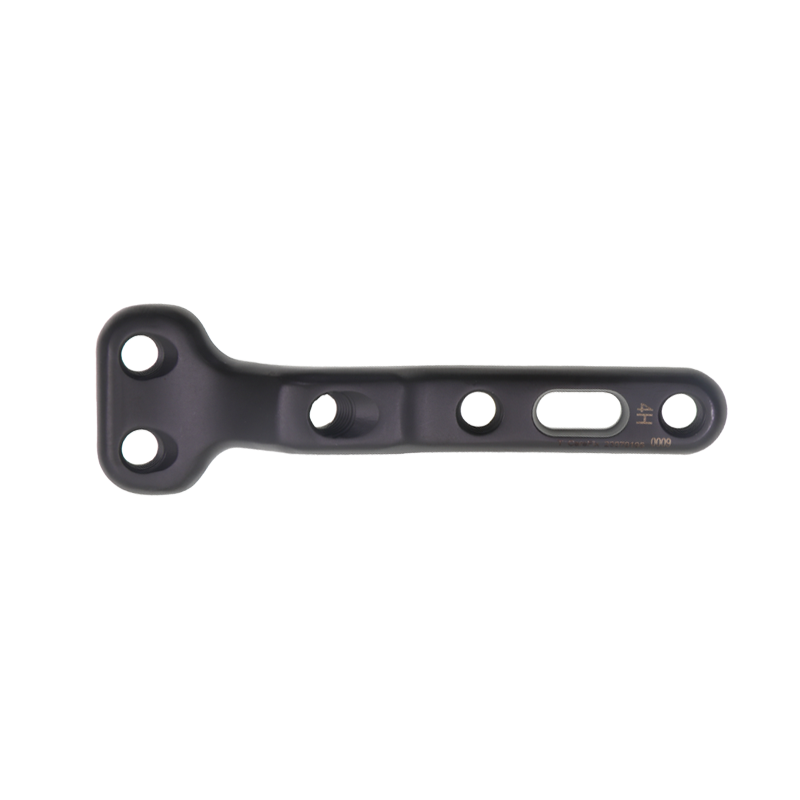
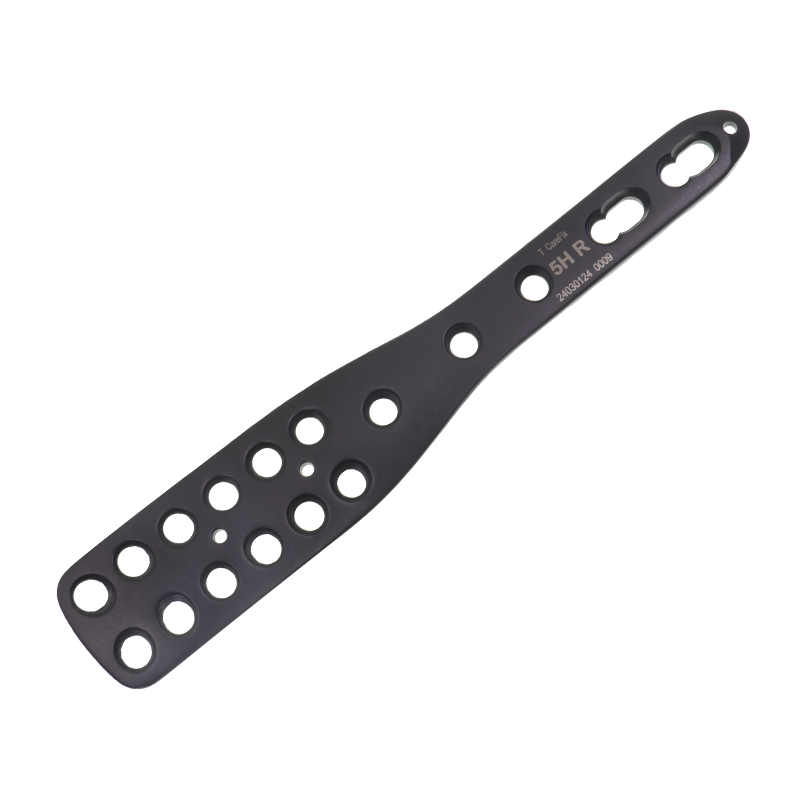
Midfoot Fusion Plate: Advanced Orthopedic Solution

Get a Free Quote

Our representative will contact you soon.
Email
Name
Company Name
Message
0/1000

midfoot fusion plate

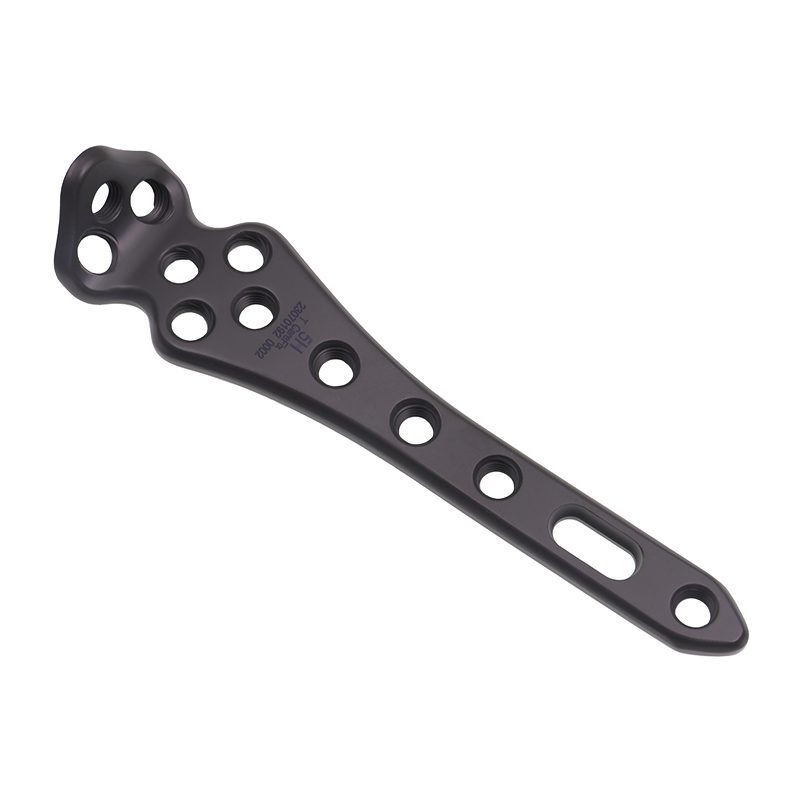
The midfoot fusion plate is a specialized orthopedic implant designed to provide stable fixation for midfoot arthrodesis procedures. This surgical device plays a critical role in treating various midfoot conditions, including arthritis, traumatic injuries, and degenerative joint diseases that affect the middle portion of the foot. The midfoot fusion plate works by securing bones together during the healing process, allowing them to fuse into a single, stable unit. Its main functions include providing compression at the fusion site, maintaining proper alignment of the tarsal bones, and offering structural support during the rehabilitation period. The technological features of a midfoot fusion plate include anatomically contoured designs that match the natural curvature of the midfoot, multiple screw holes for versatile fixation options, and low-profile construction to minimize soft tissue irritation. Many modern plates incorporate locking screw technology, which creates a fixed-angle construct for enhanced stability. The applications of the midfoot fusion plate extend across multiple procedures, including Lisfranc joint fusion, naviculocuneiform arthrodesis, and tarsometatarsal joint stabilization. Surgeons utilize these plates when treating conditions such as Charcot foot deformity, post-traumatic arthritis, and severe flatfoot deformities. The midfoot fusion plate enables patients to return to weight-bearing activities with restored foot function and reduced pain, making it an essential component in reconstructive foot surgery.

New Product Recommendations

The midfoot fusion plate offers substantial practical benefits that directly impact patient outcomes and surgical success. One primary advantage is the superior stability it provides during the critical healing phase, which significantly reduces the risk of nonunion or malunion. This stability allows patients to progress through rehabilitation more predictably, often enabling earlier weight-bearing compared to alternative fixation methods. The anatomical design of the midfoot fusion plate ensures optimal fit and reduces the need for extensive intraoperative contouring, saving valuable surgical time and improving procedural efficiency. For healthcare providers, this translates to shorter operating room times and more streamlined workflows. Patients benefit from the low-profile construction, which minimizes the prominence of hardware under the skin, reducing discomfort and lowering the likelihood of requiring secondary removal surgery. The versatility of the midfoot fusion plate makes it suitable for a wide range of midfoot pathologies, allowing surgeons to address multiple conditions with a single system. This adaptability is particularly valuable in complex reconstructive cases where multiple joints require fusion. The compression capabilities built into many midfoot fusion plate systems promote bone-to-bone contact, which is essential for successful fusion and long-term stability. From a decision-making perspective, choosing a midfoot fusion plate means investing in proven technology that has demonstrated clinical success across diverse patient populations. The operational benefits extend to inventory management, as standardized plate systems reduce the need for extensive implant inventories. Patients experience improved quality of life through restored foot function, enhanced mobility, and significant pain reduction. The midfoot fusion plate represents a reliable solution that balances surgical effectiveness with patient comfort and long-term durability.

Practical Tips

Application of carbon fiber material external fixation bracket in clinical practice

13

Jan

Application of carbon fiber material external fixation bracket in clinical practice

The integration of advanced materials in orthopedic surgery has revolutionized patient care and treatment outcomes. Among these innovations, carbon fiber external fixation systems have emerged as a superior alternative to traditional metal frameworks...
View More
HTO Locking Plate: A Precise and Stable Solution for High Knee Joint Osteotomy

13

Jan

HTO Locking Plate: A Precise and Stable Solution for High Knee Joint Osteotomy

High tibial osteotomy represents one of the most effective surgical interventions for treating knee joint disorders, particularly those involving medial compartment osteoarthritis and varus deformity correction. The success of this procedure largely ...
View More
Taylor brace: a new choice for minimally invasive treatment of complex fracture repair

11

Feb

Taylor brace: a new choice for minimally invasive treatment of complex fracture repair

The Taylor brace represents a significant advancement in orthopedic trauma management, offering surgeons and patients a minimally invasive alternative for treating complex fracture repairs. This innovative external fixation system has transformed the...
View More
Expanding the Boundaries of IM Nail Technology: Periarticular Fractures and Deformity Correction

06

Mar

Expanding the Boundaries of IM Nail Technology: Periarticular Fractures and Deformity Correction

Modern orthopedic surgery continues to evolve with innovative solutions that address complex fracture patterns and deformity corrections. The telescopic intramedullary nail represents a significant advancement in treating challenging periarticular fr...
View More

Get a Free Quote

Our representative will contact you soon.
Email
Name
Company Name
Message
0/1000

midfoot fusion plate

Anatomically Contoured Design for Optimal Fit

Anatomically Contoured Design for Optimal Fit

The midfoot fusion plate features a precisely engineered anatomical contour that mirrors the natural architecture of the midfoot region. This sophisticated design eliminates the need for extensive intraoperative bending and shaping, which can compromise implant strength and increase surgical time. The pre-contoured shape ensures intimate contact with bone surfaces, maximizing stability and promoting consistent compression across the fusion site. Surgeons appreciate how this anatomical design simplifies plate placement and reduces technical challenges during complex reconstructive procedures. The contoured profile also minimizes soft tissue irritation by maintaining a low profile against the bone, which is particularly important in the midfoot where soft tissue coverage can be limited. Patients benefit from reduced postoperative discomfort and fewer complications related to prominent hardware. The anatomical design of the midfoot fusion plate accommodates natural variations in foot anatomy while providing reliable fixation across different patient populations. This feature represents a significant advancement over generic flat plates that require substantial modification, offering both surgical efficiency and improved clinical outcomes.
Advanced Locking Screw Technology for Enhanced Stability

Advanced Locking Screw Technology for Enhanced Stability

Modern midfoot fusion plate systems incorporate advanced locking screw technology that creates a fixed-angle construct, fundamentally enhancing the stability of the fixation. This technology works by threading screws directly into the plate, creating a unified structure where the screws cannot toggle or loosen over time. The fixed-angle relationship between the midfoot fusion plate and the locking screws provides superior resistance to both axial and rotational forces, which are common during the weight-bearing rehabilitation phase. This enhanced stability is particularly crucial in patients with compromised bone quality, such as those with osteoporosis or metabolic conditions, where traditional screw fixation might fail. The locking mechanism distributes forces more evenly across the entire construct rather than concentrating stress at individual screw holes, reducing the risk of screw pullout or plate failure. Surgeons gain confidence in allowing earlier weight-bearing protocols, knowing the locking technology provides robust fixation. Patients experience more predictable healing outcomes with reduced risk of hardware failure or loss of correction. The locking screw technology in the midfoot fusion plate represents a significant advancement that addresses the biomechanical demands of midfoot fusion procedures.
Versatile Fixation Options for Complex Cases

Versatile Fixation Options for Complex Cases

The midfoot fusion plate offers exceptional versatility through multiple screw holes and varied plate configurations, enabling surgeons to address diverse anatomical challenges and pathological conditions. This adaptability is essential when treating complex midfoot deformities that involve multiple joints or require simultaneous correction in several planes. The strategic placement of screw holes allows surgeons to customize fixation based on bone quality, fracture patterns, and specific fusion requirements. Some midfoot fusion plate systems include combination holes that accept both locking and non-locking screws, providing maximum flexibility in surgical strategy. This versatility extends to addressing revision cases where previous hardware or bone defects require creative fixation solutions. Surgeons can select from different plate lengths and widths to match patient anatomy and specific surgical indications, ensuring optimal coverage and support. The ability to use the midfoot fusion plate in various procedures, from isolated single-joint fusions to complex multi-joint reconstructions, makes it a cost-effective solution for healthcare facilities. Patients benefit from personalized surgical approaches that address their unique conditions rather than being limited by implant constraints. This versatility ensures the midfoot fusion plate remains applicable across a broad spectrum of clinical scenarios.
logo