EN
EN

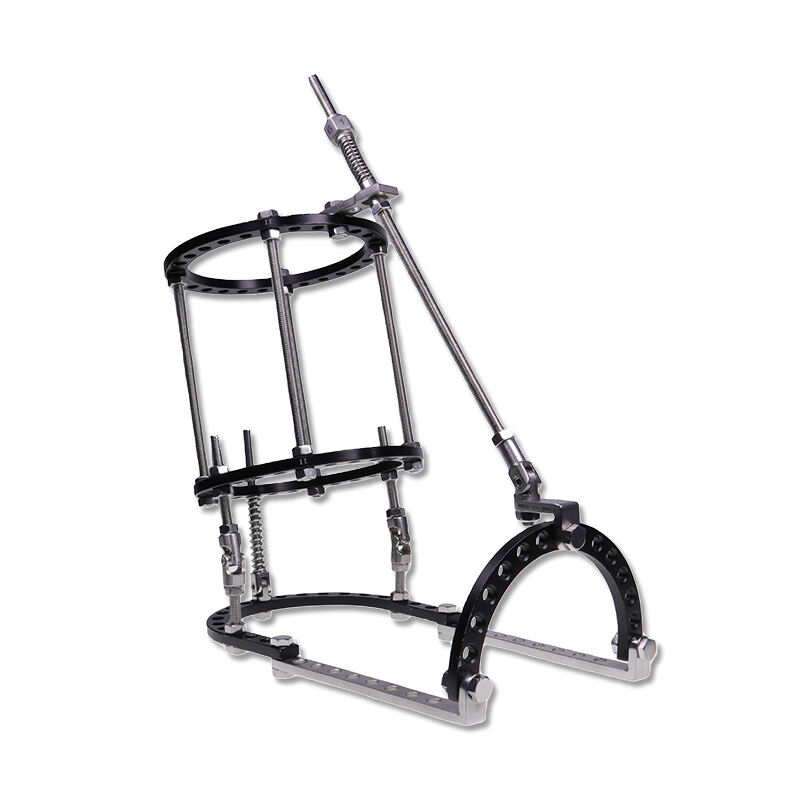
The integration of advanced materials in orthopedic surgery has revolutionized patient care and treatment outcomes. Among these innovations, carbon fiber external fixation systems have emerged as a superior alternative to traditional metal frameworks. These lightweight yet incredibly strong materials offer unique advantages in clinical applications, particularly for complex fracture stabilization and limb reconstruction procedures. The biocompatible nature of carbon fiber external fixation devices makes them ideal for extended treatment periods, while their radiolucent properties allow for superior imaging and monitoring throughout the healing process.
Material Properties and Clinical Advantages
Superior Strength-to-Weight Ratio
Carbon fiber external fixation systems demonstrate exceptional mechanical properties that directly translate to improved patient outcomes. The material's strength-to-weight ratio exceeds that of titanium and stainless steel by significant margins, allowing for robust stabilization without the burden of excessive weight. This characteristic proves particularly beneficial for pediatric patients and elderly individuals who may struggle with heavy traditional external fixators. Clinical studies have shown that patients experience reduced fatigue and improved mobility when treated with carbon fiber external fixation devices compared to conventional metal alternatives.
The lightweight nature of carbon fiber components enables surgeons to construct more complex fixation configurations without compromising patient comfort. Multi-plane corrections and gradual deformity corrections become more feasible when the overall system weight remains manageable. Additionally, the reduced mass of carbon fiber external fixation systems decreases the risk of pin site complications that often occur due to mechanical stress from heavy fixators.
Radiolucent Properties for Enhanced Imaging
One of the most significant clinical advantages of carbon fiber external fixation lies in its radiolucent characteristics. Unlike metal fixators that create artifacts and obscure anatomical details in radiographic images, carbon fiber allows for clear visualization of bone healing progression. This transparency to X-rays enables surgeons to monitor fracture union, detect complications early, and make informed decisions about treatment modifications without removing the fixation system.
Advanced imaging modalities such as CT scans and MRI examinations become significantly more accurate with carbon fiber external fixation in place. The absence of metal artifacts allows for precise assessment of soft tissue healing, joint alignment, and potential complications. This imaging advantage is particularly valuable in complex reconstructive procedures where multiple follow-up assessments are necessary to ensure optimal outcomes.
Clinical Applications and Surgical Techniques
Fracture Stabilization and Trauma Management
Carbon fiber external fixation has found extensive application in trauma surgery, particularly for open fractures and complex multi-fragmentary injuries. The system's modular design allows surgeons to adapt the fixation construct to match the specific anatomical requirements of each case. High-energy trauma cases benefit from the ability to provide immediate stabilization while allowing for soft tissue management and staged reconstruction procedures.
In cases of infected fractures or osteomyelitis, carbon fiber external fixation provides an ideal solution by maintaining stability while avoiding the placement of implantable materials in contaminated areas. The system's compatibility with wound care protocols and irrigation systems makes it particularly suitable for managing challenging cases where traditional internal fixation would be contraindicated. The biocompatible surface of carbon fiber components also reduces the risk of bacterial adhesion compared to metal alternatives.
Limb Lengthening and Deformity Correction
The application of carbon fiber external fixation in limb lengthening procedures has transformed the patient experience during these lengthy treatment processes. The lightweight nature of the system reduces patient discomfort during the distraction phase, while the precise control mechanisms allow for accurate bone transport and gradual correction of angular deformities. Patients undergoing limb lengthening with carbon fiber systems report improved quality of life and better tolerance of the treatment protocol.
Complex deformity corrections involving multiple anatomical planes benefit from the versatility of carbon fiber external fixation systems. The ability to create custom configurations using lightweight components enables surgeons to address multiplanar deformities systematically while maintaining patient mobility. The reduced weight also minimizes the risk of secondary deformities that can occur due to the mechanical effects of heavy external fixators on adjacent joints and soft tissues.
Biomechanical Performance and Durability
Load Distribution and Stress Management
The unique fiber orientation in carbon fiber external fixation components provides optimal load distribution characteristics that closely match the mechanical properties of bone. This biomechanical compatibility reduces stress concentration at pin-bone interfaces, thereby minimizing the risk of pin loosening and associated complications. The elastic modulus of carbon fiber can be engineered to provide appropriate stiffness for specific clinical applications while avoiding the excessive rigidity that characterizes metal systems.
Clinical research demonstrates that carbon fiber external fixation systems maintain their mechanical properties throughout extended treatment periods without significant degradation. The fatigue resistance of these materials ensures consistent performance even under cyclic loading conditions typical of normal patient activity. This durability is particularly important in cases requiring prolonged external fixation, such as complex reconstruction procedures or infected fracture management.
Environmental Resistance and Longevity
Carbon fiber external fixation systems exhibit superior resistance to environmental factors that commonly affect metal fixators. The non-corrosive nature of carbon fiber eliminates concerns about galvanic corrosion that can occur with mixed-metal implant systems. Additionally, these materials remain stable when exposed to various cleaning agents and antiseptic solutions used in routine wound care protocols.
The surface properties of carbon fiber components resist bacterial adhesion and biofilm formation more effectively than traditional metal surfaces. This characteristic is particularly valuable in preventing pin site infections, which represent one of the most common complications associated with external fixation. Studies have shown reduced infection rates and improved pin site management when carbon fiber external fixation systems are employed in clinical practice.
Patient Outcomes and Quality of Life
Improved Mobility and Function
Patients treated with carbon fiber external fixation systems demonstrate improved mobility and functional outcomes compared to those managed with traditional metal fixators. The reduced weight burden allows patients to maintain more normal movement patterns and participate in daily activities with greater ease. This improvement in functional capacity contributes to better psychological well-being and faster overall recovery.
Physical therapy and rehabilitation protocols become more effective when carbon fiber external fixation is utilized. The lightweight system enables patients to engage in therapeutic exercises earlier in the treatment process, leading to better maintenance of joint mobility and muscle strength. Healthcare providers report that patients show greater compliance with rehabilitation programs when treated with carbon fiber systems due to improved comfort and reduced treatment burden.
Reduced Complications and Enhanced Safety
The implementation of carbon fiber external fixation has resulted in measurably reduced complication rates across various clinical applications. Pin site infections occur less frequently due to the biocompatible surface properties and reduced mechanical stress at pin-bone interfaces. The lightweight nature of the system also decreases the incidence of accidental impacts and trauma to the fixation construct during daily activities.
Long-term follow-up studies reveal that patients treated with carbon fiber external fixation experience fewer secondary procedures related to fixator complications. The durability and stability of these systems reduce the need for component replacement or system revision during extended treatment periods. This reliability translates to reduced healthcare costs and improved patient satisfaction throughout the treatment process.
Future Developments and Innovations
Advanced Manufacturing Techniques
Emerging manufacturing technologies are enabling the production of increasingly sophisticated carbon fiber external fixation systems with enhanced performance characteristics. Three-dimensional weaving techniques allow for the creation of complex fiber architectures that optimize mechanical properties in multiple directions. These advances enable the development of patient-specific fixation systems tailored to individual anatomical requirements and clinical needs.
Additive manufacturing processes are being adapted for carbon fiber component production, enabling rapid prototyping and customization of external fixation systems. This technology promises to revolutionize the field by allowing surgeons to design and manufacture patient-specific solutions for complex cases that cannot be adequately addressed with standard fixation systems. The combination of advanced materials science and precision manufacturing is opening new possibilities for personalized orthopedic care.
Integration with Digital Technologies
The incorporation of digital monitoring systems into carbon fiber external fixation represents an exciting frontier in orthopedic treatment. Smart sensors embedded within the fixation construct can provide real-time data on load distribution, system integrity, and healing progression. This information enables more precise treatment adjustments and early detection of potential complications before they become clinically significant.
Artificial intelligence algorithms are being developed to analyze data from carbon fiber external fixation systems and provide predictive insights about treatment outcomes. This technology promises to enhance clinical decision-making by identifying patterns in healing progression and suggesting optimal treatment modifications based on individual patient responses. The integration of these technologies with carbon fiber systems represents the future of evidence-based orthopedic care.
FAQ
How does carbon fiber external fixation compare to traditional metal systems in terms of patient comfort
Carbon fiber external fixation systems offer significantly improved patient comfort compared to traditional metal alternatives. The primary advantage lies in their exceptional strength-to-weight ratio, which provides the same level of mechanical stability while reducing the overall system weight by up to 40%. This weight reduction translates to decreased patient fatigue, improved mobility, and better tolerance during extended treatment periods. Additionally, the biocompatible surface properties of carbon fiber reduce skin irritation and allergic reactions that sometimes occur with metal systems.
What are the imaging advantages of using carbon fiber external fixation during treatment monitoring
The radiolucent properties of carbon fiber external fixation provide substantial advantages for medical imaging throughout the treatment process. Unlike metal fixators that create artifacts and obscure anatomical details, carbon fiber allows for clear visualization of bone healing, joint alignment, and soft tissue status on X-rays, CT scans, and MRI examinations. This transparency enables surgeons to monitor fracture union progression accurately, detect complications early, and make informed treatment decisions without removing the fixation system. The improved imaging quality is particularly valuable in complex reconstructive cases requiring frequent follow-up assessments.
Are there specific clinical conditions where carbon fiber external fixation is most beneficial
Carbon fiber external fixation demonstrates particular advantages in several clinical scenarios. It is especially beneficial for pediatric and elderly patients who may struggle with the weight of traditional metal systems. Complex limb lengthening procedures and multiplanar deformity corrections benefit from the lightweight, modular design that maintains patient mobility while providing precise control. Additionally, cases involving infected fractures or osteomyelitis are ideal applications, as the biocompatible surface properties resist bacterial adhesion and the system can remain in place during extensive soft tissue management protocols.
What is the expected lifespan and durability of carbon fiber external fixation systems
Carbon fiber external fixation systems demonstrate excellent long-term durability and maintain their mechanical properties throughout extended treatment periods. Clinical studies show that these systems can function effectively for 12-18 months or longer without significant degradation, making them suitable for complex reconstruction procedures requiring prolonged external fixation. The fatigue resistance of carbon fiber materials ensures consistent performance under cyclic loading conditions typical of normal patient activity. Additionally, the non-corrosive nature of carbon fiber eliminates concerns about material degradation due to environmental exposure, and the systems show superior resistance to cleaning agents and antiseptic solutions used in routine wound care.
Table of Contents
- Material Properties and Clinical Advantages
- Clinical Applications and Surgical Techniques
- Biomechanical Performance and Durability
- Patient Outcomes and Quality of Life
- Future Developments and Innovations
-
FAQ
- How does carbon fiber external fixation compare to traditional metal systems in terms of patient comfort
- What are the imaging advantages of using carbon fiber external fixation during treatment monitoring
- Are there specific clinical conditions where carbon fiber external fixation is most beneficial
- What is the expected lifespan and durability of carbon fiber external fixation systems