EN
EN

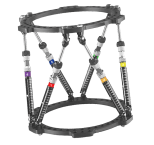
The Taylor brace represents a significant advancement in orthopedic trauma management, offering surgeons and patients a minimally invasive alternative for treating complex fracture repairs. This innovative external fixation system has transformed the landscape of fracture treatment by providing enhanced stability while reducing surgical trauma and recovery times. Modern orthopedic practices increasingly recognize the Taylor brace as an essential tool for managing challenging fractures that traditionally required extensive surgical intervention.
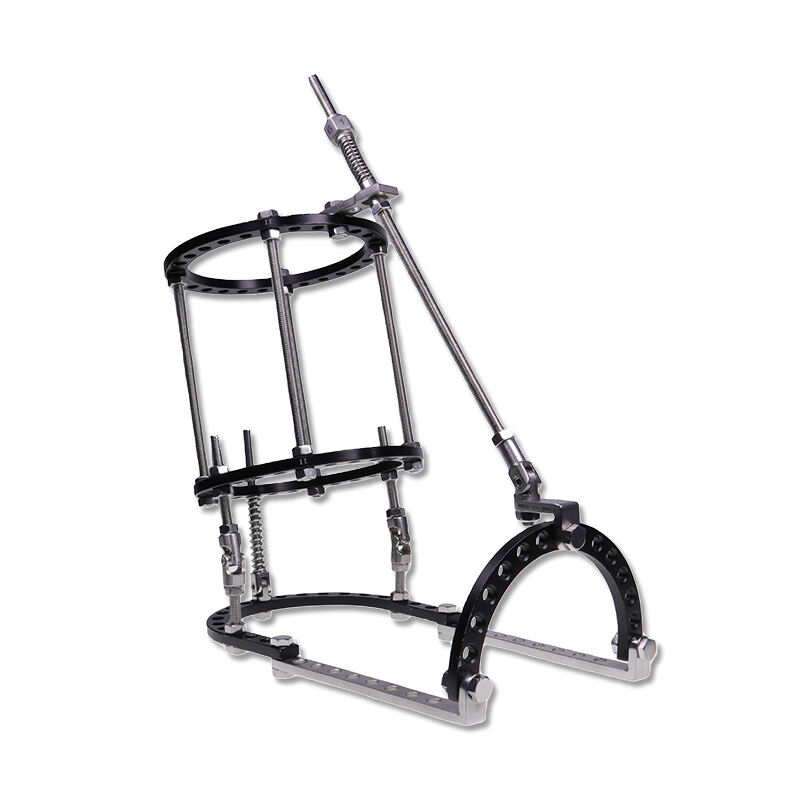
Evolution of External Fixation Technology
Historical Development of Fracture Management
External fixation has undergone remarkable evolution since its inception in the early 20th century. The Taylor brace emerged as a refined solution addressing the limitations of traditional fixation methods. Early external fixators were bulky, uncomfortable, and often led to complications such as pin tract infections and patient dissatisfaction. The development of the Taylor brace incorporated lessons learned from decades of clinical experience and technological advancement.
The transition from rigid plaster casts to dynamic external fixation systems marked a pivotal moment in orthopedic care. The Taylor brace represents the culmination of this evolutionary process, combining mechanical stability with patient comfort and mobility. This system allows for controlled movement while maintaining fracture alignment, promoting faster healing and reducing complications associated with prolonged immobilization.
Modern Design Principles
Contemporary Taylor brace designs incorporate advanced materials science and biomechanical engineering principles. The system utilizes lightweight yet durable materials that provide optimal strength-to-weight ratios. Carbon fiber components and titanium alloys ensure longevity while minimizing patient burden. The modular design allows for customization based on specific fracture patterns and patient anatomy.
Engineering innovations in the Taylor brace include precision-machined components that ensure accurate alignment and consistent performance. The system's adjustability features enable surgeons to fine-tune compression, distraction, and angular correction throughout the healing process. These capabilities make the Taylor brace particularly valuable for complex fractures requiring progressive adjustment during recovery.
Clinical Applications and Indications
Complex Fracture Management
The Taylor brace excels in treating complex fracture patterns that challenge conventional internal fixation methods. Comminuted fractures, segmental defects, and fractures with significant soft tissue damage benefit from the external approach provided by this system. The Taylor brace allows surgeons to maintain fracture reduction without extensive surgical exposure, preserving blood supply and reducing infection risk.
Pediatric fracture management represents another significant application area for the Taylor brace. Growing bones require special consideration, and external fixation provides the flexibility needed for pediatric patients. The system can accommodate growth while maintaining proper alignment, making it invaluable for treating growth plate injuries and complex pediatric fractures that would otherwise require extensive surgery.
Minimally Invasive Advantages
The minimally invasive nature of Taylor brace application offers numerous clinical advantages. Reduced surgical time translates to lower anesthesia exposure and decreased perioperative complications. The percutaneous pin placement technique minimizes soft tissue dissection, preserving the fracture hematoma and natural healing environment.
Patients benefit from shortened hospital stays and faster return to daily activities when treated with the Taylor brace system. The external nature of the fixation allows for easy monitoring of the fracture site and facilitates wound care when necessary. Additionally, the system can be adjusted or removed without additional surgery, providing flexibility throughout the treatment course.
Technical Specifications and Components
Structural Design Elements
The Taylor brace incorporates precision-engineered components designed for optimal biomechanical performance. The frame structure utilizes high-strength aluminum or carbon fiber construction, providing excellent rigidity while maintaining reasonable weight. Connecting rods feature adjustable length mechanisms that allow for compression, distraction, and angular correction capabilities.
Pin design represents a critical aspect of Taylor brace functionality. Self-drilling, self-tapping pins with hydroxyapatite coating promote osseointegration while reducing insertion trauma. The pin diameter and thread design optimize holding strength while minimizing bone damage. Specialized pin clamps ensure secure attachment to the frame while allowing for micro-adjustments during treatment.
Adjustment Mechanisms
The Taylor brace features sophisticated adjustment mechanisms that enable precise fracture manipulation. Threaded adjustment rods allow for controlled compression or distraction with millimeter precision. Angular correction capabilities permit correction of malunion or progressive adjustment during healing. These features make the Taylor brace particularly valuable for treating complex deformities and fracture malunions.
Locking mechanisms ensure that adjustments remain stable throughout the treatment period. Quick-release features facilitate rapid emergency removal if necessary. The modular design allows for component replacement without complete system removal, enhancing treatment flexibility and reducing patient inconvenience during extended treatment periods.
Surgical Technique and Application
Preoperative Planning
Successful Taylor brace application requires thorough preoperative planning and assessment. Imaging studies including CT scans and MRI help surgeons understand fracture geometry and plan optimal pin placement. Three-dimensional reconstruction aids in visualizing complex fracture patterns and determining the most appropriate configuration for the Taylor brace system.
Patient selection criteria include bone quality assessment, soft tissue condition evaluation, and consideration of patient compliance factors. The Taylor brace works best in patients with adequate bone stock and the ability to participate in postoperative care protocols. Contraindications include active infection at the fracture site, severe osteoporosis, and patient inability to maintain proper hygiene.
Operative Procedure
The Taylor brace application procedure typically begins with patient positioning and sterile draping. Pin placement follows anatomical landmarks to avoid neurovascular structures while ensuring optimal biomechanical advantage. Drill guides and templates assist in achieving proper pin angles and spacing for maximum stability.
Frame assembly occurs with the patient positioned to maintain fracture reduction. The Taylor brace components are assembled progressively, with continuous monitoring of fracture alignment through fluoroscopic guidance. Final adjustments ensure proper compression or distraction as indicated by the specific fracture pattern and treatment goals.
Patient Care and Management Protocols
Postoperative Monitoring
Effective Taylor brace management requires comprehensive postoperative monitoring protocols. Pin site care represents a critical aspect of patient management, with daily inspection and cleaning routines preventing infection complications. Patients receive detailed education regarding proper hygiene techniques and warning signs that require immediate medical attention.
Regular follow-up appointments allow for clinical assessment and radiographic evaluation of fracture healing progress. The Taylor brace system facilitates easy access for wound inspection and pin site evaluation without compromising fracture stability. Adjustment protocols may be implemented based on healing progress and clinical indicators.
Rehabilitation Integration
The Taylor brace design accommodates early mobilization and rehabilitation protocols. Physical therapy can begin shortly after application, with the external fixation providing stability while allowing controlled movement. Range of motion exercises help prevent joint stiffness and muscle atrophy commonly associated with prolonged immobilization.
Progressive weight-bearing protocols can be implemented safely with the Taylor brace in place. The system's stability allows for gradual load introduction while monitoring fracture response. This approach promotes faster functional recovery compared to traditional immobilization methods.
Clinical Outcomes and Evidence
Treatment Effectiveness
Clinical studies demonstrate superior outcomes for complex fractures treated with the Taylor brace compared to traditional methods. Reduced infection rates, shorter healing times, and improved functional outcomes characterize Taylor brace treatment protocols. The minimally invasive approach results in less soft tissue trauma and preservation of blood supply to the fracture site.
Patient satisfaction scores consistently favor Taylor brace treatment over alternative fixation methods. The ability to maintain mobility while ensuring fracture stability contributes to improved quality of life during treatment. Reduced pain levels and faster return to daily activities represent significant patient benefits of the Taylor brace system.
Complication Prevention
The Taylor brace design incorporates features that minimize common complications associated with external fixation. Improved pin design reduces loosening and infection rates compared to traditional systems. The modular construction allows for component replacement without complete system removal, addressing issues that arise during treatment.
Long-term follow-up studies show excellent bone healing rates and functional outcomes with Taylor brace treatment. The system's ability to maintain reduction while allowing controlled movement promotes optimal bone healing conditions. Malunion and nonunion rates are significantly lower compared to traditional treatment methods for complex fractures.
Future Developments and Innovations
Technological Advancements
Ongoing research and development continue to enhance Taylor brace capabilities and performance. Smart materials integration promises to provide real-time feedback regarding fracture healing progress and system integrity. Sensor technology may enable remote monitoring of pin site conditions and fracture stability.
Advanced imaging integration with Taylor brace systems allows for computer-assisted application and adjustment. Navigation systems guide optimal pin placement while minimizing tissue trauma. These technological improvements enhance precision while reducing operative time and improving patient outcomes.
Expanding Applications
The versatility of the Taylor brace system continues to expand into new clinical applications. Limb lengthening procedures benefit from the precise control and stability provided by advanced external fixation. Deformity correction protocols utilize the system's adjustment capabilities for gradual correction of complex skeletal abnormalities.
Research into bioactive coatings and antimicrobial materials promises to further reduce infection complications. The integration of growth factors and bone morphogenic proteins with Taylor brace components may accelerate healing and improve outcomes for challenging cases.
FAQ
How long does Taylor brace treatment typically last
Taylor brace treatment duration varies depending on fracture complexity, patient age, and healing response. Most patients require the system for 8-16 weeks, with regular monitoring to assess healing progress. Complex fractures or cases requiring limb lengthening may necessitate longer treatment periods. The external nature of the system allows for easy removal once healing is complete.
What are the main advantages of Taylor brace over traditional casts
The Taylor brace offers significant advantages including adjustability during treatment, access for wound care, early mobilization capabilities, and reduced complications. Unlike rigid casts, the system allows for controlled movement and progressive loading while maintaining fracture stability. Patients experience better comfort, hygiene maintenance, and faster functional recovery compared to traditional immobilization methods.
Are there specific patient populations that benefit most from Taylor brace treatment
Patients with complex comminuted fractures, open fractures with soft tissue damage, and those requiring limb lengthening procedures benefit significantly from Taylor brace treatment. Pediatric patients with growth plate injuries and elderly patients with osteoporotic fractures also show excellent outcomes. The system is particularly valuable for patients who cannot tolerate extensive surgical procedures or have compromised healing capacity.
What post-treatment care is required after Taylor brace removal
After Taylor brace removal, patients typically undergo a gradual rehabilitation program focusing on range of motion restoration and strength building. Pin sites require monitoring for several weeks to ensure proper healing. Most patients can return to full activities within 4-6 weeks following system removal, though individual recovery times may vary based on fracture complexity and patient factors.