EN
EN

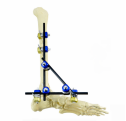
Ankle fractures represent one of the most challenging orthopedic conditions, requiring precise stabilization and optimal healing conditions. Modern orthopedic treatment has evolved significantly with the introduction of advanced fixation systems, particularly the ankle fixator technologies. These innovative modular braces offer superior advantages over traditional casting methods, providing enhanced patient mobility, improved fracture alignment, and accelerated recovery outcomes. The development of sophisticated ankle fixator systems has revolutionized how medical professionals approach complex ankle injuries, offering unprecedented control over the healing process while maintaining patient comfort and functionality.
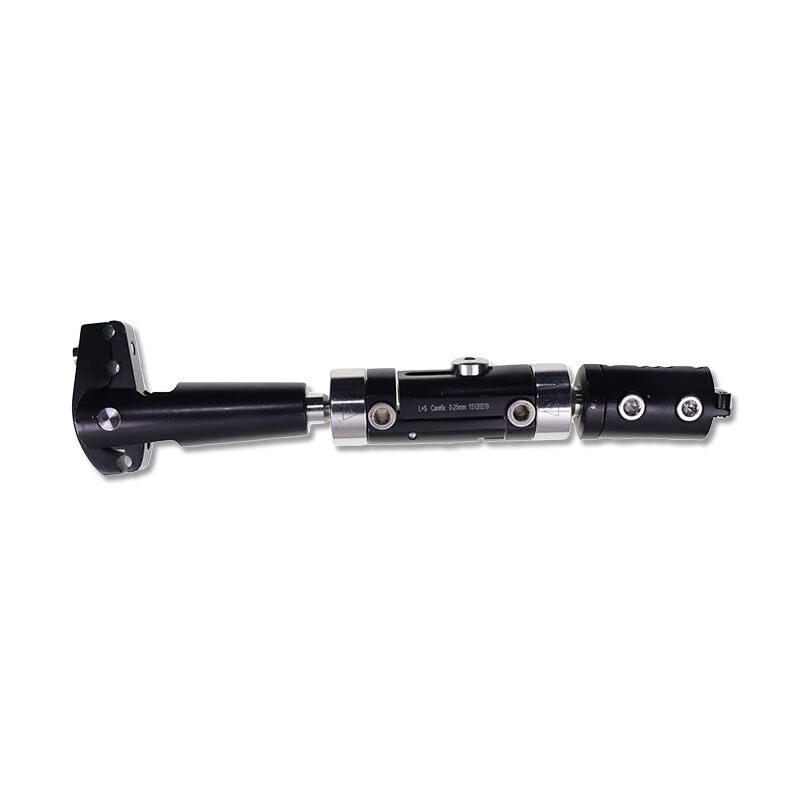
Understanding Modular Ankle Fixation Technology
Core Components of Advanced Ankle Fixator Systems
The modern ankle fixator incorporates multiple interconnected components designed to provide comprehensive fracture stabilization. Primary elements include adjustable struts, modular joint mechanisms, and precision-engineered connection points that allow for three-dimensional fracture reduction. These systems utilize lightweight yet durable materials such as carbon fiber and medical-grade aluminum alloys, ensuring optimal strength-to-weight ratios. The modular design philosophy enables surgeons to customize fixation configurations based on specific fracture patterns, patient anatomy, and recovery requirements.
Advanced ankle fixator technology integrates computer-assisted design principles with biomechanical engineering to create systems that closely mimic natural ankle joint movement. The incorporation of adjustable hinges allows for controlled range of motion during the healing process, preventing joint stiffness while maintaining fracture stability. Smart locking mechanisms ensure secure positioning while permitting authorized adjustments throughout treatment phases. These technological innovations represent significant advancement over rigid casting methods, offering dynamic stabilization that adapts to changing clinical needs.
Biomechanical Advantages of Modular Design
The biomechanical superiority of modular ankle fixator systems lies in their ability to distribute forces evenly across multiple anatomical structures. Traditional casting creates uniform compression that may impede circulation and limit natural tissue movement, while modular systems apply targeted support where needed most. The adjustable nature of these devices allows for progressive loading protocols that encourage bone remodeling and tissue adaptation. Strategic placement of support elements minimizes stress concentrations that could lead to secondary complications or delayed healing.
Research demonstrates that ankle fixator systems provide superior fracture alignment maintenance compared to conventional methods. The modular configuration enables precise microadjustments throughout the treatment period, accommodating natural tissue swelling and healing progression. Multi-axial adjustment capabilities allow surgeons to fine-tune alignment parameters without requiring additional surgical procedures. This precision control translates into improved functional outcomes and reduced risk of malunion or nonunion complications.
Clinical Applications and Treatment Protocols
Complex Fracture Management Strategies
Complex ankle fractures involving multiple bone fragments require sophisticated stabilization approaches that traditional methods cannot adequately address. The ankle fixator excels in managing bimalleolar, trimalleolar, and pilon fractures through its adaptable configuration options. Surgeons can simultaneously address medial, lateral, and posterior malleolar fractures using coordinated fixation strategies that maintain anatomical relationships while promoting optimal healing conditions. The system's versatility allows for treatment of open fractures where soft tissue damage necessitates external stabilization methods.
Polytrauma patients particularly benefit from ankle fixator applications due to the system's compatibility with other orthopedic interventions. The external nature of these devices eliminates interference with adjacent surgical sites while providing necessary fracture stabilization. Emergency medicine applications demonstrate the value of rapid deployment capabilities, allowing for immediate fracture stabilization in critical care environments. The modular design accommodates concurrent treatments such as skin grafting, vascular repairs, or tendon reconstructions without compromising fracture stability.
Patient-Specific Treatment Customization
Modern ankle fixator systems offer unprecedented customization capabilities that address individual patient anatomical variations and functional requirements. Pediatric applications require specialized considerations regarding growth plate preservation and developmental factors, which these systems accommodate through adjustable sizing options. Elderly patients with osteoporotic bone conditions benefit from distributed load sharing that reduces stress on fragile bone structures. Athletic populations require protocols that maintain joint mobility and muscle function during recovery periods.
The customization potential extends beyond basic sizing to include angulation adjustments, compression/distraction capabilities, and rotational control features. Patient comfort considerations drive design elements such as padded contact surfaces, ergonomic strap systems, and weight distribution optimization. These features significantly improve patient compliance and satisfaction compared to traditional immobilization methods. Healthcare providers can modify treatment parameters based on healing progression, ensuring optimal outcomes for diverse patient populations.
Comparative Advantages Over Traditional Methods
Enhanced Mobility and Functional Preservation
The primary advantage of ankle fixator systems over traditional casting lies in preserved patient mobility and functional capacity. Patients can maintain partial weight-bearing activities under controlled conditions, promoting better circulation and reducing muscle atrophy. The ability to adjust weight-bearing parameters throughout recovery enables progressive rehabilitation protocols that optimize long-term functional outcomes. Joint mobility preservation prevents adhesion formation and maintains cartilage health during the healing process.
Daily living activities become significantly more manageable with modular ankle fixator systems compared to bulky casts. Patients can perform essential hygiene functions, wear normal footwear on the unaffected foot, and maintain greater independence during recovery. The lightweight nature of modern systems reduces energy expenditure during ambulation, decreasing patient fatigue and improving quality of life. These functional advantages contribute to better psychological well-being and faster return to normal activities.
Reduced Complications and Improved Outcomes
Clinical studies consistently demonstrate reduced complication rates with ankle fixator applications compared to traditional immobilization methods. The external nature of these devices eliminates risks associated with implanted hardware, such as infection, hardware failure, or removal requirements. Improved wound monitoring capabilities allow for early detection and treatment of soft tissue complications. The adjustable compression features help control edema and promote optimal healing conditions.
Long-term outcomes show superior fracture union rates and improved functional scores when ankle fixator systems are properly applied. The precision control available with these systems reduces malunion risks and optimizes anatomical restoration. Patient satisfaction surveys indicate higher approval ratings for modular systems compared to traditional casting methods. Healthcare economic analyses demonstrate cost-effectiveness through reduced complications, shorter treatment durations, and improved functional outcomes.
Technical Implementation and Best Practices
Surgical Technique Optimization
Successful ankle fixator implementation requires thorough understanding of biomechanical principles and precise surgical technique. Proper pin placement becomes critical for system stability and patient comfort, requiring knowledge of anatomical safe zones and neurovascular structures. Preoperative planning using advanced imaging helps optimize fixator configuration and anticipate potential challenges. Intraoperative fluoroscopy ensures accurate fracture reduction and appropriate hardware positioning.
The modular nature of ankle fixator systems demands systematic assembly protocols that ensure proper component alignment and secure connections. Surgeons must understand adjustment mechanisms and maintenance requirements to optimize long-term performance. Postoperative monitoring protocols include regular system inspections, pin site care, and progressive adjustment schedules. Patient education regarding device operation and maintenance becomes essential for successful outcomes.
Maintenance and Monitoring Protocols
Proper maintenance of ankle fixator systems requires regular inspection schedules and systematic monitoring approaches. Pin site care protocols prevent infection and ensure continued system stability throughout the treatment period. Mechanical component inspections identify potential wear or loosening issues before they compromise treatment effectiveness. Patient education regarding warning signs and maintenance procedures improves compliance and outcomes.
Follow-up scheduling must accommodate the dynamic nature of ankle fixator treatment, with more frequent visits during initial healing phases. Radiographic monitoring tracks fracture healing progression and guides adjustment decisions. The ability to make incremental modifications without major interventions represents a significant advantage over static treatment methods. Documentation protocols ensure proper tracking of adjustments and clinical responses throughout the treatment course.
Future Developments and Innovations
Smart Technology Integration
The future of ankle fixator technology involves integration of smart sensors and monitoring systems that provide real-time feedback on healing progress. Advanced materials science contributes lightweight, biocompatible components with improved durability and patient comfort. Artificial intelligence algorithms may eventually optimize adjustment protocols based on individual healing patterns and biomechanical data. These technological advances promise even greater precision and improved outcomes for ankle fracture patients.
Telemedicine integration allows remote monitoring and adjustment guidance, reducing clinic visits while maintaining optimal care quality. Digital interfaces may provide patients with real-time feedback regarding loading parameters and compliance metrics. Advanced manufacturing techniques enable custom-fabricated components tailored to individual patient anatomy and specific fracture patterns. These innovations represent the next evolution in orthopedic fracture management technology.
Research and Development Directions
Ongoing research focuses on optimizing ankle fixator designs for specific patient populations and fracture types. Biomechanical studies continue refining loading protocols and adjustment algorithms to maximize healing potential. Clinical trials investigate expanded applications for complex deformity correction and revision procedures. Long-term outcome studies provide data supporting continued development and refinement of these systems.
International collaboration between orthopedic researchers and engineering teams drives innovation in ankle fixator technology. Academic medical centers contribute clinical expertise while industrial partners provide manufacturing and development resources. Regulatory agencies work with manufacturers to ensure safety standards while encouraging innovation. These collaborative efforts ensure continued advancement in ankle fracture treatment capabilities.
FAQ
How long does treatment with an ankle fixator typically take
Treatment duration with ankle fixator systems varies depending on fracture complexity, patient factors, and healing progression. Simple fractures may require 6-8 weeks of fixation, while complex injuries can necessitate 12-16 weeks or longer. The modular nature allows for gradual transition from rigid fixation to progressive mobilization as healing advances. Regular monitoring and adjustment ensure optimal timing for fixator removal and transition to conventional rehabilitation.
What are the main advantages of ankle fixators over traditional casts
Ankle fixator systems offer numerous advantages including preserved joint mobility, adjustable stabilization, improved patient comfort, and better wound monitoring access. Patients maintain greater independence and functional capacity compared to traditional casting methods. The ability to make incremental adjustments throughout treatment optimizes healing conditions and reduces complication risks. Overall treatment outcomes typically show superior functional results and higher patient satisfaction.
Are there any risks or complications associated with ankle fixator use
While generally safe when properly applied, ankle fixator systems carry potential risks including pin site infections, hardware loosening, and soft tissue irritation. Proper patient selection, surgical technique, and maintenance protocols minimize these risks significantly. Most complications are manageable with appropriate intervention and rarely require premature device removal. The overall complication rate remains lower than many alternative treatment methods for complex ankle fractures.
Who is a good candidate for ankle fixator treatment
Ideal candidates include patients with complex ankle fractures, open injuries, soft tissue damage, or those requiring early mobilization. Polytrauma patients, elderly individuals with fragile skin, and active patients seeking faster return to function benefit significantly from these systems. Patient motivation and ability to comply with maintenance protocols influence candidacy decisions. Contraindications include severe peripheral vascular disease, active infection, or inability to perform necessary care activities.