Calcaneus Fracture Plate: Advanced Heel Repair

Get a Free Quote

Our representative will contact you soon.
Email
Name
Company Name
Message
0/1000

calcaneus fracture plate

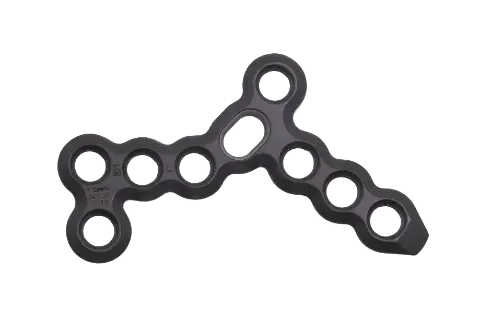
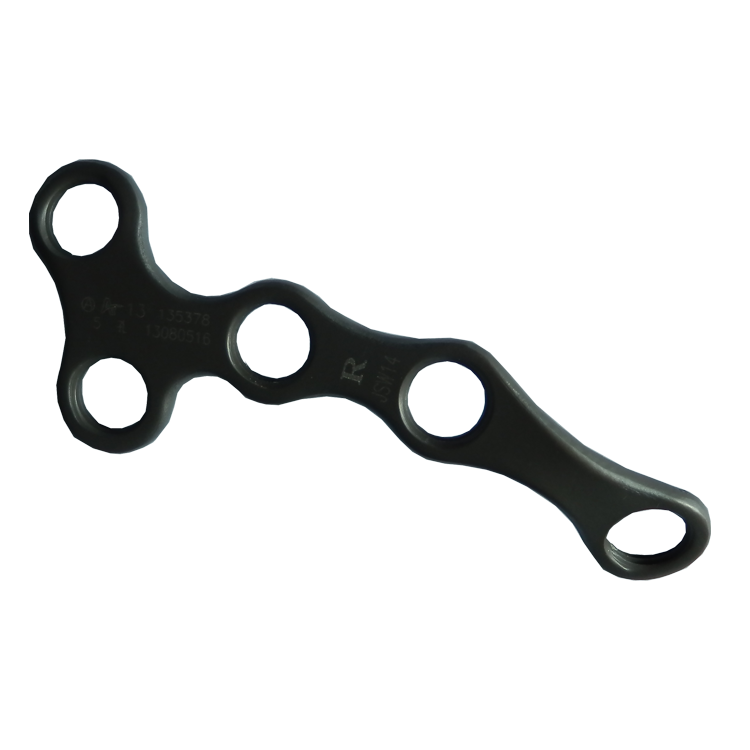
A calcaneus fracture plate is a specialized orthopedic implant designed to treat fractures of the calcaneus, the largest bone in the foot commonly known as the heel bone. This surgical device provides stable internal fixation for complex heel fractures, enabling proper bone alignment and healing. The calcaneus fracture plate is engineered with anatomically contoured designs that match the unique shape of the calcaneus, ensuring optimal fit and reduced soft tissue irritation. Manufactured from medical-grade titanium or stainless steel alloys, these plates offer exceptional strength while maintaining biocompatibility. The plate features strategically positioned screw holes that allow surgeons to secure the implant using locking or non-locking screws, providing versatile fixation options for different fracture patterns. Advanced calcaneus fracture plate systems incorporate low-profile designs that minimize hardware prominence beneath the skin, reducing postoperative discomfort and complications. The plates are available in various sizes and configurations to accommodate different patient anatomies and fracture severities, from simple displaced fractures to complex intra-articular injuries. Modern calcaneus fracture plate technology includes pre-contoured options that reduce surgical time and improve reproducibility of outcomes. These implants are essential in restoring the height, width, and length of the calcaneus while maintaining proper subtalar joint alignment. Clinical applications span traumatic injuries from falls, motor vehicle accidents, and sports-related incidents. The calcaneus fracture plate represents a critical advancement in foot and ankle surgery, enabling patients to regain mobility and return to normal activities with restored heel function and reduced long-term complications.

Popular Products

Choosing a calcaneus fracture plate offers significant benefits for patients recovering from heel bone injuries. This surgical solution provides superior stability compared to conservative treatment methods, allowing bones to heal in the correct position and preventing long-term deformity. Patients experience faster recovery times because the calcaneus fracture plate holds fractured fragments securely in place, enabling earlier weight-bearing and mobilization under medical guidance. The anatomical design ensures that the implant works with your natural bone structure rather than against it, reducing pain and discomfort during the healing process. Medical facilities benefit from streamlined surgical procedures, as modern calcaneus fracture plate systems come with comprehensive instrumentation that simplifies installation and reduces operating room time. This efficiency translates to cost savings and better resource utilization. The biocompatible materials used in manufacturing ensure excellent tissue tolerance, minimizing the risk of allergic reactions or rejection. Patients can typically return to daily activities sooner, with studies showing improved functional outcomes compared to non-surgical approaches for displaced fractures. The versatility of the calcaneus fracture plate makes it suitable for various fracture types, from simple two-part fractures to complicated multi-fragmentary injuries involving the subtalar joint. Surgeons appreciate the range of screw placement options, which accommodate individual patient anatomy and specific fracture configurations. The low-profile construction reduces the likelihood of hardware irritation, meaning fewer patients require secondary surgery for implant removal. Long-term durability ensures the calcaneus fracture plate maintains its structural integrity throughout the healing period and beyond. For healthcare decision-makers, investing in quality calcaneus fracture plate systems means better patient satisfaction scores, reduced complication rates, and improved clinical outcomes that enhance institutional reputation and patient trust.

Practical Tips

The application advantages of modular braces in ankle fractures

11

Feb

The application advantages of modular braces in ankle fractures

Ankle fractures represent one of the most challenging orthopedic conditions, requiring precise stabilization and optimal healing conditions. Modern orthopedic treatment has evolved significantly with the introduction of advanced fixation systems, par...
View More
Expanding the Boundaries of IM Nail Technology: Periarticular Fractures and Deformity Correction

06

Mar

Expanding the Boundaries of IM Nail Technology: Periarticular Fractures and Deformity Correction

Modern orthopedic surgery continues to evolve with innovative solutions that address complex fracture patterns and deformity corrections. The telescopic intramedullary nail represents a significant advancement in treating challenging periarticular fr...
View More
The application advantages of modular braces in ankle fractures

15

Apr

The application advantages of modular braces in ankle fractures

Ankle fractures represent one of the most challenging orthopedic injuries to manage effectively, requiring precise stabilization and controlled healing environments. Traditional casting methods often fall short in providing the dynamic support and ad...
View More
Taylor brace: a new choice for minimally invasive treatment of complex fracture repair

15

Apr

Taylor brace: a new choice for minimally invasive treatment of complex fracture repair

The Taylor brace represents a significant advancement in orthopedic external fixation technology, offering surgeons and patients a minimally invasive solution for complex fracture repair scenarios. This innovative Taylor brace system combines precisi...
View More

Get a Free Quote

Our representative will contact you soon.
Email
Name
Company Name
Message
0/1000

calcaneus fracture plate

Anatomically Contoured Design for Optimal Fit

Anatomically Contoured Design for Optimal Fit

The calcaneus fracture plate features a precisely engineered anatomical contour that mirrors the natural shape of the heel bone, ensuring exceptional fit and functionality. This specialized design consideration is crucial because the calcaneus has a complex three-dimensional geometry that standard flat plates cannot accommodate effectively. The pre-contoured shape reduces the need for intraoperative bending, which can weaken implant integrity and increase surgical time. Surgeons benefit from predictable placement that follows the lateral wall of the calcaneus, providing stable fixation while minimizing soft tissue disruption. The anatomical design distributes mechanical forces evenly across the fracture site, promoting uniform bone healing and reducing stress concentrations that could lead to implant failure. Patients experience less postoperative swelling and pain because the plate sits flush against the bone without creating pressure points on surrounding tissues. This thoughtful engineering also reduces the prominence of hardware beneath the skin, decreasing the likelihood of wound complications and the need for secondary removal surgery. The calcaneus fracture plate's anatomical contour represents a significant advancement over earlier generation implants, directly translating to improved patient comfort and superior clinical outcomes.
Versatile Fixation Options for Complex Fractures

Versatile Fixation Options for Complex Fractures

Modern calcaneus fracture plate systems provide surgeons with multiple fixation strategies through combination screw hole technology that accepts both locking and non-locking screws. This versatility is essential when treating the wide spectrum of calcaneal fractures, from simple extra-articular breaks to complex intra-articular injuries involving multiple bone fragments. Locking screw options create a fixed-angle construct that functions as an internal fixator, providing angular stability particularly valuable in osteoporotic bone where screw purchase may be compromised. Non-locking screws allow for compression across fracture lines and enable surgeons to manipulate fragment position during reduction. The strategic placement of screw holes in the calcaneus fracture plate ensures adequate fixation of critical fragments including the sustentaculum tali, tuberosity, and anterior process. Variable screw trajectories accommodate individual anatomical variations and allow surgeons to avoid neurovascular structures while maximizing bone purchase. This flexibility means a single calcaneus fracture plate system can address diverse fracture patterns, reducing inventory requirements for healthcare facilities while ensuring surgeons have appropriate tools for every clinical scenario. The ability to customize fixation strategy for each unique fracture configuration directly improves surgical outcomes and patient recovery.
Biocompatible Materials for Safe Long-Term Performance

Biocompatible Materials for Safe Long-Term Performance

The calcaneus fracture plate is manufactured from premium medical-grade materials, typically titanium alloy or surgical stainless steel, selected specifically for their biocompatibility and mechanical properties. Titanium alloys offer an optimal combination of high strength-to-weight ratio, excellent corrosion resistance, and superior tissue compatibility, making them ideal for permanent or long-term implantation. These materials undergo rigorous testing and quality control to meet international medical device standards, ensuring patient safety and implant reliability. The biocompatible nature of the calcaneus fracture plate means the body tolerates the implant without adverse immune responses, allowing bone to heal naturally around the hardware. The material properties provide sufficient rigidity to maintain fracture reduction while allowing appropriate stress transfer that promotes healthy bone remodeling according to Wolff's law. Surface treatments and finishes are carefully controlled to optimize osseointegration, the process by which bone bonds to the implant surface, creating a stable biological environment for healing. Corrosion resistance ensures the calcaneus fracture plate maintains its structural integrity and does not release metal ions into surrounding tissues over time. For patients concerned about metal implants, the proven biocompatibility and decades of clinical success with these materials provide reassurance that the calcaneus fracture plate represents a safe and effective treatment option for heel bone fractures.
logo