Lisfranc Plate: Advanced Midfoot Fixation

Get a Free Quote

Our representative will contact you soon.
Email
Name
Company Name
Message
0/1000

lisfranc plate

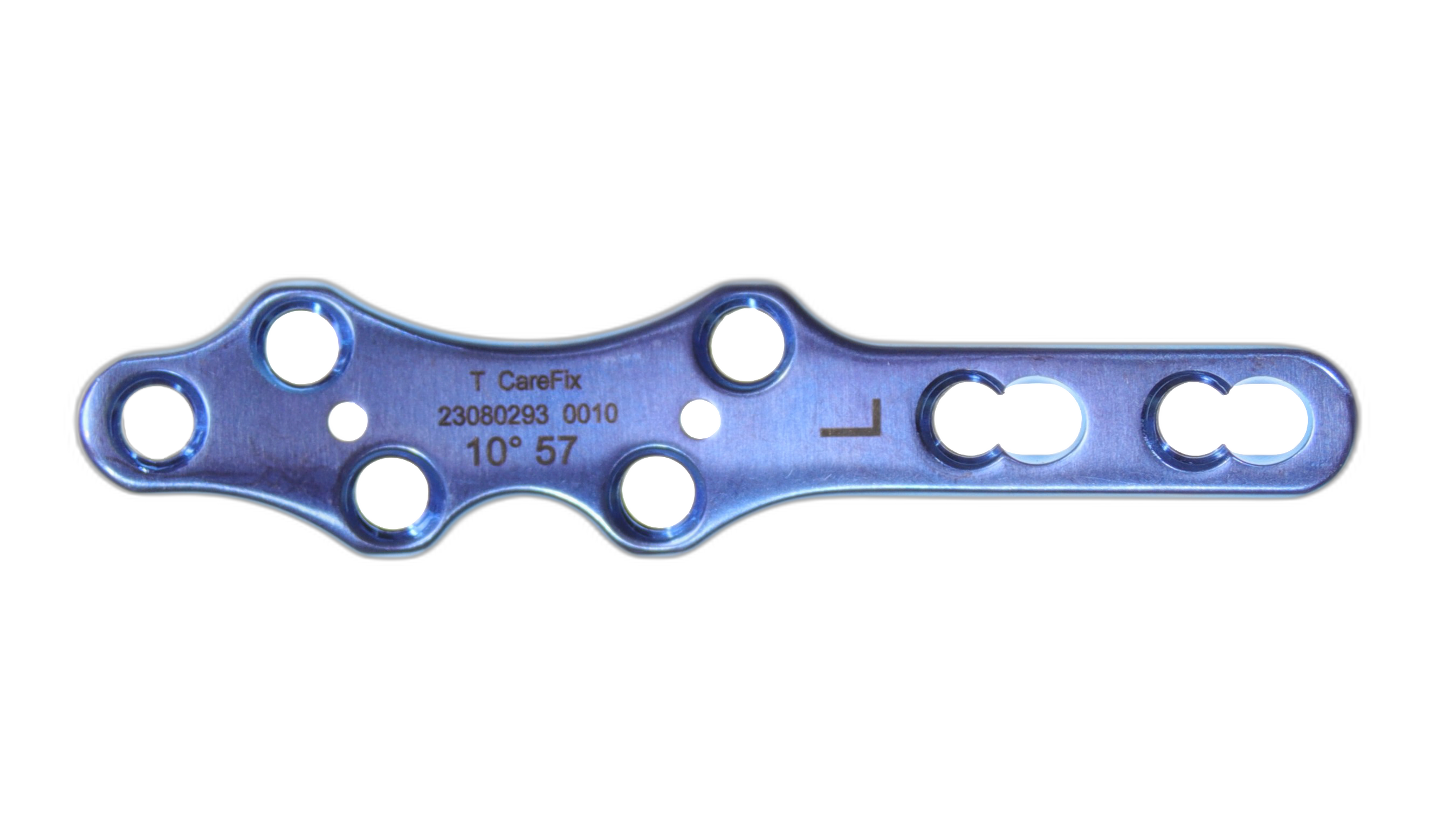
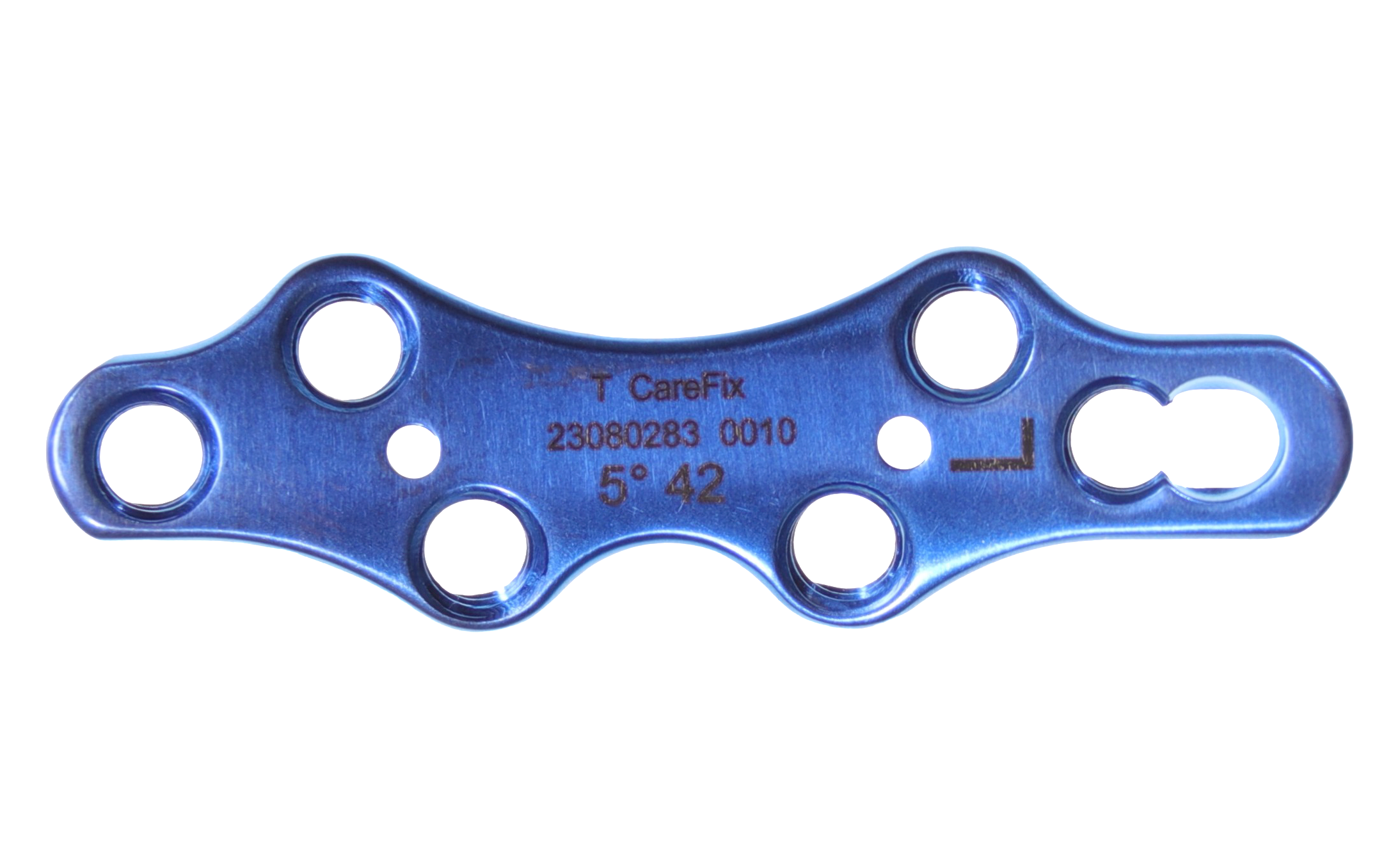
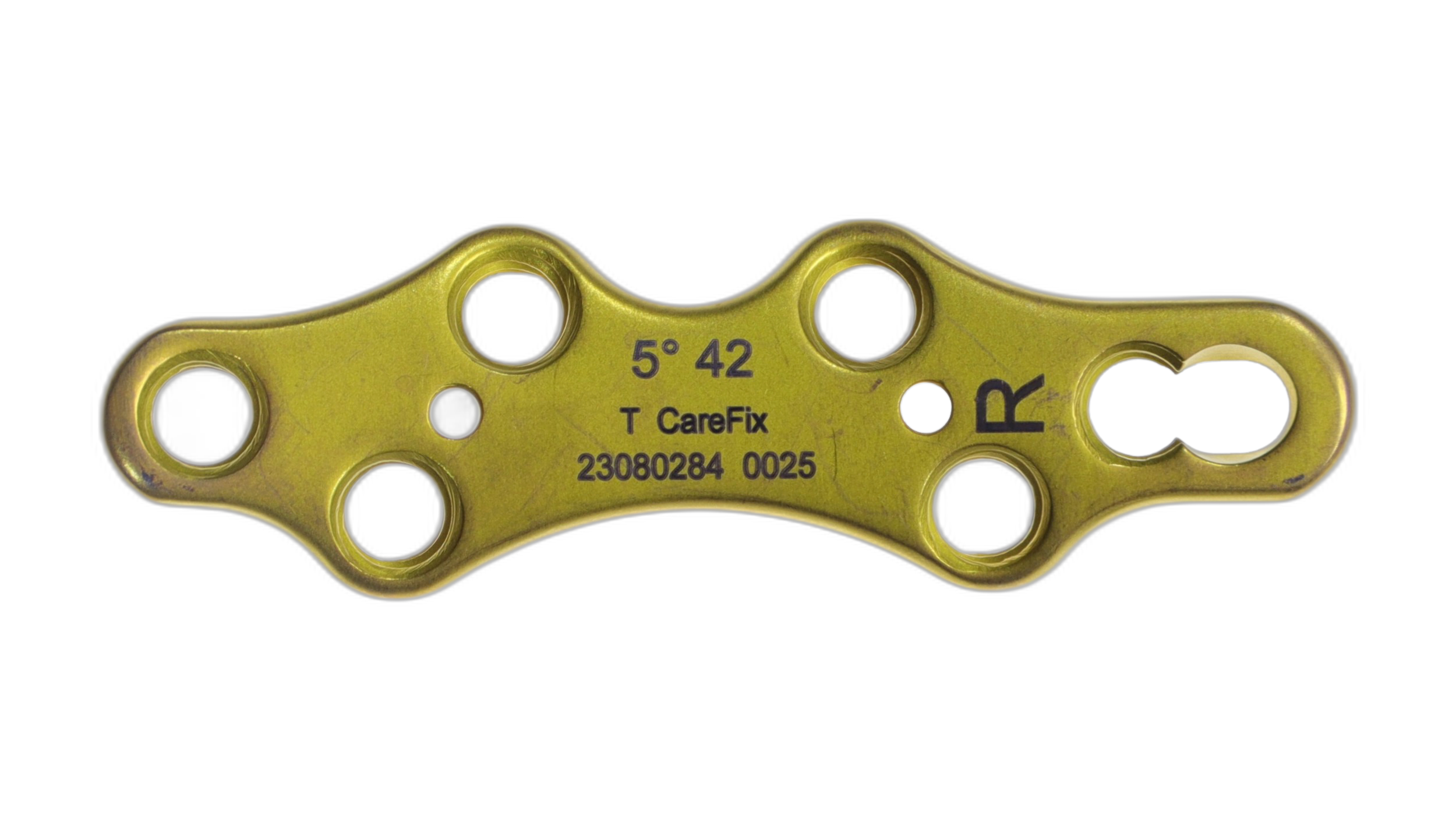
The lisfranc plate is a specialized orthopedic implant designed to stabilize and facilitate healing of Lisfranc injuries, which involve fractures or dislocations affecting the midfoot region where the metatarsal bones connect to the tarsal bones. This medical device plays a critical role in restoring proper anatomical alignment and maintaining structural integrity during the recovery process. The lisfranc plate features a low-profile design engineered to minimize soft tissue irritation while providing robust fixation strength. Constructed from biocompatible materials such as titanium or stainless steel, these plates offer excellent durability and strength-to-weight ratios. The technological features include anatomically contoured shapes that conform to the natural curvature of the foot, multiple screw hole configurations allowing surgeons flexibility in fixation strategies, and locking screw technology that creates a fixed-angle construct for enhanced stability. The lisfranc plate applications extend across various clinical scenarios including acute Lisfranc fracture-dislocations, chronic midfoot instability, post-traumatic arthritis management, and complex reconstruction procedures. Surgeons utilize these plates in both primary fixation and revision surgeries where previous treatments have failed. The plates accommodate different surgical approaches and can be combined with other fixation methods when necessary. Their versatility makes them essential tools in foot and ankle surgery, helping patients regain mobility and return to normal activities after sustaining serious midfoot injuries that could otherwise lead to chronic pain and disability.

New Product Releases

Patients who receive treatment using a lisfranc plate benefit from accelerated healing times compared to traditional casting methods alone. The rigid fixation provided by these plates allows for earlier weight-bearing in many cases, which means you can return to daily activities sooner under proper medical guidance. The precision engineering ensures optimal bone alignment throughout the healing process, reducing the risk of malunion or nonunion that could require additional surgeries. From an operational standpoint, the lisfranc plate simplifies surgical procedures for orthopedic specialists through intuitive instrumentation and clear anatomical landmarks. The multiple fixation options accommodate various injury patterns and bone quality conditions, making the device suitable for diverse patient populations from athletes to elderly individuals. The low-profile design translates to reduced postoperative discomfort and fewer cases requiring plate removal after healing completes. For healthcare facilities, the lisfranc plate represents a cost-effective solution when considering the total episode of care, as successful primary treatment avoids expensive revision procedures and prolonged rehabilitation. The biocompatible materials minimize adverse tissue reactions and integrate well with bone structures. Patients experience improved functional outcomes with better midfoot stability, reduced chronic pain, and restoration of normal gait patterns. The application suitability spans acute trauma cases in emergency settings to planned reconstructive procedures in outpatient surgical centers. When making treatment decisions, the lisfranc plate offers predictable results backed by extensive clinical research and proven track records across thousands of successful procedures. The device addresses the specific biomechanical demands of the midfoot region, providing stability where it matters most while allowing natural motion in adjacent joints.

Tips And Tricks

HTO Locking Plate: A Precise and Stable Solution for High Knee Joint Osteotomy

13

Jan

HTO Locking Plate: A Precise and Stable Solution for High Knee Joint Osteotomy

High tibial osteotomy represents one of the most effective surgical interventions for treating knee joint disorders, particularly those involving medial compartment osteoarthritis and varus deformity correction. The success of this procedure largely ...
View More
Taylor brace: a new choice for minimally invasive treatment of complex fracture repair

11

Feb

Taylor brace: a new choice for minimally invasive treatment of complex fracture repair

The Taylor brace represents a significant advancement in orthopedic trauma management, offering surgeons and patients a minimally invasive alternative for treating complex fracture repairs. This innovative external fixation system has transformed the...
View More
The application advantages of modular braces in ankle fractures

15

Apr

The application advantages of modular braces in ankle fractures

Ankle fractures represent one of the most challenging orthopedic injuries to manage effectively, requiring precise stabilization and controlled healing environments. Traditional casting methods often fall short in providing the dynamic support and ad...
View More
Taylor brace: a new choice for minimally invasive treatment of complex fracture repair

15

Apr

Taylor brace: a new choice for minimally invasive treatment of complex fracture repair

The Taylor brace represents a significant advancement in orthopedic external fixation technology, offering surgeons and patients a minimally invasive solution for complex fracture repair scenarios. This innovative Taylor brace system combines precisi...
View More

Get a Free Quote

Our representative will contact you soon.
Email
Name
Company Name
Message
0/1000

lisfranc plate

Anatomically Contoured Design for Optimal Fit

Anatomically Contoured Design for Optimal Fit

The lisfranc plate features sophisticated anatomical contouring that matches the natural three-dimensional architecture of the midfoot region. This precise engineering ensures the plate sits flush against bone surfaces without creating pressure points or gaps that could compromise stability. The contoured shape distributes mechanical forces evenly across the fixation construct, reducing stress concentrations that might lead to hardware failure or bone damage. Surgeons appreciate how this anatomical design simplifies plate positioning during procedures, reducing operative time and improving accuracy. The natural fit minimizes the implant profile beneath soft tissues, which directly translates to enhanced patient comfort during recovery and reduced likelihood of skin irritation or breakdown. This thoughtful design consideration also decreases the frequency of secondary surgeries for plate removal, as many patients experience no discomfort from the implant even after complete healing. The anatomically appropriate shape accommodates variations in foot morphology across different patient populations, making the lisfranc plate suitable for diverse anatomies while maintaining consistent performance characteristics that surgeons can rely upon.
Advanced Locking Screw Technology for Superior Stability

Advanced Locking Screw Technology for Superior Stability

The lisfranc plate incorporates advanced locking screw technology that creates a fixed-angle construct between screws and the plate itself. This innovation transforms the entire assembly into a unified structure that functions as an internal fixator rather than a simple compression plate. The locking mechanism prevents screw loosening and toggle, which are common complications with conventional plate systems, especially in osteoporotic bone or high-stress applications. This superior stability enables earlier weight-bearing protocols under medical supervision, accelerating functional recovery and reducing the complications associated with prolonged immobilization such as muscle atrophy and joint stiffness. The fixed-angle relationship also maintains reduction quality throughout healing, even when subjected to the complex loading patterns experienced during walking. Surgeons gain greater confidence in their fixation constructs, particularly in challenging cases involving comminuted fractures or poor bone quality. The locking technology provides angular stability that does not rely solely on friction between the plate and bone, making the construct more resilient to cyclical loading. For patients, this translates to more predictable outcomes and reduced anxiety about hardware failure during the critical healing period.
Versatile Fixation Options for Complex Injury Patterns

Versatile Fixation Options for Complex Injury Patterns

The lisfranc plate system offers exceptional versatility through multiple screw hole configurations and compatibility with various fixation strategies. Surgeons can choose between locking and non-locking screws at different positions, allowing customization based on specific injury patterns, bone quality, and biomechanical requirements. This flexibility proves invaluable when addressing complex Lisfranc injuries that often involve multiple fracture lines, ligamentous disruptions, and varying degrees of comminution. The plate accommodates both lag screw techniques for interfragmentary compression and bridge plating approaches for more severe fractures. Variable angle locking options at select holes provide additional degrees of freedom when anatomical constraints or fracture geometry make perpendicular screw insertion difficult. This adaptability extends the lisfranc plate applications across a broad spectrum of clinical scenarios from simple two-column injuries to complex panfoot trauma. The comprehensive instrumentation system supports precise execution of the chosen fixation strategy with specialized guides and drilling templates. For revision cases where previous hardware or altered anatomy presents challenges, the multiple fixation options enable surgeons to achieve stable constructs despite compromised bone stock or unusual anatomical configurations, ultimately improving success rates across diverse patient populations.
logo