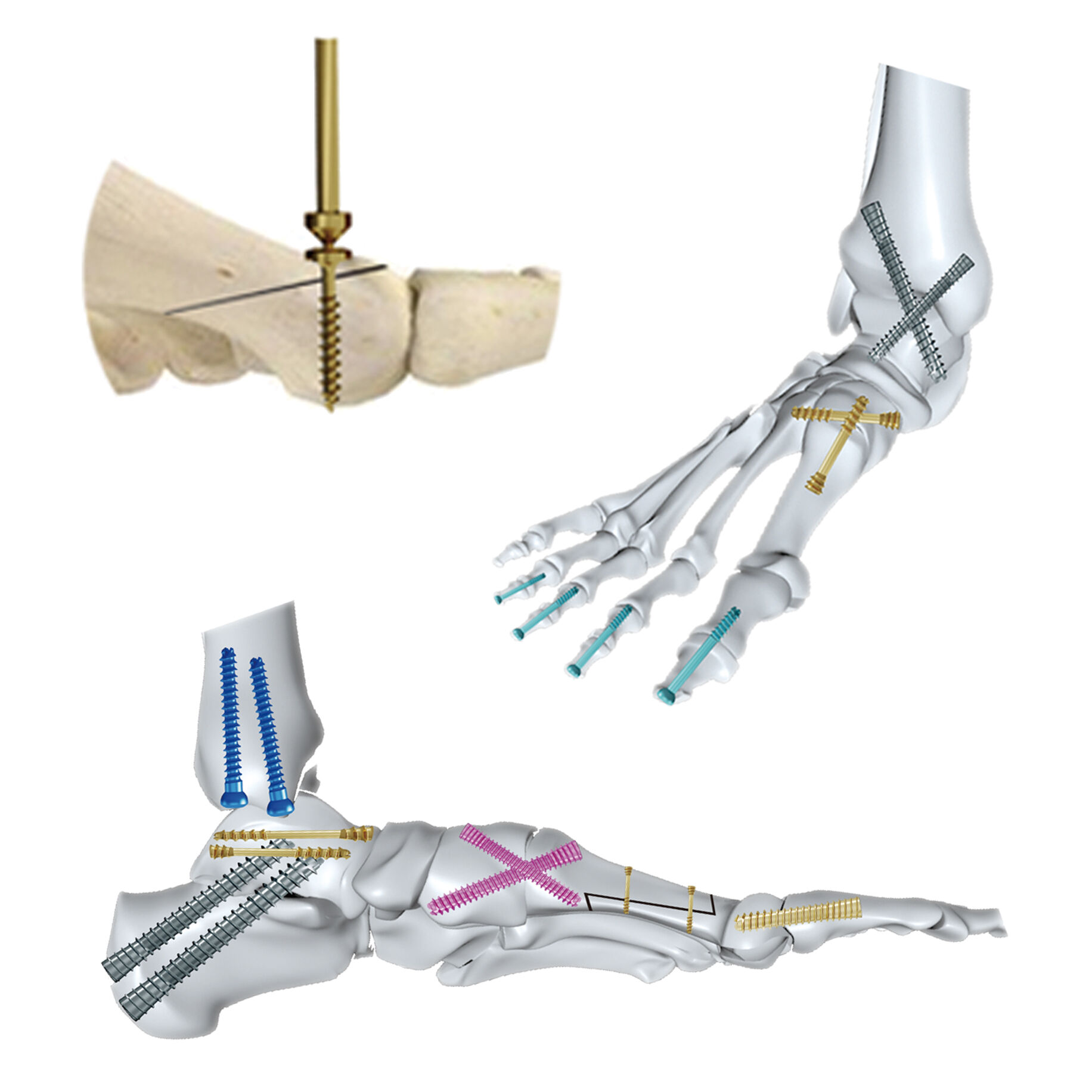
foot and ankle implants
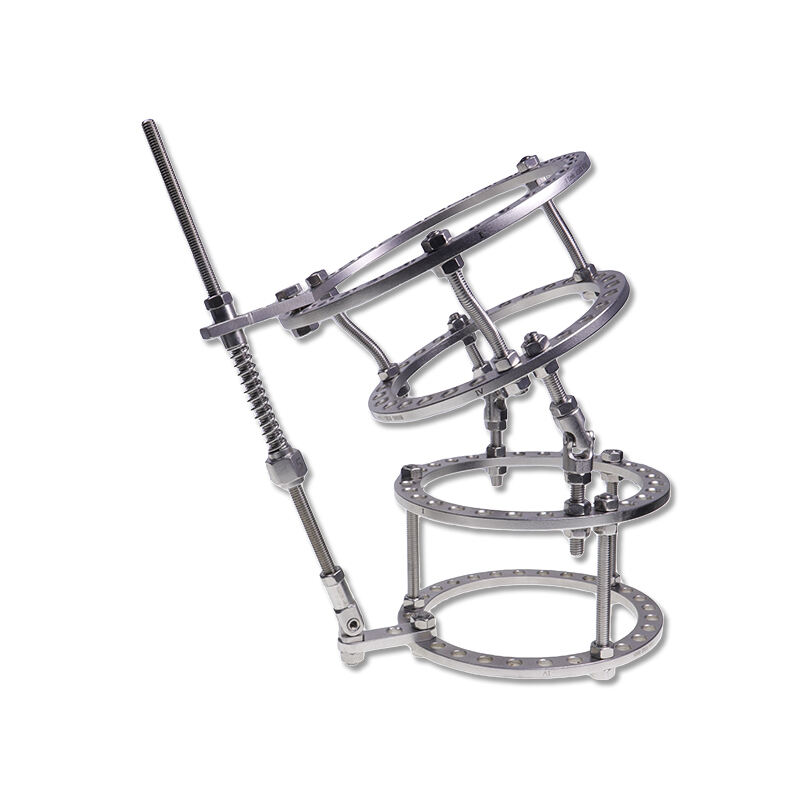
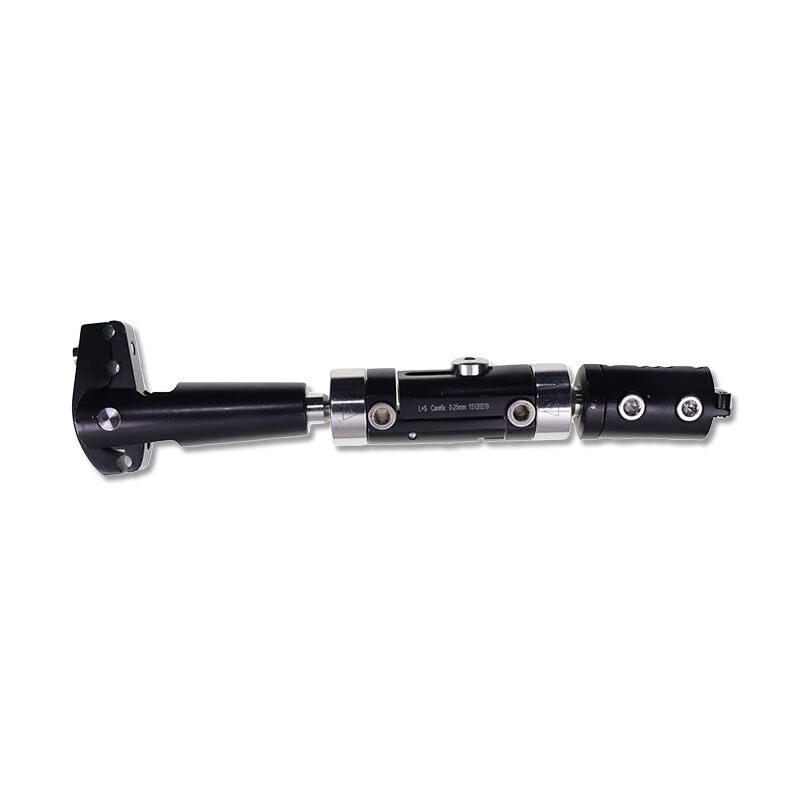
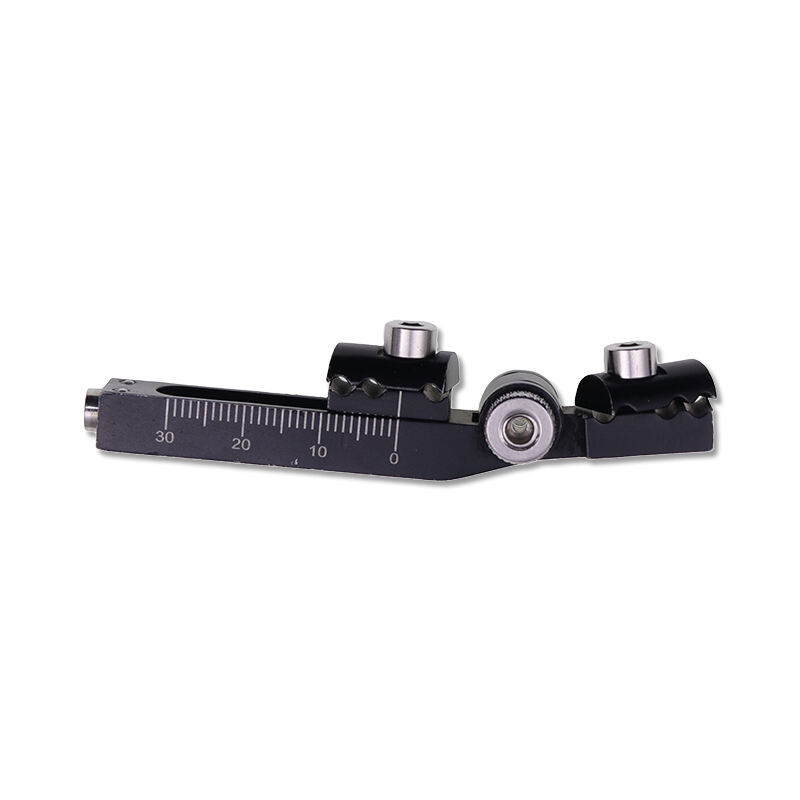
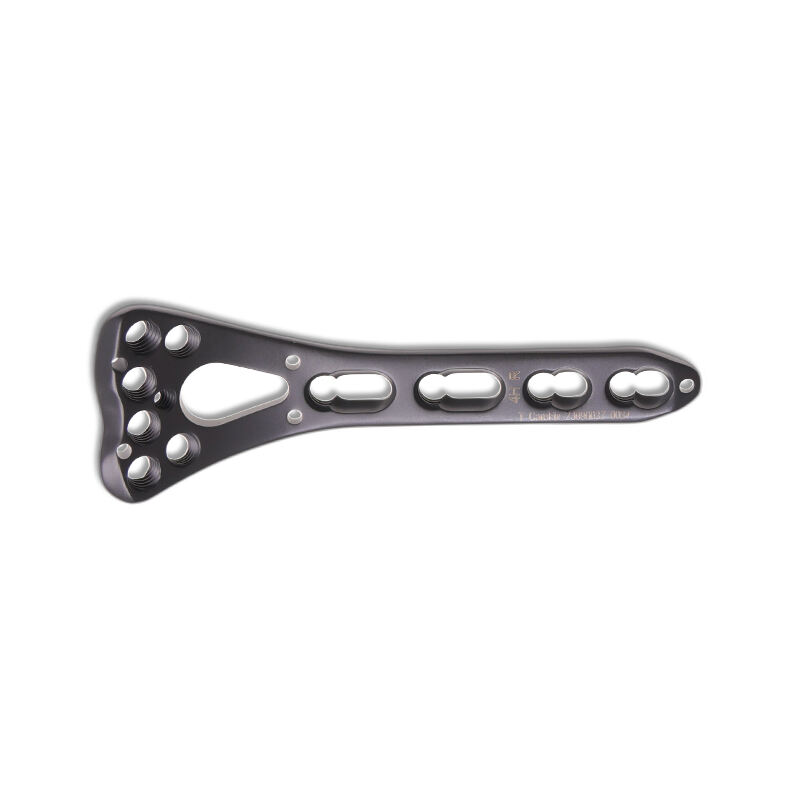
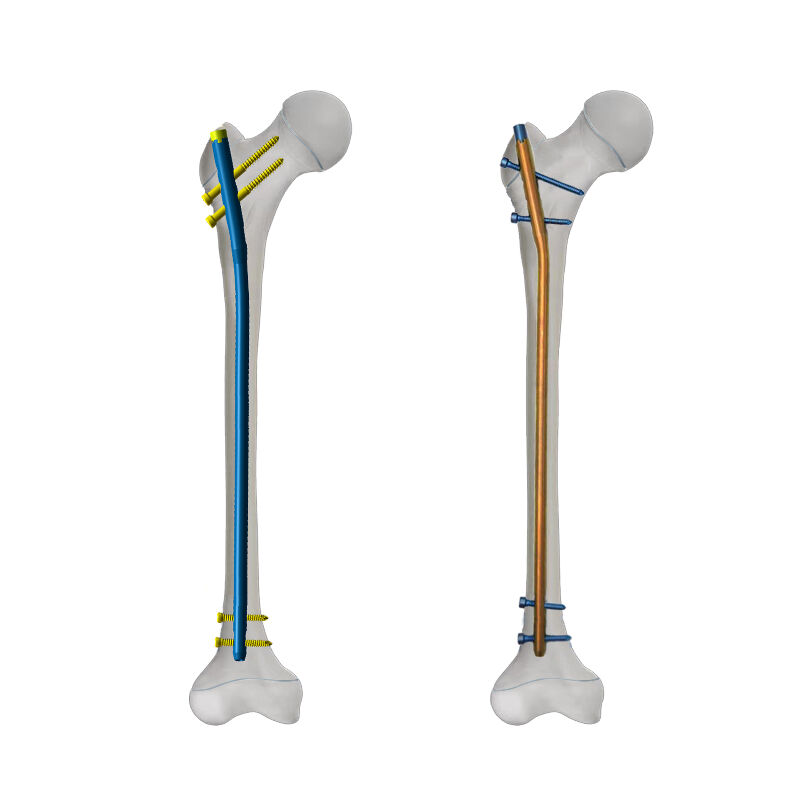
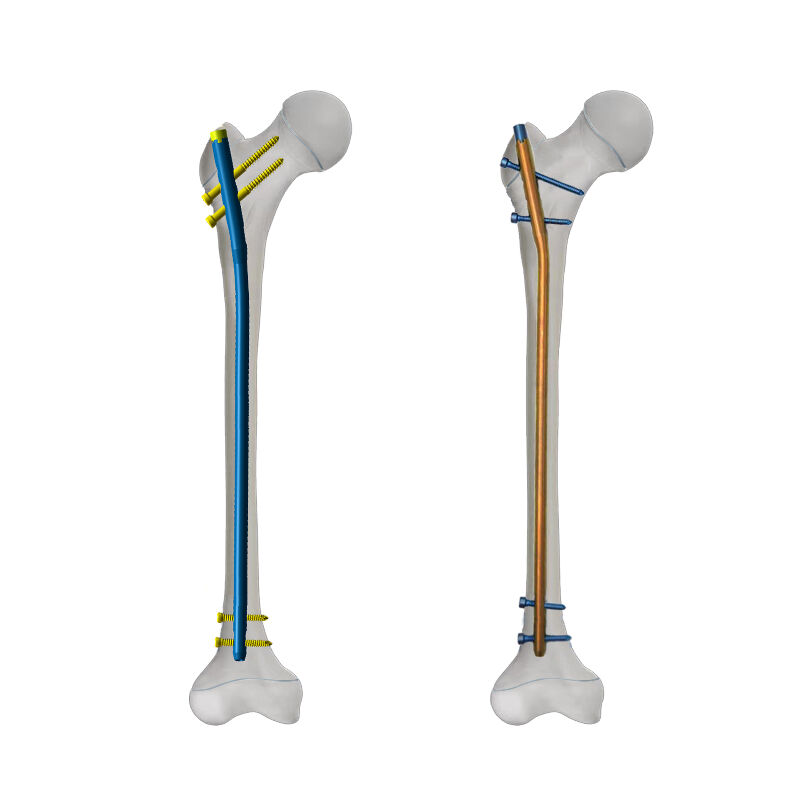
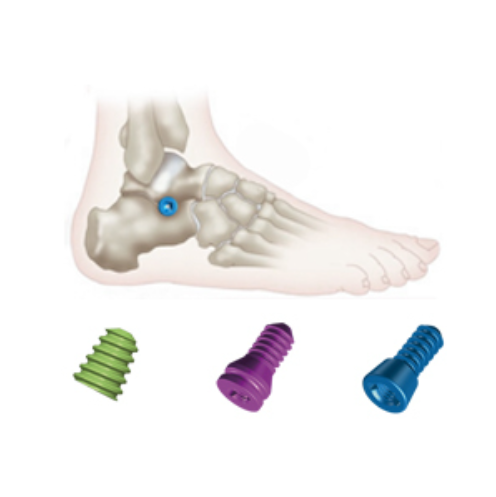
Foot and ankle implants are advanced medical devices designed to restore function, stability, and mobility to patients suffering from severe foot and ankle conditions. These surgical solutions address a wide range of disorders including arthritis, fractures, deformities, and degenerative joint diseases that cannot be effectively treated through conservative methods. The primary functions of foot and ankle implants include joint replacement, fracture fixation, bone fusion, and structural reconstruction. Modern foot and ankle implants incorporate cutting-edge technologies such as anatomically contoured designs that mirror natural bone structure, biocompatible materials like titanium alloys and medical-grade stainless steel, and porous coating surfaces that promote osseointegration. These technological features ensure optimal integration with existing bone tissue while minimizing rejection risks. The implants range from total ankle replacement systems and subtalar joint prostheses to specialized plates, screws, and intramedullary nails for fracture management. Applications span reconstructive surgery for trauma patients, corrective procedures for congenital deformities, arthrodesis procedures for joint fusion, and arthroplasty for joint preservation. Surgeons utilize foot and ankle implants to treat conditions such as severe ankle arthritis, complex fractures, Charcot foot deformity, and failed previous surgeries. The versatility of these devices allows customization to individual patient anatomy and specific clinical requirements, making them essential tools in modern orthopedic and podiatric surgical practice for restoring patient quality of life and functional independence.
 EN
EN