EN
EN

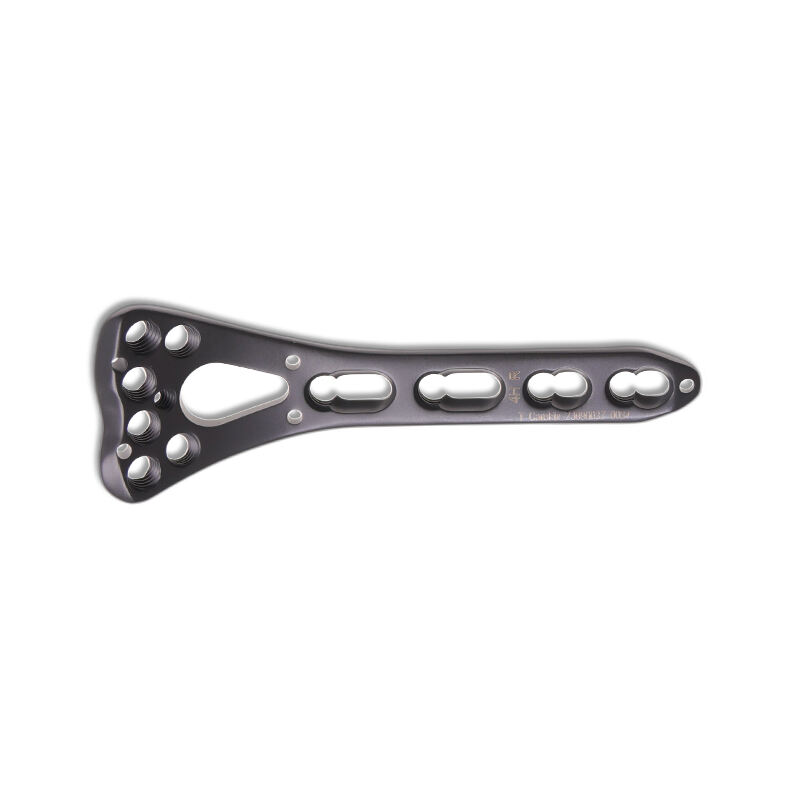
Orthopedic surgery has evolved significantly over the past decades, with advances in implant technology playing a crucial role in improving patient outcomes. Among these innovations, the cannulated screw stands out as a versatile and highly effective fixation device that has revolutionized how surgeons approach bone fractures and osteotomies. This specialized implant features a hollow center that allows for precise placement over guide wires, offering superior accuracy compared to traditional solid screws. The unique design characteristics of these implants have made them indispensable tools in modern orthopedic practices, particularly for procedures requiring exact positioning and minimal invasive approaches.
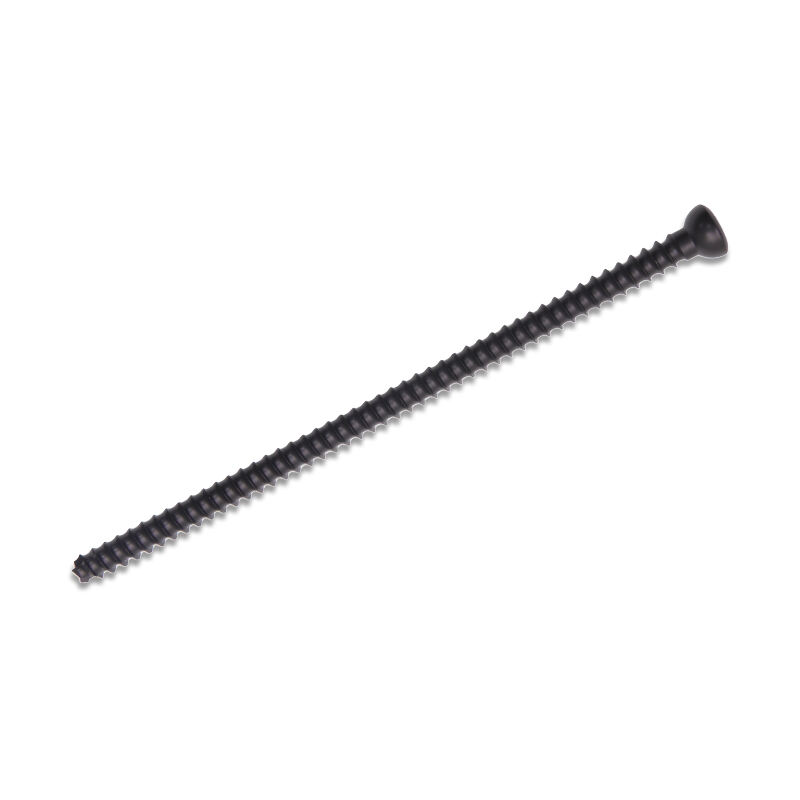
The development of cannulated screw technology emerged from the need for more precise implant placement in complex anatomical regions. Traditional screws often required multiple attempts to achieve optimal positioning, leading to increased surgical time and potential complications. The hollow design addresses these challenges by enabling surgeons to use guide wires as reference points, ensuring accurate trajectory and depth control. This advancement has particularly benefited procedures involving small bones, joint surfaces, and areas with critical neurovascular structures nearby.
Understanding the various types and applications of these specialized implants is essential for orthopedic professionals seeking to optimize their surgical outcomes. Each design variation offers specific advantages depending on the clinical scenario, bone quality, and anatomical considerations. The selection process involves careful evaluation of multiple factors, including patient demographics, fracture patterns, and long-term functional goals. Modern manufacturing techniques have further enhanced the reliability and performance of these devices, making them suitable for an increasingly broad range of applications.
Design Characteristics and Engineering Principles
Hollow Core Architecture
The defining feature of any cannulated screw is its hollow center, which typically ranges from 1.5mm to 3.2mm in diameter depending on the overall screw size. This central channel serves multiple purposes beyond guide wire accommodation. During insertion, the hollow core can facilitate debris removal and provide visualization of the drilling progress. The engineering challenge lies in maintaining structural integrity while maximizing the internal diameter for functionality. Advanced manufacturing processes ensure that the hollow design does not compromise the mechanical properties essential for bone fixation.
Material selection plays a critical role in achieving optimal performance characteristics. Most modern cannulated screws are manufactured from titanium alloys or stainless steel, chosen for their biocompatibility and mechanical properties. The hollow core requires precise machining to maintain smooth internal surfaces that prevent guide wire binding or damage. Quality control measures include dimensional verification and surface finish analysis to ensure consistent performance across production batches.
Thread Configuration Options
Thread design significantly influences the fixation strength and insertion characteristics of cannulated screws. Full-threaded configurations provide maximum purchase along the entire shaft length, making them ideal for situations requiring compression across fracture sites or when working with osteoporotic bone. The thread pitch and depth are optimized to balance holding power with insertion torque requirements. Deeper threads generally offer stronger fixation but require more rotational force during placement.
Partial-threaded designs incorporate a smooth shaft section near the head, allowing for compression when the threads engage only the far cortex. This configuration is particularly valuable in lag screw applications where controlled compression across fracture planes is desired. The transition zone between threaded and smooth sections requires careful engineering to prevent stress concentration that could lead to implant failure. Thread run-out design and surface treatments further enhance the mechanical performance of these critical areas.
Classification by Clinical Application
Trauma Fixation Systems
In trauma surgery, cannulated screws excel in situations requiring rapid, accurate placement under challenging conditions. Emergency procedures often involve unstable fracture patterns where precise implant positioning is crucial for successful reduction and maintenance. The guide wire technique allows surgeons to establish the desired trajectory before committing to the final implant position. This approach significantly reduces the risk of malposition and the need for revision procedures, factors that are particularly important in polytrauma patients.
Hip fracture fixation represents one of the most common applications for cannulated screw systems. Multiple screw configurations can be placed using parallel guide wires to create stable construct geometry. The ability to visualize all guide wire positions simultaneously before screw insertion allows for optimal spacing and angulation. This technique has proven especially valuable in elderly patients where bone quality concerns require careful attention to implant distribution and load sharing.
Reconstructive Surgery Applications
Reconstructive procedures often involve complex three-dimensional corrections that benefit from the precision offered by cannulated screw technology. Osteotomy fixation requires exact positioning to maintain correction angles and prevent loss of alignment during healing. The cannulated screw system enables surgeons to secure temporary fixation with guide wires before final implant placement, ensuring that corrective positioning is maintained throughout the procedure.
Joint fusion procedures represent another significant application area where cannulated screws provide distinct advantages. The ability to compress joint surfaces while maintaining precise alignment is essential for successful arthrodesis. Guide wire placement can be verified through multiple imaging planes before screw insertion, reducing the risk of joint surface penetration or suboptimal positioning. The hollow design also facilitates bone graft delivery in some applications, supporting biological healing processes.
Material Science and Biocompatibility
Titanium Alloy Advantages
Titanium-based cannulated screws offer superior biocompatibility compared to stainless steel alternatives, making them the preferred choice for many applications. The lower elastic modulus of titanium more closely matches that of human bone, reducing stress shielding effects that can lead to bone resorption around implants. This mechanical compatibility is particularly important in younger patients who may retain implants for extended periods. The corrosion resistance of titanium alloys also provides long-term stability in the biological environment.
Surface treatments and coatings can further enhance the biological response to titanium cannulated screws. Anodization processes create controlled oxide layers that promote osseointegration while maintaining the smooth surfaces necessary for guide wire passage. Some manufacturers incorporate bioactive coatings that accelerate bone healing and improve initial fixation strength. These advanced surface modifications represent ongoing developments in implant technology that continue to improve clinical outcomes.
Stainless Steel Considerations
Stainless steel cannulated screws remain relevant in certain clinical situations despite the advantages of titanium alternatives. The higher strength of stainless steel can be beneficial in high-load applications or when working with very hard bone. Cost considerations may also favor stainless steel options in some healthcare systems. However, the potential for corrosion and the higher elastic modulus require careful consideration of long-term implications, particularly in younger patients.
Manufacturing processes for stainless steel cannulated screws must ensure consistent metallurgical properties throughout the implant structure. The hollow core machining process can introduce stress concentrations if not properly controlled, making quality assurance particularly critical. Passivation treatments help establish protective oxide layers that improve corrosion resistance, but these surface modifications must be compatible with the smooth internal finish required for guide wire compatibility.
Surgical Technique and Instrumentation
Guide Wire Selection and Placement
Proper guide wire selection is fundamental to successful cannulated screw placement. Wire diameter must be appropriate for the internal diameter of the chosen screw while providing sufficient stiffness to resist bending during drilling and insertion. Typically, guide wires range from 1.25mm to 2.5mm in diameter, with selection based on screw size and procedural requirements. The wire tip design affects penetration characteristics and holding power in bone, with options including trocar, diamond, and threaded configurations.
Placement technique requires careful attention to trajectory planning and depth control. Fluoroscopic guidance is typically employed to verify guide wire position before proceeding with drilling and screw insertion. Multiple imaging planes may be necessary to ensure optimal positioning, particularly in complex anatomical regions. The ability to adjust guide wire position before committing to the final implant represents a significant advantage over conventional screw placement techniques.
Drilling and Insertion Protocols
Drilling over guide wires requires specialized techniques to prevent wire advancement or binding within the hollow drill bit. Controlled drilling speeds and intermittent progression help manage heat generation and debris removal. The hollow drill design allows for continuous irrigation and debris evacuation, maintaining clear visualization of the drilling progress. Depth gauges calibrated for the specific cannulated screw system ensure accurate length selection and prevent over-drilling.
Screw insertion technique must account for the presence of the guide wire and the unique torque characteristics of hollow implants. Many systems include insertion instruments that maintain guide wire tension while advancing the screw. Final positioning verification through imaging confirms proper depth and alignment before guide wire removal. Some procedures may require the guide wire to remain in place temporarily to maintain reduction during healing, requiring careful consideration of wire material and positioning.
Clinical Outcomes and Evidence
Comparative Studies and Performance Data
Clinical research has consistently demonstrated the advantages of cannulated screw systems in terms of placement accuracy and surgical efficiency. Comparative studies show reduced fluoroscopy time and improved positioning precision compared to conventional screw placement techniques. The ability to establish optimal trajectory before final implant insertion reduces the incidence of malposition and associated complications. Long-term follow-up studies indicate comparable or superior mechanical performance relative to solid screw alternatives in most applications.
Biomechanical testing has validated the structural integrity of hollow designs across various loading conditions. Despite the reduced cross-sectional area, modern cannulated screws demonstrate adequate strength for their intended applications. Fatigue testing protocols simulate long-term loading conditions to ensure reliable performance throughout the healing process. These studies support the widespread adoption of cannulated screw technology across diverse orthopedic applications.
Complication Profiles and Risk Management
Understanding potential complications specific to cannulated screw use is essential for risk management and patient counseling. Guide wire breakage or retention represents a unique risk that requires specific protocols for prevention and management. Proper wire handling techniques and quality control measures minimize these occurrences. When guide wire fragments are retained, specific removal techniques may be necessary, emphasizing the importance of using high-quality wires and following established protocols.
Mechanical complications such as screw loosening or breakage occur at rates comparable to conventional implants when properly selected and placed. The hollow design may influence fracture patterns if failure occurs, but clinical significance appears minimal in most cases. Infection rates do not appear elevated compared to solid screw alternatives, suggesting that the hollow design does not create additional bacterial colonization risks when standard sterile techniques are employed.
Future Developments and Innovations
Smart Implant Technology
Emerging technologies are beginning to incorporate sensing capabilities into cannulated screw designs. Embedded sensors could provide real-time feedback on loading conditions, healing progress, and implant integrity. The hollow core provides space for sensor placement and wireless communication components while maintaining the guide wire compatibility that defines these implants. Early research prototypes demonstrate the feasibility of integrating electronic components without compromising mechanical performance.
Data collection capabilities could revolutionize post-operative monitoring and enable personalized rehabilitation protocols. Continuous monitoring of mechanical loading could identify complications before they become clinically apparent, potentially preventing implant failures and improving outcomes. The integration of smart technology with established cannulated screw designs represents a natural evolution that leverages existing surgical techniques while adding new capabilities.
Advanced Manufacturing Techniques
Additive manufacturing technologies offer new possibilities for cannulated screw customization and optimization. Three-dimensional printing enables patient-specific implant geometry that could improve fit and performance in complex cases. The hollow design is well-suited to additive manufacturing processes, potentially reducing production costs while enabling mass customization. Internal surface treatments and complex geometries that are difficult to achieve through conventional machining become feasible with these advanced manufacturing approaches.
Materials science advances continue to expand the options available for cannulated screw construction. Biodegradable polymers and composite materials offer alternatives to permanent metallic implants in appropriate applications. The hollow design could facilitate controlled drug delivery or growth factor release to enhance healing outcomes. These innovations represent ongoing areas of research that may significantly expand the clinical applications of cannulated screw technology in the future.
FAQ
What makes cannulated screws different from regular orthopedic screws
Cannulated screws feature a hollow center that allows placement over guide wires, providing superior accuracy compared to solid screws. This design enables surgeons to establish the exact trajectory and positioning before final implant insertion, significantly reducing placement errors and revision rates. The hollow core typically ranges from 1.5mm to 3.2mm in diameter and maintains the structural integrity necessary for effective bone fixation while offering enhanced precision.
Are cannulated screws as strong as solid screws
Modern cannulated screws demonstrate comparable strength to solid screws of similar size despite the hollow core design. Advanced engineering and manufacturing processes ensure that the reduced cross-sectional area does not compromise mechanical performance in clinical applications. Extensive biomechanical testing validates their strength under various loading conditions, and long-term clinical studies show similar or superior outcomes compared to conventional solid screw alternatives.
What are the main advantages in surgical procedures
The primary advantages include improved placement accuracy, reduced fluoroscopy time, and enhanced surgical efficiency. Surgeons can verify positioning through multiple imaging planes before committing to final implant placement, minimizing the risk of malposition. The guide wire technique also enables better visualization of trajectory in complex anatomical regions and allows for easier revision if positioning needs adjustment before final screw insertion.
Can cannulated screws be used in all bone types
Cannulated screws are suitable for most bone types, including both cortical and cancellous bone applications. Thread design variations accommodate different bone densities, with deeper threads providing enhanced purchase in softer bone and standard configurations working well in normal density bone. Special considerations may apply in severely osteoporotic bone, where thread design and insertion technique become particularly important for achieving adequate fixation strength.