EN
EN

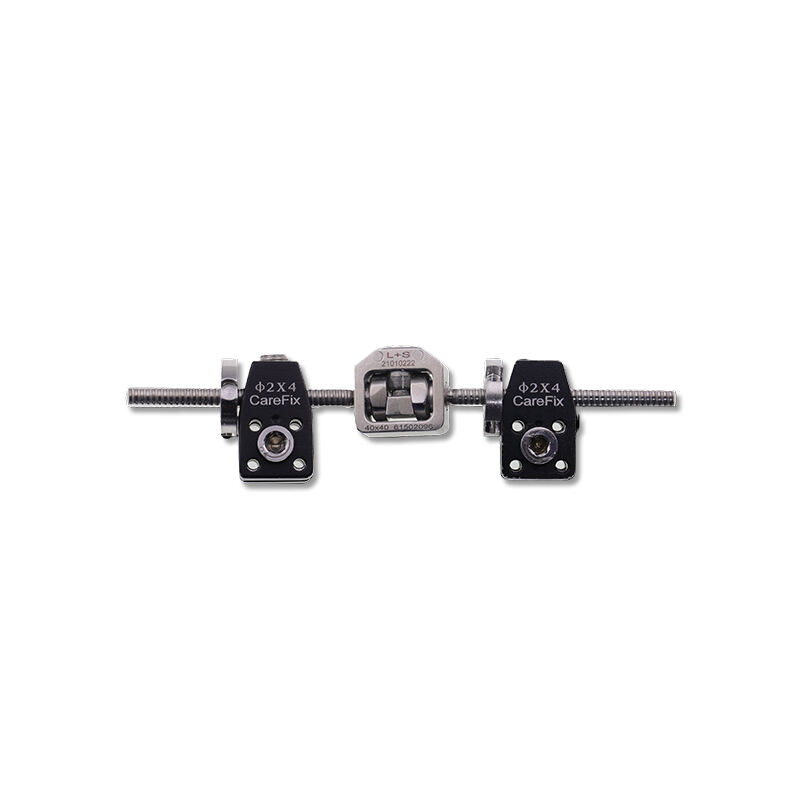
The Ilizarov apparatus has revolutionized orthopedic surgery by providing unparalleled precision in bone transport and limb lengthening procedures. This innovative external fixation system, developed by Soviet orthopedic surgeon Gavriil Ilizarov in the 1950s, has become the gold standard for complex bone reconstruction procedures worldwide. The apparatus utilizes the principle of distraction osteogenesis, where controlled mechanical forces gradually separate bone segments to stimulate new bone formation. Modern orthopedic surgeons increasingly rely on this technology for treating severe fractures, bone defects, and limb length discrepancies with remarkable success rates.
Historical Development and Scientific Foundation
Origins in Soviet Medical Innovation
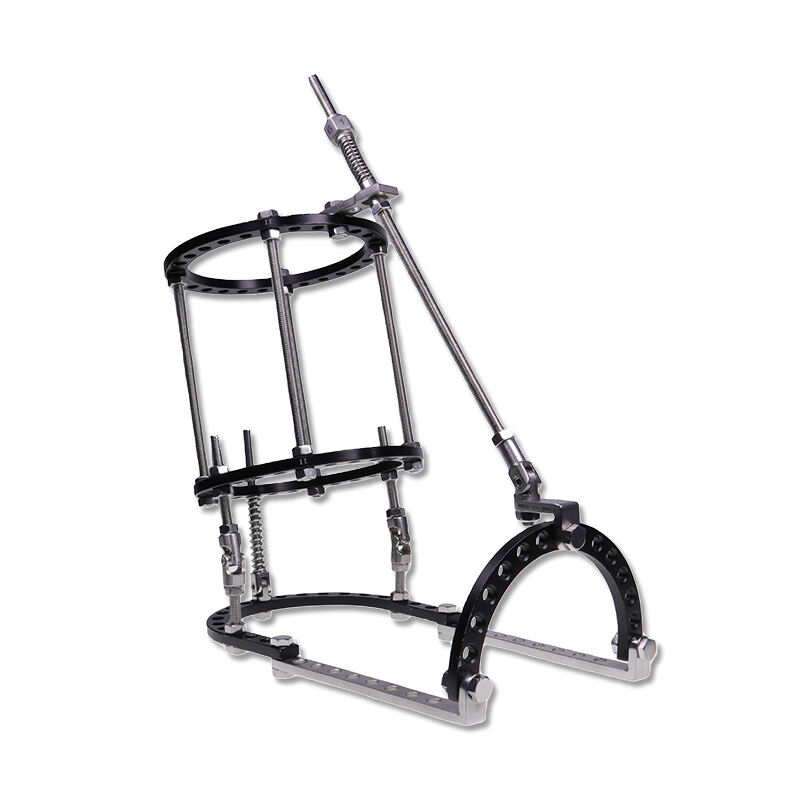
The development of the Ilizarov apparatus emerged from necessity during the post-war Soviet era when Dr. Gavriil Ilizarov worked in remote Siberian hospitals with limited resources. His groundbreaking observations about bone healing under tension led to the formulation of distraction osteogenesis principles. The original design incorporated circular rings connected by tensioned wires, creating a stable yet adjustable framework around the affected limb. This innovative approach challenged conventional orthopedic wisdom that emphasized immobilization for bone healing.
Ilizarov's research demonstrated that controlled mechanical stress could stimulate bone regeneration through the law of tension-stress. His experiments revealed that gradual distraction at optimal rates of one millimeter per day in four increments could generate new bone, soft tissue, and blood vessels simultaneously. This discovery fundamentally changed understanding of bone biology and established the scientific foundation for modern bone transport techniques. The apparatus design evolved through decades of clinical application and refinement, incorporating advanced materials and precision engineering.
Scientific Principles Behind Bone Transport
The Ilizarov apparatus operates on well-established biological principles that govern bone regeneration and tissue adaptation. Distraction osteogenesis activates cellular mechanisms similar to natural bone growth, stimulating osteoblast proliferation and matrix synthesis. The controlled mechanical environment created by the apparatus promotes optimal healing conditions while maintaining limb function throughout treatment. Research has shown that the gradual distraction process enhances blood supply to the regenerating tissue, supporting robust bone formation.
Modern biomechanical studies have validated Ilizarov's original observations, demonstrating that the apparatus creates an ideal stress environment for bone regeneration. The circular frame design distributes forces evenly across multiple fixation points, reducing stress concentration and minimizing complications. Advanced imaging techniques now allow surgeons to monitor bone formation in real-time, optimizing distraction rates based on individual patient responses. This scientific understanding has led to refined protocols that maximize treatment outcomes while minimizing patient discomfort.
Clinical Applications and Surgical Advantages
Complex Fracture Management
The Ilizarov apparatus excels in managing complex fractures that challenge conventional fixation methods, particularly those involving significant bone loss or infection. Open fractures with extensive soft tissue damage benefit from the apparatus's ability to maintain stability while allowing access for wound care and soft tissue reconstruction. The external nature of the fixation eliminates the need for large implants in contaminated wounds, reducing infection risk significantly. Surgeons can adjust the frame configuration during treatment to accommodate changing clinical needs and optimize healing conditions.
Infected nonunions represent another area where the apparatus demonstrates superior performance compared to internal fixation methods. The ability to maintain mechanical stability while addressing infection makes it invaluable for salvaging severely compromised limbs. The gradual compression and distraction capabilities allow surgeons to eliminate gaps, correct deformities, and stimulate healing simultaneously. Clinical studies consistently show higher success rates for infected bone conditions when treated with external fixation techniques compared to traditional approaches.
Limb Lengthening and Deformity Correction
Limb length discrepancy correction has become synonymous with Ilizarov apparatus application, offering patients life-changing outcomes through gradual lengthening procedures. The apparatus allows for simultaneous correction of angular deformities while achieving desired length, addressing multiple pathological conditions in a single treatment course. Advanced computer-assisted planning now enables surgeons to predict outcomes accurately and optimize treatment strategies for individual patients. The psychological benefits of maintained mobility during treatment cannot be overstated, as patients can continue daily activities throughout the lengthening process.
Congenital conditions such as achondroplasia and hemimelia benefit tremendously from systematic lengthening protocols using external fixation technology. The apparatus enables surgeons to achieve significant length gains while preserving joint function and soft tissue integrity. Modern techniques incorporate hexapod frames that provide computer-controlled precision in six degrees of freedom, allowing for complex three-dimensional corrections. Patient satisfaction rates remain consistently high due to the predictable nature of treatment outcomes and preserved quality of life during therapy.
Technological Advancements and Modern Innovations
Computer-Assisted Hexapod Systems
Contemporary developments in external fixation technology have enhanced the traditional Ilizarov apparatus through computer-assisted hexapod systems that provide unprecedented precision in bone manipulation. These advanced frames utilize six telescopic struts controlled by sophisticated software algorithms that calculate optimal adjustment schedules for complex three-dimensional corrections. The integration of digital planning tools allows surgeons to visualize treatment outcomes before beginning procedures, improving accuracy and reducing treatment duration significantly.
Hexapod technology has simplified the correction of complex deformities that previously required multiple surgical procedures and frame modifications. The computer-generated prescription eliminates guesswork from daily adjustments, ensuring consistent progress toward treatment goals. Patient compliance improves dramatically when adjustment schedules are clearly defined and progress can be monitored objectively. Remote monitoring capabilities now allow surgeons to track patient progress and modify treatment plans without requiring frequent office visits, particularly beneficial for patients in remote locations.
Materials Science and Design Evolution
Advanced materials science has transformed the construction and performance of modern external fixation systems, incorporating titanium alloys and carbon fiber components that provide superior strength-to-weight ratios compared to original steel constructions. Biocompatible coatings reduce tissue reaction and improve patient tolerance during extended treatment periods. Modular design concepts allow for customization of frame configurations to match specific anatomical requirements and treatment objectives while maintaining system versatility.
Precision manufacturing techniques have improved component tolerances and assembly accuracy, resulting in more reliable mechanical performance and smoother adjustment mechanisms. Quick-connect systems facilitate rapid frame assembly and modification during surgery, reducing operative time and improving surgical efficiency. Ergonomic improvements in adjustment tools and patient interface design enhance the overall treatment experience while maintaining the fundamental principles that make the system effective for bone transport applications.
Clinical Outcomes and Success Rates
Comparative Effectiveness Studies
Extensive clinical research has demonstrated the superior effectiveness of the Ilizarov apparatus compared to alternative treatment methods for complex orthopedic conditions requiring bone transport. Systematic reviews and meta-analyses consistently show higher union rates and lower complication rates when external fixation techniques are employed for infected nonunions and massive bone defects. Long-term follow-up studies reveal excellent functional outcomes and high patient satisfaction rates across diverse patient populations and anatomical locations.
Comparative studies between internal and external fixation methods highlight the advantages of external systems in contaminated environments and compromised soft tissue conditions. The ability to maintain reduction while allowing soft tissue healing creates optimal conditions for bone regeneration without the complications associated with buried hardware. Recovery times often prove shorter with external fixation techniques due to the preservation of blood supply and reduced surgical trauma compared to extensive internal reconstruction procedures.
Complication Management and Risk Mitigation
Modern protocols for external fixation management have significantly reduced complication rates through improved understanding of pin site care, optimal frame configurations, and patient education programs. Early recognition and treatment of common issues such as pin site infections and joint stiffness prevent progression to more serious complications. Standardized care protocols ensure consistent outcomes across different treatment centers and surgical teams, maintaining the high success rates associated with proper technique implementation.
Advanced imaging techniques enable early detection of healing complications, allowing for timely intervention and treatment modification when necessary. The reversible nature of external fixation provides flexibility in management approaches, permitting frame modifications or alternative treatments if initial protocols prove inadequate. Patient education programs emphasizing proper care techniques and warning signs have proven essential for optimal outcomes and complication prevention throughout extended treatment courses.
Patient Selection and Treatment Planning
Optimal Candidate Identification
Successful outcomes with the Ilizarov apparatus depend heavily on careful patient selection and comprehensive preoperative evaluation to identify candidates most likely to benefit from external fixation techniques. Factors such as bone quality, soft tissue condition, patient compliance, and psychosocial support systems play crucial roles in determining treatment success. Advanced imaging studies including CT scans and MRI provide detailed anatomical information essential for surgical planning and frame configuration design.
Age considerations vary significantly depending on the specific indication, with pediatric patients often demonstrating enhanced healing capacity while elderly patients may require modified protocols to accommodate age-related physiological changes. Comorbidity assessment helps identify patients at higher risk for complications, allowing for appropriate modifications in treatment approach or alternative therapy selection. Psychological evaluation ensures patients understand the commitment required for successful external fixation treatment and possess the mental fortitude necessary for extended therapy periods.
Comprehensive Treatment Protocol Development
Modern treatment planning incorporates multidisciplinary team approaches that coordinate surgical, rehabilitation, and psychosocial support services throughout the treatment course. Computer modeling and simulation tools allow surgeons to optimize frame configurations and predict treatment outcomes before initiating therapy. Detailed protocols addressing every aspect of care from initial application through frame removal ensure consistent results and minimize variability between treatment centers and surgical teams.
Rehabilitation planning begins before surgery, with physical therapy teams developing strategies to maintain function and prevent complications during external fixation treatment. Pain management protocols incorporate multimodal approaches that minimize narcotic dependency while ensuring patient comfort throughout the treatment process. Follow-up schedules balance the need for monitoring progress with practical considerations of patient convenience and healthcare resource utilization, optimizing outcomes while maintaining cost-effectiveness.
FAQ
How long does treatment with an Ilizarov apparatus typically take?
Treatment duration with an Ilizarov apparatus varies significantly depending on the specific condition being treated and the amount of bone regeneration required. Limb lengthening procedures typically require approximately one month of distraction for each centimeter of length gained, followed by a consolidation phase of equal or greater duration. Complex fracture healing may take anywhere from three to twelve months, depending on the severity of bone and soft tissue damage. Factors such as patient age, overall health, and compliance with treatment protocols significantly influence healing timeframes and overall treatment duration.
What are the main advantages of external fixation over internal fixation methods?
External fixation offers several key advantages over internal fixation, particularly in contaminated or infected conditions where buried hardware poses significant risks. The ability to adjust reduction and compression dynamically throughout healing provides optimal mechanical environment for bone regeneration. Access to the fracture site remains unimpeded, facilitating wound care and soft tissue management when necessary. The preservation of blood supply around the fracture site enhances healing potential, while the reversible nature of external fixation allows for treatment modifications if complications arise or alternative approaches become necessary.
Are there any contraindications or limitations to using the Ilizarov apparatus?
Certain conditions may limit the effectiveness or safety of Ilizarov apparatus application, including severe osteoporosis, active malignancy, or significant vascular compromise that could impair healing. Patients with severe psychological disorders or inability to comply with treatment protocols may not be suitable candidates for external fixation therapy. Technical limitations include anatomical constraints in certain locations and the complexity of treating multiple level deformities simultaneously. Relative contraindications include pregnancy, severe systemic illness, and unrealistic patient expectations regarding treatment outcomes or duration.
How has computer technology improved modern external fixation systems?
Computer technology has revolutionized external fixation through advanced planning software that enables three-dimensional visualization and precise treatment prediction before surgery begins. Hexapod frame systems incorporate computer-controlled struts that provide unprecedented accuracy in bone positioning and deformity correction. Digital monitoring systems track patient progress and generate automated adjustment schedules, eliminating guesswork from daily care routines. Telemedicine capabilities allow remote consultation and monitoring, improving access to specialized care while reducing the need for frequent clinic visits during extended treatment periods.