EN
EN

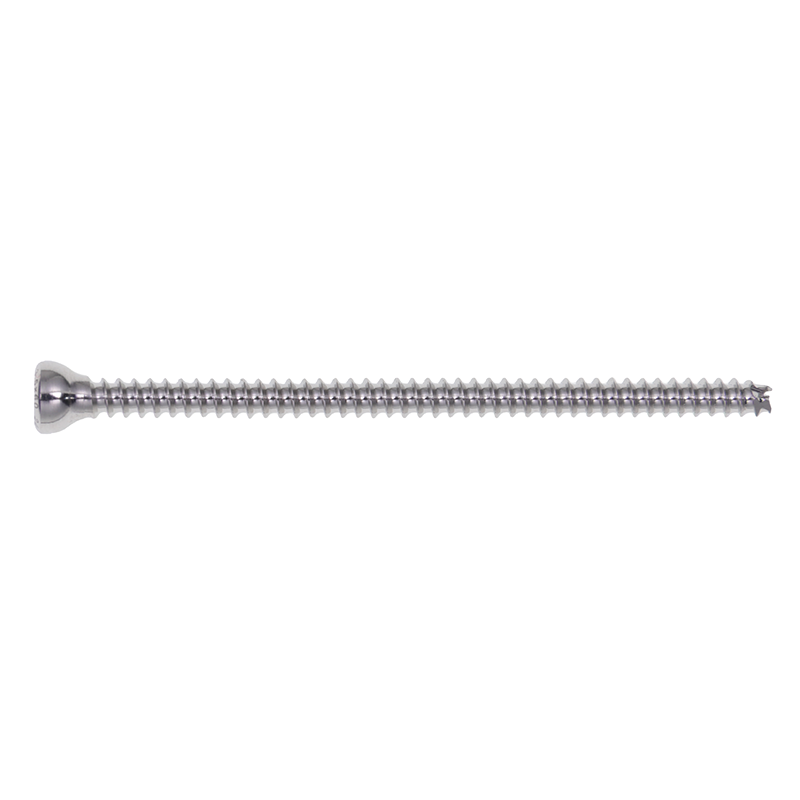
Orthopedic care represents a critical medical specialty that spans all life stages, from pediatric patients with developing skeletal systems to elderly adults facing degenerative conditions. Modern orthopedic solutions must address the unique anatomical and physiological needs of different age groups while maintaining the highest standards of safety and effectiveness. The evolution of orthopedic devices has transformed patient outcomes across all demographics, with specialized implants and surgical instruments designed to accommodate the specific requirements of growing bones in children and the complex needs of mature skeletal systems in adults.
Understanding Age-Specific Orthopedic Requirements
Pediatric Bone Development and Growth Considerations
Children's bones undergo constant remodeling and growth processes that significantly impact orthopedic treatment approaches. The presence of growth plates, or physes, requires specialized consideration when selecting implants and surgical techniques. These areas of developing cartilage are vulnerable to injury and must be protected during any orthopedic intervention. Pediatric bones also demonstrate remarkable healing capacity due to increased blood supply and cellular activity, which influences the design and material selection for orthopedic devices.
The biomechanical properties of pediatric bones differ substantially from adult bone tissue. Children's bones exhibit greater flexibility and elasticity, making them more prone to incomplete fractures such as greenstick fractures. This unique characteristic necessitates orthopedic solutions that can accommodate ongoing growth while providing adequate stabilization. The challenge lies in creating devices that support healing without interfering with natural bone development or causing growth disturbances that could lead to limb length discrepancies or angular deformities.
Adult and Geriatric Bone Characteristics
Adult skeletal systems present different challenges for orthopedic care, particularly as patients age and bone density decreases. Osteoporosis and osteopenia become increasingly common, affecting the anchoring properties of implants and screws. Adult bones have completed their growth phase, allowing for different surgical approaches and implant designs that prioritize stability and longevity over growth accommodation. The healing process in adults typically takes longer than in pediatric patients due to reduced cellular activity and decreased blood supply to bone tissue.
Geriatric patients often present with multiple comorbidities that influence orthopedic treatment decisions. Factors such as diabetes, cardiovascular disease, and medication interactions must be considered when selecting appropriate orthopedic solutions. The quality of bone tissue in elderly patients may require specialized implant designs with enhanced fixation properties and biocompatible materials that promote osseointegration despite compromised bone quality.
Comprehensive Fracture Management Solutions
Pediatric Fracture Treatment Strategies
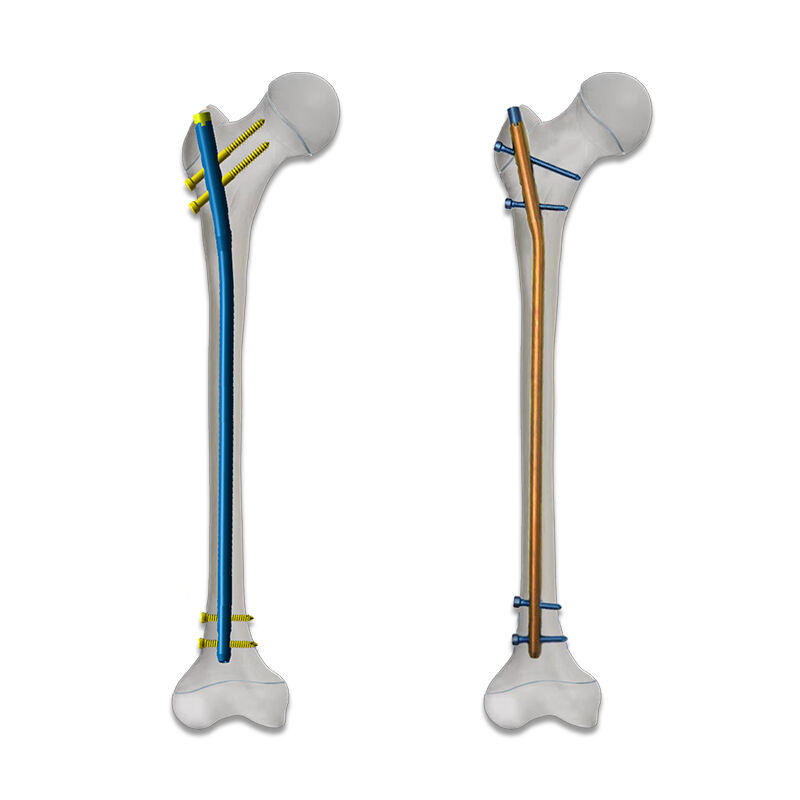
Pediatric fracture management requires careful consideration of growth potential and the unique healing characteristics of developing bones. The selection of appropriate fixation methods depends on fracture location, severity, and the child's age and growth remaining. Internal fixation devices for children must be designed to minimize growth plate interference while providing adequate stability for proper healing. pediatric femoral interlocking nail systems represent advanced solutions specifically engineered for growing bones.
The timing of surgical intervention in pediatric cases often differs from adult protocols due to the rapid healing capacity of children's bones. Early mobilization and return to normal activities are typically encouraged to prevent muscle atrophy and joint stiffness. Orthopedic devices for pediatric use must accommodate this accelerated healing timeline while providing sufficient support during the critical healing phases. Material selection becomes crucial, as devices may need to be removed once healing is complete to avoid complications during continued growth.
Adult Fracture Fixation Techniques
Adult fracture management focuses on achieving anatomical reduction and stable fixation to restore function and prevent complications. The variety of available implants for adult patients allows for customized treatment approaches based on bone quality, fracture pattern, and patient activity level. Advanced locking plate technology and intramedullary nail systems provide reliable fixation options for complex fractures in adult patients.
Modern adult orthopedic solutions incorporate features such as minimally invasive surgical techniques, which reduce soft tissue damage and promote faster recovery. The development of patient-specific implants using advanced imaging and manufacturing technologies has revolutionized treatment outcomes for complex cases. These innovations allow surgeons to pre-plan procedures and optimize implant positioning for individual anatomical variations.
Joint Replacement and Reconstruction Options
Pediatric Joint Preservation Techniques
Joint replacement in pediatric patients presents unique challenges due to the need for multiple revision surgeries as children grow. Conservative approaches focusing on joint preservation and reconstruction are typically preferred when possible. Techniques such as osteotomies, growth modulation, and cartilage restoration procedures aim to maintain natural joint function while addressing underlying pathology.
When joint replacement becomes necessary in pediatric patients, special considerations include implant longevity, growth accommodation, and the likelihood of future revisions. Pediatric-specific implant designs incorporate features that can accommodate continued growth or facilitate easier revision procedures. The psychological impact of major orthopedic surgery on children and their families requires comprehensive support and education throughout the treatment process.
Adult Joint Replacement Systems
Adult joint replacement has achieved remarkable success rates with modern implant designs and surgical techniques. Total hip and knee replacements represent some of the most successful procedures in orthopedic surgery, with long-term survival rates exceeding 90% at 15 years. Advanced bearing surfaces, improved implant designs, and enhanced surgical instrumentation continue to improve patient outcomes and implant longevity.
The development of partial joint replacement options provides alternatives for patients with localized joint damage. Unicompartmental knee replacements and hip resurfacing procedures offer tissue-sparing approaches that may be appropriate for younger, more active adult patients. Patient selection criteria for these procedures continue to evolve as long-term outcome data becomes available and surgical techniques are refined.
Specialized Orthopedic Devices and Technologies
Growth-Friendly Implant Systems
Growth-friendly implants represent a significant advancement in pediatric orthopedic care, particularly for conditions such as scoliosis and limb length discrepancies. These devices are designed to accommodate continued growth while providing necessary correction and support. Expandable rods, magnetic lengthening systems, and guided growth plates allow for gradual correction over time without repeated surgical procedures.
The integration of smart technologies into pediatric orthopedic devices has opened new possibilities for monitoring and adjustment. Remote-controlled lengthening devices eliminate the need for frequent surgical procedures, reducing patient morbidity and healthcare costs. These innovations require careful patient selection and comprehensive follow-up protocols to ensure optimal outcomes and detect potential complications early.
Advanced Materials and Biocompatibility
Material science advances have significantly impacted orthopedic device development across all age groups. Titanium alloys, cobalt-chromium compounds, and specialized polymers offer different advantages depending on the specific application and patient requirements. Bioactive coatings and surface treatments enhance osseointegration and reduce infection risk, particularly important in pediatric applications where immune systems may be developing.
The development of biodegradable materials for temporary fixation devices represents an emerging trend in orthopedic care. These materials provide necessary support during healing while gradually dissolving, eliminating the need for implant removal procedures. This technology shows particular promise in pediatric applications where growth considerations make permanent implants problematic.
Surgical Planning and Navigation Technologies
Preoperative Planning Systems
Modern orthopedic surgery relies heavily on advanced imaging and planning technologies to optimize outcomes across all age groups. Three-dimensional reconstruction from CT and MRI data allows surgeons to visualize complex anatomy and plan procedures with unprecedented precision. Computer-assisted surgical planning helps determine optimal implant sizes, positions, and orientations before entering the operating room.
Virtual reality and augmented reality technologies are beginning to impact orthopedic training and surgical planning. These tools allow surgeons to practice complex procedures and explore different surgical approaches in a risk-free environment. The application of these technologies in pediatric orthopedics is particularly valuable given the unique anatomical considerations and the critical importance of preserving growth potential.
Intraoperative Navigation and Robotics
Computer-assisted navigation systems provide real-time feedback during orthopedic procedures, helping surgeons achieve optimal implant positioning and alignment. These systems are particularly valuable in complex cases where anatomical landmarks may be distorted or difficult to identify. The integration of robotics into orthopedic surgery offers potential advantages in terms of precision and consistency, though adoption rates vary by specialty and geographic region.
The application of navigation technology in pediatric orthopedics requires special considerations for smaller anatomical structures and radiation exposure concerns. Miniaturized instruments and low-dose imaging protocols have been developed to address these unique requirements. The continued evolution of these technologies promises to further improve surgical precision and patient outcomes across all age groups.
Recovery and Rehabilitation Considerations
Age-Specific Rehabilitation Protocols
Rehabilitation approaches must be tailored to the specific needs and capabilities of different age groups. Pediatric patients typically demonstrate remarkable adaptability and healing capacity, allowing for accelerated rehabilitation protocols in many cases. However, compliance with rehabilitation instructions may be challenging in younger children, requiring creative approaches and family involvement to ensure optimal outcomes.
Adult and geriatric patients may require longer rehabilitation periods and modified approaches based on comorbidities and functional limitations. Physical therapy protocols must account for factors such as bone quality, muscle strength, and cognitive function. The integration of technology-assisted rehabilitation tools and remote monitoring systems can enhance compliance and outcomes across all age groups.
Long-term Monitoring and Follow-up
Comprehensive follow-up care is essential for optimal outcomes in orthopedic treatment across all age groups. Pediatric patients require continued monitoring throughout their growth and development to identify potential complications or the need for additional interventions. Growth charts, functional assessments, and regular imaging studies help track progress and guide treatment decisions.
Adult patients benefit from structured follow-up protocols that monitor implant performance, functional outcomes, and patient satisfaction. The development of patient-reported outcome measures has enhanced the ability to assess treatment effectiveness from the patient's perspective. Long-term registries and outcome databases provide valuable information for continuous improvement in orthopedic care delivery.
FAQ
What are the main differences between pediatric and adult orthopedic treatments
Pediatric orthopedic treatments must account for ongoing growth and development, requiring specialized implants and techniques that protect growth plates and accommodate continued bone development. Adult treatments focus on restoring function and stability without growth considerations. Pediatric bones heal faster due to increased blood supply and cellular activity, while adult bones may require longer healing times and different fixation strategies based on bone quality and patient comorbidities.
How do growth-friendly implants work in pediatric orthopedic care
Growth-friendly implants are designed to accommodate continued skeletal growth while providing necessary support and correction. These devices may feature expandable components, sliding mechanisms, or magnetic lengthening systems that can be adjusted over time. They allow for gradual correction of deformities or maintenance of spinal alignment during growth spurts, reducing the need for multiple surgical procedures and preserving growth potential.
What factors determine the choice of orthopedic implant materials across age groups
Implant material selection depends on patient age, bone quality, expected implant longevity, biocompatibility requirements, and specific clinical indications. Titanium alloys are commonly used across all age groups due to excellent biocompatibility and osseointegration properties. In pediatric cases, biodegradable materials may be preferred for temporary applications to eliminate removal procedures. Adult patients may receive different materials based on activity level, bone quality, and expected implant lifespan.
How has technology improved orthopedic surgery outcomes for different age groups
Advanced imaging, computer-assisted planning, and navigation systems have significantly improved surgical precision and outcomes across all age groups. Three-dimensional planning allows for optimal implant selection and positioning, while intraoperative navigation provides real-time feedback during procedures. Minimally invasive techniques reduce tissue trauma and accelerate recovery times. For pediatric patients, specialized imaging protocols minimize radiation exposure while maintaining diagnostic quality, and child-sized instruments improve surgical precision in smaller anatomical structures.
Table of Contents
- Understanding Age-Specific Orthopedic Requirements
- Comprehensive Fracture Management Solutions
- Joint Replacement and Reconstruction Options
- Specialized Orthopedic Devices and Technologies
- Surgical Planning and Navigation Technologies
- Recovery and Rehabilitation Considerations
-
FAQ
- What are the main differences between pediatric and adult orthopedic treatments
- How do growth-friendly implants work in pediatric orthopedic care
- What factors determine the choice of orthopedic implant materials across age groups
- How has technology improved orthopedic surgery outcomes for different age groups