Metallic Orthopedic Implants - Durable Solutions

Get a Free Quote

Our representative will contact you soon.
Email
Name
Company Name
Message
0/1000

metallic orthopedic implants

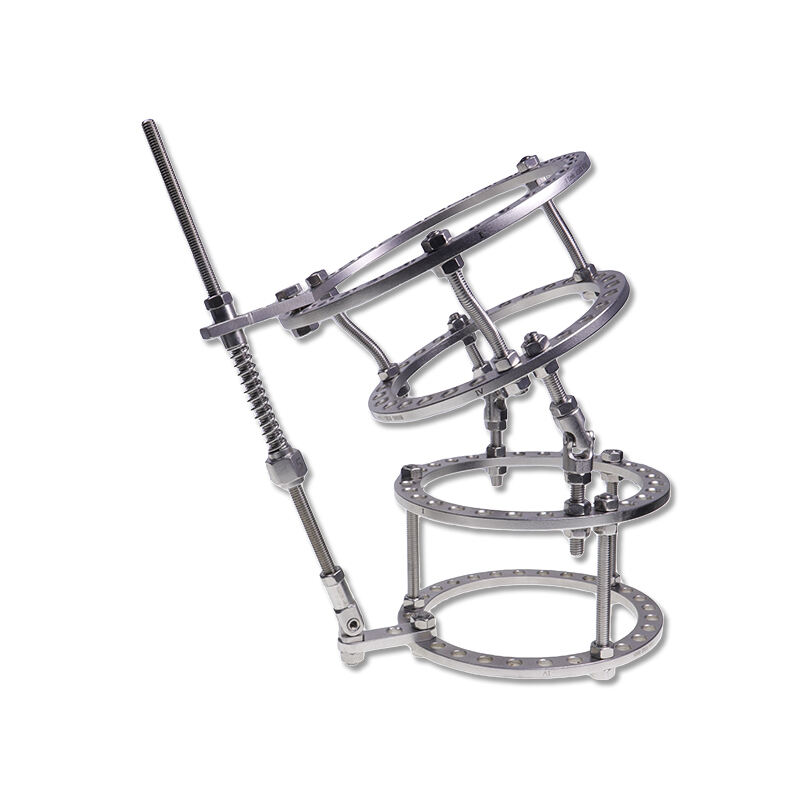
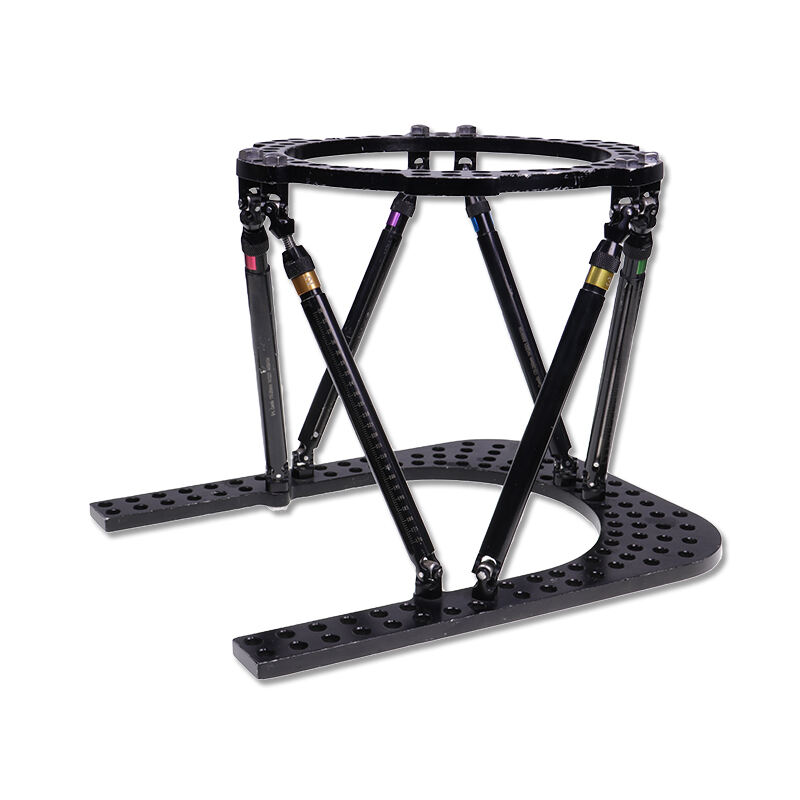
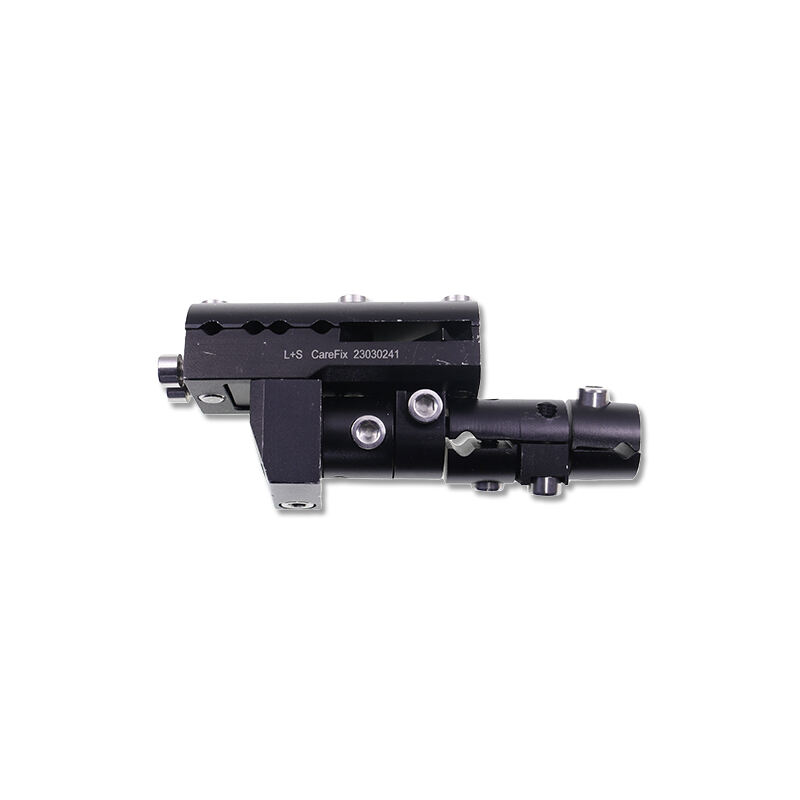
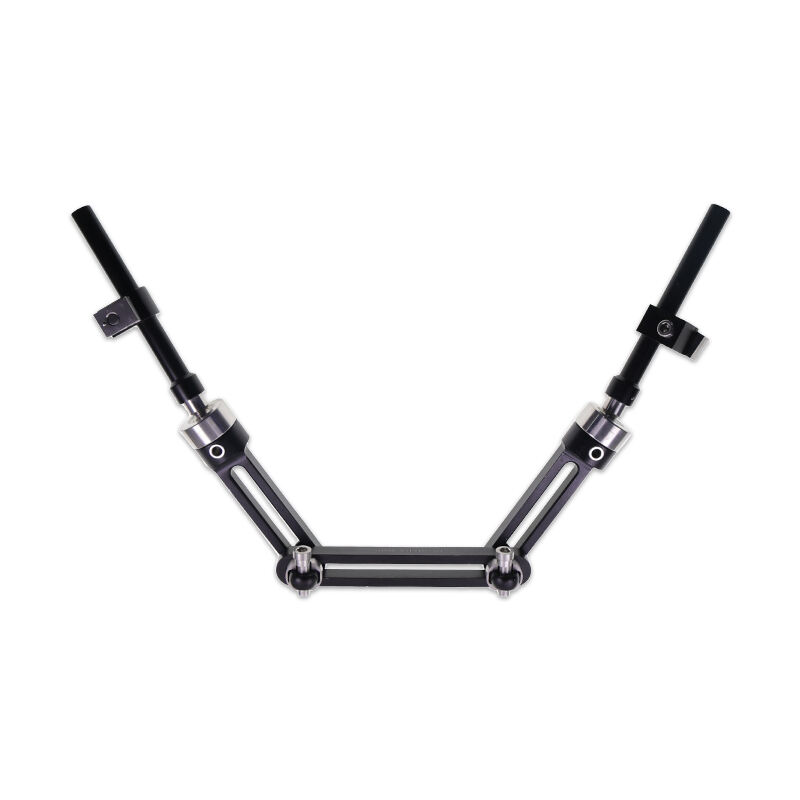
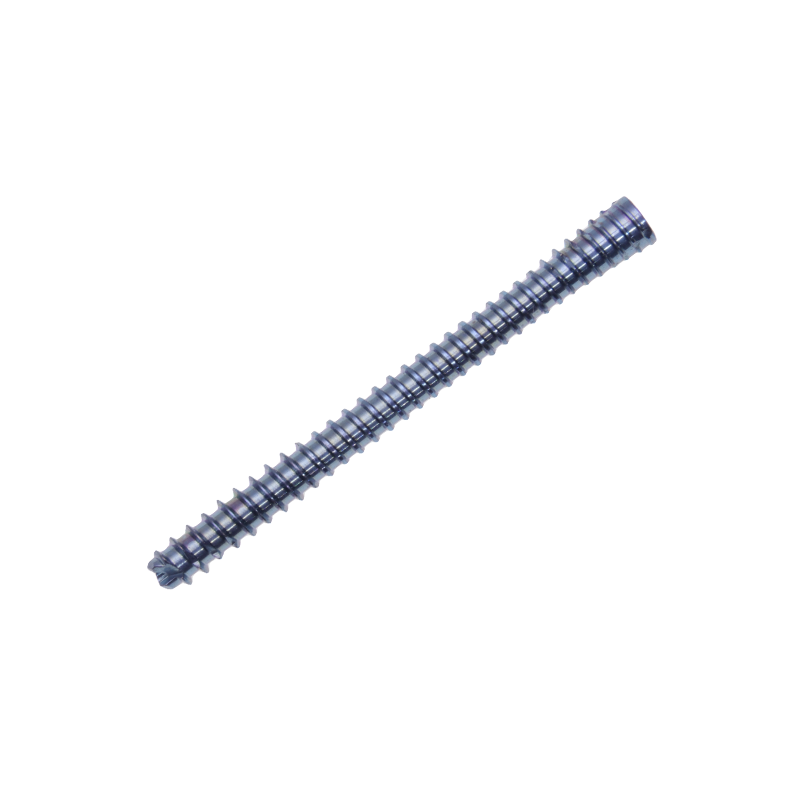
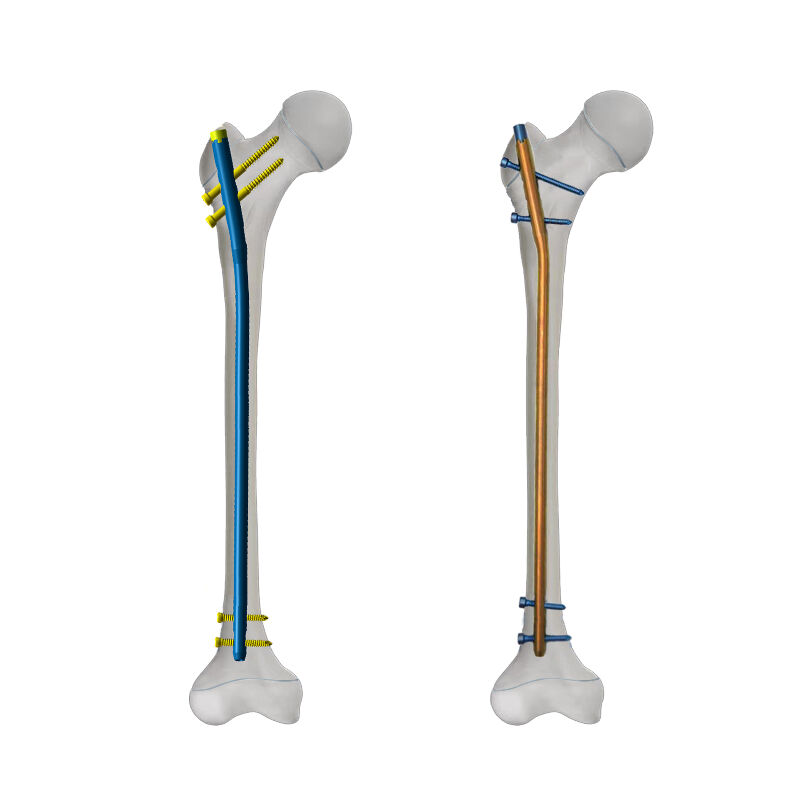
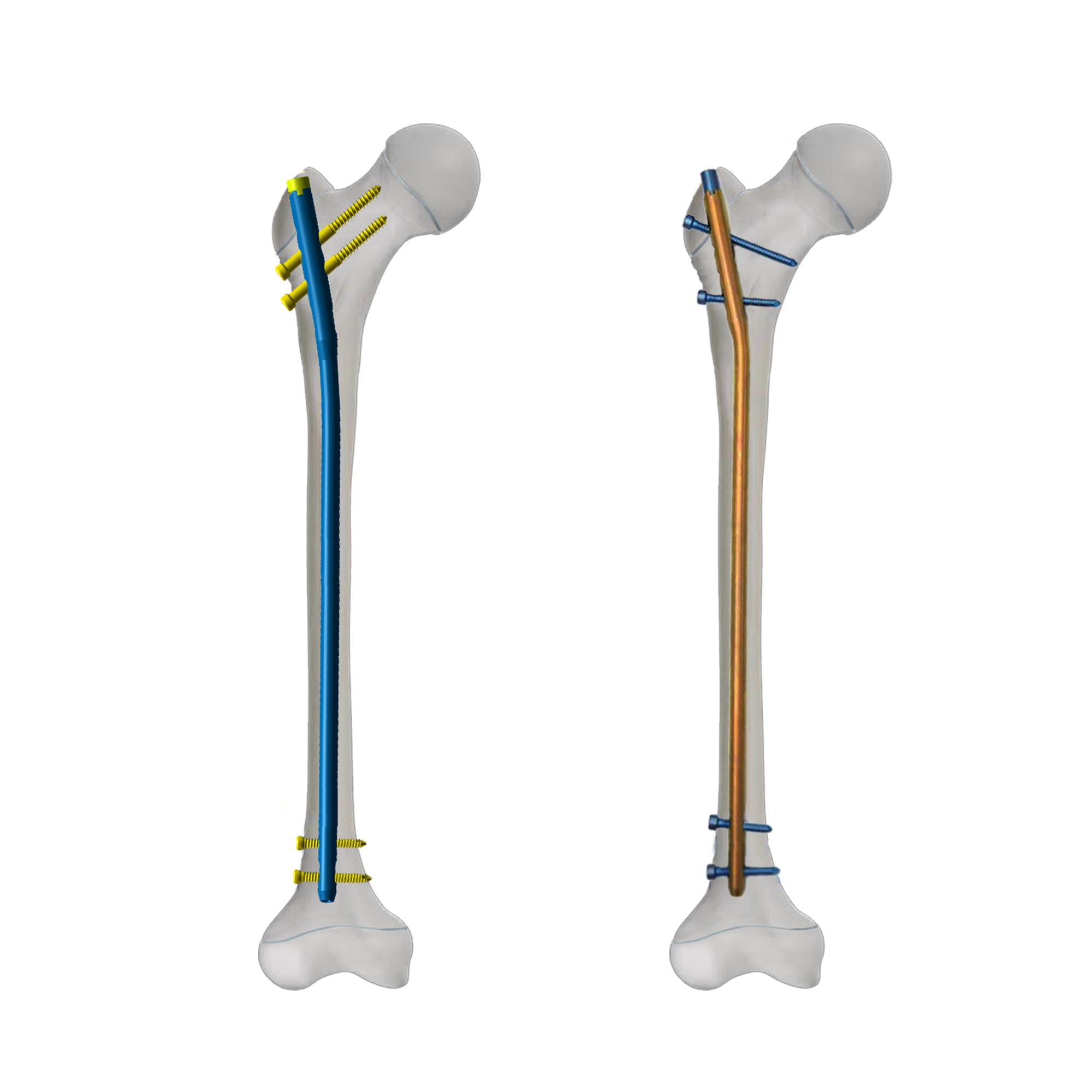
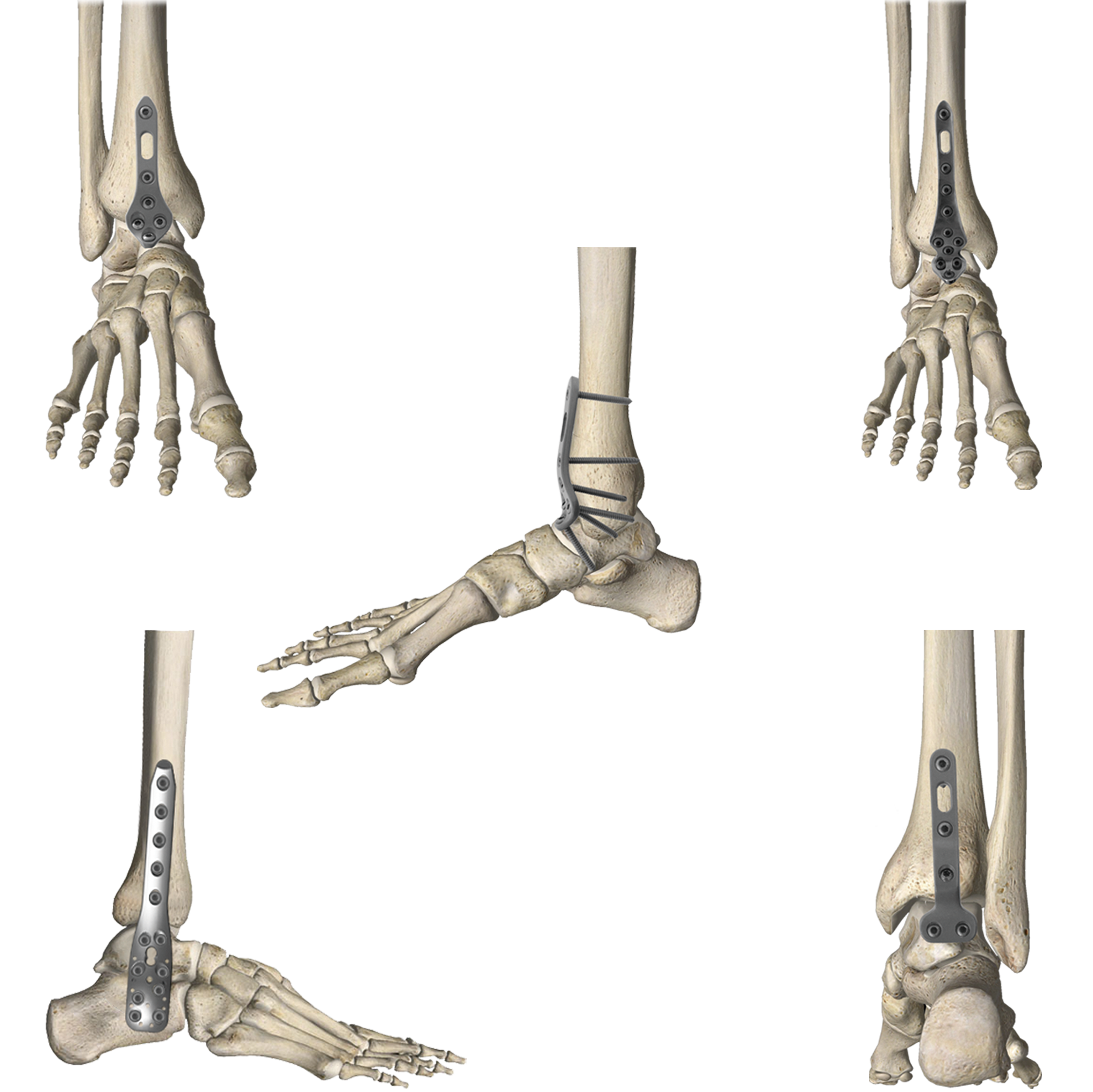
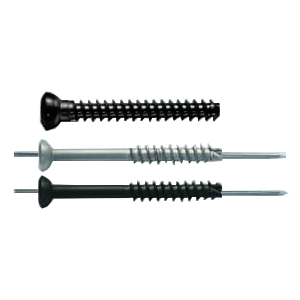
Metallic orthopedic implants represent essential medical devices designed to restore function and stability to damaged or diseased skeletal structures. These sophisticated implants are manufactured from biocompatible metals including titanium alloys, stainless steel, and cobalt-chromium compounds, each selected for their exceptional strength and compatibility with human tissue. The main functions of metallic orthopedic implants encompass fracture fixation, joint replacement, spinal stabilization, and bone reconstruction. These devices serve as permanent or temporary solutions that enable patients to regain mobility and return to daily activities following injury or degenerative conditions. Technologically, metallic orthopedic implants feature advanced surface treatments that promote osseointegration, allowing natural bone to bond directly with the implant surface. Modern manufacturing techniques include precision CNC machining, 3D printing for customized solutions, and specialized coating processes that enhance biocompatibility. The implants are designed with anatomical considerations, offering various sizes and configurations to match individual patient anatomy. Applications span multiple orthopedic subspecialties: trauma surgery utilizes plates, screws, and intramedullary nails for fracture management; arthroplasty procedures employ joint replacement components for hips, knees, and shoulders; spinal surgery incorporates rods, pedicle screws, and cages for vertebral support; and reconstructive procedures use specialized implants for complex bone defects. The versatility of metallic orthopedic implants makes them indispensable across emergency trauma care, elective joint replacement procedures, and corrective surgeries for congenital deformities or acquired conditions.

New Products

Choosing metallic orthopedic implants delivers substantial practical benefits that directly impact patient outcomes and surgical success rates. The superior mechanical strength of these devices ensures they can withstand the substantial forces generated during daily activities, providing reliable support throughout the healing process. This durability translates to fewer implant failures and reduced need for revision surgeries, offering patients peace of mind and healthcare providers confidence in long-term results. From an operational perspective, metallic orthopedic implants streamline surgical workflows through standardized instrumentation systems and well-established insertion techniques that surgeons trust. The radiopaque properties of metal allow clear visualization on X-rays and CT scans, enabling physicians to monitor implant position and bone healing progression accurately during follow-up appointments. This imaging compatibility supports better clinical decision-making and timely intervention if adjustments become necessary. The biocompatibility of modern metallic orthopedic implants minimizes adverse tissue reactions, with proven track records spanning decades of clinical use across millions of patients worldwide. Application suitability extends across diverse patient populations, from young trauma victims requiring temporary fixation to elderly individuals needing permanent joint replacements. The cost-effectiveness of metallic orthopedic implants compared to alternative materials makes advanced orthopedic care accessible to broader patient demographics. Metal implants require no special handling or storage conditions, simplifying hospital logistics and reducing waste. The established regulatory pathways and extensive clinical data supporting metallic orthopedic implants provide hospitals and patients with confidence backed by scientific evidence. For buyers evaluating options, the combination of proven performance, comprehensive size ranges, compatibility with existing surgical systems, and favorable reimbursement status makes metallic orthopedic implants the practical choice for sustainable orthopedic programs.

Latest News

Special Needs of Children's Bones: Design Philosophy of Pediatric Internal Fixation Systems

16

Dec

Special Needs of Children's Bones: Design Philosophy of Pediatric Internal Fixation Systems

Children's bones present unique challenges that require specialized approaches in orthopedic surgery. Unlike adult skeletal structures, pediatric bones are constantly growing, adapting, and remodeling throughout development. When fractures or deformi...
View More
Understanding Intramedullary Nail Complications

13

Jan

Understanding Intramedullary Nail Complications

Intramedullary nail complications represent a significant concern in orthopedic surgery, affecting patient outcomes and recovery timelines. These complications can arise during insertion, throughout the healing process, or during long-term implant re...
View More
Evolution of Intervertebral Fusion Device Materials: Clinical Efficacy Comparison between PEEK and Titanium Alloy

13

Jan

Evolution of Intervertebral Fusion Device Materials: Clinical Efficacy Comparison between PEEK and Titanium Alloy

The advancement of spinal surgery has been significantly influenced by the development of sophisticated intervertebral fusion device technologies. Modern spine surgeons rely heavily on these devices to achieve successful fusion outcomes while minimiz...
View More
The application advantages of modular braces in ankle fractures

11

Feb

The application advantages of modular braces in ankle fractures

Ankle fractures represent one of the most challenging orthopedic conditions, requiring precise stabilization and optimal healing conditions. Modern orthopedic treatment has evolved significantly with the introduction of advanced fixation systems, par...
View More

Get a Free Quote

Our representative will contact you soon.
Email
Name
Company Name
Message
0/1000

metallic orthopedic implants

Exceptional Biocompatibility and Osseointegration

Exceptional Biocompatibility and Osseointegration

The biocompatibility of metallic orthopedic implants stands as a cornerstone advantage, ensuring harmonious integration with human physiology. Advanced titanium alloys and specialized surface treatments create implant surfaces that actively encourage bone cells to attach and proliferate directly onto the metal substrate. This osseointegration process establishes a biological bond between living bone tissue and the implant, creating stability that surpasses mechanical fixation alone. The corrosion-resistant properties of medical-grade metals prevent ion release that could trigger inflammatory responses or allergic reactions in surrounding tissues. Decades of clinical evidence demonstrate that properly manufactured metallic orthopedic implants maintain their structural integrity and biological compatibility throughout their intended service life. Patients benefit from reduced risk of implant rejection, minimized soft tissue irritation, and lower infection rates compared to historical implant materials. Surgeons appreciate the predictable healing patterns and reliable fixation strength that biocompatible metals provide. The surface engineering techniques applied to modern metallic orthopedic implants, including plasma spraying, anodization, and hydroxyapatite coating, further enhance the biological response and accelerate the integration timeline, allowing patients to progress through rehabilitation protocols more quickly and return to functional activities sooner.
Superior Mechanical Strength and Durability

Superior Mechanical Strength and Durability

Metallic orthopedic implants deliver unmatched mechanical performance essential for supporting the demanding loads encountered in skeletal applications. The high tensile strength and fatigue resistance of metals like cobalt-chromium and titanium alloys enable implants to endure millions of loading cycles without failure, matching or exceeding the lifespan requirements for permanent implantation. This mechanical reliability proves particularly critical in weight-bearing applications such as hip stems, tibial plates, and spinal fusion constructs where implant failure could result in catastrophic consequences. The ductility of these materials allows controlled deformation under extreme stress rather than sudden brittle fracture, providing an additional safety margin during unexpected traumatic events. Engineering analyses and rigorous testing protocols ensure that metallic orthopedic implants meet stringent international standards for strength and durability before reaching operating rooms. Patients engaging in active lifestyles, including sports participation and physically demanding occupations, can rely on metal implants to provide stable skeletal support without activity restrictions once healing completes. The proven longevity of metallic orthopedic implants translates to fewer revision procedures over a patient's lifetime, reducing both healthcare costs and the physical burden of additional surgeries, making them an investment in long-term quality of life.
Versatile Design Options and Surgical Compatibility

Versatile Design Options and Surgical Compatibility

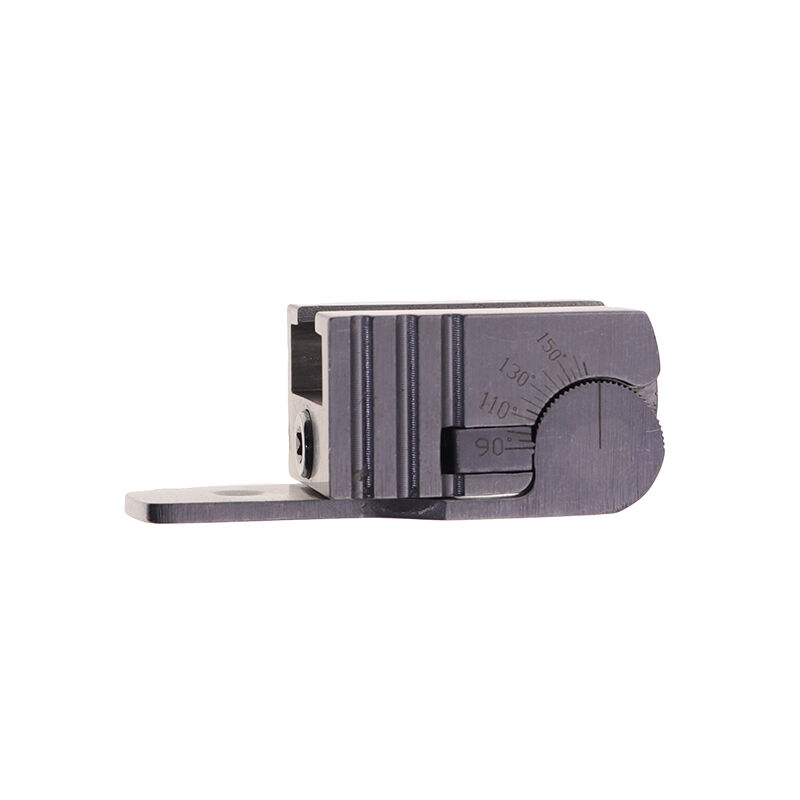
The manufacturing flexibility of metallic orthopedic implants enables comprehensive product portfolios that address virtually every anatomical location and surgical indication within orthopedic practice. Manufacturers offer extensive size matrices, anatomical variations, and modular component systems that allow surgeons to select or assemble the optimal configuration for each unique patient presentation. This design versatility extends from simple fracture screws available in incremental length variations to complex total joint systems with interchangeable heads, stems, and bearing surfaces. The compatibility of metallic orthopedic implants with established surgical techniques means that orthopedic teams can leverage their existing expertise and instrumentation investments when adopting new implant systems. Standardized interface geometries and instrument connections facilitate smooth integration into operating room workflows without extensive retraining requirements. Advanced manufacturing technologies including computer-aided design and additive manufacturing now enable patient-specific metallic orthopedic implants tailored to individual anatomy for complex reconstruction cases. The radiopacity inherent to metal materials supports intraoperative fluoroscopic guidance and postoperative radiographic assessment, essential capabilities for verifying proper implant positioning and monitoring healing progression throughout recovery, ultimately contributing to superior surgical outcomes and patient satisfaction.
logo