EN
EN

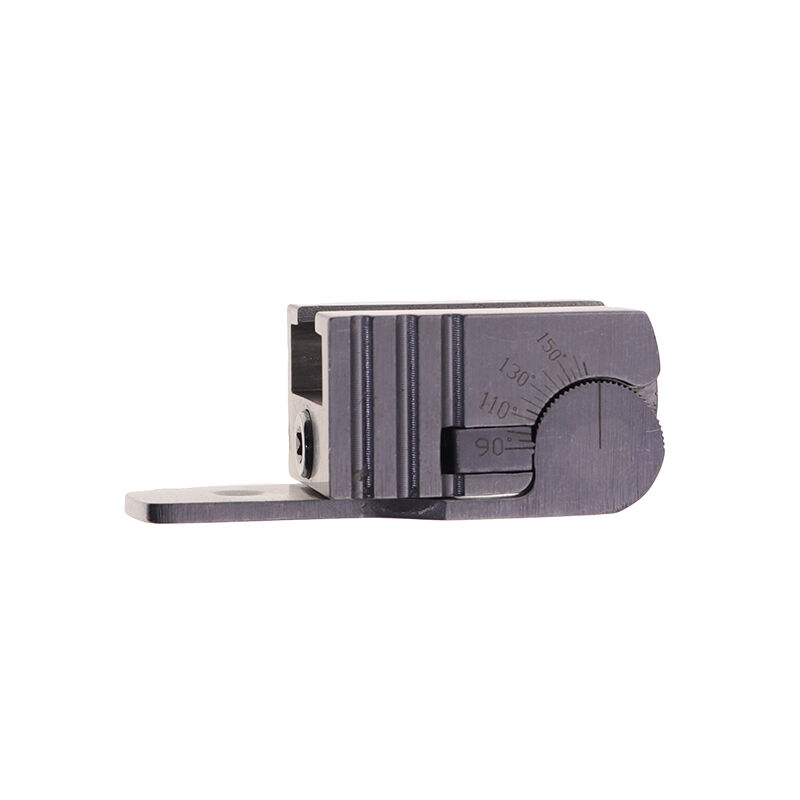
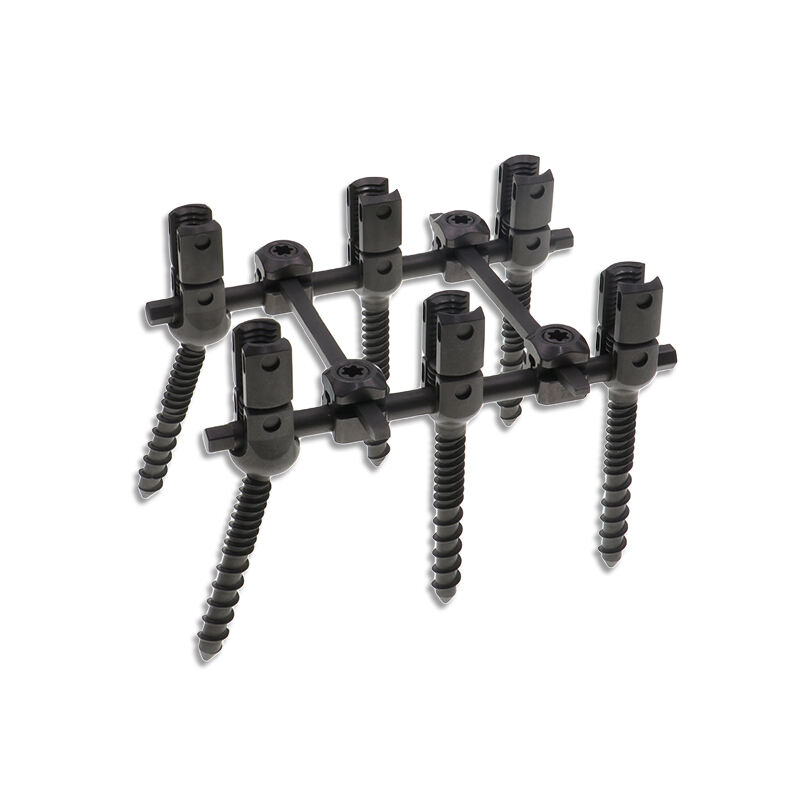
The advancement of spinal surgery has been significantly influenced by the development of sophisticated intervertebral fusion device technologies. Modern spine surgeons rely heavily on these devices to achieve successful fusion outcomes while minimizing patient complications. The selection of appropriate materials for intervertebral fusion device construction has become a critical factor in determining surgical success rates and long-term patient satisfaction. Two materials have emerged as leading candidates in this field: polyetheretherketone (PEEK) and titanium alloy, each offering distinct advantages and clinical applications.
Historical Development of Intervertebral Fusion Materials
Early Material Applications in Spinal Surgery
The evolution of intervertebral fusion device materials began with basic metallic implants in the mid-20th century. Surgeons initially utilized stainless steel components, which provided adequate mechanical strength but often resulted in stress shielding effects. The introduction of titanium alloys marked a significant breakthrough in spinal implant technology, offering superior biocompatibility and reduced elastic modulus compared to earlier materials. These early developments laid the foundation for modern intervertebral fusion device design principles that continue to influence contemporary surgical practices.
Throughout the 1980s and 1990s, researchers focused on optimizing the mechanical properties of metallic implants. Titanium alloys became increasingly popular due to their excellent corrosion resistance and osseointegration capabilities. However, the inherent stiffness mismatch between titanium and natural bone tissue presented challenges in achieving optimal load transfer. This limitation prompted extensive research into alternative materials that could better replicate the biomechanical properties of human vertebrae.
Introduction of Polymer-Based Solutions
The development of PEEK as an intervertebral fusion device material represented a paradigm shift in spinal implant technology. PEEK polymers offered unique advantages, including radiolucency for improved imaging assessment and an elastic modulus closer to that of cortical bone. This material innovation addressed many of the limitations associated with traditional metallic implants while maintaining the structural integrity required for successful fusion procedures. The introduction of carbon fiber-reinforced PEEK further enhanced the mechanical properties of these devices.
Clinical adoption of PEEK-based intervertebral fusion devices gained momentum in the early 2000s as surgeons recognized their potential benefits. The ability to visualize fusion progress through radiographic imaging without metallic artifact interference became a significant advantage in postoperative monitoring. Additionally, the reduced stress shielding effects associated with PEEK materials contributed to improved bone remodeling around the implant site, potentially enhancing long-term fusion success rates.
Material Properties and Biomechanical Characteristics
Titanium Alloy Performance Metrics
Titanium alloy intervertebral fusion devices demonstrate exceptional mechanical strength and durability under physiological loading conditions. The elastic modulus of titanium alloys typically ranges from 110-120 GPa, providing substantial structural support during the fusion process. This high stiffness contributes to immediate postoperative stability but may result in stress shielding effects that can impede natural bone remodeling. The biocompatibility of titanium alloys remains excellent, with minimal inflammatory responses observed in clinical applications.
The osseointegration properties of titanium alloys facilitate direct bone-to-implant contact, promoting stable fixation over time. Surface modifications, including plasma spraying and acid etching, can enhance the osseointegration potential of titanium-based intervertebral fusion devices. However, the radiopacity of titanium materials can complicate postoperative imaging assessment, making it challenging to evaluate fusion progress accurately. This limitation has led many surgeons to prefer alternative materials for certain clinical scenarios.
PEEK Material Advantages and Limitations
PEEK-based intervertebral fusion devices offer an elastic modulus of approximately 3-4 GPa, which more closely matches that of cortical bone compared to titanium alloys. This biomechanical compatibility reduces stress shielding effects and promotes more natural load distribution through the vertebral endplates. The radiolucent properties of PEEK materials enable superior visualization of fusion progress through standard radiographic techniques. Additionally, PEEK demonstrates excellent chemical stability and resistance to degradation in the physiological environment.
Despite these advantages, PEEK materials present certain limitations that must be considered in intervertebral fusion device selection. The relatively inert surface of PEEK may not promote osseointegration as effectively as titanium alloys, potentially requiring surface modifications or coatings to enhance bone-implant interaction. Some studies have suggested that the smooth surface characteristics of PEEK may contribute to fibrous encapsulation rather than direct bone contact in certain clinical situations.
Clinical Outcomes and Efficacy Studies
Fusion Rates and Success Metrics
Comparative clinical studies evaluating PEEK versus titanium alloy intervertebral fusion devices have revealed important insights into their respective performance characteristics. Fusion rates for PEEK-based devices typically range from 85-95% in lumbar applications, with success rates varying based on surgical technique and patient factors. Titanium alloy devices demonstrate similar fusion rates, often achieving 90-98% success in comparable patient populations. The assessment of fusion success requires careful consideration of radiographic evidence, clinical symptoms, and functional outcomes.
Long-term follow-up studies indicate that both material types can achieve satisfactory clinical outcomes when properly selected and implanted. However, the timeline for achieving solid fusion may differ between PEEK and titanium alloy devices. Some research suggests that titanium alloys may facilitate faster initial osseointegration due to their superior osteoconductivity, while PEEK devices may require longer periods to achieve comparable bone-implant integration. These temporal differences in fusion progression can influence surgical planning and postoperative management protocols.
Complication Profiles and Risk Assessment
The complication profiles associated with different intervertebral fusion device materials vary significantly and must be carefully evaluated during preoperative planning. Titanium alloy devices may be associated with stress shielding effects that can lead to adjacent segment degeneration over time. The rigid mechanical properties of titanium can alter the normal biomechanics of the spinal column, potentially accelerating degenerative changes in neighboring vertebral levels. Additionally, the potential for metallic corrosion and ion release, though rare, remains a consideration in long-term implantation.
PEEK-based intervertebral fusion devices present a different risk profile, with concerns primarily focused on the potential for pseudarthrosis or delayed union. The relatively inert surface properties of PEEK may contribute to fibrous tissue formation rather than direct bone contact in some cases. However, recent advances in surface modification techniques, including titanium coating and hydroxyapatite application, have shown promise in addressing these limitations. The reduced imaging artifacts associated with PEEK materials facilitate better monitoring of potential complications during follow-up care.
Surface Modification Technologies and Enhancements
Titanium Coating Applications for PEEK Devices
Recent innovations in intervertebral fusion device technology have focused on combining the advantages of both PEEK and titanium materials through advanced surface modification techniques. Titanium coating of PEEK substrates represents a promising approach to enhance osseointegration while maintaining the beneficial mechanical properties of polymer materials. These hybrid devices aim to provide the radiolucency and appropriate stiffness of PEEK with the superior osteoconductivity of titanium surfaces.
Various titanium coating methods have been developed, including plasma spraying, physical vapor deposition, and chemical vapor deposition techniques. Each method produces different surface topographies and coating characteristics that influence biological responses. Clinical studies evaluating titanium-coated PEEK intervertebral fusion devices have shown promising results, with improved osseointegration rates compared to uncoated PEEK implants. The durability of these coatings under physiological loading conditions remains an active area of research and development.
Bioactive Surface Treatments
Beyond titanium coating, researchers have explored various bioactive surface treatments to enhance the biological performance of intervertebral fusion devices. Hydroxyapatite coatings, growth factor incorporation, and nanotexturing techniques represent emerging approaches to improve bone-implant integration. These surface modifications aim to create more favorable environments for osteoblast attachment and proliferation while maintaining the structural integrity of the underlying device material.
The development of bioactive surfaces for intervertebral fusion devices requires careful balance between biological enhancement and mechanical performance. Surface roughness modifications can improve initial cell adhesion but may also create stress concentration points that could compromise long-term durability. Recent advances in controlled-release drug delivery systems integrated into device surfaces offer potential for localized delivery of bone morphogenetic proteins and other osteogenic factors to enhance fusion outcomes.
Clinical Decision-Making and Material Selection
Patient-Specific Considerations
The selection of appropriate intervertebral fusion device materials requires comprehensive evaluation of patient-specific factors that influence surgical outcomes. Age, bone quality, smoking status, and comorbid conditions all play significant roles in determining the optimal material choice for individual patients. Younger patients with good bone quality may benefit from the superior osseointegration properties of titanium alloy devices, while older patients or those with osteoporosis might experience better outcomes with the reduced stress shielding effects of PEEK materials.
Anatomical considerations also influence material selection for intervertebral fusion device applications. Cervical spine procedures may favor PEEK materials due to the importance of postoperative imaging assessment and the lower mechanical demands compared to lumbar applications. Lumbar fusion procedures, particularly those involving multiple levels or revision surgeries, may benefit from the superior mechanical strength of titanium alloy devices. The specific fusion technique employed, whether anterior, posterior, or lateral approaches, can also influence optimal material selection.
Surgical Technique Implications
Different intervertebral fusion device materials may require modifications to standard surgical techniques to optimize clinical outcomes. PEEK devices often benefit from more aggressive endplate preparation to enhance the biological environment for fusion, while titanium alloy implants may rely more heavily on their inherent osteoconductivity. The insertion techniques and instrumentation requirements may vary between material types, necessitating surgeon familiarity with device-specific protocols.
Postoperative management strategies may also differ based on the selected intervertebral fusion device material. PEEK devices may require longer periods of external immobilization to ensure adequate fusion progression, while titanium alloy implants might allow for earlier mobilization due to their superior initial mechanical stability. The timing and frequency of follow-up imaging studies should be adjusted based on material properties and expected fusion timelines to optimize patient monitoring and care.
Future Directions and Emerging Technologies
Advanced Composite Materials
The future of intervertebral fusion device development lies in advanced composite materials that combine the best properties of multiple components. Carbon fiber-reinforced PEEK composites represent one promising direction, offering enhanced mechanical strength while maintaining radiolucency and appropriate stiffness characteristics. These materials can be engineered with specific fiber orientations and concentrations to optimize mechanical properties for different spinal applications and loading conditions.
Researchers are also exploring novel polymer matrices beyond traditional PEEK formulations for intervertebral fusion device applications. Polyarylether compounds and other high-performance polymers offer potential advantages in terms of processing flexibility and property customization. The incorporation of bioactive fillers, such as hydroxyapatite or tricalcium phosphate, into polymer matrices represents another avenue for enhancing the biological performance of these devices while maintaining their favorable mechanical characteristics.
Additive Manufacturing Applications
Three-dimensional printing technologies are revolutionizing the design and manufacturing of intervertebral fusion devices, enabling patient-specific customization and complex internal architectures. Additive manufacturing allows for the creation of porous structures within titanium alloy devices that can promote bone ingrowth while reducing overall stiffness. Similarly, PEEK devices can be manufactured with intricate surface textures and internal geometries that optimize both mechanical and biological performance.
The integration of multiple materials within a single intervertebral fusion device through advanced manufacturing techniques represents an exciting frontier in spinal implant technology. Multi-material printing capabilities enable the creation of devices with titanium surfaces for osseointegration and PEEK cores for appropriate mechanical properties. These hybrid approaches may ultimately provide superior clinical outcomes by combining the advantages of different materials in optimal configurations tailored to specific patient needs and surgical requirements.
FAQ
What are the main differences between PEEK and titanium alloy intervertebral fusion devices
The primary differences between PEEK and titanium alloy intervertebral fusion devices relate to their mechanical properties, imaging characteristics, and biological interactions. PEEK devices offer an elastic modulus closer to that of bone (3-4 GPa versus 110-120 GPa for titanium), reducing stress shielding effects and providing better biomechanical compatibility. PEEK is also radiolucent, allowing for superior postoperative imaging assessment without metallic artifacts. However, titanium alloy devices typically demonstrate superior osseointegration properties and may achieve faster initial bone integration due to their proven osteoconductivity.
How do fusion rates compare between different intervertebral fusion device materials
Clinical studies indicate that both PEEK and titanium alloy intervertebral fusion devices can achieve high fusion rates, typically ranging from 85-98% depending on the specific application and patient factors. Titanium alloy devices may demonstrate slightly higher fusion rates in some studies due to their superior osseointegration properties, while PEEK devices may require longer time periods to achieve comparable fusion success. The overall clinical outcomes are generally similar between materials when appropriate patient selection and surgical technique are employed, with material choice often depending on specific clinical scenarios and surgeon preferences.
What factors should surgeons consider when selecting intervertebral fusion device materials
Surgeons should evaluate multiple patient-specific and procedural factors when selecting intervertebral fusion device materials. Patient age, bone quality, smoking status, and comorbid conditions significantly influence material performance and fusion outcomes. The spinal level being treated, surgical approach, and need for postoperative imaging assessment also play important roles in material selection. PEEK materials may be preferred in situations requiring detailed imaging follow-up or in patients with osteoporosis, while titanium alloy devices might be selected for their superior mechanical strength in challenging revision cases or multi-level constructs.
Are there any long-term complications specific to different intervertebral fusion device materials
Long-term complications can vary based on the intervertebral fusion device material selected. Titanium alloy devices may be associated with stress shielding effects that could contribute to adjacent segment degeneration over time due to their high stiffness. There are also rare concerns about metallic corrosion and ion release with prolonged implantation. PEEK devices may have higher risks of pseudarthrosis or delayed fusion in some patients due to their relatively inert surface properties. However, recent advances in surface modification techniques, including titanium coating and bioactive treatments, are helping to address these material-specific limitations and improve long-term outcomes.
Table of Contents
- Historical Development of Intervertebral Fusion Materials
- Material Properties and Biomechanical Characteristics
- Clinical Outcomes and Efficacy Studies
- Surface Modification Technologies and Enhancements
- Clinical Decision-Making and Material Selection
- Future Directions and Emerging Technologies
-
FAQ
- What are the main differences between PEEK and titanium alloy intervertebral fusion devices
- How do fusion rates compare between different intervertebral fusion device materials
- What factors should surgeons consider when selecting intervertebral fusion device materials
- Are there any long-term complications specific to different intervertebral fusion device materials