Orthopedic Plate Solutions for Bone Fixation

Get a Free Quote

Our representative will contact you soon.
Email
Name
Company Name
Message
0/1000

orthopedic plate

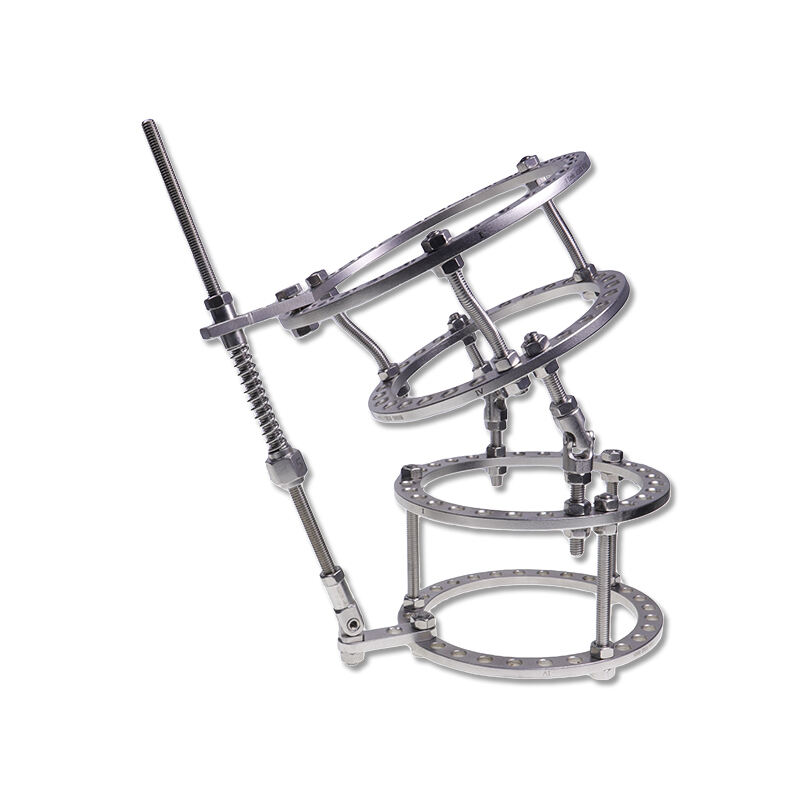
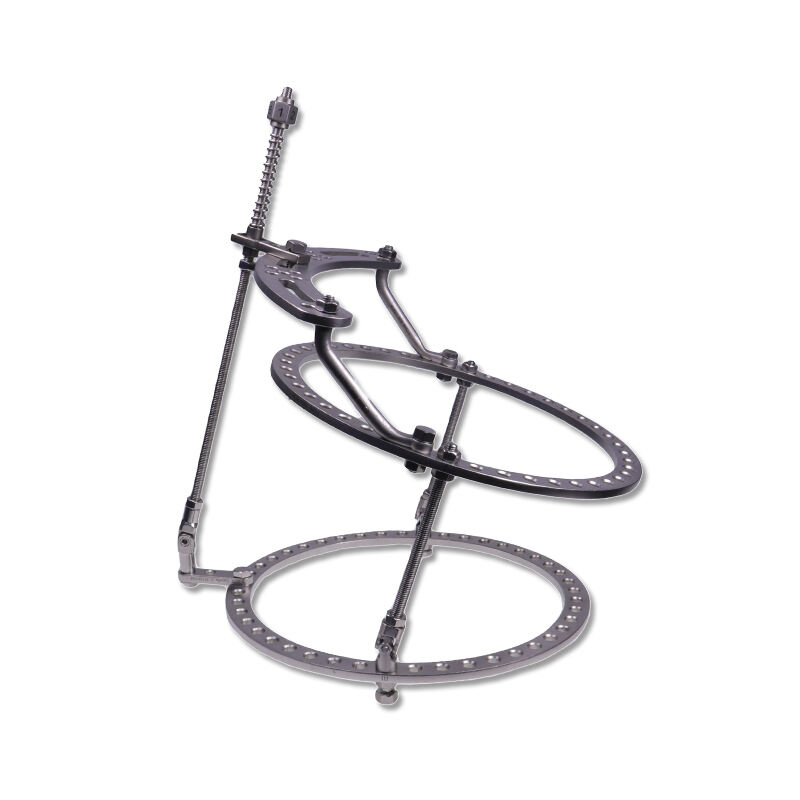
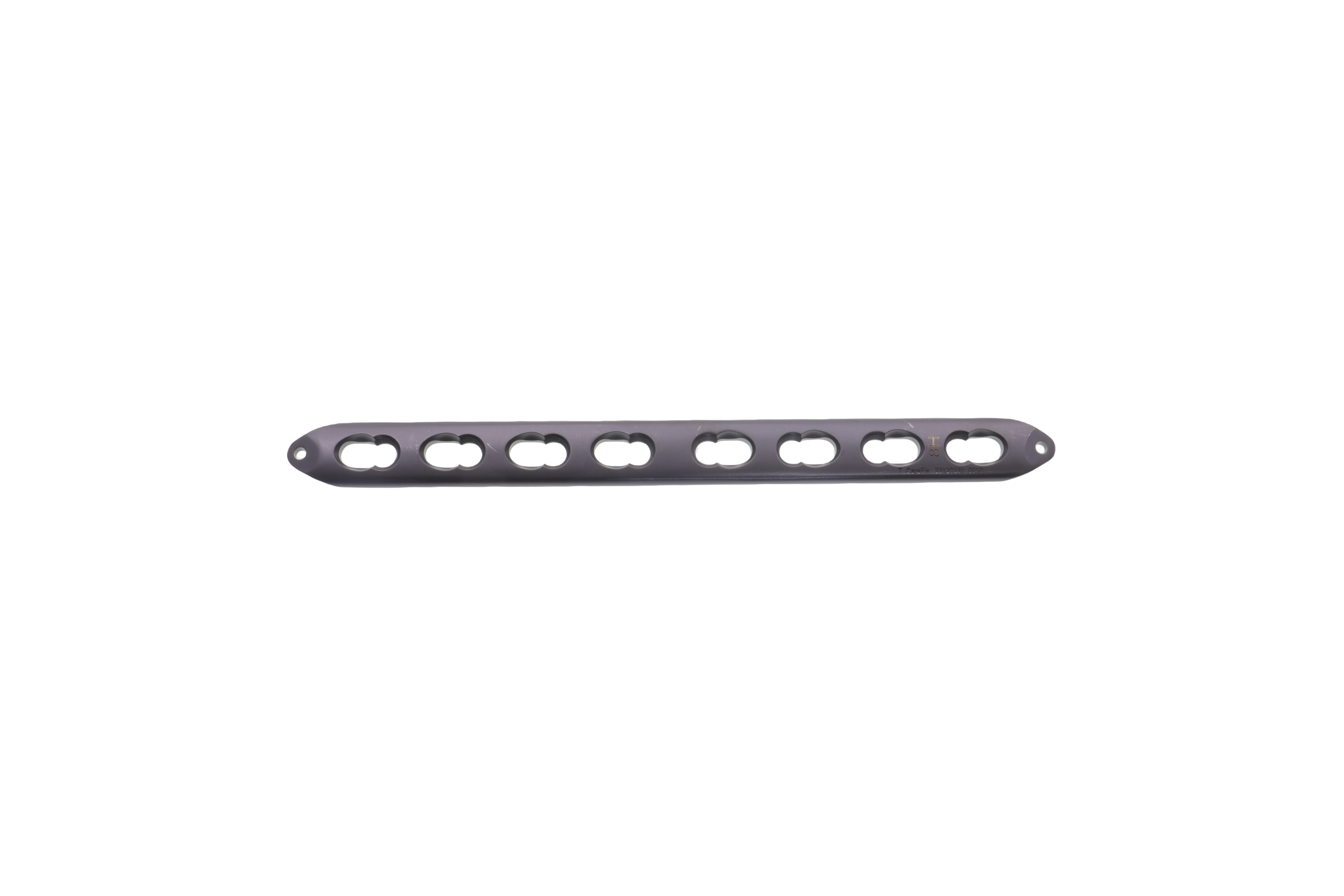
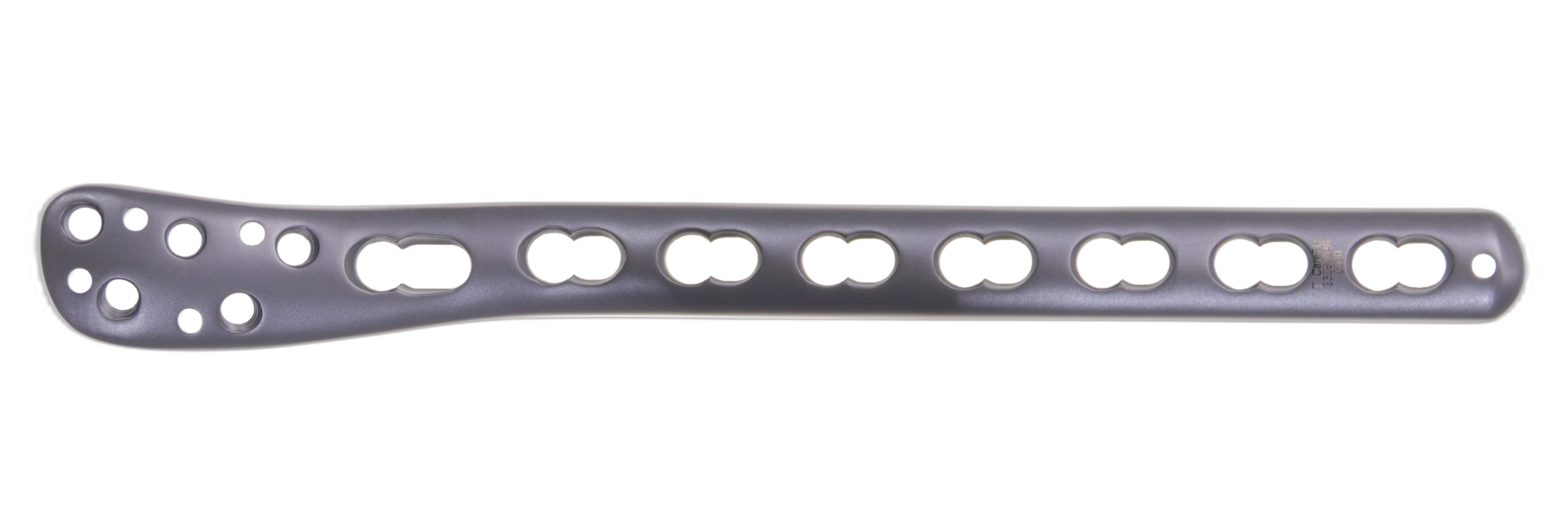
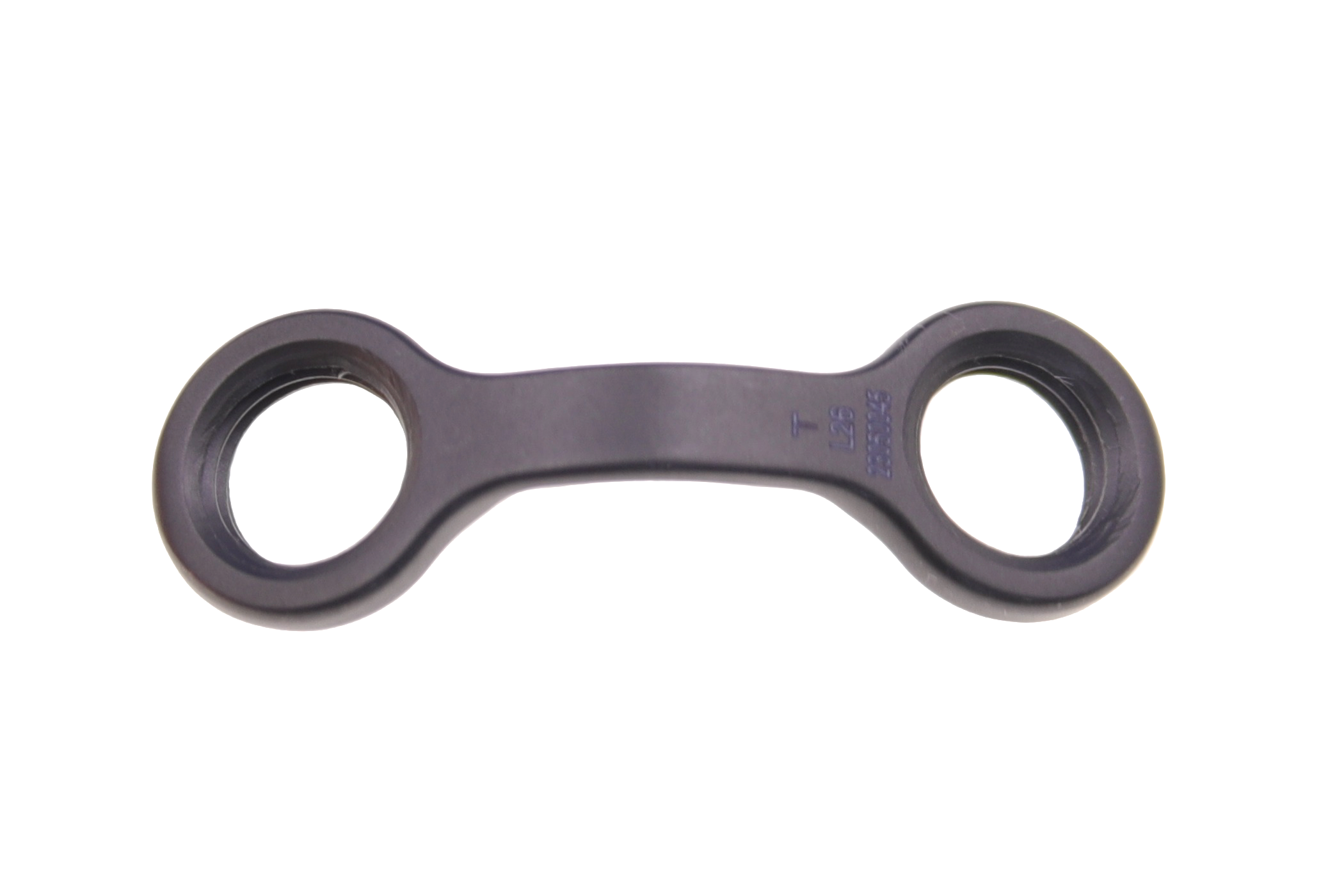
An orthopedic plate is a medical implant designed to stabilize and support fractured or damaged bones during the healing process. These surgical devices are precisely engineered from biocompatible materials, typically titanium or stainless steel alloys, to provide rigid fixation that promotes proper bone alignment and accelerates recovery. The orthopedic plate works in conjunction with screws to hold bone fragments together, creating a stable framework that allows natural healing to occur. Modern orthopedic plates come in various shapes, sizes, and configurations to accommodate different anatomical locations and fracture patterns. They are manufactured using advanced computer-aided design and precision machining techniques that ensure dimensional accuracy and structural integrity. The surface treatments applied to each orthopedic plate enhance biocompatibility and reduce the risk of adverse reactions. These implants are essential tools in trauma surgery, reconstructive procedures, and corrective orthopedic operations. Surgeons rely on orthopedic plates to treat complex fractures in long bones, joints, and areas where traditional casting methods prove insufficient. The technology has evolved significantly, with innovations including locking screw mechanisms, anatomically contoured designs, and low-profile constructions that minimize soft tissue irritation. An orthopedic plate enables patients to begin rehabilitation sooner by providing immediate stability, reducing pain, and maintaining proper bone positioning throughout the healing period. The versatility of these devices makes them indispensable across multiple surgical specialties, from sports medicine to geriatric care, addressing fractures resulting from trauma, disease, or age-related bone deterioration.

New Products

Choosing an orthopedic plate for fracture management delivers substantial benefits that directly impact patient outcomes and surgical success. The primary advantage lies in superior fracture stabilization, which eliminates movement between bone fragments and creates an optimal environment for healing. This stability reduces pain significantly compared to conservative treatment methods, allowing patients to return to daily activities faster and with greater confidence. The orthopedic plate provides immediate structural support, which means weight-bearing can often begin earlier under medical supervision, preventing muscle atrophy and joint stiffness that commonly accompany prolonged immobilization. From a practical standpoint, these devices accommodate complex fracture patterns that cannot be adequately managed with external fixation or casting alone. The durability of materials used in each orthopedic plate ensures long-term reliability, with corrosion-resistant properties that maintain integrity throughout the healing process. Cost-effectiveness becomes apparent when considering reduced recovery time, fewer complications, and decreased need for revision surgeries. Hospitals and surgical centers benefit from standardized instrumentation systems that streamline procedures and reduce operating time. For surgeons, the orthopedic plate offers versatility across patient demographics, from pediatric to elderly populations, with size variations that match anatomical requirements precisely. The low-profile design of modern plates minimizes soft tissue irritation and reduces the likelihood of implant removal surgery post-healing. Biocompatibility ensures excellent tissue integration without triggering inflammatory responses or allergic reactions. Quality manufacturing processes guarantee consistency, with each orthopedic plate meeting rigorous international standards for medical devices. The operational simplicity allows for predictable surgical outcomes, while the comprehensive product range addresses virtually any fracture scenario, making these implants a reliable solution for healthcare providers prioritizing patient recovery and surgical efficiency.

Practical Tips

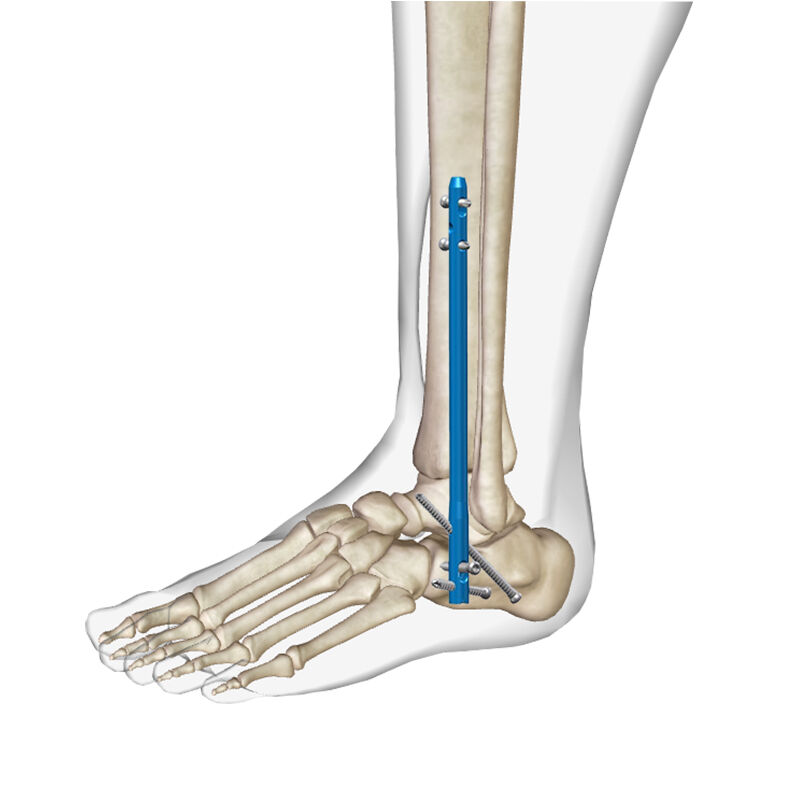
Application analysis of intramedullary nail system in ankle joint fusion

16

Dec

Application analysis of intramedullary nail system in ankle joint fusion

The evolution of orthopedic surgical techniques has brought significant advancements in treating complex ankle pathologies, particularly through the implementation of modern fixation systems. An intramedullary nail system represents a revolutionary a...
View More
Application of carbon fiber material external fixation bracket in clinical practice

13

Jan

Application of carbon fiber material external fixation bracket in clinical practice

The integration of advanced materials in orthopedic surgery has revolutionized patient care and treatment outcomes. Among these innovations, carbon fiber external fixation systems have emerged as a superior alternative to traditional metal frameworks...
View More
The application advantages of modular braces in ankle fractures

11

Feb

The application advantages of modular braces in ankle fractures

Ankle fractures represent one of the most challenging orthopedic conditions, requiring precise stabilization and optimal healing conditions. Modern orthopedic treatment has evolved significantly with the introduction of advanced fixation systems, par...
View More
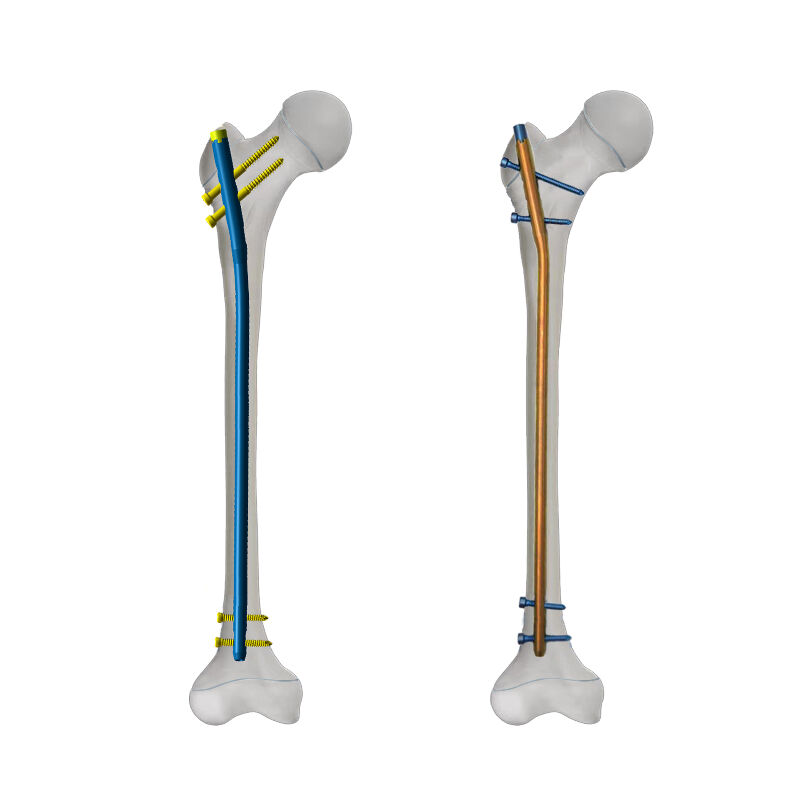
Expanding the Boundaries of IM Nail Technology: Periarticular Fractures and Deformity Correction

06

Mar

Expanding the Boundaries of IM Nail Technology: Periarticular Fractures and Deformity Correction

Modern orthopedic surgery continues to evolve with innovative solutions that address complex fracture patterns and deformity corrections. The telescopic intramedullary nail represents a significant advancement in treating challenging periarticular fr...
View More

Get a Free Quote

Our representative will contact you soon.
Email
Name
Company Name
Message
0/1000

orthopedic plate

Advanced Material Engineering for Optimal Biocompatibility

Advanced Material Engineering for Optimal Biocompatibility

The orthopedic plate represents cutting-edge material science applied to surgical implants. Constructed from medical-grade titanium alloys or stainless steel, these devices undergo specialized surface treatments that enhance osseointegration and minimize rejection risks. The titanium-based orthopedic plate offers exceptional strength-to-weight ratios, reducing implant mass while maintaining structural integrity necessary for bone support. Advanced manufacturing processes ensure each plate maintains precise dimensional tolerances, with polished surfaces that reduce friction against surrounding tissues. The corrosion-resistant properties prevent degradation in the body's physiological environment, ensuring the orthopedic plate maintains its mechanical properties throughout extended healing periods. Material selection considers not only strength but also imaging compatibility, with options that minimize artifacts during post-operative CT and MRI scans. This thoughtful engineering translates to safer procedures, faster recovery, and reduced long-term complications for patients requiring fracture fixation across diverse anatomical locations and clinical conditions.
Anatomically Contoured Design for Superior Fit

Anatomically Contoured Design for Superior Fit

Modern orthopedic plate technology emphasizes anatomical contouring that matches natural bone geometry with remarkable precision. Each orthopedic plate in contemporary product lines features pre-contoured shapes developed from extensive anatomical studies and three-dimensional bone mapping data. This design philosophy eliminates the need for extensive intraoperative bending, reducing surgical time and preserving plate strength. The low-profile construction ensures minimal prominence under soft tissues, decreasing patient discomfort and aesthetic concerns following surgery. Screw hole configurations on each orthopedic plate are strategically positioned to optimize purchase in healthy bone while avoiding critical neurovascular structures. Locking screw technology creates fixed-angle constructs that distribute loads evenly and prevent screw loosening, particularly valuable in osteoporotic bone conditions. The variety of plate geometries addresses specific anatomical challenges, from metaphyseal regions with complex curvatures to diaphyseal areas requiring compression or neutralization functions. This attention to anatomical detail transforms the orthopedic plate from a generic fixation device into a precision instrument that respects individual patient anatomy while delivering consistent mechanical performance.
Comprehensive Application Range Across Surgical Specialties

Comprehensive Application Range Across Surgical Specialties

The versatility of the orthopedic plate extends across multiple medical disciplines and trauma scenarios, making it an essential component in modern surgical practices. Trauma surgeons utilize these devices for acute fracture management in high-energy injuries, where immediate stable fixation prevents complications and expedites patient mobilization. Reconstructive orthopedic procedures benefit from specialized orthopedic plate designs that facilitate bone lengthening, deformity correction, and fusion procedures in both upper and lower extremities. Sports medicine applications include fixation of athletic injuries where rapid return to activity is paramount, with plates designed specifically for high-demand anatomical locations. Geriatric orthopedics employs the orthopedic plate with locking technology to address fragility fractures in compromised bone quality, providing secure fixation despite reduced bone density. Pediatric applications utilize growth-friendly designs that accommodate developing skeletal structures without compromising future bone development. From simple fracture patterns to complex multi-fragmentary injuries, from small finger bones to large femoral shafts, the orthopedic plate product ecosystem offers solutions tailored to specific clinical needs, ensuring surgeons have appropriate tools regardless of patient age, injury mechanism, or anatomical location requiring intervention.
logo