orthopedic surgical devices
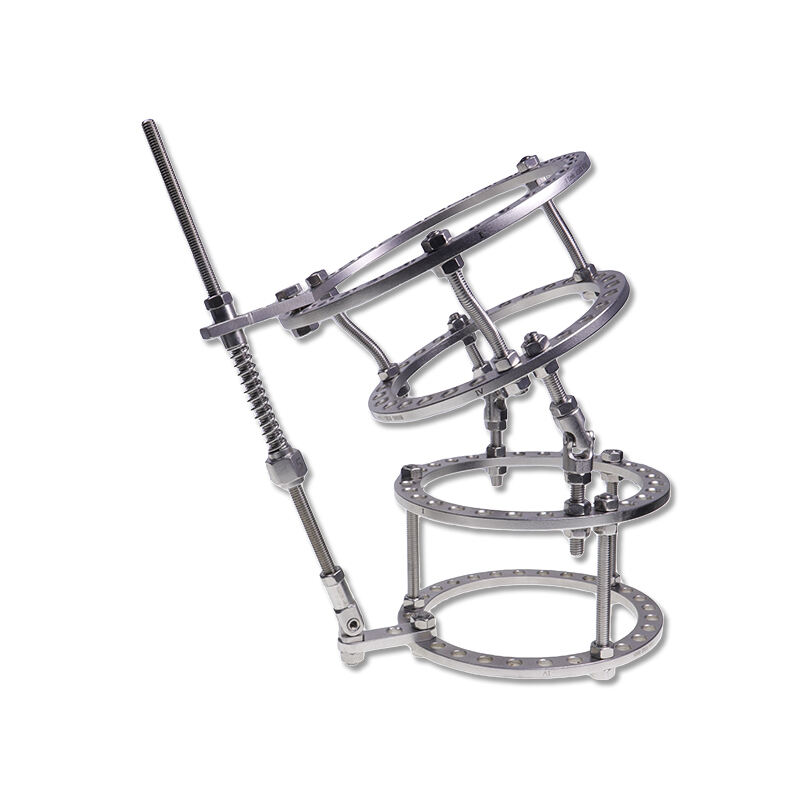
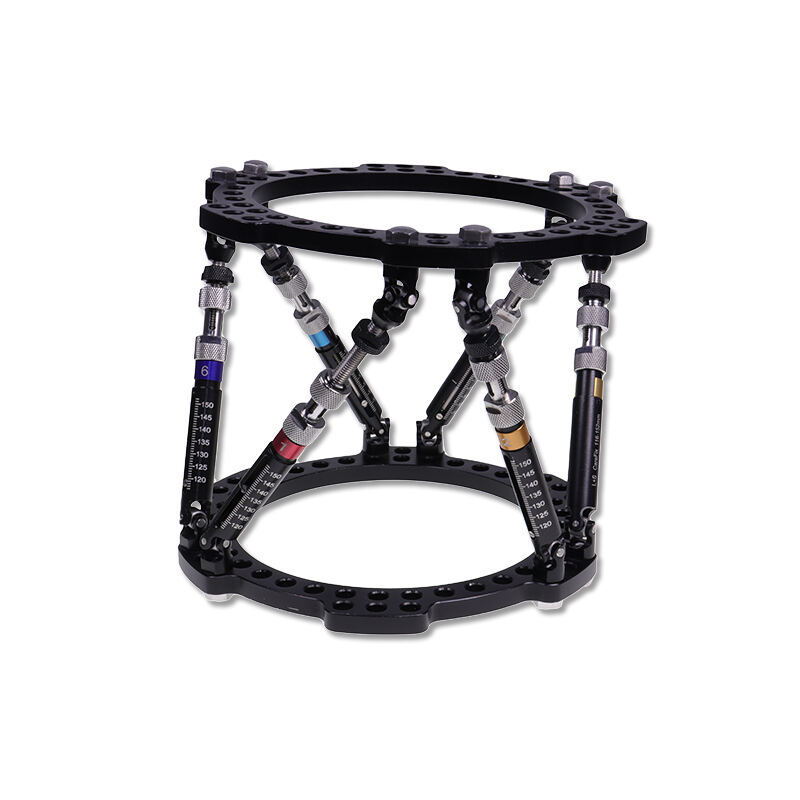
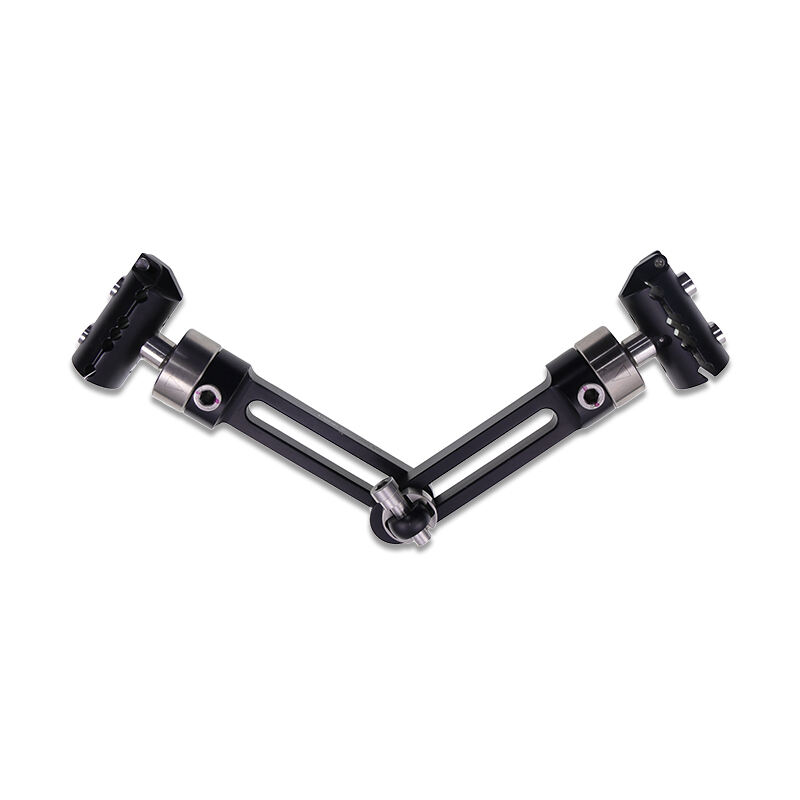
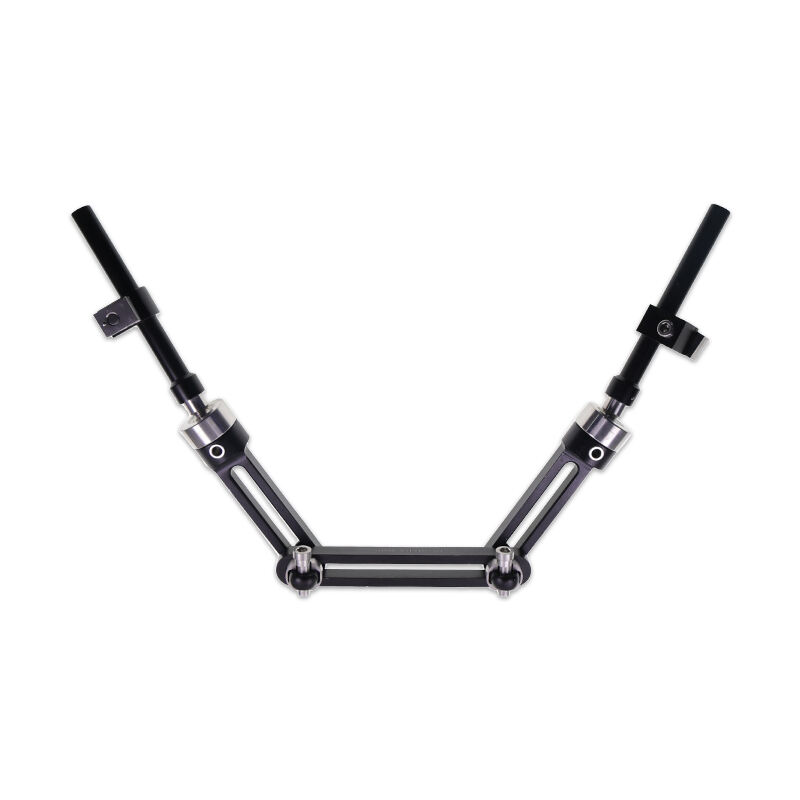
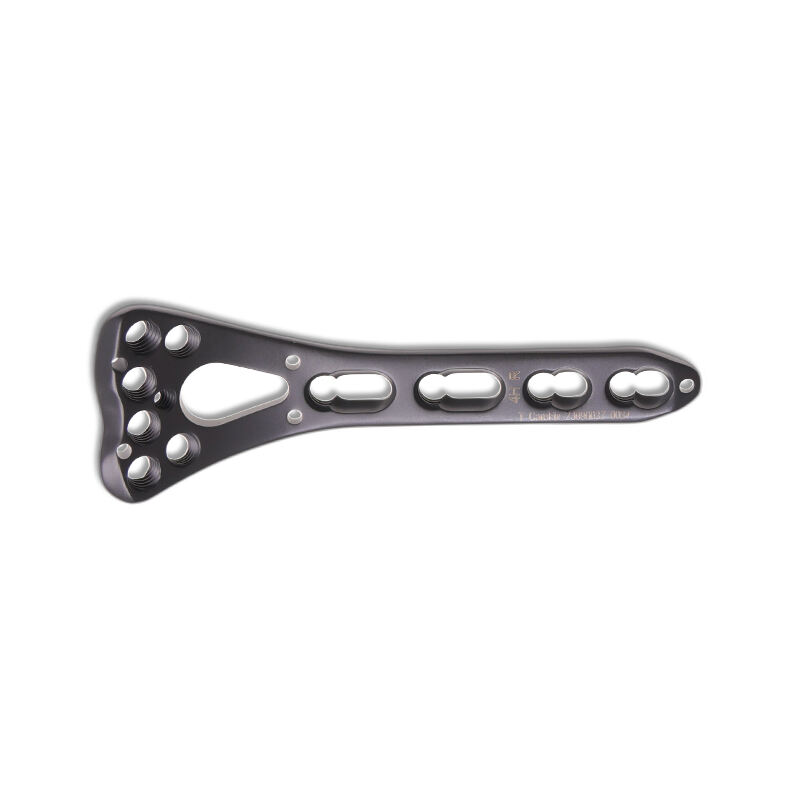
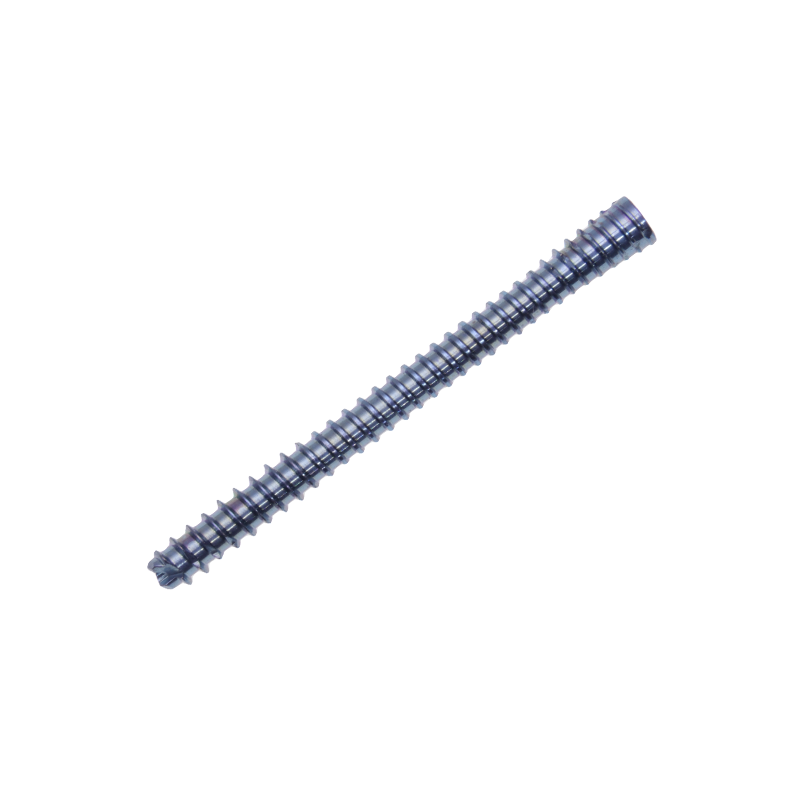
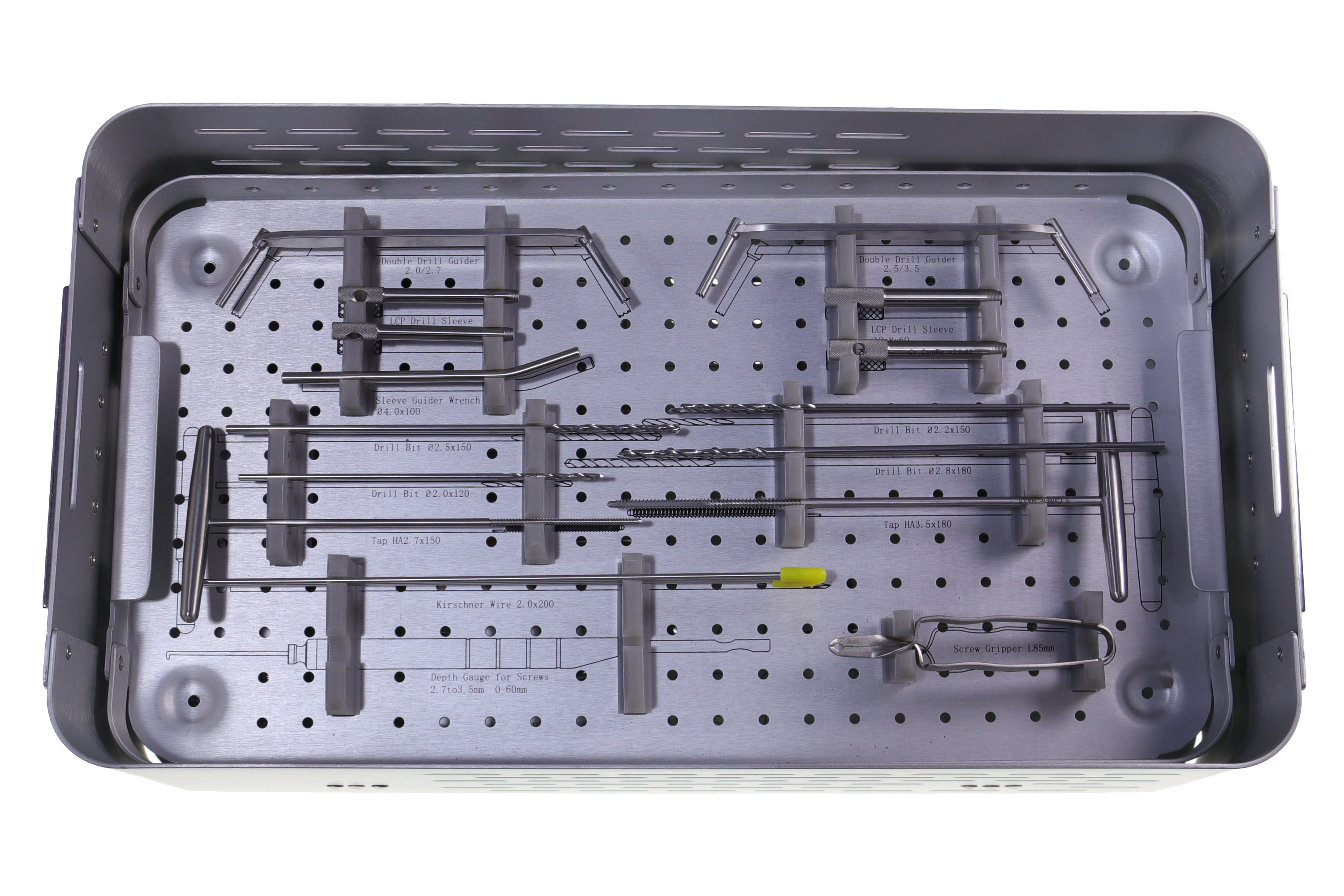
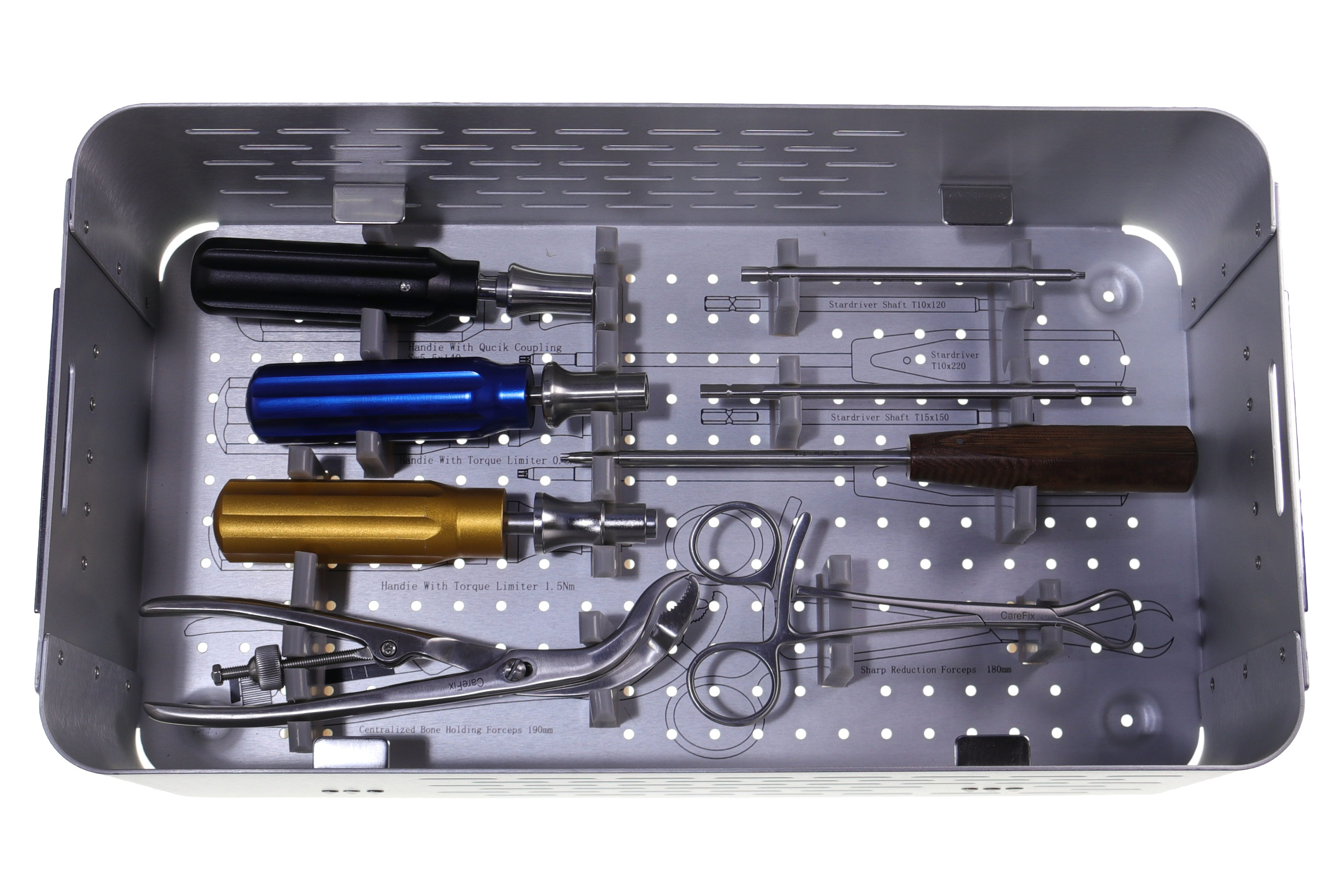
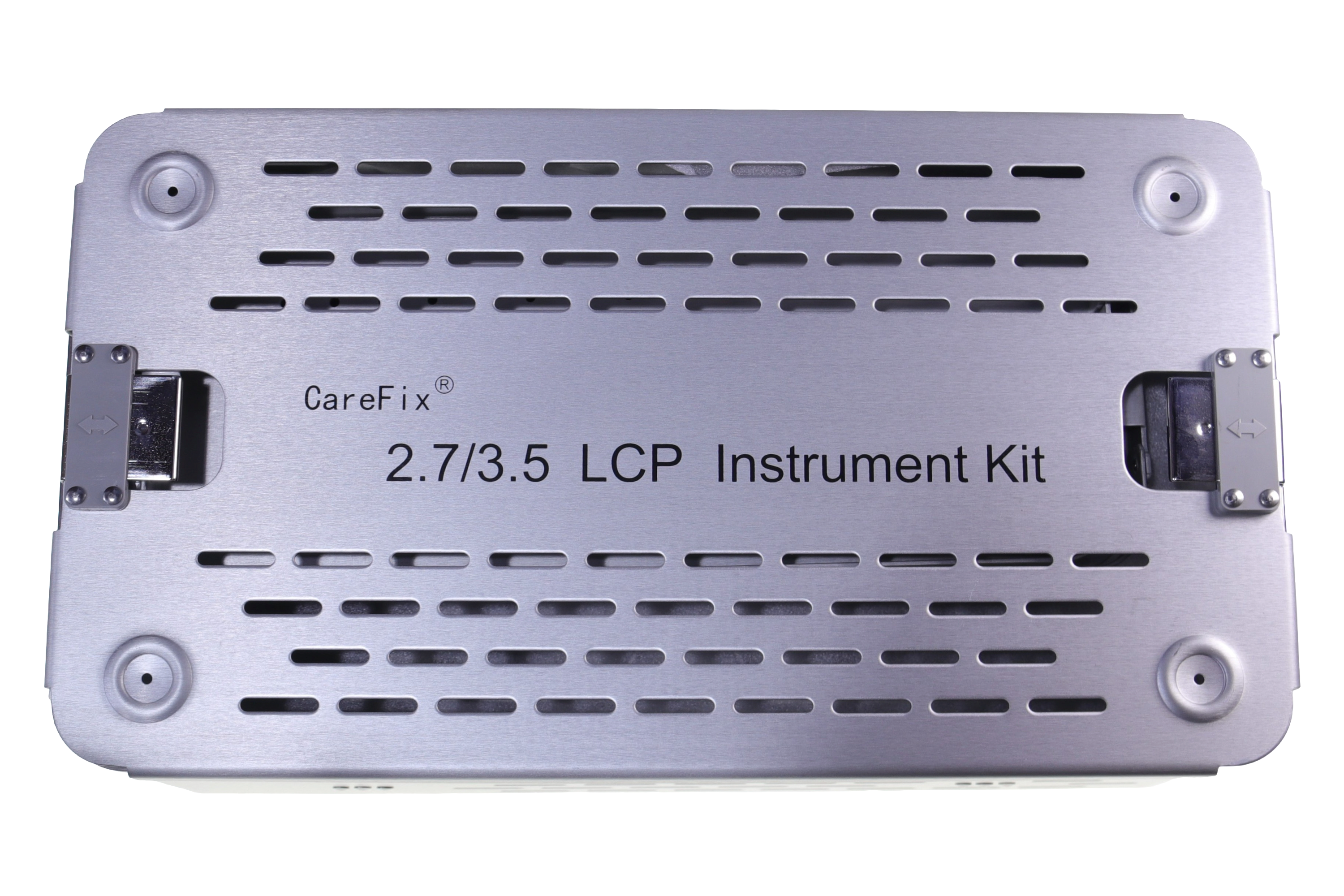
Orthopedic surgical devices represent specialized medical instruments and implants designed to diagnose, treat, and repair musculoskeletal conditions affecting bones, joints, ligaments, tendons, and muscles. These devices encompass a comprehensive range of products including joint replacement systems, trauma fixation plates and screws, spinal implants, arthroscopy instruments, and bone grafting materials. Modern orthopedic surgical devices incorporate advanced biomaterials such as titanium alloys, cobalt-chromium compounds, and biocompatible polymers that promote osseointegration and long-term stability. The primary functions include fracture stabilization, joint reconstruction, spinal fusion, ligament repair, and cartilage restoration. Technological features of contemporary orthopedic surgical devices include anatomically contoured designs that mirror natural bone structures, minimally invasive instrumentation that reduces tissue trauma, and surface treatments that enhance biological integration. Many devices now feature modular components allowing surgeons to customize implants based on individual patient anatomy. Applications span emergency trauma surgery for fracture management, elective procedures such as hip and knee arthroplasty for degenerative joint disease, spinal surgeries addressing herniated discs and deformities, sports medicine procedures repairing torn ligaments and damaged cartilage, and pediatric orthopedics correcting developmental abnormalities. These orthopedic surgical devices serve patients across all age groups, from pediatric cases requiring growth-accommodating implants to geriatric patients needing joint replacements. The continuous evolution of orthopedic surgical devices reflects advancements in materials science, biomechanics, and surgical techniques, ultimately improving patient outcomes, accelerating recovery times, and restoring mobility and quality of life for individuals suffering from musculoskeletal disorders.
 EN
EN