Orthopedic Titanium Plates for Bone Fixation

Get a Free Quote

Our representative will contact you soon.
Email
Name
Company Name
Message
0/1000

orthopedic titanium plates

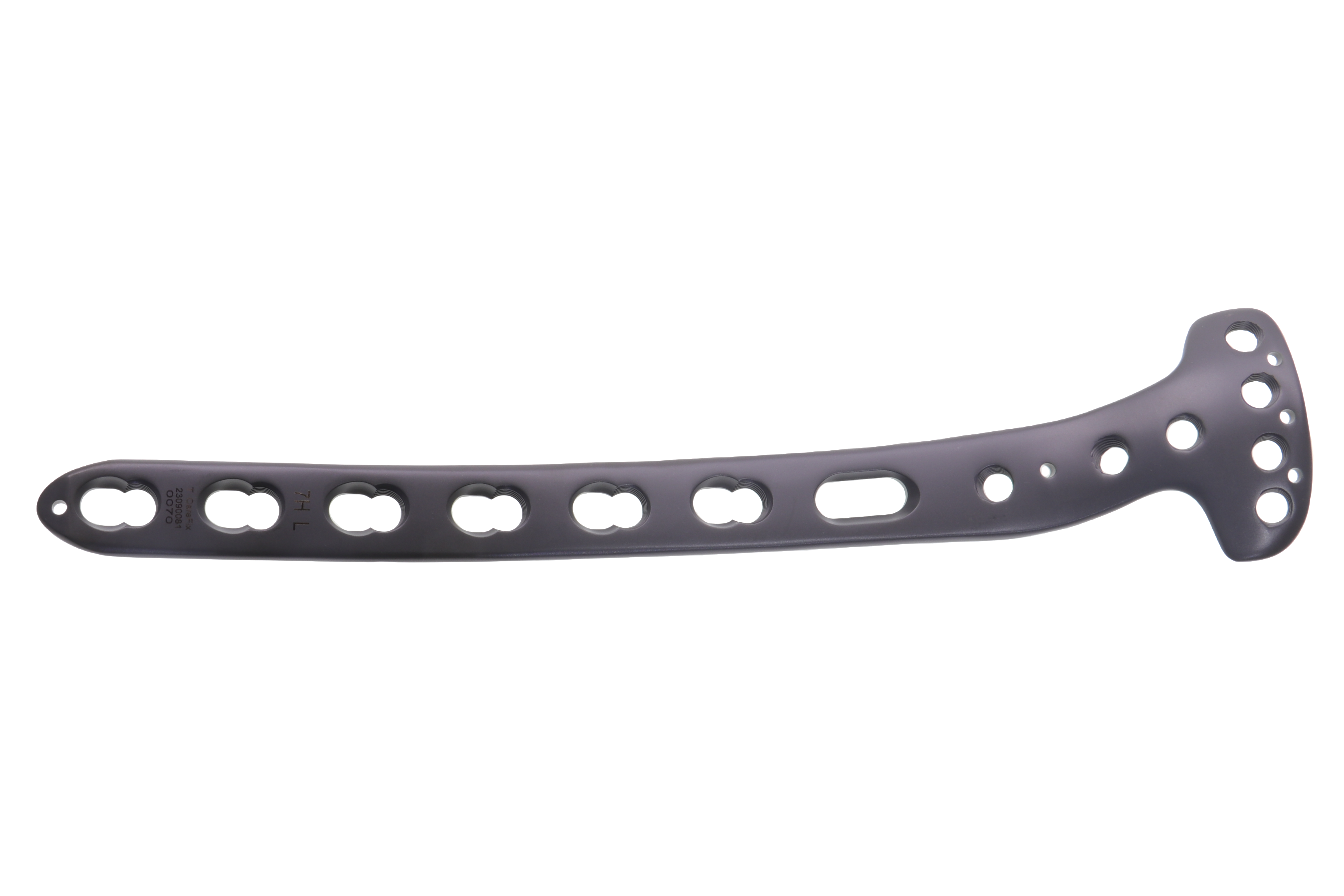
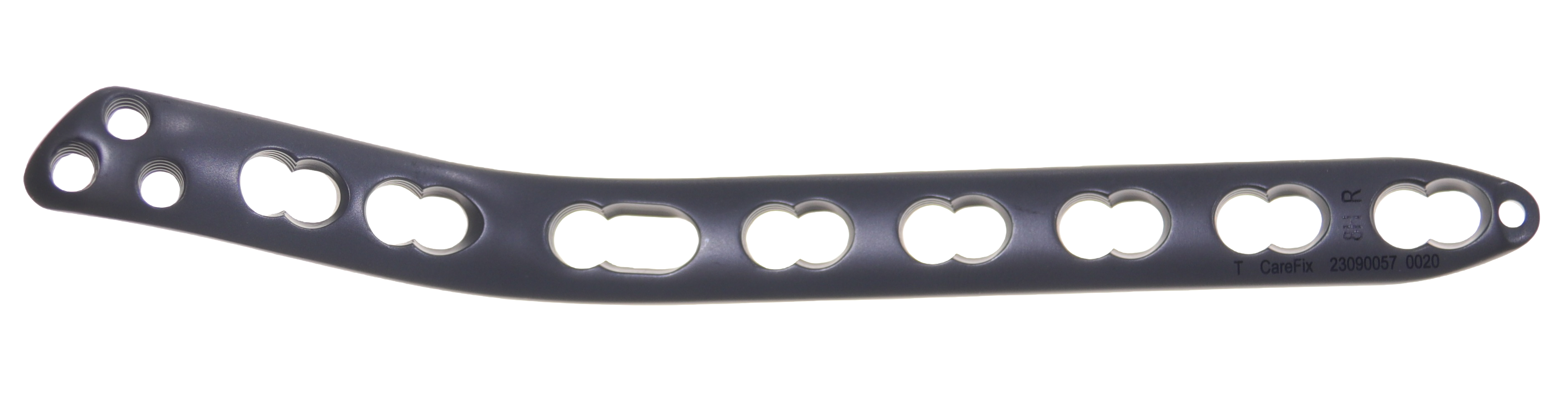
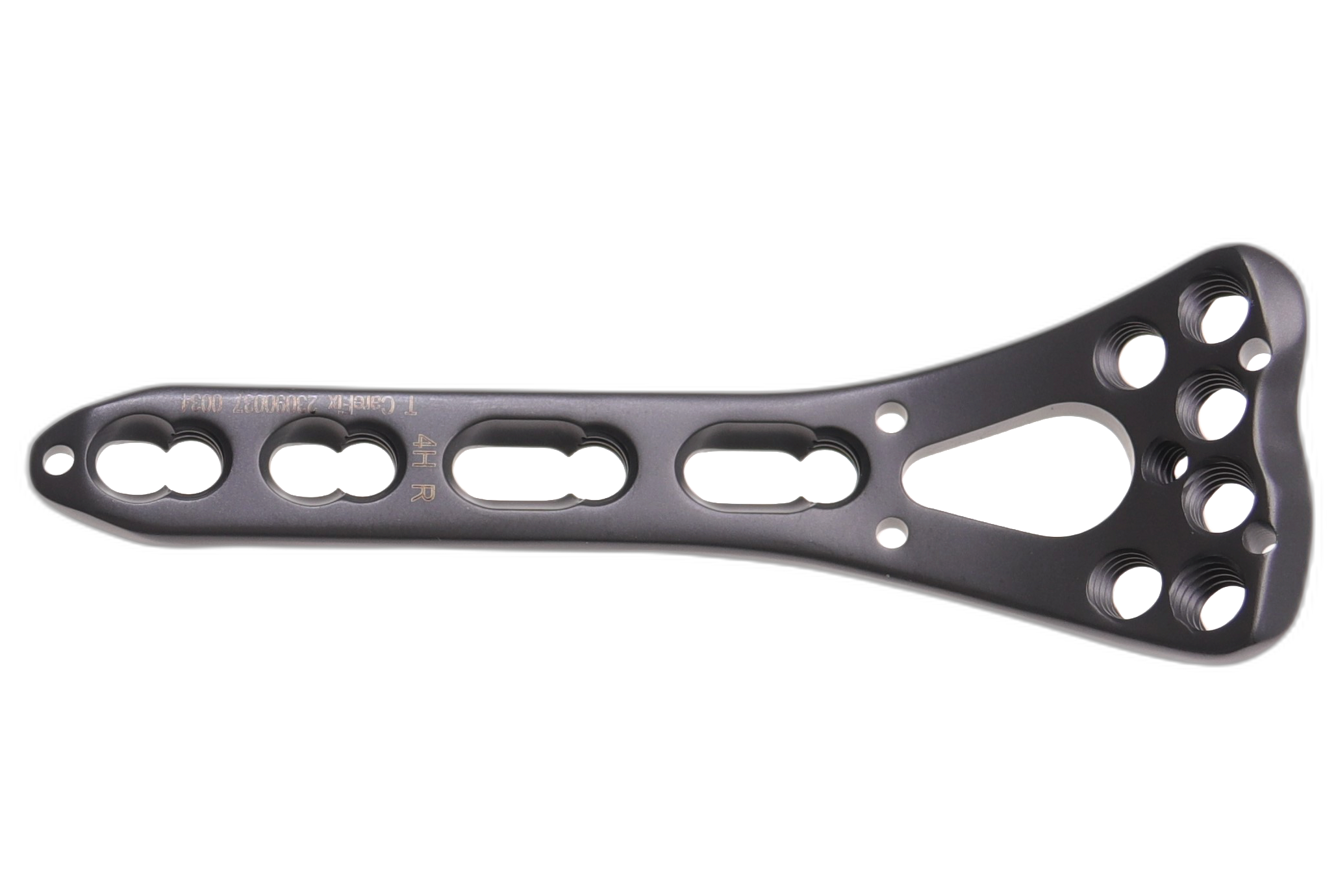
Orthopedic titanium plates are specialized medical implants designed to stabilize and support fractured or damaged bones during the healing process. These precision-engineered devices are manufactured from medical-grade titanium alloys, offering exceptional strength-to-weight ratios and biocompatibility that make them ideal for surgical bone fixation procedures. The main function of orthopedic titanium plates is to hold bone fragments in proper alignment while natural healing occurs, effectively acting as internal splints that maintain skeletal integrity. Technological features include anatomically contoured designs that conform to specific bone structures, multiple screw hole configurations for versatile fixation options, and low-profile constructions that minimize soft tissue irritation. Advanced manufacturing processes such as CNC machining and surface treatments enhance both mechanical properties and osseointegration capabilities. These plates find extensive applications across various medical specialties, including trauma surgery for fracture stabilization, reconstructive procedures following bone resections, spinal fusion operations, maxillofacial surgeries, and orthopedic corrections for deformities. Orthopedic titanium plates are available in numerous sizes and configurations to accommodate different anatomical locations such as long bones, small bones of the hands and feet, craniofacial structures, and spinal vertebrae. The inherent properties of titanium, including corrosion resistance and MRI compatibility, make these implants suitable for long-term or permanent placement within the human body, supporting patients through complete bone union and rehabilitation.

New Product Releases

Choosing orthopedic titanium plates delivers significant practical benefits that directly impact surgical outcomes and patient recovery. The lightweight nature of titanium reduces implant burden on healing tissues while maintaining superior mechanical strength that withstands physiological loads during movement and rehabilitation. This strength advantage means bones receive adequate support without the risk of plate failure or hardware complications that could require revision surgery. Buyers value the biocompatibility of titanium because it minimizes adverse tissue reactions, reduces inflammation, and lowers infection risks compared to alternative materials. The corrosion-resistant properties ensure implants maintain structural integrity over decades without degradation, eliminating concerns about metal ion release into surrounding tissues. Operational benefits for surgeons include ease of contouring during procedures, allowing customization to individual patient anatomy for optimal fit and fixation. The radiolucent characteristics of orthopedic titanium plates facilitate clear post-operative imaging, enabling healthcare providers to monitor bone healing progress without artifacts obscuring critical assessment areas. Application suitability spans pediatric to geriatric populations and accommodates various bone densities and healing capacities. These implants support immediate weight-bearing protocols in appropriate cases, accelerating patient mobility and reducing hospitalization times. The MRI compatibility of titanium plates means patients can undergo future diagnostic imaging without implant removal, providing long-term healthcare flexibility. Decision-making becomes straightforward when considering that orthopedic titanium plates offer proven clinical track records with extensive research documentation supporting safety and efficacy. Cost-effectiveness emerges from reduced complication rates, minimal need for secondary removal procedures, and faster return to daily activities, ultimately delivering better value through improved quality of life and decreased overall healthcare expenditure.

Latest News

Application of carbon fiber material external fixation bracket in clinical practice

13

Jan

Application of carbon fiber material external fixation bracket in clinical practice

The integration of advanced materials in orthopedic surgery has revolutionized patient care and treatment outcomes. Among these innovations, carbon fiber external fixation systems have emerged as a superior alternative to traditional metal frameworks...
View More
How to choose the appropriate size and thread of hollow screws?

11

Feb

How to choose the appropriate size and thread of hollow screws?

Selecting the right hollow screws for orthopedic procedures requires careful consideration of multiple factors that directly impact surgical outcomes and patient recovery. These specialized medical devices serve critical functions in bone fixation, t...
View More
Finite Element Optimization Design and Biomechanical Validation of Personalized IM Nails

11

Feb

Finite Element Optimization Design and Biomechanical Validation of Personalized IM Nails

The evolution of orthopedic trauma surgery has reached a pivotal moment with the emergence of personalized IM nails that revolutionize fracture treatment approaches. Advanced computational modeling and finite element analysis have enabled surgeons to...
View More
Expanding the Boundaries of IM Nail Technology: Periarticular Fractures and Deformity Correction

06

Mar

Expanding the Boundaries of IM Nail Technology: Periarticular Fractures and Deformity Correction

Modern orthopedic surgery continues to evolve with innovative solutions that address complex fracture patterns and deformity corrections. The telescopic intramedullary nail represents a significant advancement in treating challenging periarticular fr...
View More

Get a Free Quote

Our representative will contact you soon.
Email
Name
Company Name
Message
0/1000

orthopedic titanium plates

Superior Biocompatibility and Osseointegration

Superior Biocompatibility and Osseointegration

The exceptional biocompatibility of orthopedic titanium plates represents a critical advantage in surgical bone fixation applications. Titanium forms a stable oxide layer upon contact with body fluids, creating a biologically inert surface that tissues readily accept without triggering foreign body reactions. This compatibility dramatically reduces inflammation markers and minimizes the risk of implant rejection or adverse immunological responses that can compromise healing. The osseointegration properties of these plates enable direct bone-to-implant contact without intervening fibrous tissue formation, promoting stable mechanical fixation as healing progresses. This biological bonding provides enhanced stability compared to materials that remain isolated by scar tissue. Patients benefit from reduced pain, fewer complications, and lower infection rates throughout recovery. Surgeons appreciate the predictable tissue response that simplifies post-operative management and reduces the need for preventive antibiotic protocols. The long-term tolerance of titanium means orthopedic titanium plates can remain permanently implanted without causing chronic inflammation or systemic sensitivity issues, supporting patient wellbeing for years beyond initial surgery.
Exceptional Strength with Minimal Weight Profile

Exceptional Strength with Minimal Weight Profile

Orthopedic titanium plates deliver outstanding mechanical performance through an optimal combination of high tensile strength and remarkably low density. This strength-to-weight ratio surpasses conventional stainless steel alternatives, enabling thinner plate profiles that achieve equivalent or superior load-bearing capacity. The reduced bulk minimizes soft tissue irritation, decreases the prominence of hardware beneath the skin, and improves patient comfort during daily activities. Despite their lightweight construction, these plates withstand substantial biomechanical forces including compression, tension, and rotational stresses encountered during rehabilitation and normal movement. The material elasticity closely approximates natural bone properties, reducing stress shielding effects that can lead to bone resorption beneath rigid implants. Engineering advances in plate design incorporate variable thickness zones and strategic reinforcement patterns that concentrate strength where loads are greatest while minimizing material in lower-stress regions. This intelligent design philosophy produces orthopedic titanium plates that support aggressive rehabilitation protocols without compromising safety margins. Patients experience fewer activity restrictions and faster returns to work or sports. The durability ensures fixation remains secure throughout the entire healing timeline, preventing displacement that could necessitate corrective interventions.
Advanced MRI Compatibility and Imaging Clarity

Advanced MRI Compatibility and Imaging Clarity

The non-ferromagnetic nature of orthopedic titanium plates provides crucial advantages for diagnostic imaging and long-term patient care. Unlike ferrous metals that create significant artifacts and safety concerns during magnetic resonance imaging, titanium produces minimal distortion, allowing clear visualization of surrounding tissues and bone healing progress. This compatibility eliminates the need for implant removal before MRI procedures, sparing patients from additional surgeries and associated risks when future diagnostic imaging becomes necessary for unrelated medical conditions. Radiographic clarity extends to standard X-ray and CT scanning modalities, where the radiolucent properties of titanium allow better assessment of fracture line healing and bone union compared to denser materials that obscure underlying structures. Healthcare providers can make more accurate treatment decisions based on superior image quality throughout the post-operative monitoring period. The imaging advantages translate to earlier detection of potential complications, enabling timely interventions that prevent minor issues from progressing to serious problems. Patients gain peace of mind knowing their orthopedic titanium plates will not restrict access to advanced diagnostic technologies or complicate future medical care. This forward compatibility represents significant value for younger patients who may require decades of healthcare services following initial implantation.
logo