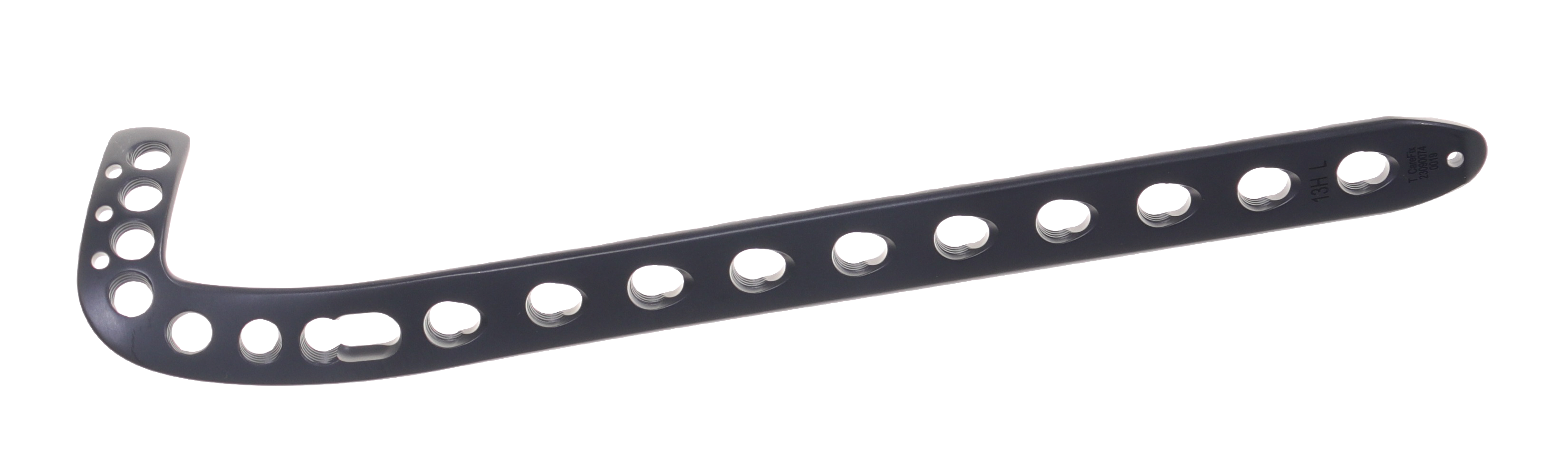
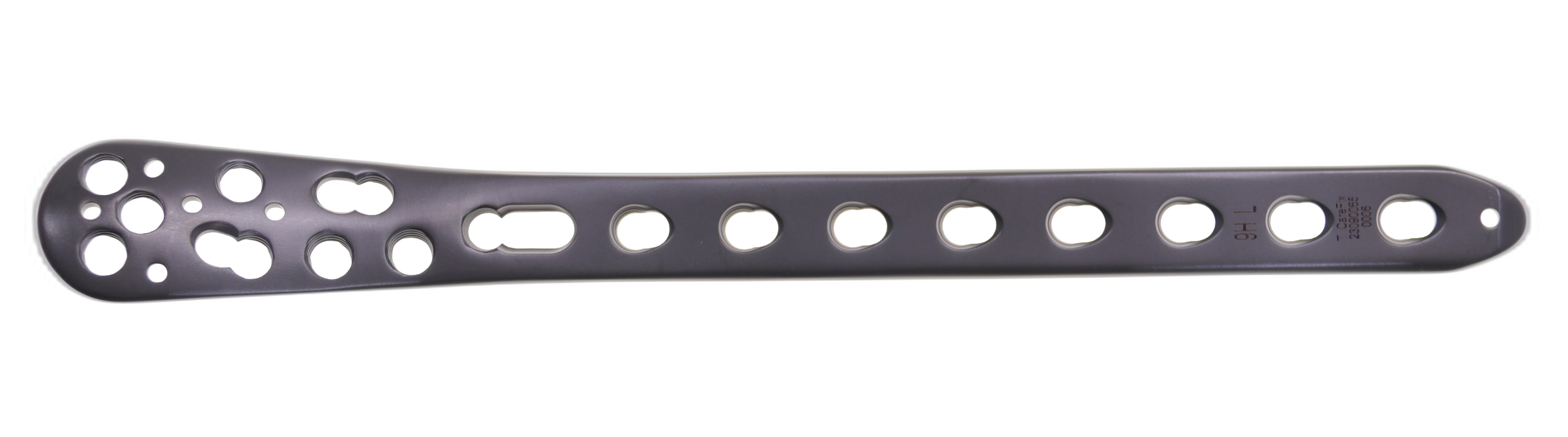
Orthopedic Knee Implants: Advanced Solutions

Get a Free Quote

Our representative will contact you soon.
Email
Name
Company Name
Message
0/1000

orthopedic knee implants

Orthopedic knee implants are advanced medical devices designed to restore mobility and alleviate pain in patients suffering from severe knee joint damage or degenerative conditions. These sophisticated prosthetic components replace damaged cartilage and bone surfaces within the knee joint, enabling patients to regain functional movement and improve their quality of life. Modern orthopedic knee implants consist of three primary components: a femoral component that caps the end of the thighbone, a tibial component that resurfaces the top of the shinbone, and a polyethylene insert that acts as a smooth cushioning surface between these metal parts. The technological features of orthopedic knee implants include biocompatible materials such as cobalt-chromium alloys, titanium, and medical-grade polyethylene that minimize rejection risks and maximize durability. Advanced surface treatments and coatings promote bone integration while reducing wear over time. Contemporary orthopedic knee implants utilize computer-aided design and patient-specific instrumentation to ensure precise fit and alignment during surgery. These implants find applications in total knee replacement procedures for patients with osteoarthritis, rheumatoid arthritis, post-traumatic arthritis, and other degenerative joint diseases. Partial knee replacements also utilize specialized orthopedic knee implants for patients with localized damage. The primary functions include pain elimination, motion restoration, stability improvement, and long-term joint preservation. With proper patient selection and surgical technique, orthopedic knee implants typically provide fifteen to twenty years of reliable service, allowing patients to return to daily activities with confidence and comfort.

New Product Releases

Choosing orthopedic knee implants delivers significant practical benefits that directly impact patient outcomes and long-term satisfaction. The most immediate advantage is dramatic pain relief, as these implants eliminate bone-on-bone friction that causes debilitating discomfort in damaged knees. Patients typically experience pain reduction within weeks of surgery, allowing them to discontinue pain medications and sleep better at night. Mobility restoration represents another crucial benefit, as orthopedic knee implants enable patients to walk, climb stairs, and perform everyday tasks that were previously impossible. This renewed independence translates to improved mental health and social engagement. The durability of modern orthopedic knee implants means patients can expect decades of reliable performance without frequent revisions or replacements, making them a cost-effective long-term solution. Operational benefits include standardized surgical procedures that experienced surgeons can complete efficiently, reducing surgery time and associated risks. The biocompatible materials used in orthopedic knee implants minimize adverse reactions and promote natural bone integration, leading to faster recovery times. Application suitability extends across various patient demographics, from active middle-aged individuals to elderly patients with multiple conditions. Customizable sizing options ensure proper fit regardless of patient anatomy. For healthcare facilities, orthopedic knee implants represent proven technology with extensive clinical data supporting their safety and effectiveness. Patients can make informed decisions knowing these devices have helped millions worldwide regain active lifestyles. The predictable outcomes and high success rates associated with orthopedic knee implants provide peace of mind for both patients and surgeons, making them the gold standard for treating severe knee joint deterioration.

Tips And Tricks

Application of carbon fiber material external fixation bracket in clinical practice

13

Jan

Application of carbon fiber material external fixation bracket in clinical practice

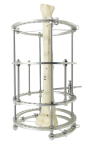
The integration of advanced materials in orthopedic surgery has revolutionized patient care and treatment outcomes. Among these innovations, carbon fiber external fixation systems have emerged as a superior alternative to traditional metal frameworks...
View More
No need for secondary surgery: How does the self-lengthening intramedullary nail synchronize with bone development?

11

Feb

No need for secondary surgery: How does the self-lengthening intramedullary nail synchronize with bone development?

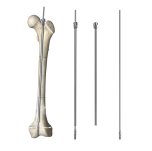
The evolution of pediatric orthopedic surgery has witnessed remarkable advancements in recent decades, with the telescopic intramedullary nail emerging as a groundbreaking solution for treating femoral shaft fractures in growing children. This innova...
View More
Expanding the Boundaries of IM Nail Technology: Periarticular Fractures and Deformity Correction

06

Mar

Expanding the Boundaries of IM Nail Technology: Periarticular Fractures and Deformity Correction

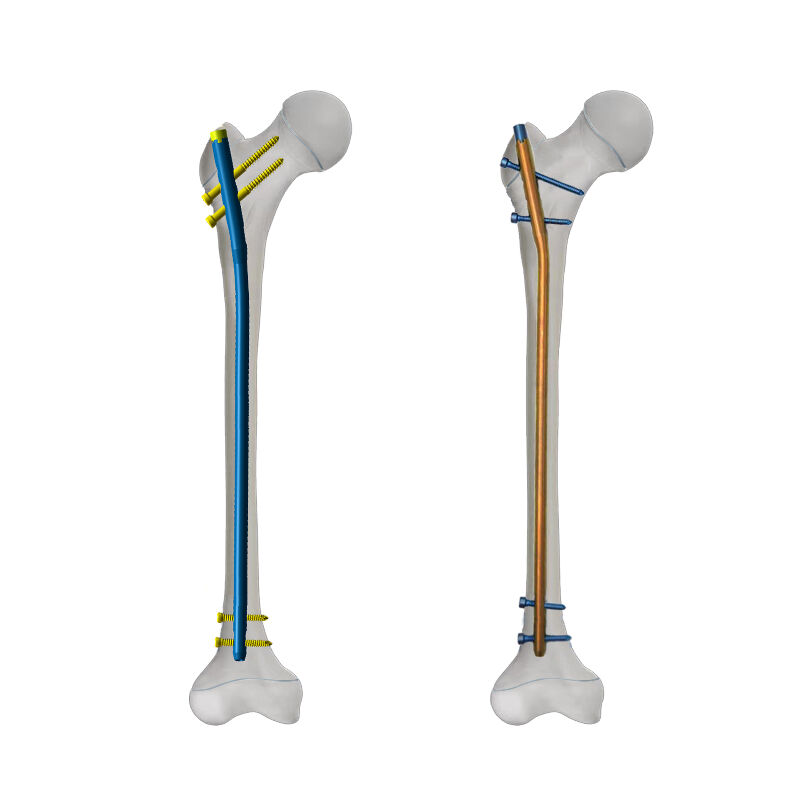
Modern orthopedic surgery continues to evolve with innovative solutions that address complex fracture patterns and deformity corrections. The telescopic intramedullary nail represents a significant advancement in treating challenging periarticular fr...
View More
Treatment of osteomyelitis and tibial pseudarthrosis: The advantages of the Ilizarov frame

06

Mar

Treatment of osteomyelitis and tibial pseudarthrosis: The advantages of the Ilizarov frame

The treatment of complex orthopedic conditions such as osteomyelitis and tibial pseudarthrosis presents significant challenges that require innovative surgical approaches. Among the most effective solutions available to orthopedic surgeons today is t...
View More

Get a Free Quote

Our representative will contact you soon.
Email
Name
Company Name
Message
0/1000

orthopedic knee implants

Advanced Material Engineering for Superior Longevity

Advanced Material Engineering for Superior Longevity

The exceptional material composition of orthopedic knee implants sets them apart as premium medical devices built to withstand decades of daily use. Manufacturers employ cobalt-chromium and titanium alloys that offer outstanding strength-to-weight ratios while maintaining biocompatibility with human tissue. These metals resist corrosion within the body's chemical environment and can handle the repetitive stress of millions of walking cycles without degrading. The polyethylene bearing surfaces undergo specialized cross-linking treatments that dramatically reduce wear particle generation, a critical factor in implant longevity. This advanced engineering means patients receive orthopedic knee implants that maintain their smooth articulation and structural integrity for twenty years or more. The materials also accept porous coatings and hydroxyapatite layers that encourage bone cells to grow directly onto the implant surface, creating biological fixation that eliminates the need for cement in many cases. This natural integration strengthens the bond between implant and bone while preserving more of the patient's natural bone stock for potential future procedures. The careful material selection in orthopedic knee implants demonstrates a commitment to patient safety and long-term performance that justifies the investment in quality joint replacement.
Precision Fit Technology for Optimal Function

Precision Fit Technology for Optimal Function

Modern orthopedic knee implants incorporate sophisticated design features that ensure anatomically correct alignment and natural knee motion patterns. Computer modeling and extensive biomechanical research have refined implant geometries to match the complex movements of healthy knees, including rolling and gliding motions that occur during flexion and extension. This attention to kinematic detail allows patients to achieve deeper knee bends and more natural gait patterns compared to older implant designs. Surgeons can select from comprehensive size matrices that accommodate variations in patient anatomy, ensuring every individual receives orthopedic knee implants properly scaled to their skeletal structure. Some advanced systems offer patient-specific cutting guides created from preoperative imaging, enabling surgeons to position components with submillimeter accuracy. This precision translates directly to improved outcomes, as properly aligned orthopedic knee implants distribute forces evenly across the joint surface, minimizing stress concentrations that could lead to premature loosening or wear. The balanced ligament tension resulting from accurate positioning also contributes to better stability and patient satisfaction. For active patients, this precision engineering means orthopedic knee implants that feel more natural and support a wider range of physical activities without discomfort or instability concerns.
Proven Clinical Success Across Diverse Patient Populations

Proven Clinical Success Across Diverse Patient Populations

The extensive track record of orthopedic knee implants provides compelling evidence of their effectiveness across millions of procedures worldwide. Registry data from multiple countries consistently shows survival rates exceeding ninety-five percent at ten years, demonstrating the reliability patients can expect from these devices. This proven performance spans diverse patient groups, including younger active individuals seeking to maintain athletic lifestyles and older patients with complex medical histories. Clinical studies confirm that orthopedic knee implants successfully restore function regardless of the underlying cause of joint damage, whether osteoarthritis, inflammatory arthritis, or post-traumatic conditions. Patient satisfaction surveys reveal that over ninety percent of recipients report significant quality of life improvements and would choose the procedure again. This success stems from continuous refinement based on decades of surgical experience and outcomes research. Surgeons worldwide have developed standardized techniques for implanting these devices, creating a knowledge base that improves results and reduces complications. The documented success of orthopedic knee implants gives patients confidence in their treatment decision, knowing they are choosing a thoroughly tested solution with predictable outcomes. Healthcare systems value this reliability as it translates to fewer revision surgeries and better resource utilization, making orthopedic knee implants both medically sound and economically sensible for treating advanced knee joint disease.
logo