orthopedic implants manufacturing
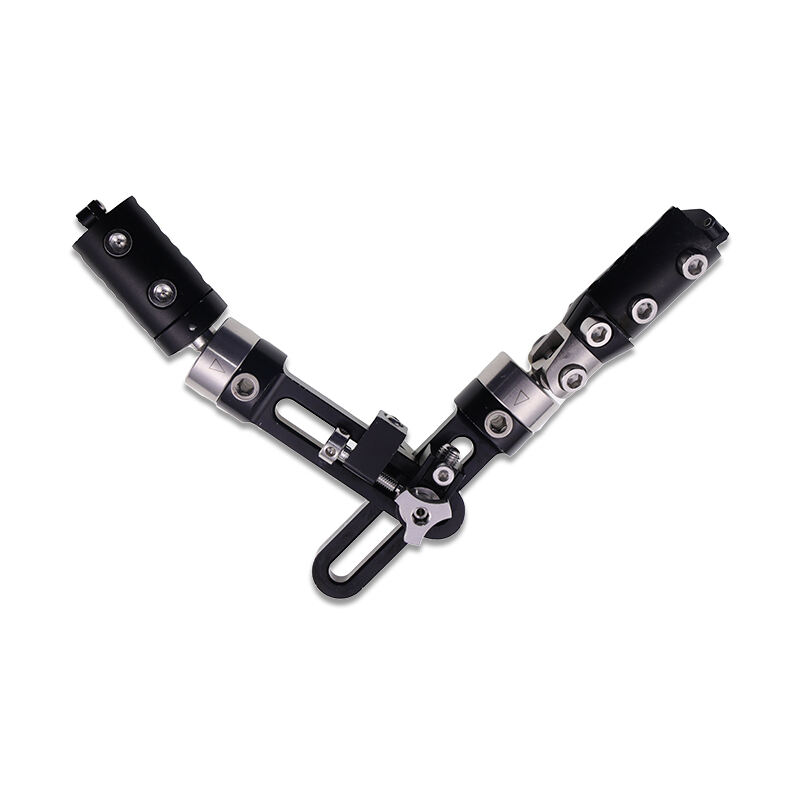
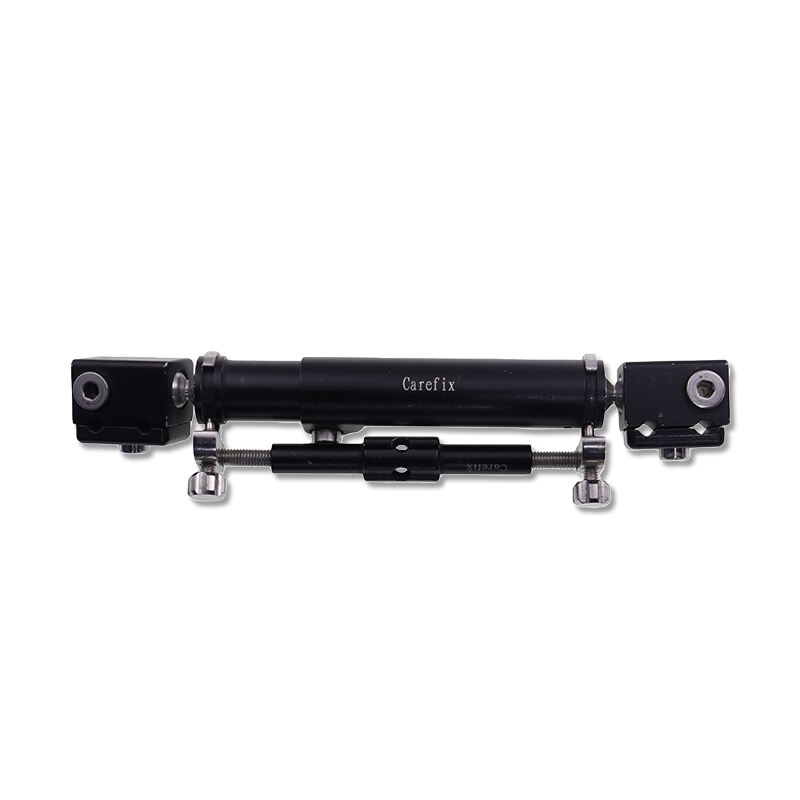
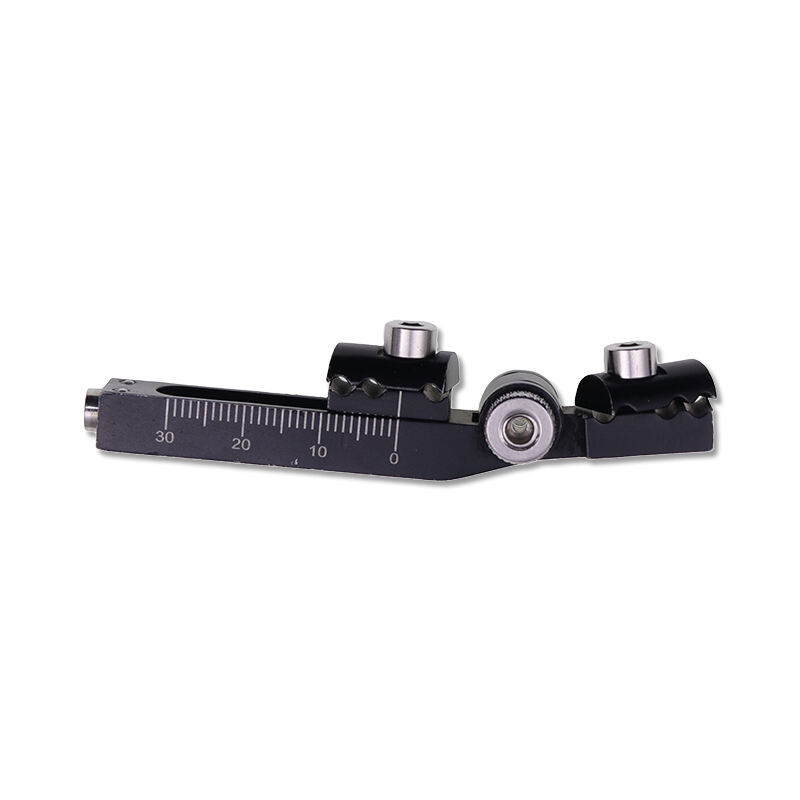
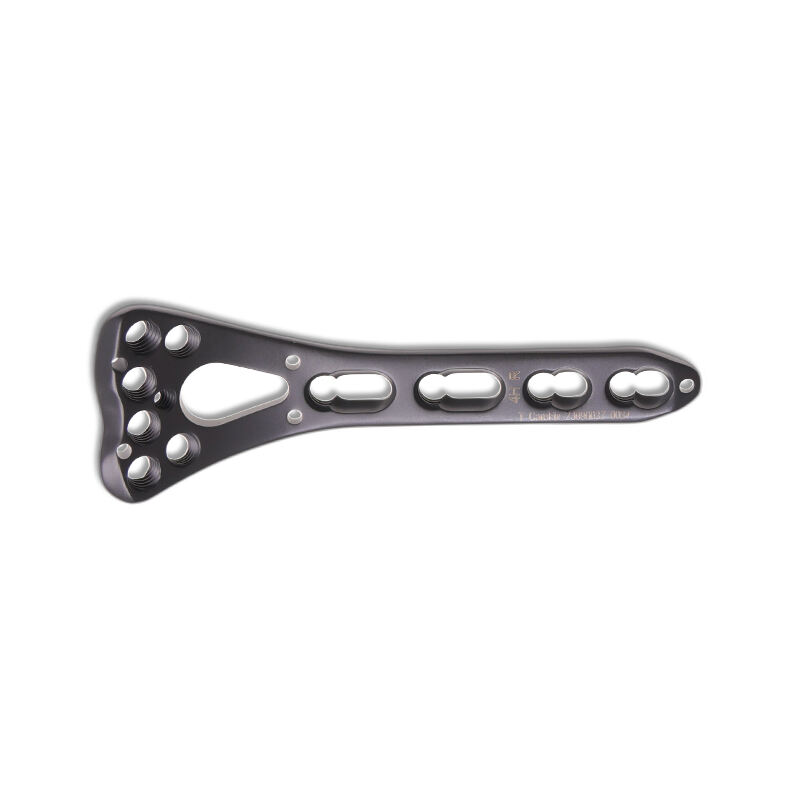
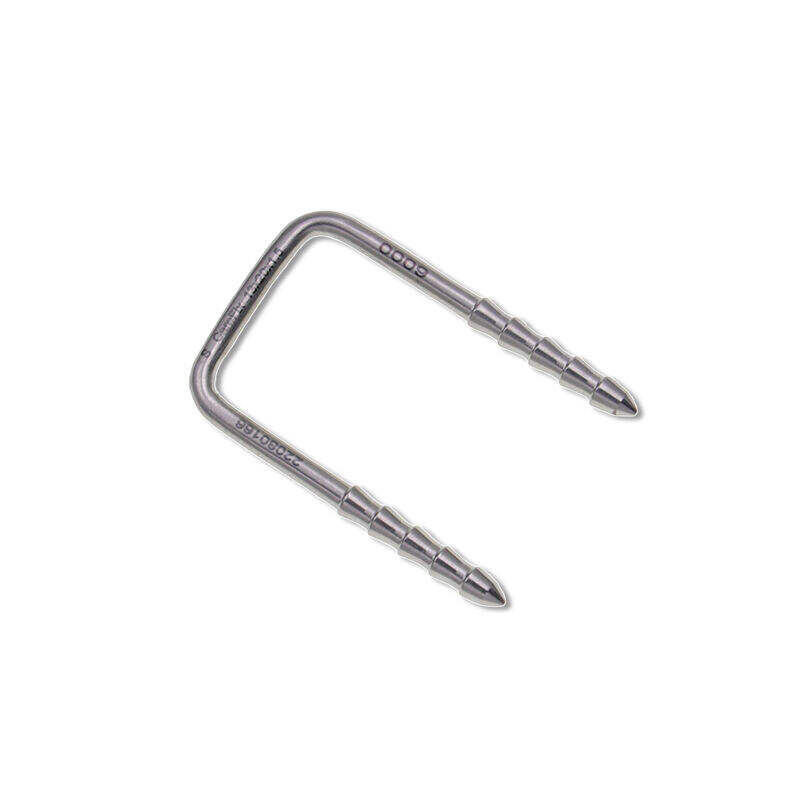
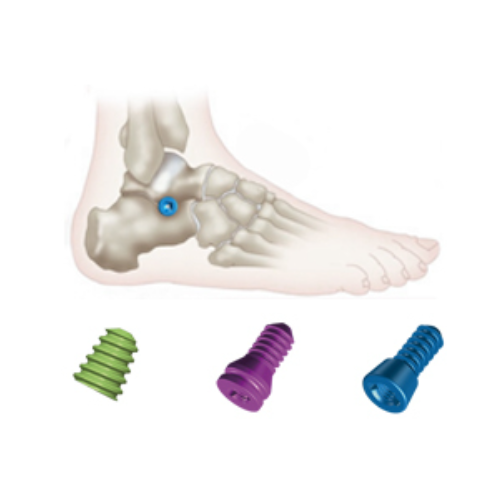
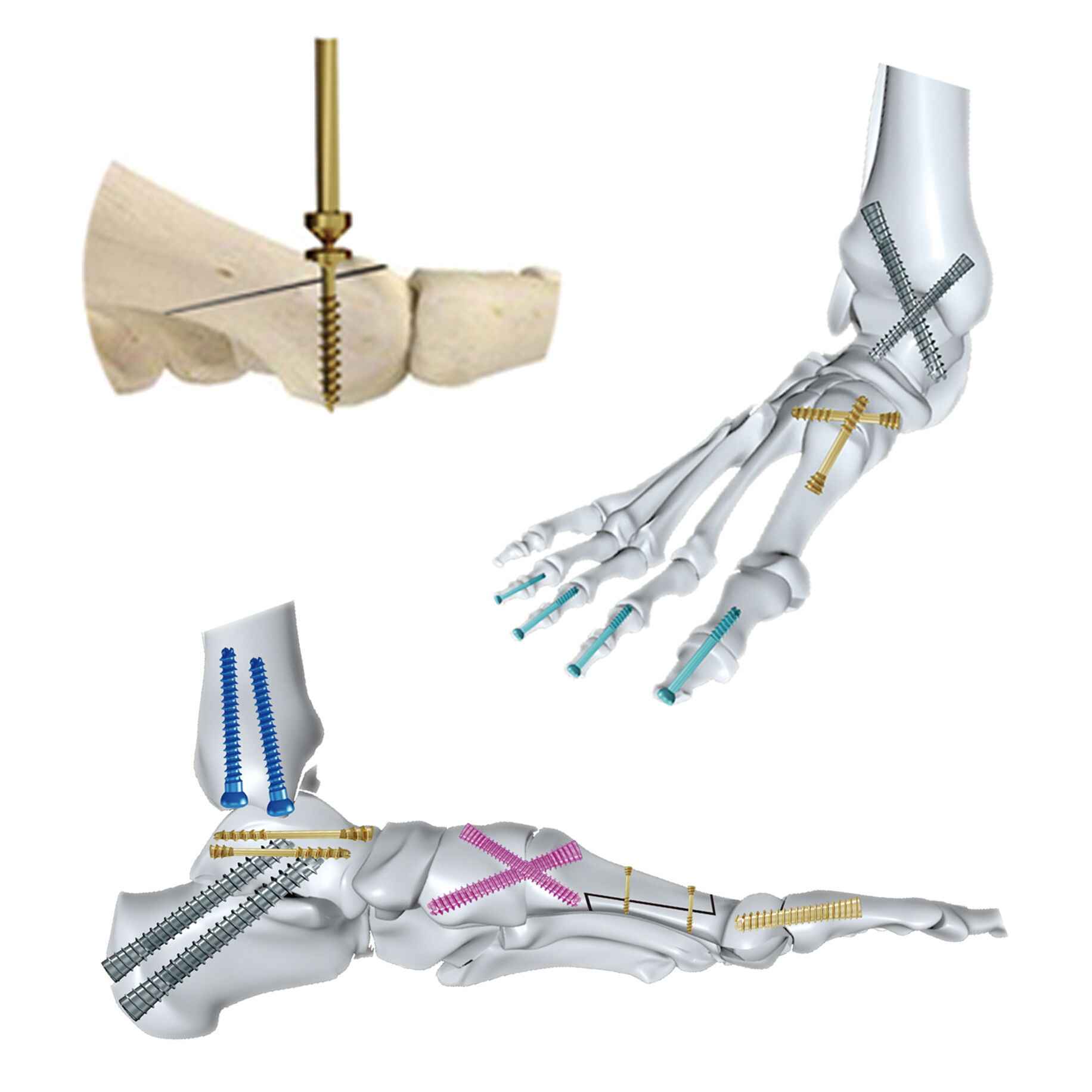
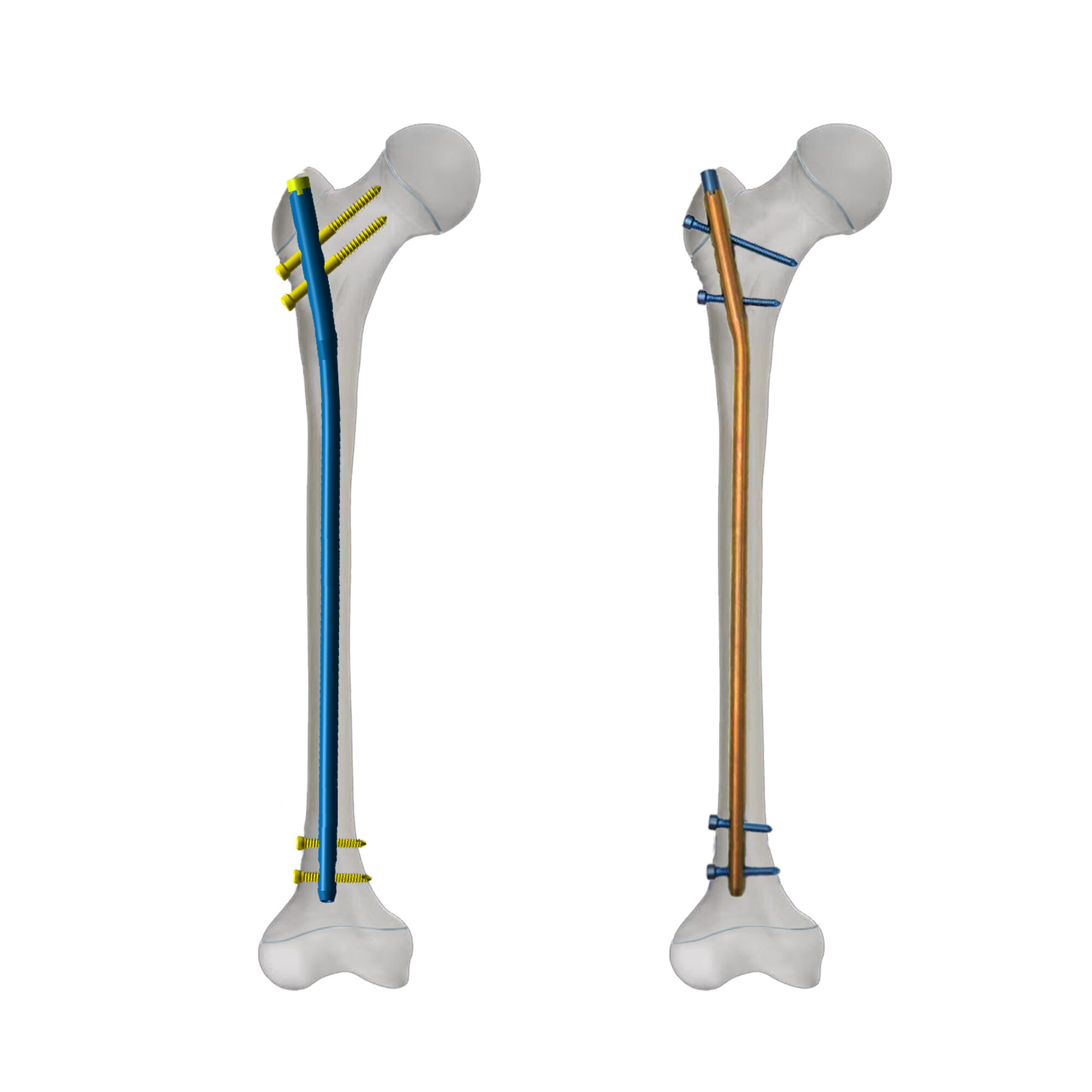
Orthopedic implants manufacturing represents a specialized medical device production process that creates surgical components designed to replace, support, or enhance damaged bones and joints within the human skeletal system. This sophisticated manufacturing sector produces a wide range of products including hip replacements, knee prosthetics, spinal fixation devices, trauma plates, screws, and joint reconstruction systems. The orthopedic implants manufacturing process combines advanced engineering principles with medical expertise to develop biocompatible devices that restore mobility and improve patient quality of life. Modern production facilities utilize precision machining, additive manufacturing technologies, and stringent quality control protocols to ensure each implant meets exact specifications and regulatory standards. The manufacturing workflow encompasses material selection, computer-aided design, prototype development, testing validation, and final production using medical-grade materials such as titanium alloys, cobalt-chromium compounds, stainless steel, and specialized polymers. Orthopedic implants manufacturing also incorporates surface treatment technologies that enhance osseointegration and reduce rejection risks. These production operations must comply with international medical device regulations including FDA guidelines and ISO 13485 certification requirements. The industry serves hospitals, surgical centers, and healthcare providers worldwide, supporting millions of reconstructive procedures annually. Advanced orthopedic implants manufacturing facilities employ cleanroom environments, automated inspection systems, and traceability protocols that guarantee product safety and performance consistency throughout the entire production lifecycle.
 EN
EN