Titanium Orthopedic Implants - Durable Solutions

Get a Free Quote

Our representative will contact you soon.
Email
Name
Company Name
Message
0/1000

titanium orthopedic implants

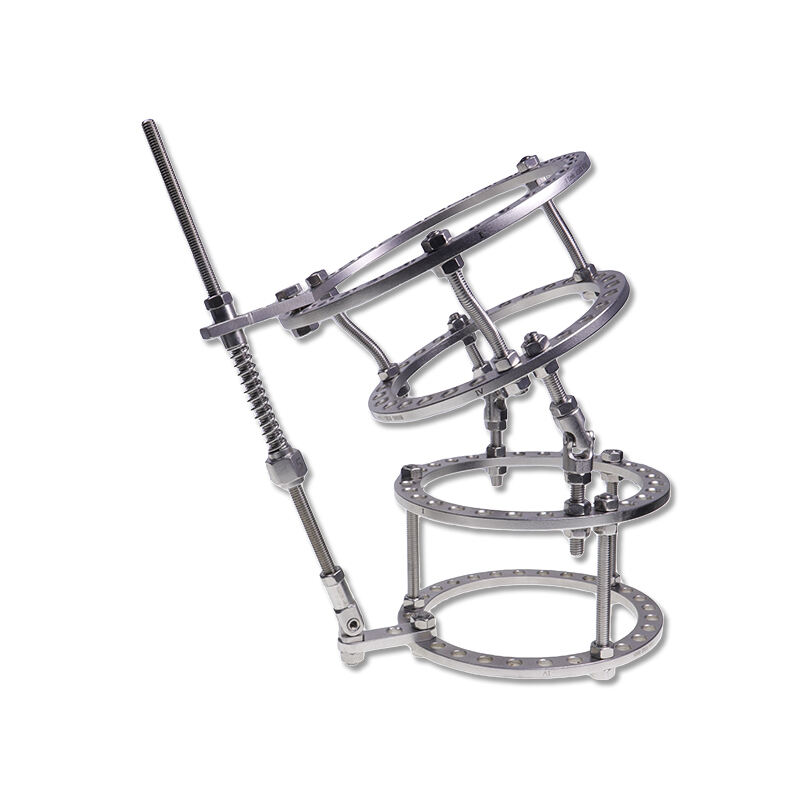
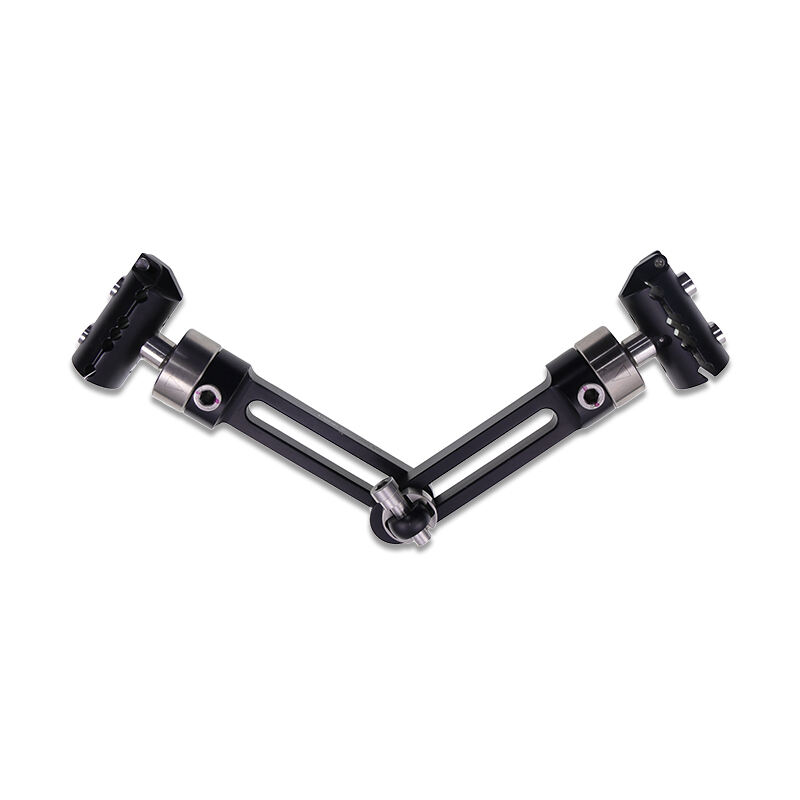
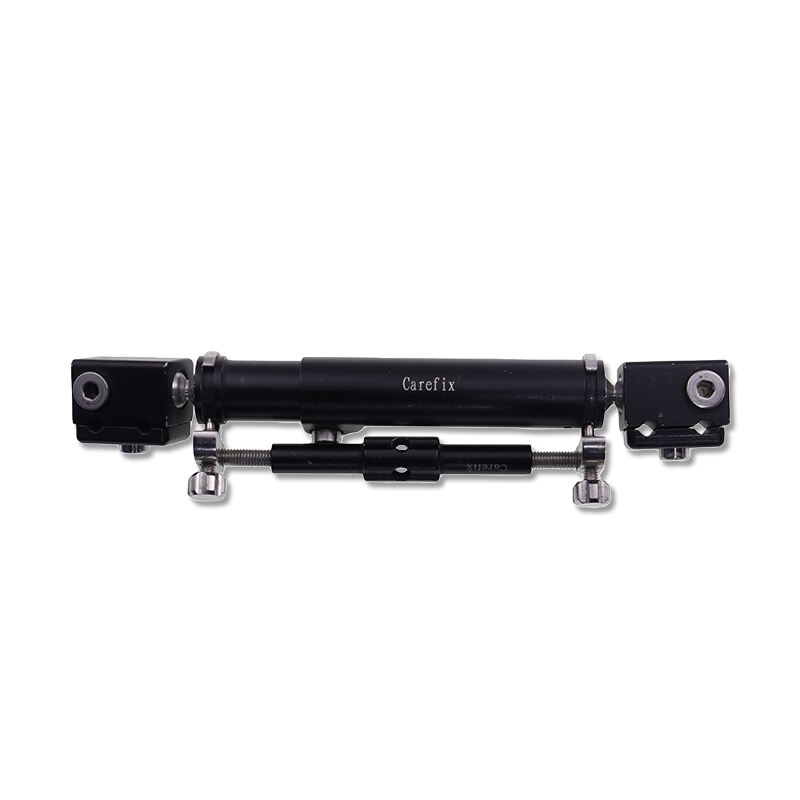
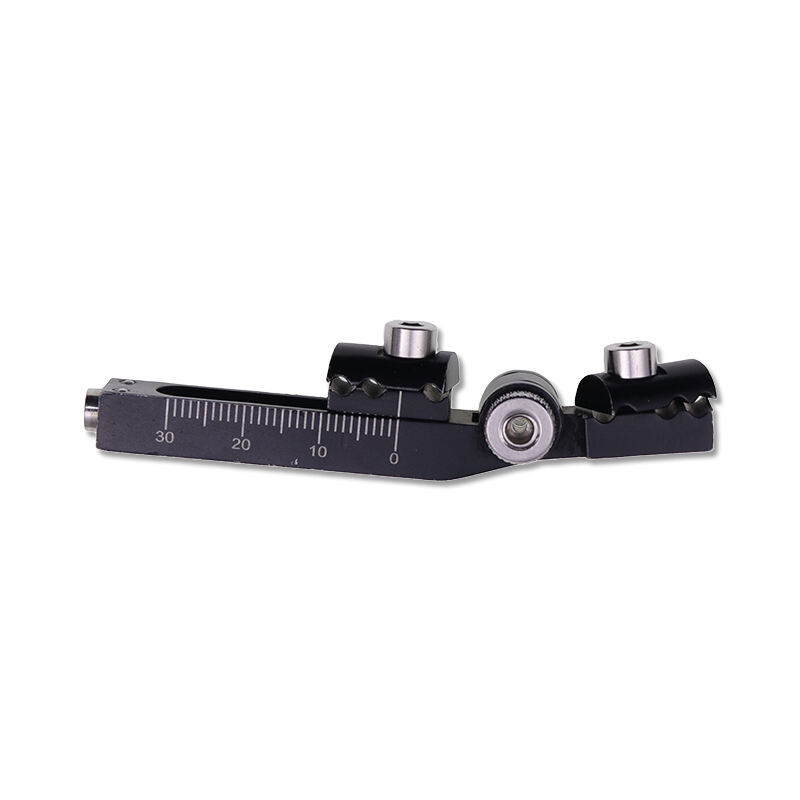
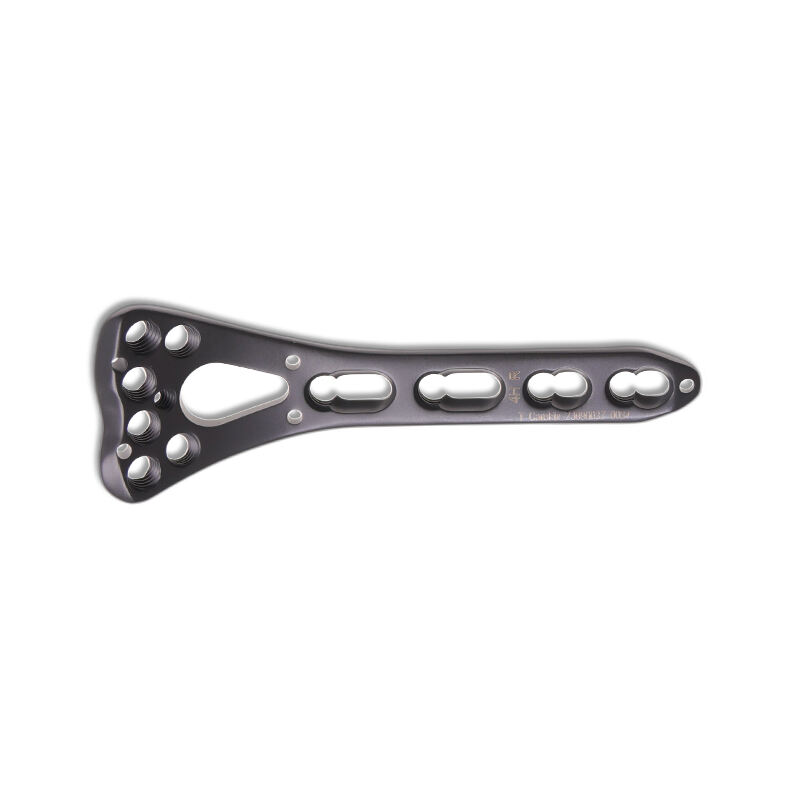
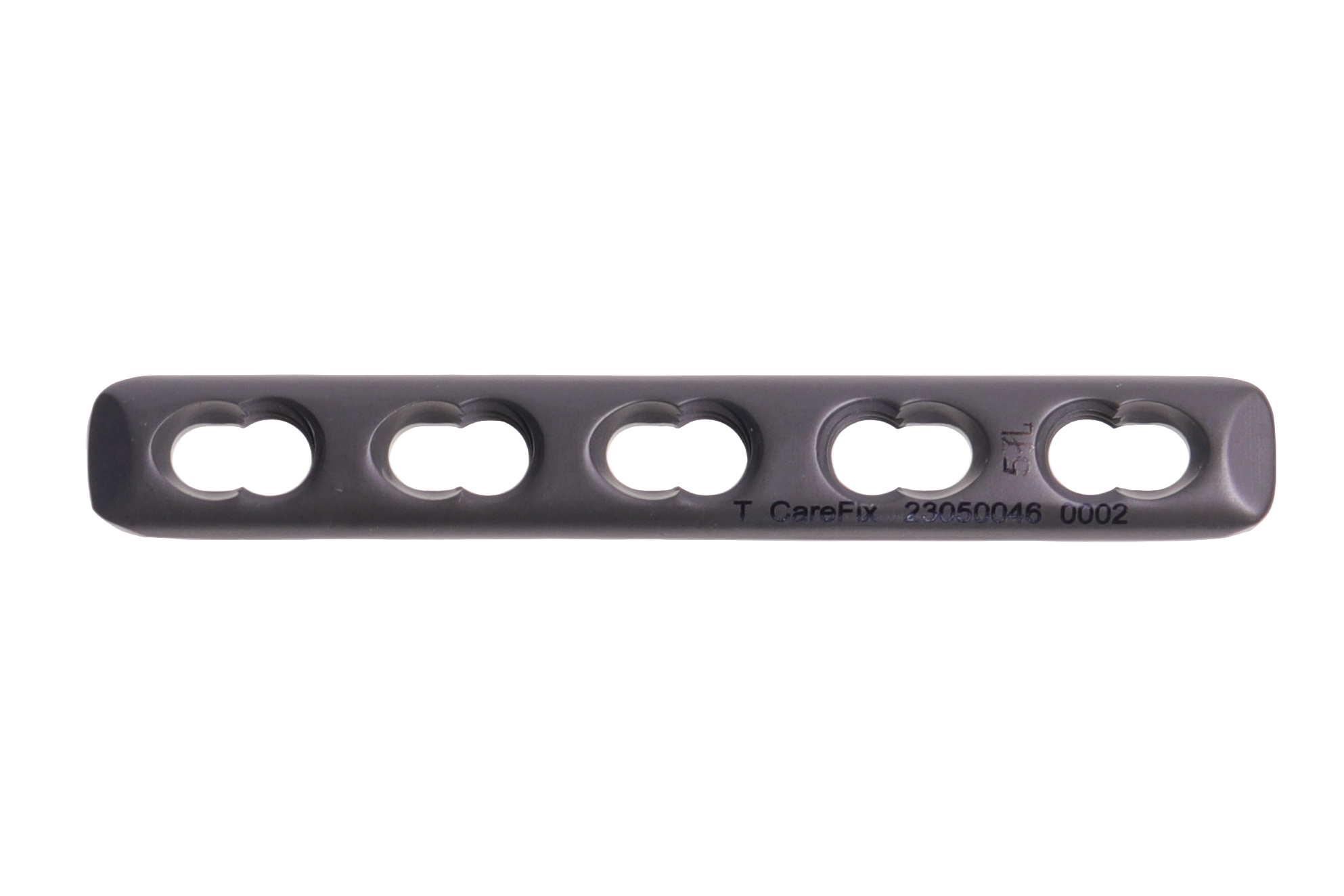
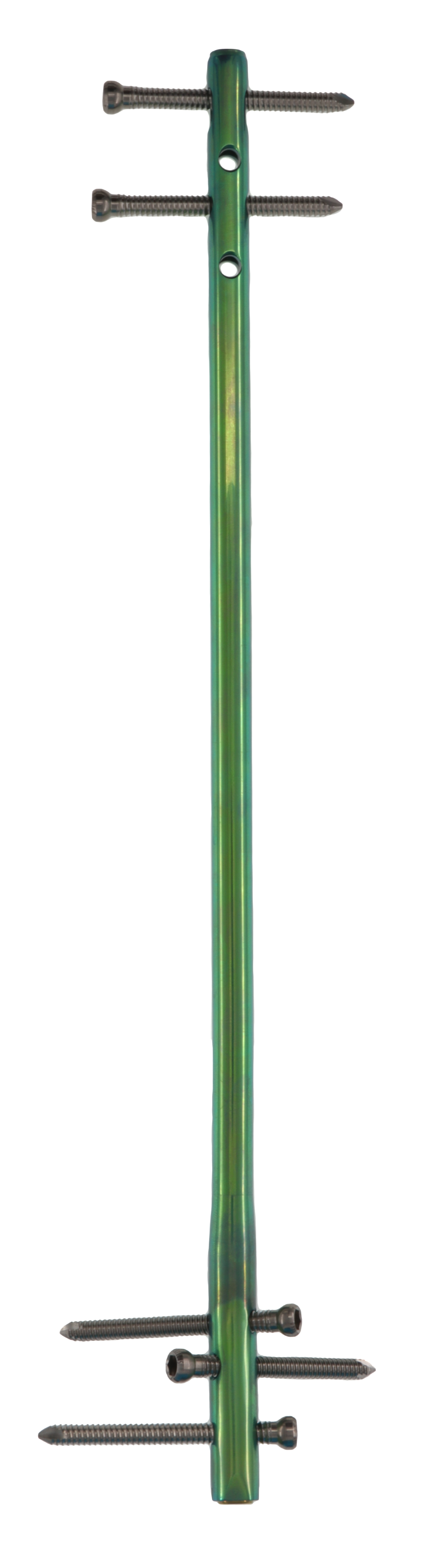
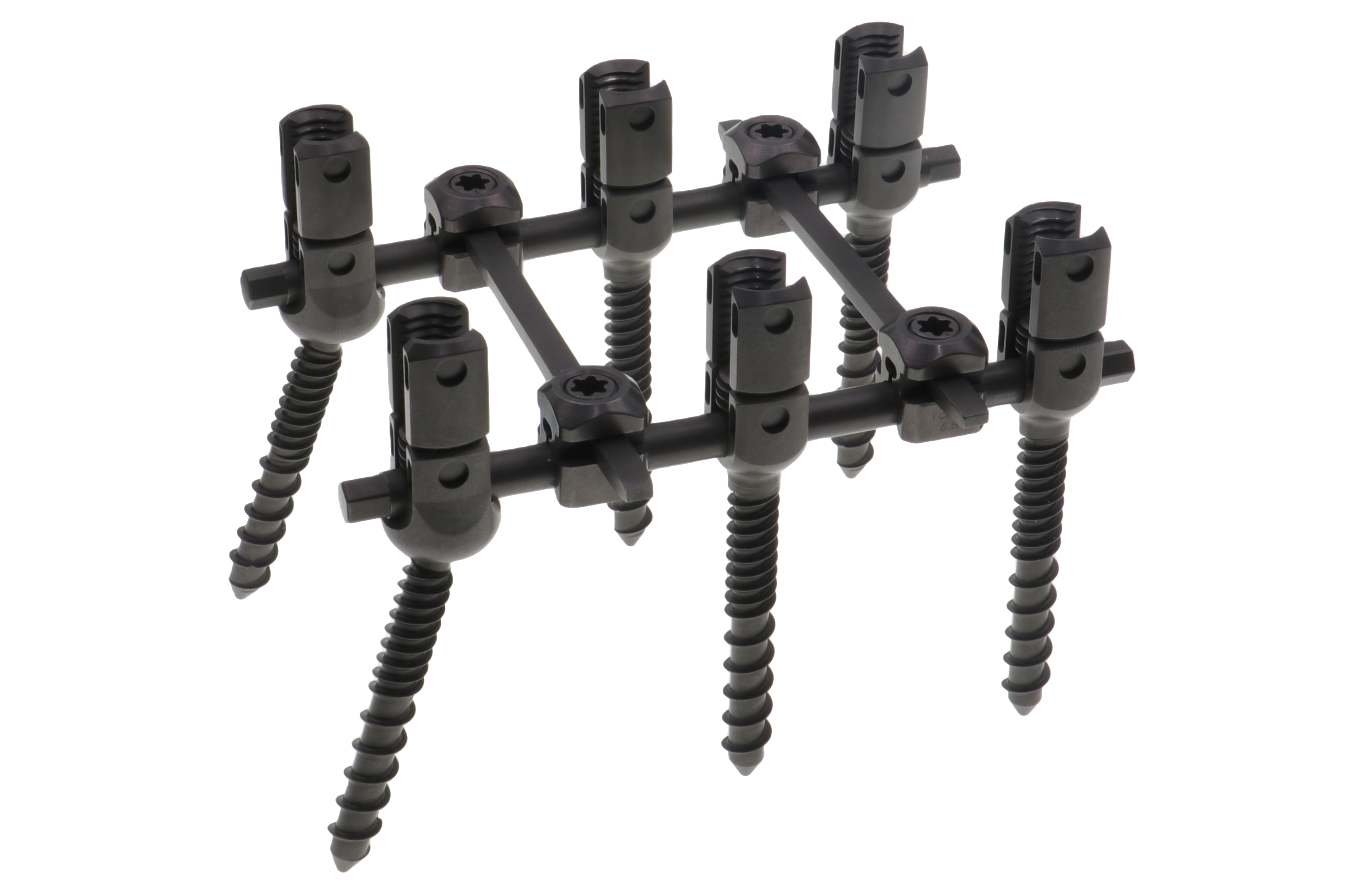
Titanium orthopedic implants represent a revolutionary advancement in modern surgical medicine, designed to restore mobility and improve quality of life for patients suffering from bone injuries, degenerative joint diseases, and skeletal deformities. These medical devices are manufactured from high-grade titanium alloys, specifically engineered to replace damaged bone structures, repair fractures, and provide long-term skeletal support. The main functions of titanium orthopedic implants include joint replacement in hips, knees, and shoulders, fracture fixation through plates and screws, spinal fusion stabilization, and dental implant integration. The technological features that distinguish these implants include exceptional biocompatibility, superior corrosion resistance, and osseointegration capabilities that allow natural bone to fuse directly with the implant surface. Advanced manufacturing techniques such as 3D printing and computer-aided design enable precise customization to match individual patient anatomy. Titanium orthopedic implants find extensive applications across multiple medical specialties, including trauma surgery for emergency fracture treatment, reconstructive orthopedics for joint replacement procedures, sports medicine for ligament repair, and maxillofacial surgery for cranial reconstruction. The material's unique combination of strength-to-weight ratio and MRI compatibility makes it the preferred choice for permanent skeletal implantation. These implants undergo rigorous testing and quality control processes to meet international medical standards, ensuring patient safety and optimal surgical outcomes for diverse orthopedic conditions requiring long-term implantation solutions.

New Products

Choosing titanium orthopedic implants delivers exceptional value through multiple practical benefits that directly impact patient outcomes and surgical success. The lightweight nature of titanium significantly reduces stress on surrounding bone tissue while maintaining structural integrity, allowing patients to resume normal activities faster than with heavier alternative materials. Biocompatibility stands as a fundamental advantage, as the human body accepts titanium without triggering adverse immune responses or allergic reactions, minimizing rejection risks and complications that could require revision surgery. The corrosion-resistant properties ensure titanium orthopedic implants maintain their structural integrity throughout decades of exposure to bodily fluids, eliminating concerns about metal degradation or toxic ion release that compromise implant longevity. Osseointegration capability enables natural bone to grow directly onto the implant surface, creating a permanent biological bond that provides stability without requiring cement or additional fixation methods. This natural integration process accelerates healing timelines and improves functional recovery. From an operational perspective, titanium orthopedic implants offer surgeons precision placement options with reduced operative time due to their workability and compatibility with modern surgical instruments. The radiolucent characteristics allow clear post-operative imaging through X-rays and CT scans, enabling physicians to monitor healing progress without metal artifacts obscuring visualization. MRI compatibility represents a critical decision factor, as patients with titanium orthopedic implants can safely undergo magnetic resonance imaging for unrelated medical conditions without implant interference or image distortion. Application suitability extends across all age groups, from pediatric patients requiring growth-accommodating devices to elderly individuals needing joint replacements, making these implants versatile solutions for diverse orthopedic challenges. The proven track record spanning decades of clinical use provides confidence in choosing titanium orthopedic implants for permanent skeletal reconstruction.

Practical Tips

Cannulated Screw Types: Features and Benefits Explained

16

Dec

Cannulated Screw Types: Features and Benefits Explained

Orthopedic surgery has evolved significantly over the past decades, with advances in implant technology playing a crucial role in improving patient outcomes. Among these innovations, the cannulated screw stands out as a versatile and highly effective...
View More
Application analysis of intramedullary nail system in ankle joint fusion

16

Dec

Application analysis of intramedullary nail system in ankle joint fusion

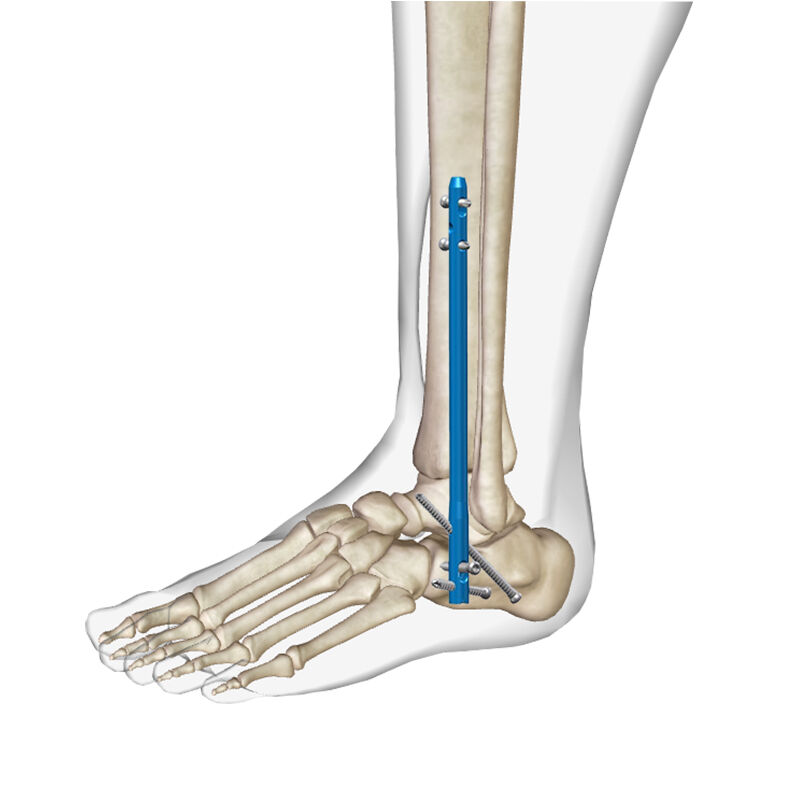
The evolution of orthopedic surgical techniques has brought significant advancements in treating complex ankle pathologies, particularly through the implementation of modern fixation systems. An intramedullary nail system represents a revolutionary a...
View More
Distal radial volar locking plate: refined design enhances the success rate of fracture fixation

06

Mar

Distal radial volar locking plate: refined design enhances the success rate of fracture fixation

The treatment of distal radius fractures has undergone significant evolution in recent decades, with the distal radial volar locking plate emerging as a cornerstone technology in modern orthopedic practice. These innovative implants represent a parad...
View More
The application advantages of modular braces in ankle fractures

15

Apr

The application advantages of modular braces in ankle fractures

Ankle fractures represent one of the most challenging orthopedic injuries to manage effectively, requiring precise stabilization and controlled healing environments. Traditional casting methods often fall short in providing the dynamic support and ad...
View More

Get a Free Quote

Our representative will contact you soon.
Email
Name
Company Name
Message
0/1000

titanium orthopedic implants

Superior Biocompatibility and Safety Profile

Superior Biocompatibility and Safety Profile

Titanium orthopedic implants demonstrate unmatched biocompatibility that fundamentally transforms patient safety and long-term health outcomes. The material's inert surface chemistry prevents the immune system from identifying the implant as a foreign object, virtually eliminating rejection complications that plague other metallic alternatives. This biological acceptance occurs because titanium spontaneously forms a stable oxide layer upon exposure to oxygen, creating a protective barrier that prevents direct metal-to-tissue contact and ion leaching into surrounding tissues. Clinical studies spanning multiple decades confirm that titanium orthopedic implants produce minimal inflammatory response, allowing seamless integration with bone, muscle, and connective tissues. Patients with known metal sensitivities or allergies to nickel and cobalt can confidently receive titanium implants without experiencing hypersensitivity reactions. The non-toxic nature ensures no carcinogenic risks or systemic health complications emerge over the implant's lifetime. This safety profile becomes particularly valuable for patients requiring multiple implants or those with compromised immune systems, as the material supports healing rather than hindering recovery. The predictable biological response enables surgeons to plan procedures with confidence, knowing tissue integration will proceed according to established healing timelines without unexpected complications derailing patient progress.
Exceptional Mechanical Strength and Durability

Exceptional Mechanical Strength and Durability

The mechanical properties of titanium orthopedic implants provide optimal balance between strength and flexibility that perfectly matches human bone characteristics. Titanium alloys exhibit a strength-to-weight ratio superior to stainless steel, delivering load-bearing capacity necessary for weight-bearing joints like hips and knees while maintaining a lightweight profile that reduces mechanical stress on adjacent bone structures. This strength prevents implant fracture under normal physiological loading conditions, even during high-impact activities or unexpected trauma. The material's elastic modulus closely approximates natural bone, minimizing stress shielding effects where excessively rigid implants cause surrounding bone to deteriorate from lack of mechanical stimulation. Fatigue resistance ensures titanium orthopedic implants withstand millions of loading cycles throughout decades of daily use without developing microcracks or structural weaknesses that lead to catastrophic failure. The ductility allows surgeons to contour certain implant types during surgery for perfect anatomical fit without compromising structural integrity. Corrosion resistance maintains these mechanical properties indefinitely within the body's chemically aggressive environment, where chloride ions and variable pH levels would rapidly degrade lesser materials. This durability translates to longer implant service life, reducing the likelihood patients will require revision surgeries to replace worn or failed components, thereby minimizing healthcare costs and physical trauma associated with repeat procedures.
Advanced Osseointegration for Permanent Fixation

Advanced Osseointegration for Permanent Fixation

Titanium orthopedic implants achieve remarkable osseointegration, a biological process where living bone tissue directly bonds to the implant surface without intervening fibrous tissue layers. This unique capability stems from titanium's surface chemistry, which actively promotes osteoblast cell attachment and proliferation, stimulating new bone formation at the implant interface. The rough surface textures created through specialized manufacturing techniques increase available bonding area and provide mechanical interlocking sites for growing bone tissue. Unlike cemented fixation methods that rely on polymethyl methacrylate to hold implants in place, osseointegration creates a living connection that adapts to changing mechanical demands and continues strengthening over time. This biological fixation eliminates concerns about cement degradation or loss of bond strength that necessitate revision surgeries in traditional approaches. The integration process typically completes within three to six months, after which the implant becomes a permanent functional component of the skeletal system. For joint replacement applications, osseointegrated titanium orthopedic implants provide stable platforms that restore natural joint mechanics and enable full range of motion without loosening risks. Dental and spinal applications particularly benefit from this characteristic, as the permanent biological bond ensures long-term stability in high-stress anatomical locations where implant migration would cause serious complications.
logo