Titanium Bone Screws - Medical Implants

Get a Free Quote

Our representative will contact you soon.
Email
Name
Company Name
Message
0/1000

titanium bone screws

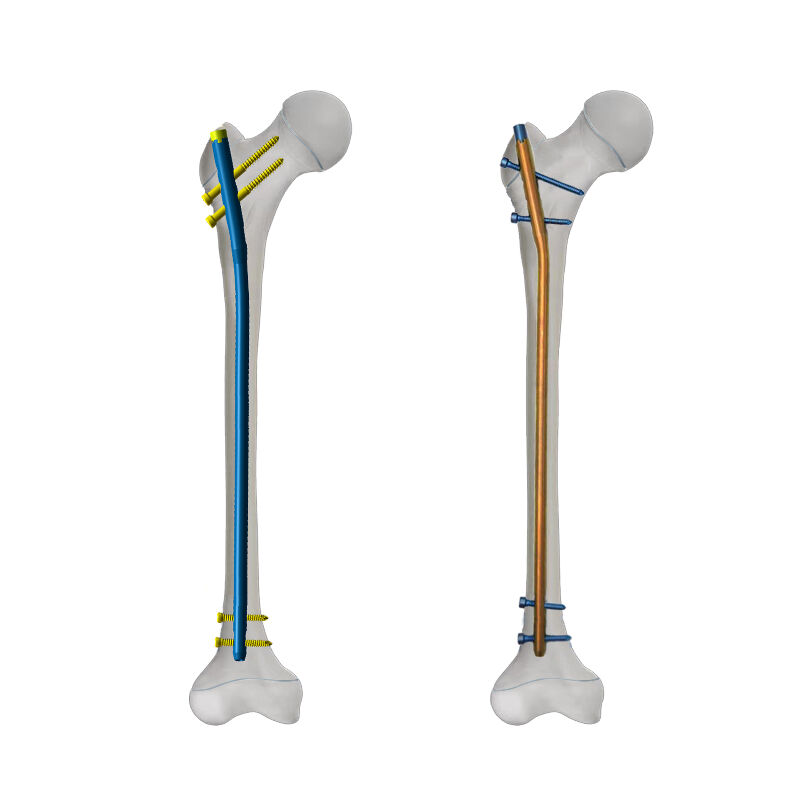
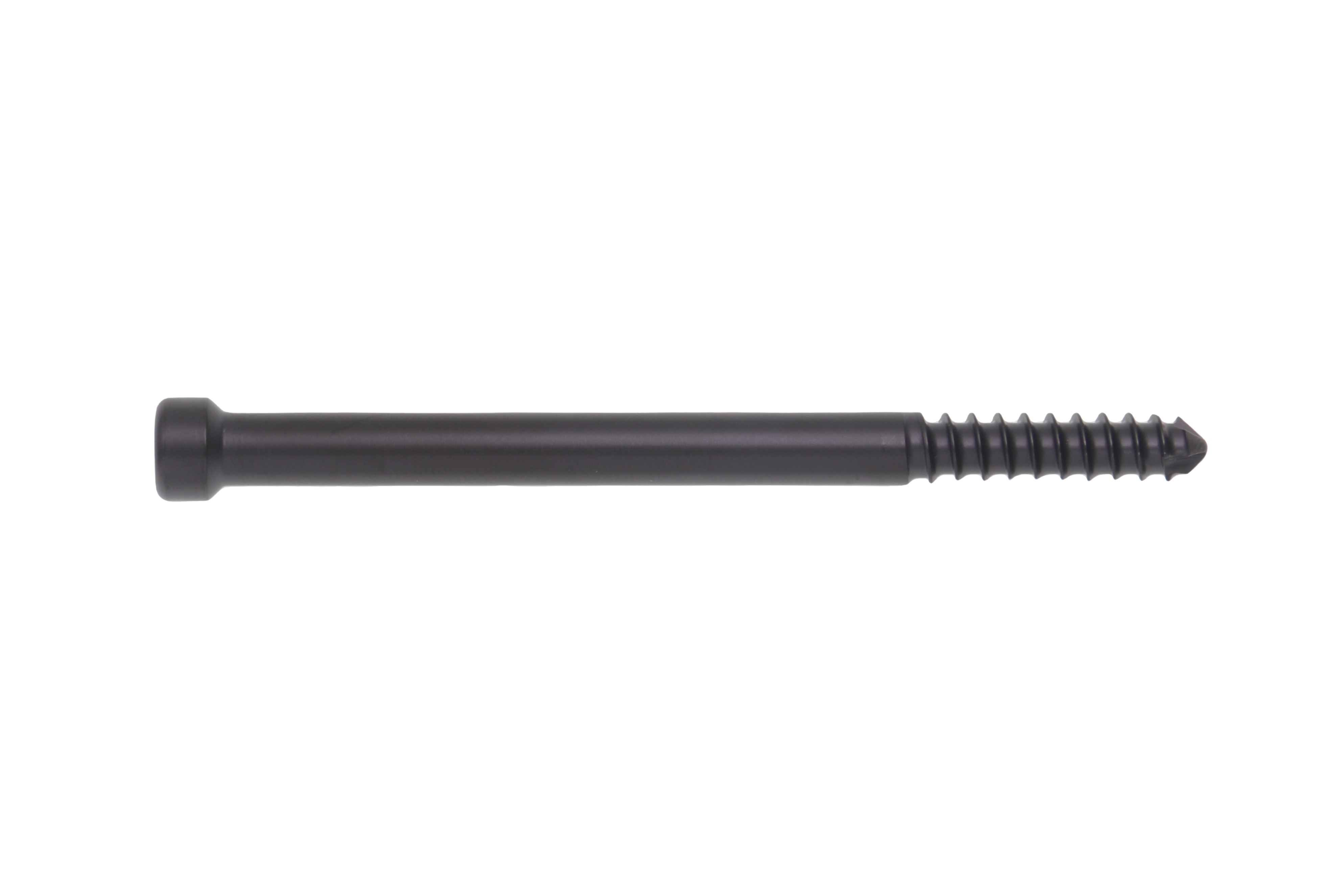
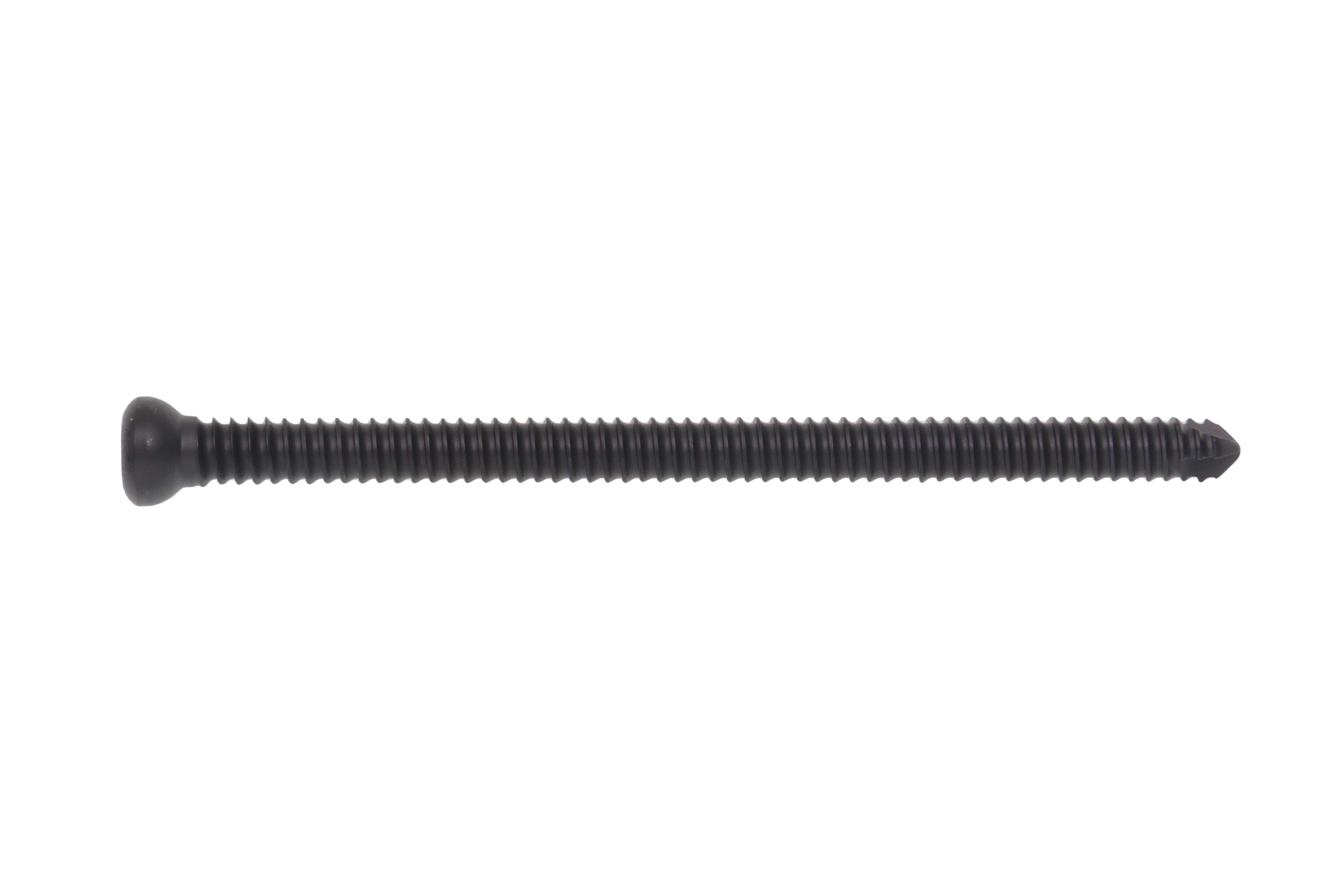
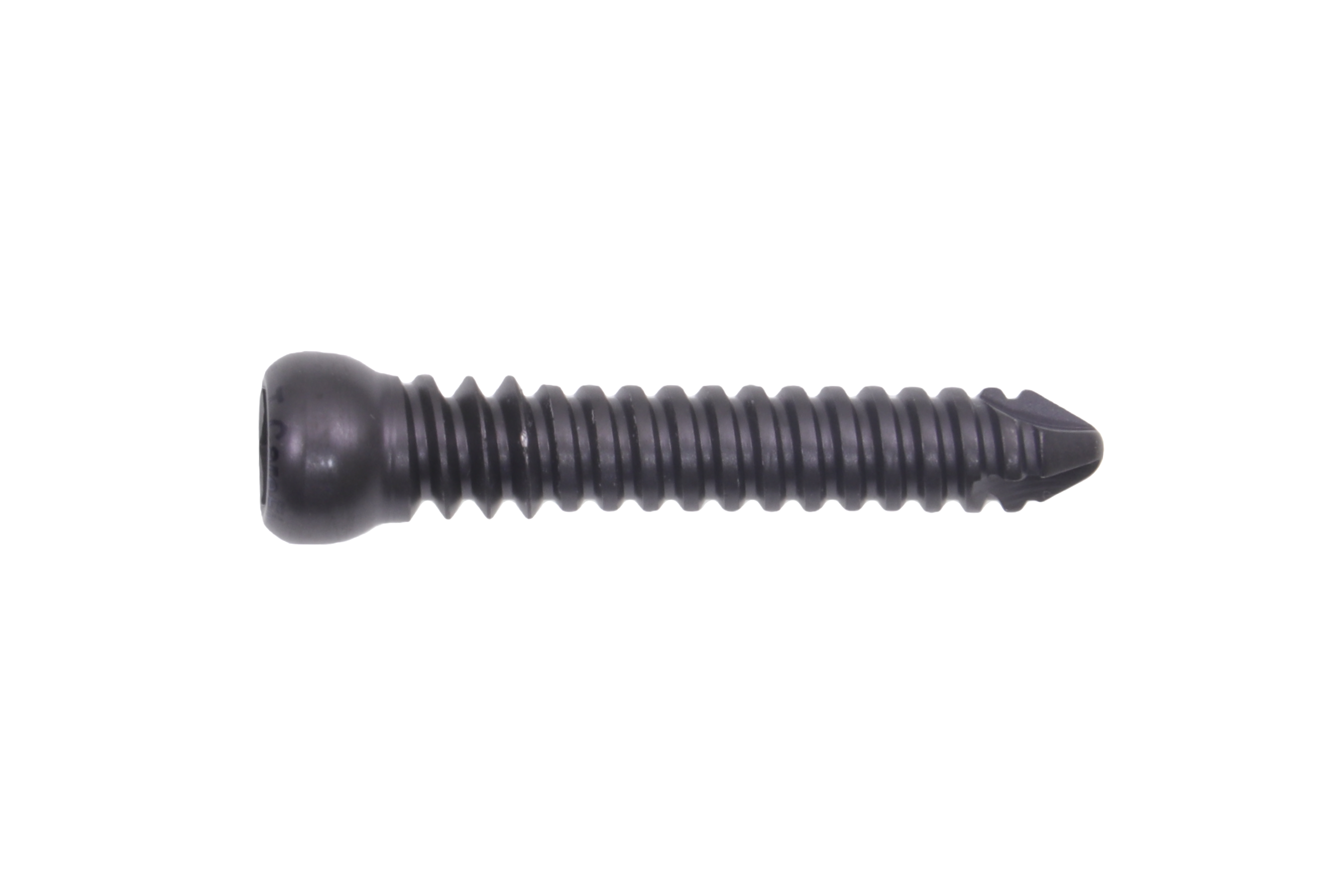
Titanium bone screws are advanced orthopedic fastening devices designed to secure bone fragments during surgical procedures and support the healing process. These precision-engineered implants serve as critical components in fracture fixation, joint reconstruction, and spinal stabilization surgeries. Manufactured from medical-grade titanium alloy, these screws provide exceptional strength while maintaining biocompatibility with human tissue. The primary functions of titanium bone screws include stabilizing fractured bones, anchoring plates and rods to skeletal structures, and facilitating proper alignment during the recovery period. Their technological features encompass self-tapping threads that eliminate the need for pre-drilling in certain applications, varied head designs including countersunk and button heads for different anatomical requirements, and cannulated options that allow for guided insertion over wires. The surface treatment of titanium bone screws often includes specialized coatings that promote osseointegration, enabling bone tissue to grow directly onto the implant surface. Applications span across multiple medical specialties, from trauma surgery addressing acute fractures to reconstructive procedures correcting deformities. Orthopedic surgeons utilize titanium bone screws in hand and foot surgeries, maxillofacial procedures, and complex spinal fusions. The versatility of these devices makes them indispensable in both emergency trauma care and planned orthopedic interventions, supporting patients ranging from accident victims to individuals requiring corrective joint surgery.

Popular Products

Choosing titanium bone screws delivers significant practical benefits that directly impact surgical outcomes and patient recovery. The lightweight nature of titanium reduces the overall burden on healing bone structures while providing strength comparable to stainless steel alternatives. Patients experience greater comfort during recovery because titanium bone screws generate minimal interference with medical imaging equipment, allowing doctors to monitor healing progress through MRI and CT scans without image distortion. The superior biocompatibility of titanium means the body accepts these implants with reduced risk of allergic reactions or adverse tissue responses, creating a safer environment for long-term implantation. Surgeons appreciate the corrosion resistance of titanium bone screws, which maintain structural integrity even when exposed to bodily fluids indefinitely, eliminating concerns about implant degradation over time. The operational benefits extend to the surgical procedure itself, as the material properties of titanium bone screws allow for precise insertion with less risk of stripping or breaking during installation. Medical facilities value the cost-effectiveness over the implant lifecycle, as the durability of titanium bone screws reduces the likelihood of revision surgeries caused by implant failure. For trauma cases requiring immediate stabilization, these screws provide reliable fixation that supports early mobilization, helping patients return to daily activities sooner. The versatility in design options means titanium bone screws suit various anatomical locations and bone densities, from delicate hand bones to load-bearing joints. Decision-makers in healthcare settings recognize that investing in quality titanium bone screws translates to better patient satisfaction, fewer complications, and improved surgical reputation, making them the preferred choice for modern orthopedic procedures.

Latest News

Understanding Intramedullary Nail Complications

13

Jan

Understanding Intramedullary Nail Complications

Intramedullary nail complications represent a significant concern in orthopedic surgery, affecting patient outcomes and recovery timelines. These complications can arise during insertion, throughout the healing process, or during long-term implant re...
View More
The application advantages of modular braces in ankle fractures

11

Feb

The application advantages of modular braces in ankle fractures

Ankle fractures represent one of the most challenging orthopedic conditions, requiring precise stabilization and optimal healing conditions. Modern orthopedic treatment has evolved significantly with the introduction of advanced fixation systems, par...
View More
Finite Element Optimization Design and Biomechanical Validation of Personalized IM Nails

11

Feb

Finite Element Optimization Design and Biomechanical Validation of Personalized IM Nails

The evolution of orthopedic trauma surgery has reached a pivotal moment with the emergence of personalized IM nails that revolutionize fracture treatment approaches. Advanced computational modeling and finite element analysis have enabled surgeons to...
View More
Cannulated screw system: Technological advancements in the treatment of ankle fractures

06

Mar

Cannulated screw system: Technological advancements in the treatment of ankle fractures

Ankle fractures represent one of the most challenging orthopedic injuries requiring precise surgical intervention and advanced fixation methods. The evolution of fracture treatment has been significantly enhanced by the introduction of modern cannula...
View More

Get a Free Quote

Our representative will contact you soon.
Email
Name
Company Name
Message
0/1000

titanium bone screws

Superior Biocompatibility and Osseointegration

Superior Biocompatibility and Osseointegration

The exceptional biocompatibility of titanium bone screws represents a breakthrough in orthopedic implant technology that directly benefits patient safety and recovery outcomes. Unlike other metallic implants that may trigger immune responses, titanium creates a stable interface with human bone tissue, minimizing inflammation and rejection risks. The surface properties of titanium bone screws actively encourage osseointegration, a biological process where bone cells attach directly to the implant surface, forming a structural bond that enhances stability over time. This natural integration eliminates the gaps that can develop with less compatible materials, reducing the risk of loosening or migration. Patients with metal sensitivities find titanium bone screws particularly advantageous, as the material exhibits hypoallergenic properties that accommodate individuals who cannot tolerate conventional stainless steel implants. The long-term biocompatibility ensures that titanium bone screws can remain in the body permanently when removal is not medically necessary, avoiding additional surgical procedures. Medical research consistently demonstrates that the body's positive response to titanium creates an optimal environment for healing, with reduced inflammatory markers and faster bone remodeling around the implant site.
Imaging Compatibility and Monitoring Advantages

Imaging Compatibility and Monitoring Advantages

One of the most practical advantages of titanium bone screws is their excellent compatibility with modern medical imaging technologies, a feature that dramatically improves post-operative care and monitoring capabilities. The non-magnetic properties of titanium allow patients to safely undergo magnetic resonance imaging without the risks associated with ferromagnetic materials, which can heat up, move, or create dangerous situations in MRI environments. Healthcare providers can conduct comprehensive diagnostic imaging throughout the healing process without removing titanium bone screws, enabling precise assessment of bone union and early detection of potential complications. The reduced artifact generation in CT scans and X-rays means radiologists obtain clearer images of the surgical site, facilitating accurate evaluation of implant positioning and bone healing progress. This imaging transparency proves invaluable when patients require subsequent medical procedures or ongoing monitoring for chronic conditions, as the presence of titanium bone screws does not limit diagnostic options. Surgeons can confidently plan revision surgeries or adjacent procedures with complete visualization of the anatomical structures, improving surgical precision and patient safety. The ability to track healing without implant interference supports evidence-based treatment adjustments, allowing medical teams to modify rehabilitation protocols based on actual bone response rather than assumptions.
Exceptional Strength-to-Weight Ratio and Durability

Exceptional Strength-to-Weight Ratio and Durability

Titanium bone screws deliver an outstanding strength-to-weight ratio that sets them apart from alternative fixation devices, providing robust mechanical support without adding unnecessary mass to healing skeletal structures. The material density of titanium is approximately forty percent lower than stainless steel while maintaining comparable tensile strength, meaning titanium bone screws can withstand substantial physiological loads without contributing excessive weight that might stress compromised bone. This mechanical efficiency proves especially valuable in weight-bearing applications such as ankle and knee repairs, where implants must support body weight during the recovery phase. The fatigue resistance of titanium bone screws ensures they maintain structural integrity through millions of loading cycles that occur during normal daily activities, from walking and climbing stairs to more demanding physical movements. Corrosion resistance adds another layer of durability, as titanium forms a protective oxide layer that shields the implant from degradation in the challenging biochemical environment of the human body. Surgeons can trust that titanium bone screws will maintain holding power throughout the extended healing periods required for complex fractures, with no degradation in performance even years after implantation. The combination of strength and longevity makes titanium bone screws a reliable choice for both young active patients and elderly individuals requiring permanent fixation solutions.
logo