EN
EN

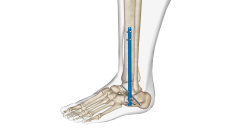
The evolution of orthopedic trauma surgery has reached a pivotal moment with the emergence of personalized IM nails that revolutionize fracture treatment approaches. Advanced computational modeling and finite element analysis have enabled surgeons to develop patient-specific solutions that address individual anatomical variations and biomechanical requirements. This technological advancement represents a significant leap forward from traditional one-size-fits-all implant designs, offering enhanced healing outcomes and reduced complications in complex fracture cases.
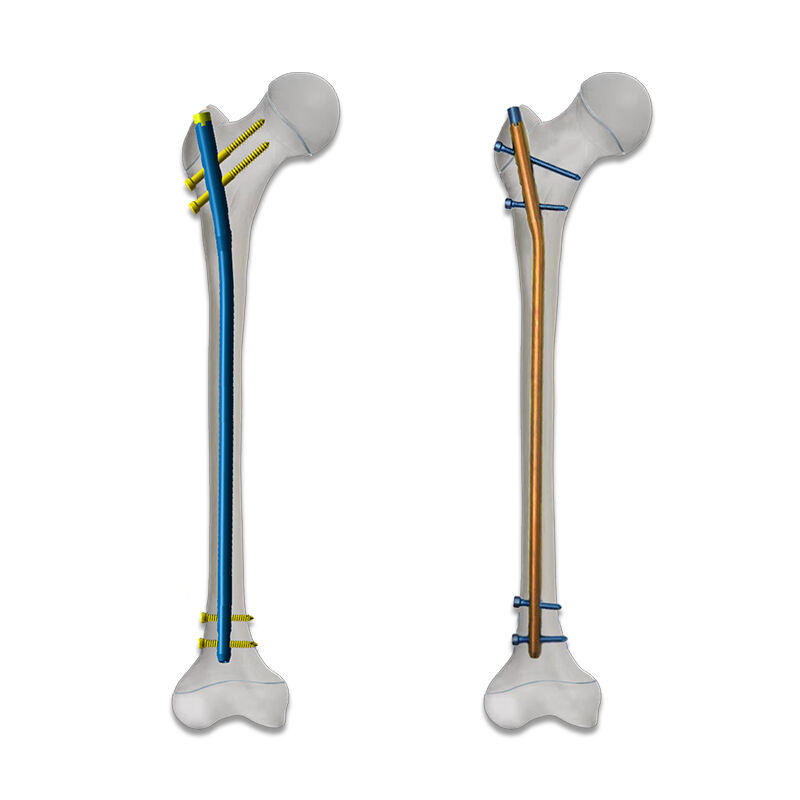
Modern orthopedic surgery demands precision instruments that can accommodate diverse patient populations and complex anatomical configurations. The development of personalized IM nails through finite element optimization represents a convergence of engineering excellence and clinical expertise. This innovative approach addresses the fundamental limitations of standard implant designs by incorporating patient-specific geometric parameters, bone density measurements, and mechanical loading conditions into the design process.
Finite Element Analysis in Implant Design
Computational Modeling Fundamentals
The foundation of personalized IM nails lies in sophisticated computational modeling techniques that simulate real-world biomechanical conditions. Finite element analysis allows engineers to predict stress distribution patterns, identify potential failure points, and optimize material properties before physical prototyping. This computational approach significantly reduces development time and costs while ensuring optimal performance characteristics for each individual patient.
Advanced software platforms enable detailed modeling of bone-implant interactions, incorporating factors such as cortical thickness variations, trabecular bone density, and dynamic loading scenarios. These simulations provide invaluable insights into how personalized IM nails will perform under physiological conditions, allowing for iterative design refinements that enhance clinical outcomes.
Material Property Optimization
The selection and optimization of materials for personalized IM nails requires careful consideration of biocompatibility, mechanical strength, and fatigue resistance. Finite element analysis enables engineers to evaluate different material combinations and geometric configurations to achieve optimal stiffness matching between the implant and surrounding bone tissue. This approach minimizes stress shielding effects that can lead to bone resorption and implant loosening over time.
Contemporary materials used in personalized IM nails include titanium alloys, stainless steel variants, and emerging biocompatible composites. Each material presents unique advantages and challenges that must be carefully evaluated through computational modeling and biomechanical testing protocols.
Biomechanical Validation Protocols
Laboratory Testing Methodologies
Comprehensive biomechanical validation of personalized IM nails requires rigorous laboratory testing protocols that simulate physiological loading conditions. These tests evaluate implant performance under various scenarios including axial compression, torsional loading, and cyclic fatigue conditions. Advanced testing equipment enables precise measurement of mechanical properties and long-term durability characteristics.
Standardized testing protocols ensure that personalized IM nails meet or exceed regulatory requirements while providing clinicians with confidence in their performance characteristics. These validation procedures typically include static strength testing, dynamic fatigue analysis, and corrosion resistance evaluation under simulated physiological conditions.
Clinical Correlation Studies
The transition from laboratory validation to clinical application requires comprehensive correlation studies that demonstrate the effectiveness of personalized IM nails in real-world surgical scenarios. These studies track patient outcomes, healing rates, and complication frequencies to validate the theoretical advantages predicted by finite element analysis.
Long-term clinical data provides essential feedback for continuous improvement of design algorithms and manufacturing processes. This iterative approach ensures that personalized IM nails continue to evolve based on clinical evidence and surgeon feedback, leading to progressively better patient outcomes.
Manufacturing Considerations for Personalized Implants
Additive Manufacturing Technologies
The production of personalized IM nails relies heavily on advanced additive manufacturing technologies that enable cost-effective production of patient-specific geometries. Three-dimensional printing techniques allow for complex internal structures and surface textures that would be impossible to achieve through traditional manufacturing methods. These capabilities enable the creation of implants with optimized porosity patterns and surface roughness characteristics.
Quality control measures for additively manufactured personalized IM nails include dimensional verification, surface finish analysis, and mechanical property validation. Each implant undergoes rigorous inspection to ensure compliance with design specifications and regulatory requirements before clinical use.
Sterilization and Packaging Protocols
The unique geometries and materials used in personalized IM nails require specialized sterilization and packaging protocols to maintain sterility and prevent damage during transport and storage. Standard sterilization methods must be validated for each material and geometric configuration to ensure effectiveness without compromising implant properties.
Packaging systems for personalized IM nails must accommodate irregular shapes and provide adequate protection during shipping while maintaining sterility barriers. These considerations add complexity to the supply chain but are essential for ensuring patient safety and implant performance.
Clinical Applications and Patient Selection
Fracture Pattern Analysis
The selection of appropriate candidates for personalized IM nails requires comprehensive analysis of fracture patterns, bone quality, and patient-specific factors. Complex fractures with multiple fragments, osteoporotic bone conditions, and revision surgeries often benefit most from personalized approaches that can accommodate unique anatomical challenges.
Advanced imaging techniques including computed tomography and magnetic resonance imaging provide detailed anatomical information that guides the design process for personalized IM nails. This imaging data enables precise geometric modeling and optimal implant positioning for enhanced healing outcomes.
Surgical Technique Modifications
The implementation of personalized IM nails often requires modifications to standard surgical techniques to accommodate unique implant geometries and placement requirements. Surgeon training and specialized instrumentation may be necessary to ensure optimal implant positioning and reduce operative complications.
Preoperative planning software allows surgeons to visualize implant placement and practice surgical approaches using virtual reality simulations. This preparation enhances surgical precision and reduces operative time while improving patient safety outcomes.
Future Developments in Personalized Orthopedic Implants
Smart Material Integration
The next generation of personalized IM nails may incorporate smart materials that respond to physiological conditions or provide real-time monitoring capabilities. Shape memory alloys, piezoelectric materials, and bioactive coatings represent emerging technologies that could enhance implant performance and patient outcomes.
Integration of sensor technologies within personalized IM nails could provide valuable data on healing progression, loading patterns, and implant performance over time. This information would enable more precise post-operative care and early detection of potential complications.
Artificial Intelligence in Design Optimization
Machine learning algorithms and artificial intelligence are increasingly being integrated into the design process for personalized IM nails. These technologies can analyze vast databases of patient outcomes and implant performance data to optimize design parameters and predict clinical success rates.
Automated design optimization using artificial intelligence could significantly reduce the time required to develop personalized IM nails while improving their effectiveness. This technology promises to make personalized implants more accessible and cost-effective for a broader range of patients.
Economic Considerations and Healthcare Impact
Cost-Benefit Analysis
The economic impact of personalized IM nails must be evaluated considering both initial costs and long-term healthcare savings. While personalized implants may require higher upfront investments, they often result in reduced complication rates, shorter recovery times, and improved functional outcomes that offset initial expenses.
Healthcare systems are increasingly recognizing the value proposition of personalized IM nails in reducing revision surgeries, minimizing post-operative complications, and improving patient satisfaction scores. These factors contribute to overall healthcare cost reduction and improved quality of care metrics.
Market Adoption Trends
The adoption of personalized IM nails is accelerating as manufacturing costs decrease and clinical evidence supporting their effectiveness continues to grow. Major orthopedic device manufacturers are investing heavily in personalized implant technologies to meet growing demand from surgeons and patients.
Regulatory frameworks are evolving to accommodate personalized medical devices while maintaining safety standards. These developments facilitate market entry for innovative personalized IM nails and encourage continued technological advancement in the field.
FAQ
What makes personalized IM nails different from standard implants
Personalized IM nails are designed specifically for individual patients using advanced imaging data and computational modeling techniques. Unlike standard implants that use fixed sizes and shapes, personalized IM nails are optimized for each patient's unique anatomy, bone density, and biomechanical requirements. This customization results in better fit, improved healing outcomes, and reduced complications compared to traditional one-size-fits-all approaches.
How long does it take to manufacture personalized IM nails
The manufacturing timeline for personalized IM nails typically ranges from 2-4 weeks depending on the complexity of the design and manufacturing processes involved. This includes time for computational modeling, finite element analysis, additive manufacturing, quality control testing, and sterilization procedures. Advanced manufacturing facilities are working to reduce these timelines while maintaining quality standards.
Are personalized IM nails suitable for all types of fractures
Personalized IM nails are particularly beneficial for complex fractures, revision surgeries, and cases involving unique anatomical variations or compromised bone quality. Simple fractures in healthy bone may not require personalized approaches and can be effectively treated with standard implants. The decision to use personalized IM nails should be made based on individual patient factors and fracture characteristics in consultation with orthopedic specialists.
What is the success rate of personalized IM nails compared to standard implants
Clinical studies indicate that personalized IM nails demonstrate higher success rates in terms of bone healing, reduced complications, and improved functional outcomes compared to standard implants in appropriate cases. Success rates vary depending on patient factors and fracture complexity, but personalized approaches typically show 10-15% improvement in healing times and 20-25% reduction in complication rates for complex cases requiring customized solutions.