Orthopedic Medical Devices: Solutions & Benefits

Get a Free Quote

Our representative will contact you soon.
Email
Name
Company Name
Message
0/1000

orthopedic medical devices

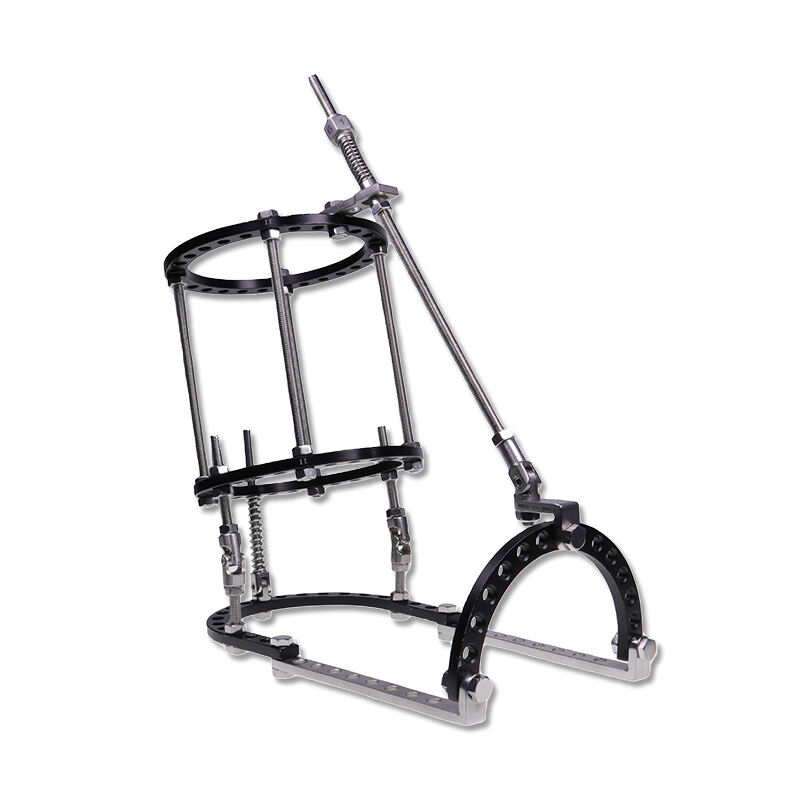
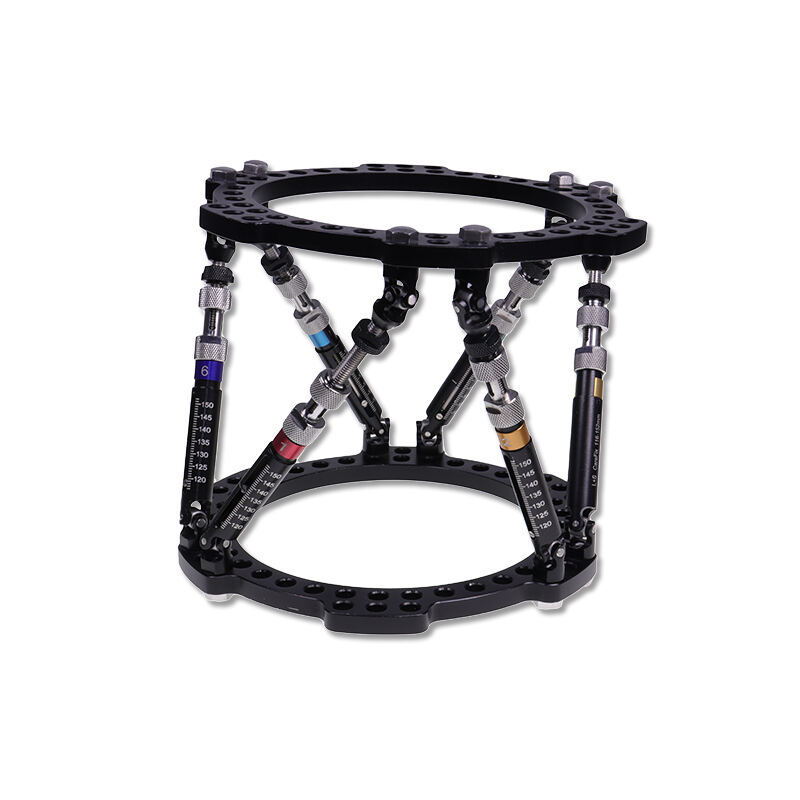
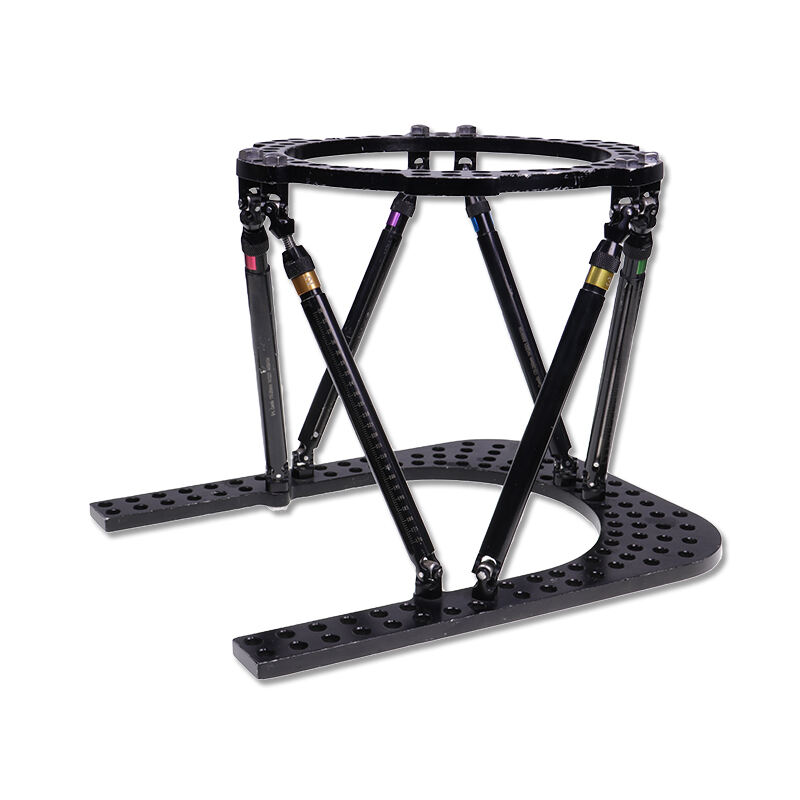
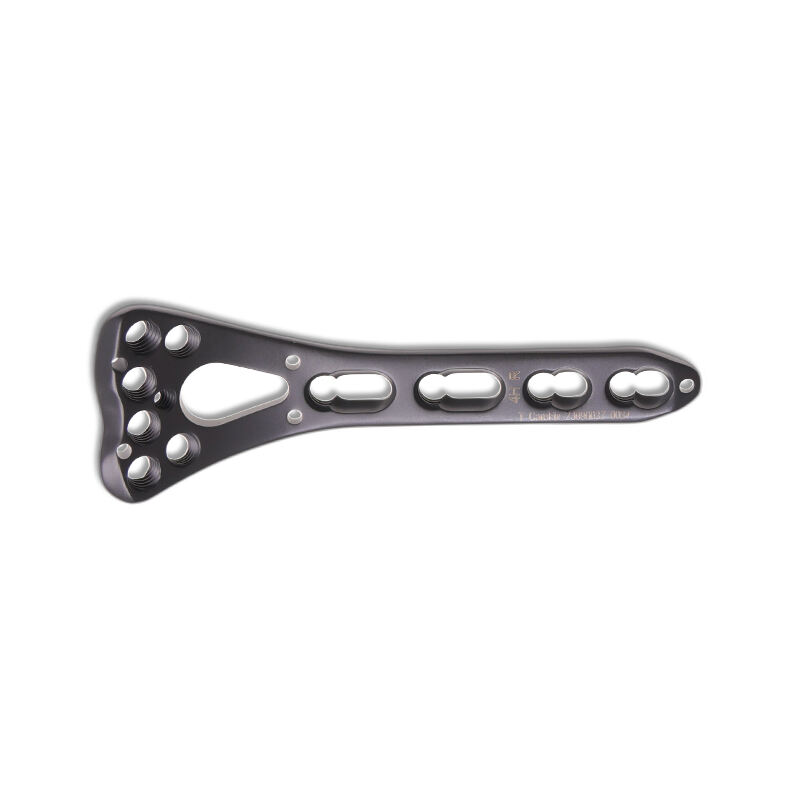
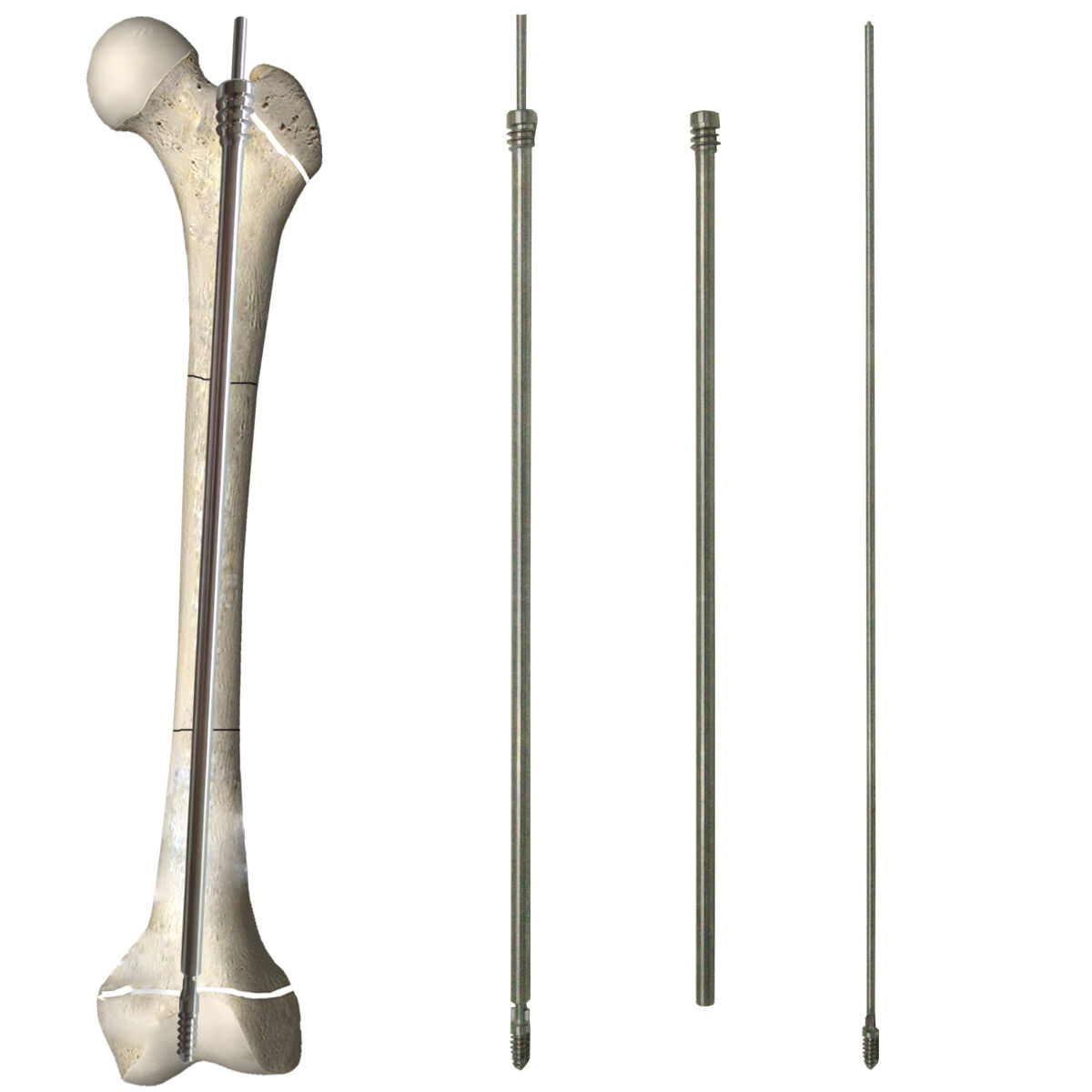
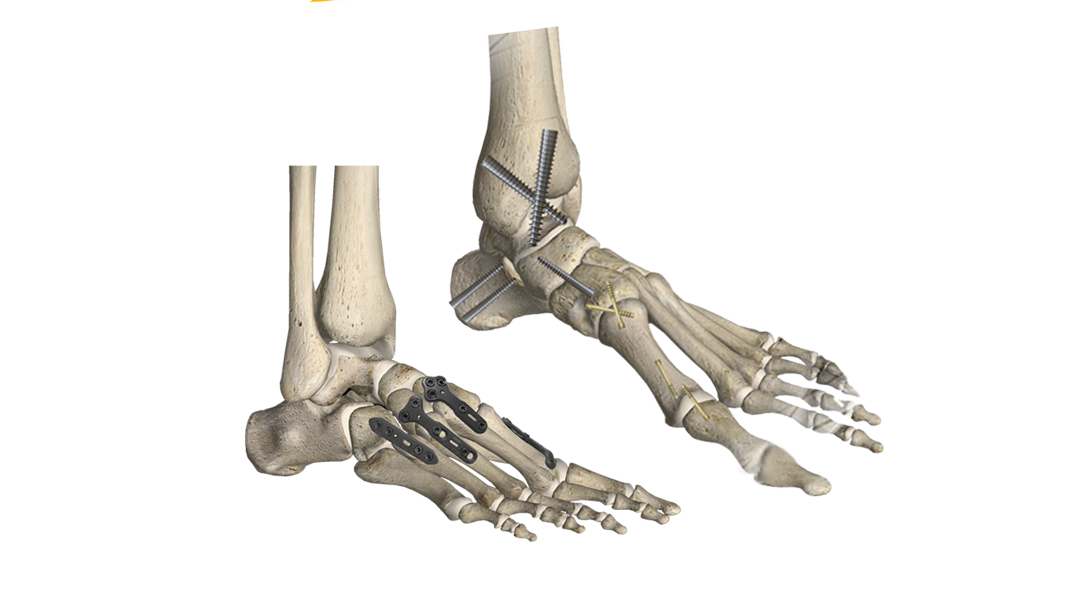
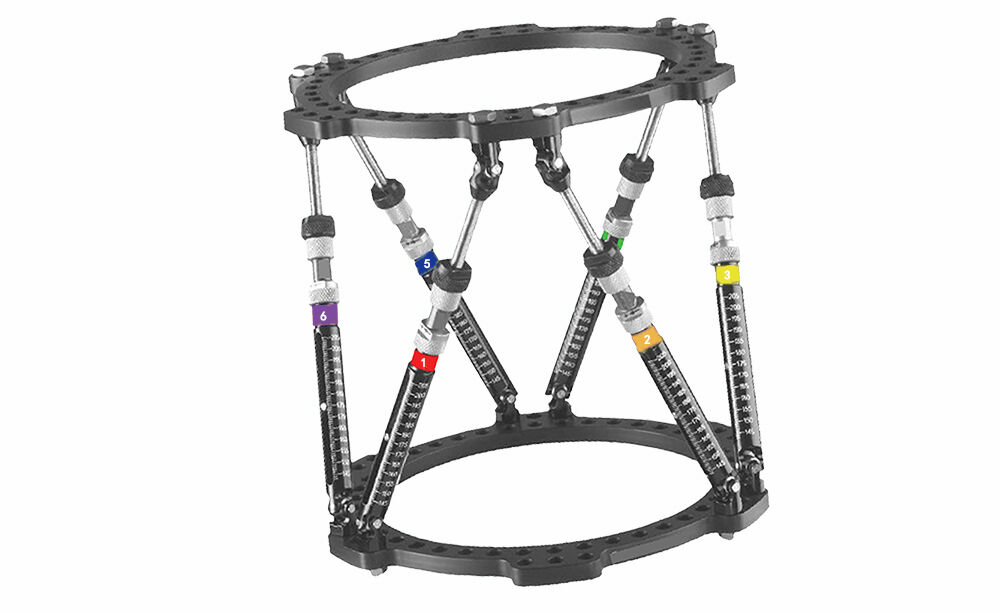
Orthopedic medical devices represent a critical category of healthcare equipment designed to diagnose, treat, and rehabilitate musculoskeletal conditions affecting bones, joints, ligaments, tendons, and muscles. These sophisticated instruments and implants play an essential role in modern orthopedic surgery and patient care, enabling healthcare professionals to restore mobility, alleviate pain, and improve quality of life for millions of patients worldwide. Orthopedic medical devices encompass a wide range of products including joint replacement systems, fracture fixation plates and screws, spinal implants, arthroscopic instruments, bone cement, and orthobiologics. Advanced materials such as titanium alloys, cobalt-chromium, medical-grade polymers, and biocompatible ceramics are utilized in manufacturing these devices to ensure durability, biocompatibility, and optimal performance. The technological features of orthopedic medical devices include precision engineering, anatomically contoured designs, minimally invasive capabilities, and surface treatments that promote bone integration. Many contemporary orthopedic medical devices incorporate cutting-edge innovations such as 3D-printed patient-specific implants, smart sensors for monitoring healing progress, and biodegradable materials that eliminate the need for removal surgery. Applications span trauma surgery, joint reconstruction, sports medicine, pediatric orthopedics, spine surgery, and limb salvage procedures. These devices serve patients recovering from accidents, managing degenerative conditions like osteoarthritis, correcting congenital deformities, and addressing sports-related injuries, making them indispensable tools in comprehensive musculoskeletal healthcare delivery across hospitals, surgical centers, and rehabilitation facilities globally.

Popular Products

Investing in high-quality orthopedic medical devices delivers substantial practical benefits that directly impact patient outcomes and healthcare facility performance. First, these devices significantly reduce recovery times by enabling minimally invasive surgical approaches that cause less tissue trauma, resulting in shorter hospital stays, decreased post-operative pain, and faster return to normal activities for patients. This translates to reduced healthcare costs and improved patient satisfaction scores that benefit both medical institutions and individuals. Second, orthopedic medical devices manufactured with advanced biomaterials demonstrate exceptional longevity and reliability, with many joint replacement systems lasting twenty years or more, providing patients with durable solutions that minimize the need for revision surgeries. Third, the precision engineering inherent in modern orthopedic medical devices allows surgeons to achieve optimal alignment and fixation, which directly correlates with improved functional outcomes and reduced complication rates. Fourth, the versatility of contemporary orthopedic medical devices means they can be adapted to diverse patient anatomies and clinical scenarios, from pediatric cases requiring growth-accommodating implants to elderly patients needing specialized osteoporotic bone fixation. Fifth, many orthopedic medical devices now feature instrument systems that streamline surgical workflows, reducing operating room time and associated costs while improving procedural consistency. Sixth, the biocompatibility of materials used in orthopedic medical devices minimizes adverse reactions and promotes natural bone integration through osseointegration processes. Finally, purchasing from established manufacturers ensures access to comprehensive training programs, surgical technique support, and regulatory compliance documentation that facilitate seamless implementation into clinical practice while meeting stringent safety standards and quality certifications that protect both patients and healthcare providers from liability concerns.

Latest News

Cannulated Screw Types: Features and Benefits Explained

16

Dec

Cannulated Screw Types: Features and Benefits Explained

Orthopedic surgery has evolved significantly over the past decades, with advances in implant technology playing a crucial role in improving patient outcomes. Among these innovations, the cannulated screw stands out as a versatile and highly effective...
View More
Application analysis of intramedullary nail system in ankle joint fusion

16

Dec

Application analysis of intramedullary nail system in ankle joint fusion

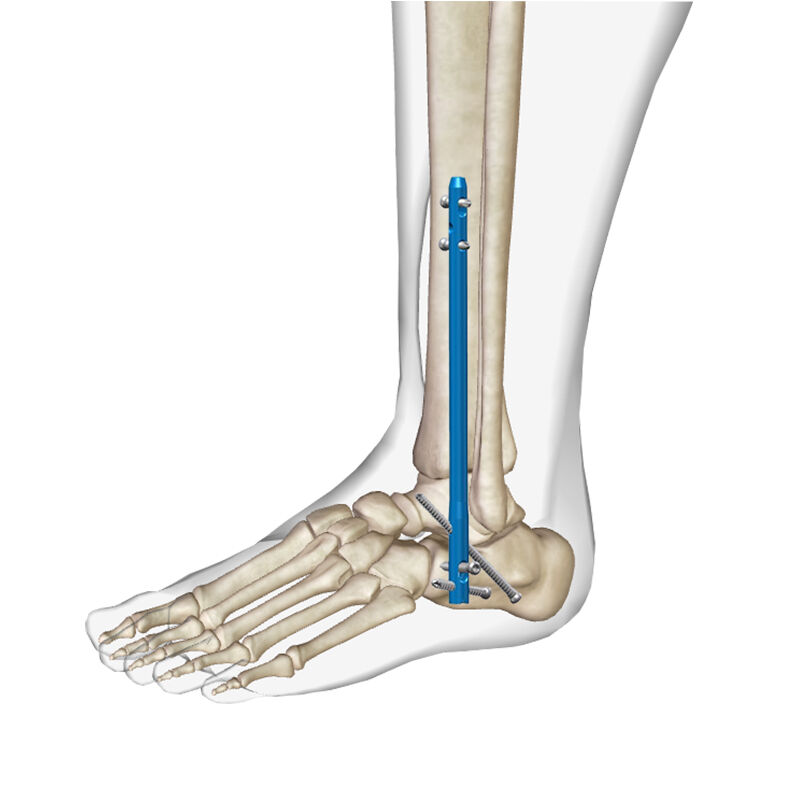
The evolution of orthopedic surgical techniques has brought significant advancements in treating complex ankle pathologies, particularly through the implementation of modern fixation systems. An intramedullary nail system represents a revolutionary a...
View More
Application of carbon fiber material external fixation bracket in clinical practice

13

Jan

Application of carbon fiber material external fixation bracket in clinical practice

The integration of advanced materials in orthopedic surgery has revolutionized patient care and treatment outcomes. Among these innovations, carbon fiber external fixation systems have emerged as a superior alternative to traditional metal frameworks...
View More
Evolution of Intervertebral Fusion Device Materials: Clinical Efficacy Comparison between PEEK and Titanium Alloy

13

Jan

Evolution of Intervertebral Fusion Device Materials: Clinical Efficacy Comparison between PEEK and Titanium Alloy

The advancement of spinal surgery has been significantly influenced by the development of sophisticated intervertebral fusion device technologies. Modern spine surgeons rely heavily on these devices to achieve successful fusion outcomes while minimiz...
View More

Get a Free Quote

Our representative will contact you soon.
Email
Name
Company Name
Message
0/1000

orthopedic medical devices

Advanced Biomaterial Integration for Superior Performance

Advanced Biomaterial Integration for Superior Performance

Modern orthopedic medical devices utilize cutting-edge biomaterial science to deliver unparalleled performance characteristics that directly benefit patient outcomes. Titanium alloys provide an optimal balance of strength, lightweight properties, and exceptional biocompatibility, while porous coating technologies encourage rapid bone ingrowth that creates stable biological fixation within weeks of implantation. Cobalt-chromium alloys offer superior wear resistance in articulating surfaces, extending the functional lifespan of joint replacements beyond two decades in many cases. Cross-linked polyethylene components demonstrate dramatically reduced wear rates compared to conventional materials, minimizing the risk of osteolysis and implant loosening. Bioactive glass and hydroxyapatite coatings actively promote bone formation at the implant-tissue interface, accelerating healing and enhancing long-term stability. These material innovations mean orthopedic medical devices not only withstand the demanding mechanical environment of the human body but actively participate in the healing process, creating a synergistic relationship between implant and native tissue that results in more natural function, reduced complication rates, and improved patient satisfaction throughout the entire lifespan of the device.
Precision Engineering for Optimal Surgical Outcomes

Precision Engineering for Optimal Surgical Outcomes

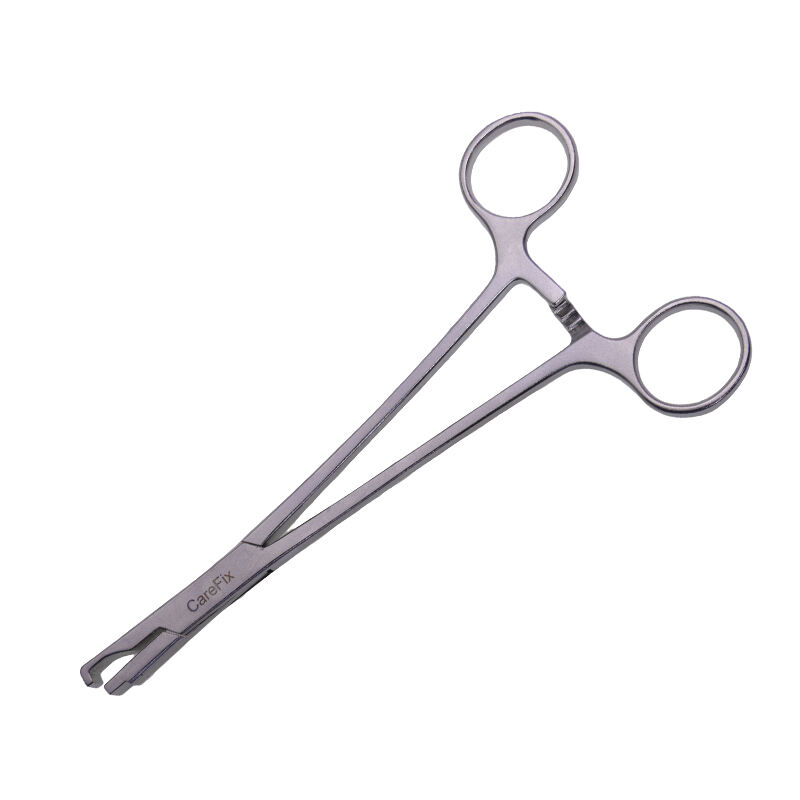
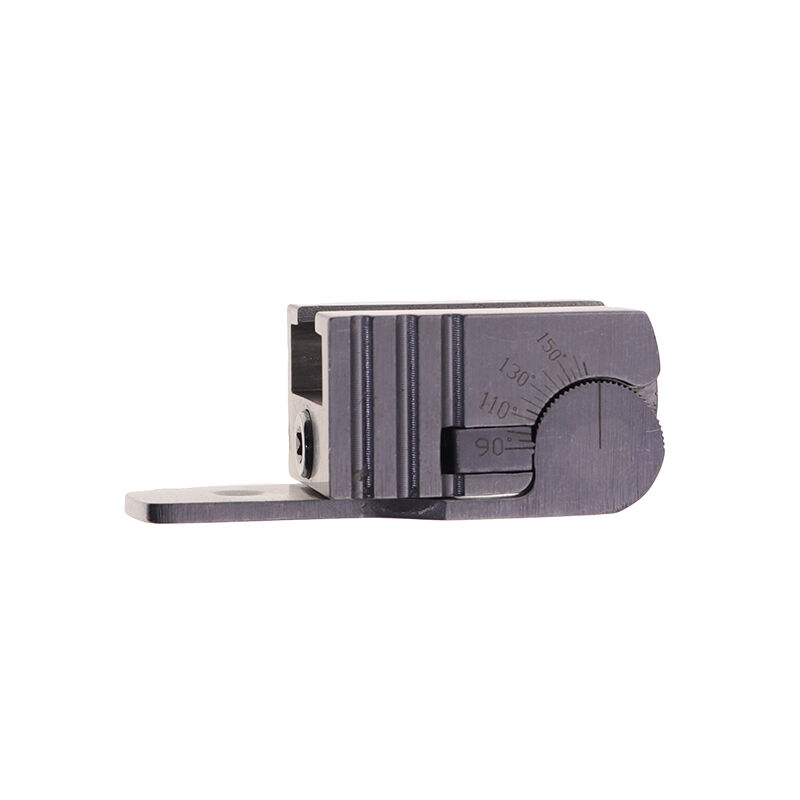
The manufacturing precision inherent in contemporary orthopedic medical devices represents a quantum leap in surgical capability and outcome predictability. Computer-aided design and manufacturing processes enable tolerances measured in microns, ensuring consistent fit, alignment, and performance across every unit produced. Anatomically contoured designs based on extensive morphological databases mean orthopedic medical devices naturally conform to patient anatomy, reducing surgical complexity and improving biomechanical restoration. Modular component systems allow surgeons to customize implant configurations intraoperatively, adapting to individual anatomical variations and pathological conditions without requiring completely custom devices. Instrument sets designed with ergonomic principles and intuitive workflows reduce surgeon fatigue while improving procedural accuracy and efficiency. Navigation-compatible features enable integration with computer-assisted surgery systems that provide real-time feedback on implant positioning, alignment, and soft tissue balancing. This precision engineering translates directly into tangible benefits including reduced revision rates, improved range of motion, better pain relief, and enhanced functional recovery, while simultaneously shortening learning curves for surgeons and standardizing techniques across institutions to elevate the overall quality of orthopedic care delivery.
Comprehensive Clinical Support and Regulatory Compliance

Comprehensive Clinical Support and Regulatory Compliance

Selecting orthopedic medical devices from reputable manufacturers provides access to invaluable clinical support infrastructure and regulatory assurance that protects both healthcare providers and patients. Comprehensive surgical technique manuals, instructional videos, and hands-on training programs ensure surgical teams develop proficiency with new systems before treating patients. Field-based clinical specialists offer real-time assistance during procedures, troubleshooting challenges and optimizing technique application. Biomedical engineering support facilitates proper inventory management, sterile processing protocols, and equipment maintenance that preserve device integrity. Extensive clinical evidence databases documenting outcomes across thousands of cases provide confidence in device performance and support evidence-based decision-making. Rigorous regulatory compliance with FDA approvals, CE marking, ISO certifications, and quality management systems guarantees that orthopedic medical devices meet the highest safety and efficacy standards. Comprehensive traceability systems enable rapid identification and communication in the rare event of product issues. Post-market surveillance programs continuously monitor real-world performance to identify opportunities for improvement. This comprehensive support ecosystem means healthcare facilities can confidently integrate orthopedic medical devices into their practice knowing they have access to the resources, expertise, and quality assurance necessary to deliver exceptional patient care while managing institutional risk effectively.
logo