Stainless Steel Orthopedic Implants Guide

Get a Free Quote

Our representative will contact you soon.
Email
Name
Company Name
Message
0/1000

stainless steel orthopedic implants

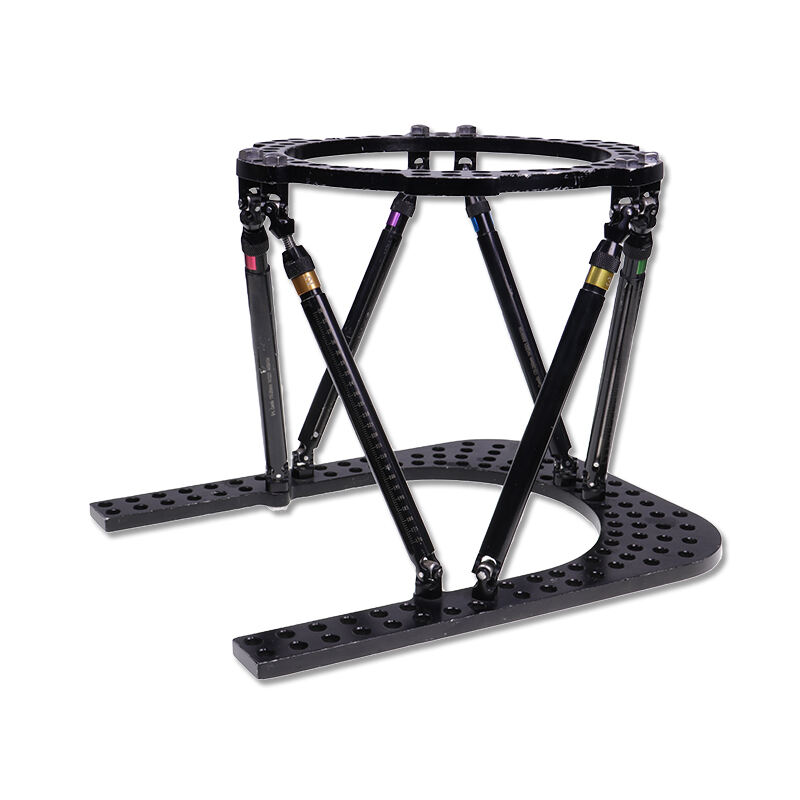
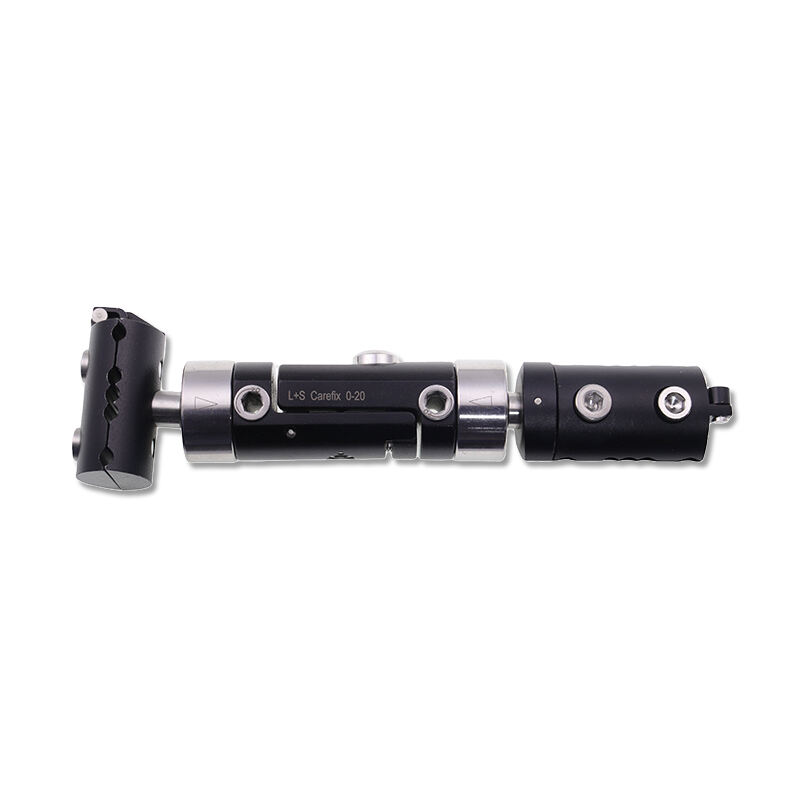
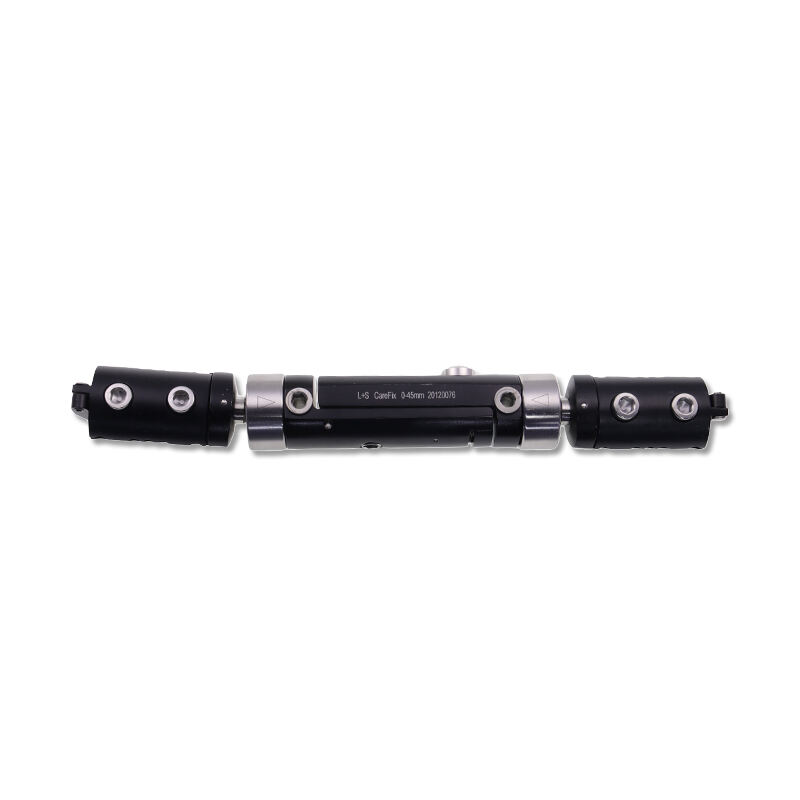
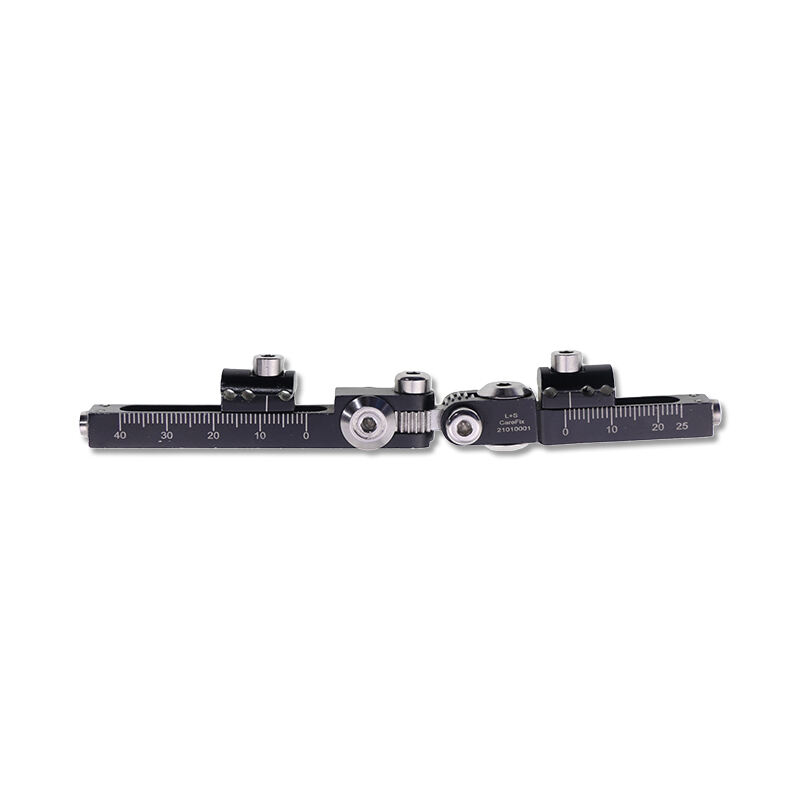
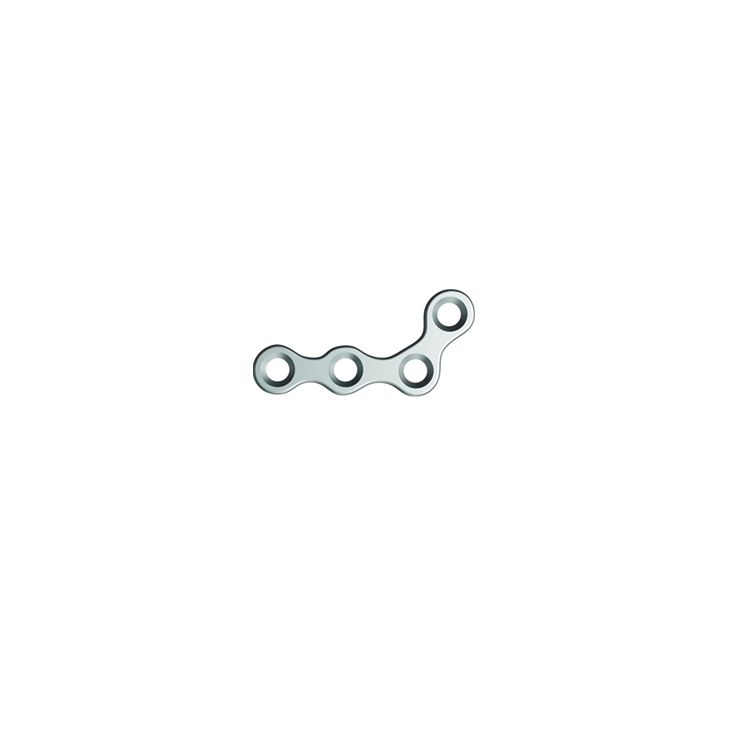
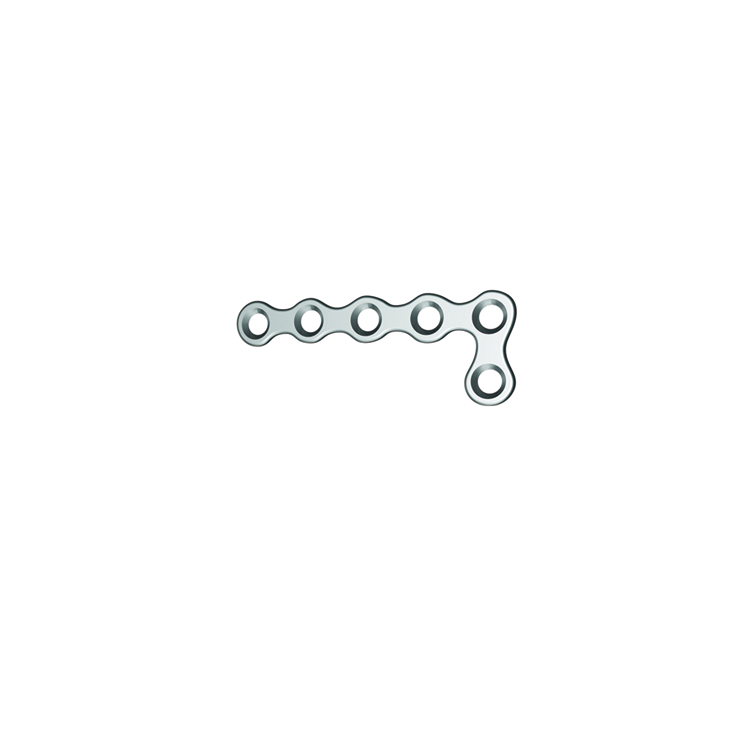
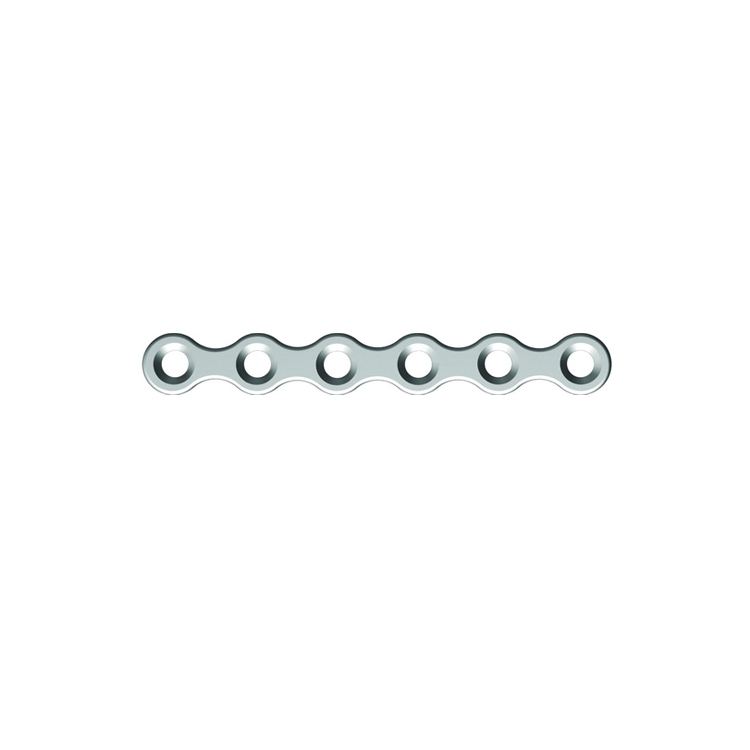
Stainless steel orthopedic implants represent a cornerstone solution in modern surgical practice for bone fracture fixation and skeletal reconstruction. These medical devices are manufactured from high-grade stainless steel alloys, primarily 316L stainless steel, which offers exceptional mechanical strength and corrosion resistance essential for long-term implantation within the human body. The main functions of stainless steel orthopedic implants include stabilizing fractured bones, supporting healing processes, correcting skeletal deformities, and restoring normal anatomical alignment. These implants encompass a wide range of products including bone plates, screws, intramedullary nails, wires, and external fixation devices designed to address various orthopedic conditions. The technological features of stainless steel orthopedic implants include precise dimensional accuracy, smooth surface finishes that minimize tissue irritation, and standardized threading systems that ensure secure fixation. Advanced manufacturing processes such as precision machining and electropolishing enhance the biocompatibility and performance characteristics of these devices. Applications span trauma surgery for acute fracture management, reconstructive procedures for bone defects, spinal fusion surgeries, and joint reconstruction operations. Stainless steel orthopedic implants are particularly suitable for temporary fixation scenarios where implant removal is planned after bone healing is complete. Their widespread use in hospitals and surgical centers worldwide reflects their proven clinical efficacy, cost-effectiveness, and reliable performance across diverse patient populations and orthopedic conditions requiring surgical intervention.

Popular Products

Choosing stainless steel orthopedic implants delivers substantial practical benefits that directly impact surgical outcomes and patient recovery. The foremost advantage is cost-effectiveness, as these implants typically cost significantly less than titanium or specialized alloy alternatives while maintaining excellent mechanical properties suitable for most orthopedic applications. This affordability makes advanced orthopedic care accessible to broader patient populations and helps healthcare facilities manage budgets without compromising treatment quality. The superior strength-to-weight ratio of stainless steel orthopedic implants provides robust fixation capable of withstanding the biomechanical forces experienced during weight-bearing and rehabilitation activities. Surgeons appreciate the versatility of these devices, as they can be contoured and adjusted intraoperatively to match individual patient anatomy, enabling customized treatment approaches. The proven track record spanning decades of clinical use means that surgical teams have extensive experience with implantation techniques, reducing learning curves and procedural complications. Stainless steel orthopedic implants offer excellent visibility under standard X-ray imaging, allowing physicians to monitor fracture healing progress and implant positioning accurately during follow-up examinations. The material's magnetic properties, while requiring consideration during MRI procedures, do not prohibit imaging when protocols are followed appropriately. For patients requiring temporary fixation, the planned removal of stainless steel orthopedic implants after healing is straightforward and well-established. The widespread availability of these implants ensures consistent supply chains and reduces procurement delays that could postpone necessary surgical interventions. Manufacturing standards and regulatory oversight guarantee that stainless steel orthopedic implants meet stringent quality requirements, providing confidence to both medical professionals and patients regarding device safety and performance reliability.

Latest News

Evolution of Intervertebral Fusion Device Materials: Clinical Efficacy Comparison between PEEK and Titanium Alloy

13

Jan

Evolution of Intervertebral Fusion Device Materials: Clinical Efficacy Comparison between PEEK and Titanium Alloy

The advancement of spinal surgery has been significantly influenced by the development of sophisticated intervertebral fusion device technologies. Modern spine surgeons rely heavily on these devices to achieve successful fusion outcomes while minimiz...
View More
Ankle internal fixation system: Advantages of ankle locking plate in the treatment of complex fractures

06

Mar

Ankle internal fixation system: Advantages of ankle locking plate in the treatment of complex fractures

Complex ankle fractures represent one of the most challenging orthopedic injuries, requiring precise surgical intervention and advanced fixation techniques to restore optimal function and stability. The ankle locking plate has emerged as a revolution...
View More
Treatment of osteomyelitis and tibial pseudarthrosis: The advantages of the Ilizarov frame

06

Mar

Treatment of osteomyelitis and tibial pseudarthrosis: The advantages of the Ilizarov frame

The treatment of complex orthopedic conditions such as osteomyelitis and tibial pseudarthrosis presents significant challenges that require innovative surgical approaches. Among the most effective solutions available to orthopedic surgeons today is t...
View More
The application advantages of modular braces in ankle fractures

15

Apr

The application advantages of modular braces in ankle fractures

Ankle fractures represent one of the most challenging orthopedic injuries to manage effectively, requiring precise stabilization and controlled healing environments. Traditional casting methods often fall short in providing the dynamic support and ad...
View More

Get a Free Quote

Our representative will contact you soon.
Email
Name
Company Name
Message
0/1000

stainless steel orthopedic implants

Superior Mechanical Strength for Reliable Fracture Stabilization

Superior Mechanical Strength for Reliable Fracture Stabilization

Stainless steel orthopedic implants deliver exceptional mechanical strength that ensures stable fracture fixation throughout the critical healing period. The 316L stainless steel alloy used in these implants possesses a high tensile strength exceeding 480 MPa and yield strength surpassing 170 MPa, providing the structural integrity necessary to maintain bone alignment under physiological loading conditions. This robust mechanical performance prevents implant failure, displacement, or bending that could compromise fracture reduction and delay bone union. The material's excellent fatigue resistance ensures that stainless steel orthopedic implants can withstand repetitive cyclic loading during daily activities without developing cracks or structural weakness. This reliability is particularly valuable in weight-bearing bones such as the femur and tibia, where implants must support substantial forces during ambulation and rehabilitation exercises. Surgeons can confidently apply appropriate compression across fracture sites knowing that the implant will maintain this biomechanical environment conducive to optimal healing. The ductility of stainless steel allows controlled bending and contouring during surgery, enabling precise anatomical adaptation while retaining sufficient strength after shaping. This combination of strength and workability makes stainless steel orthopedic implants an ideal choice for complex fracture patterns requiring customized fixation strategies that standard implant configurations cannot accommodate effectively.
Proven Biocompatibility with Established Clinical Safety Profile

Proven Biocompatibility with Established Clinical Safety Profile

The biocompatibility of stainless steel orthopedic implants has been validated through extensive clinical use spanning more than five decades, establishing a comprehensive safety profile that provides assurance to medical professionals and patients alike. The 316L stainless steel composition includes chromium, nickel, and molybdenum, which form a passive oxide layer on the implant surface that protects against corrosion within the biological environment. This corrosion resistance minimizes metal ion release into surrounding tissues, reducing the risk of adverse tissue reactions and systemic effects. While some patients may have nickel sensitivities, the incidence of clinically significant reactions to stainless steel orthopedic implants remains relatively low, and pre-surgical screening can identify at-risk individuals. The smooth, electropolished surfaces of modern stainless steel orthopedic implants reduce bacterial adhesion and minimize soft tissue irritation at the bone-implant interface. Decades of post-market surveillance data demonstrate that these implants support successful bone healing without triggering significant inflammatory responses in the majority of patients. The established nature of stainless steel technology means that potential complications are well-documented and manageable, allowing healthcare providers to counsel patients effectively regarding expected outcomes. This long-standing clinical experience also ensures that surgical techniques for implantation and removal are refined and standardized, contributing to predictable results and reduced complication rates across diverse orthopedic procedures.
Cost-Effective Solution Without Compromising Quality Standards

Cost-Effective Solution Without Compromising Quality Standards

Stainless steel orthopedic implants represent an economically advantageous option that delivers high-quality fracture fixation at a fraction of the cost associated with premium implant materials. The established manufacturing processes and widely available raw materials result in significantly lower production costs compared to titanium alloys or specialized biomaterials, and these savings translate directly to reduced acquisition costs for healthcare facilities. This cost-effectiveness is particularly important in resource-limited settings, public healthcare systems, and situations where insurance coverage may be restricted, as it enables more patients to access necessary orthopedic interventions without prohibitive financial barriers. Despite the lower price point, stainless steel orthopedic implants do not compromise on quality, meeting the same rigorous international standards and regulatory requirements as more expensive alternatives. The material properties and clinical performance remain entirely adequate for the vast majority of orthopedic applications, particularly cases involving temporary fixation where implant removal is planned after healing completion. Healthcare administrators appreciate that choosing stainless steel orthopedic implants allows budget allocation toward other critical resources such as advanced imaging equipment, surgical instruments, or expanded patient services. For patients bearing out-of-pocket expenses, the affordability of these implants can make the difference between receiving timely surgical treatment or delaying necessary care due to financial constraints. This combination of proven effectiveness and economic accessibility positions stainless steel orthopedic implants as a practical, value-driven choice that serves the interests of patients, surgeons, and healthcare organizations simultaneously.
logo