Locking Plate System: Advanced Fracture Fixation

Get a Free Quote

Our representative will contact you soon.
Email
Name
Company Name
Message
0/1000

locking plate system

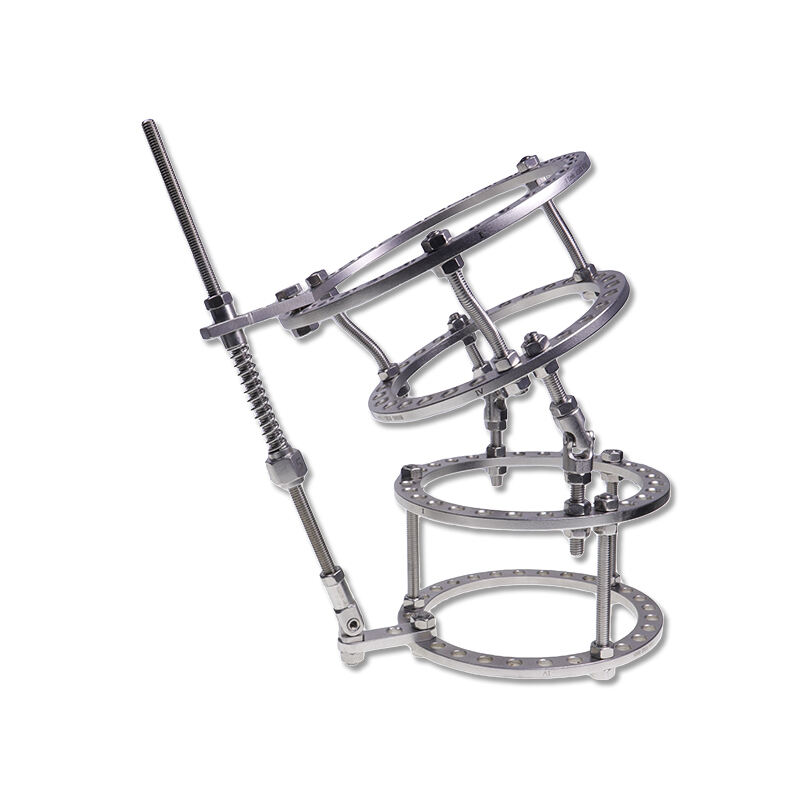
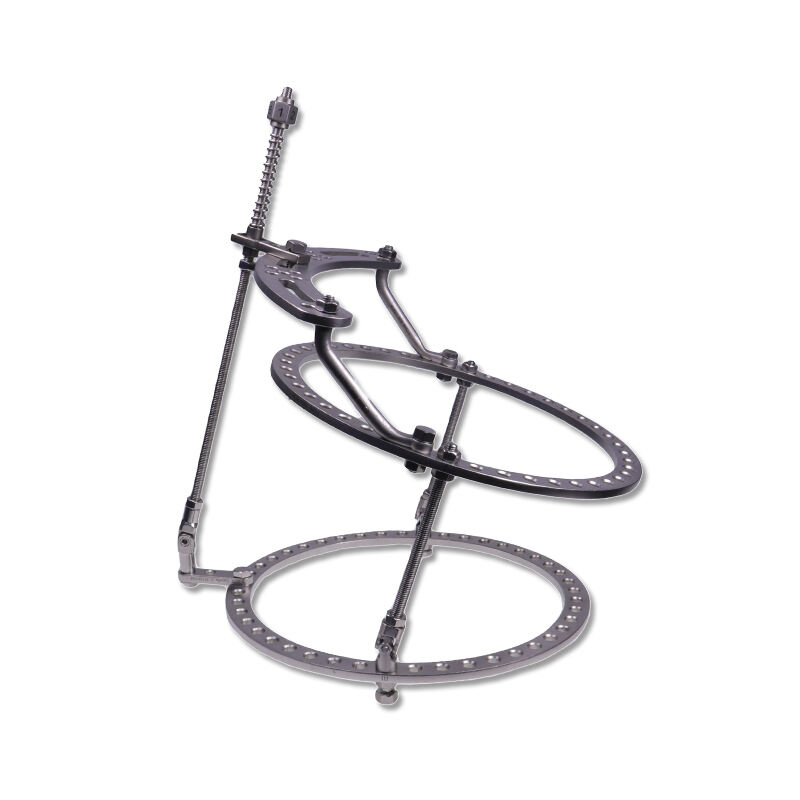
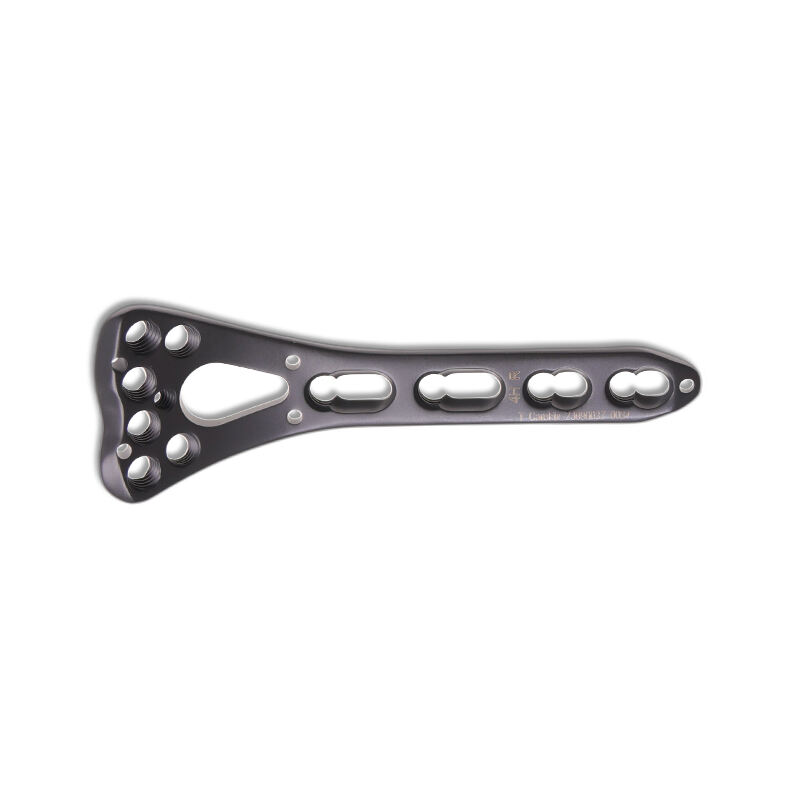
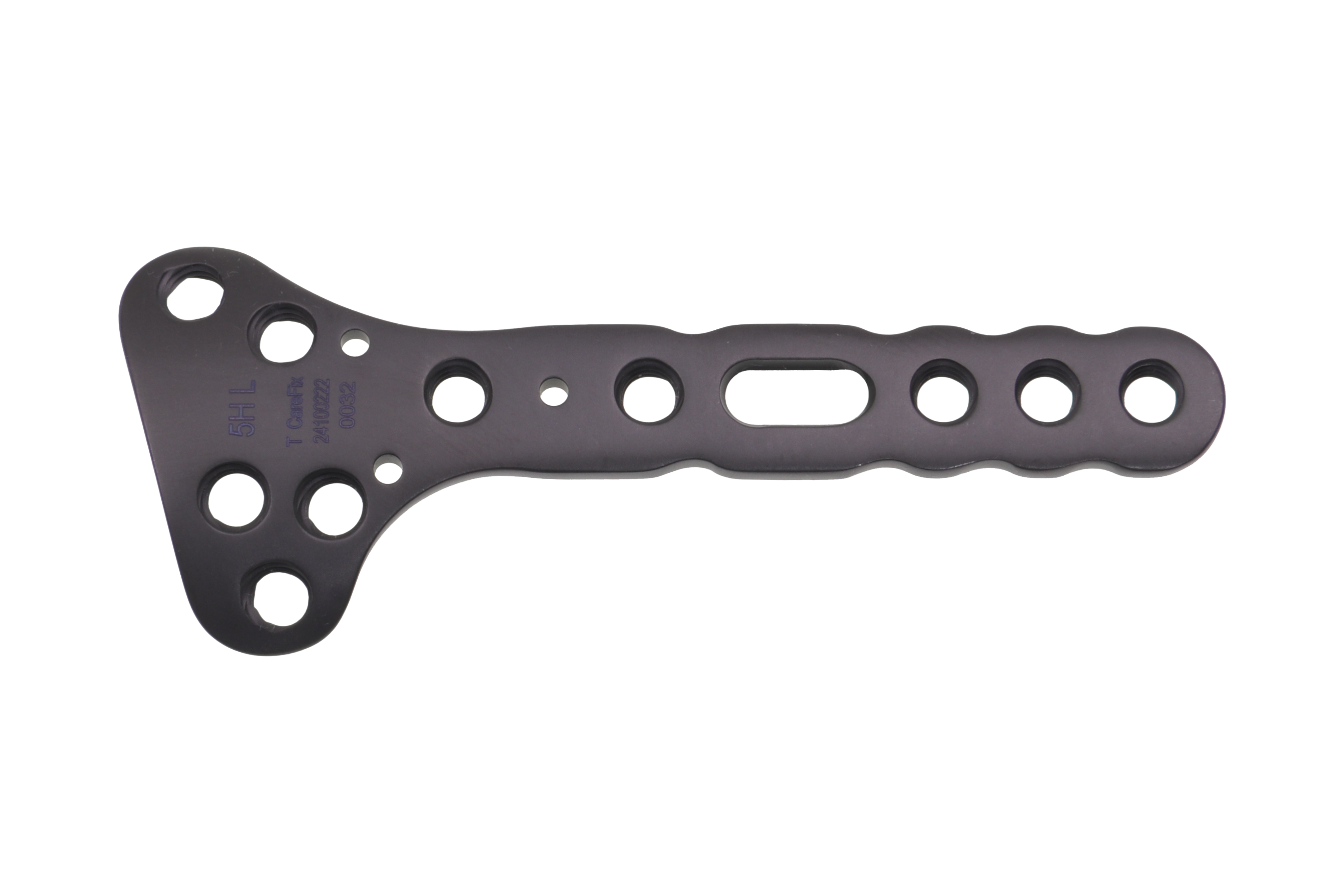
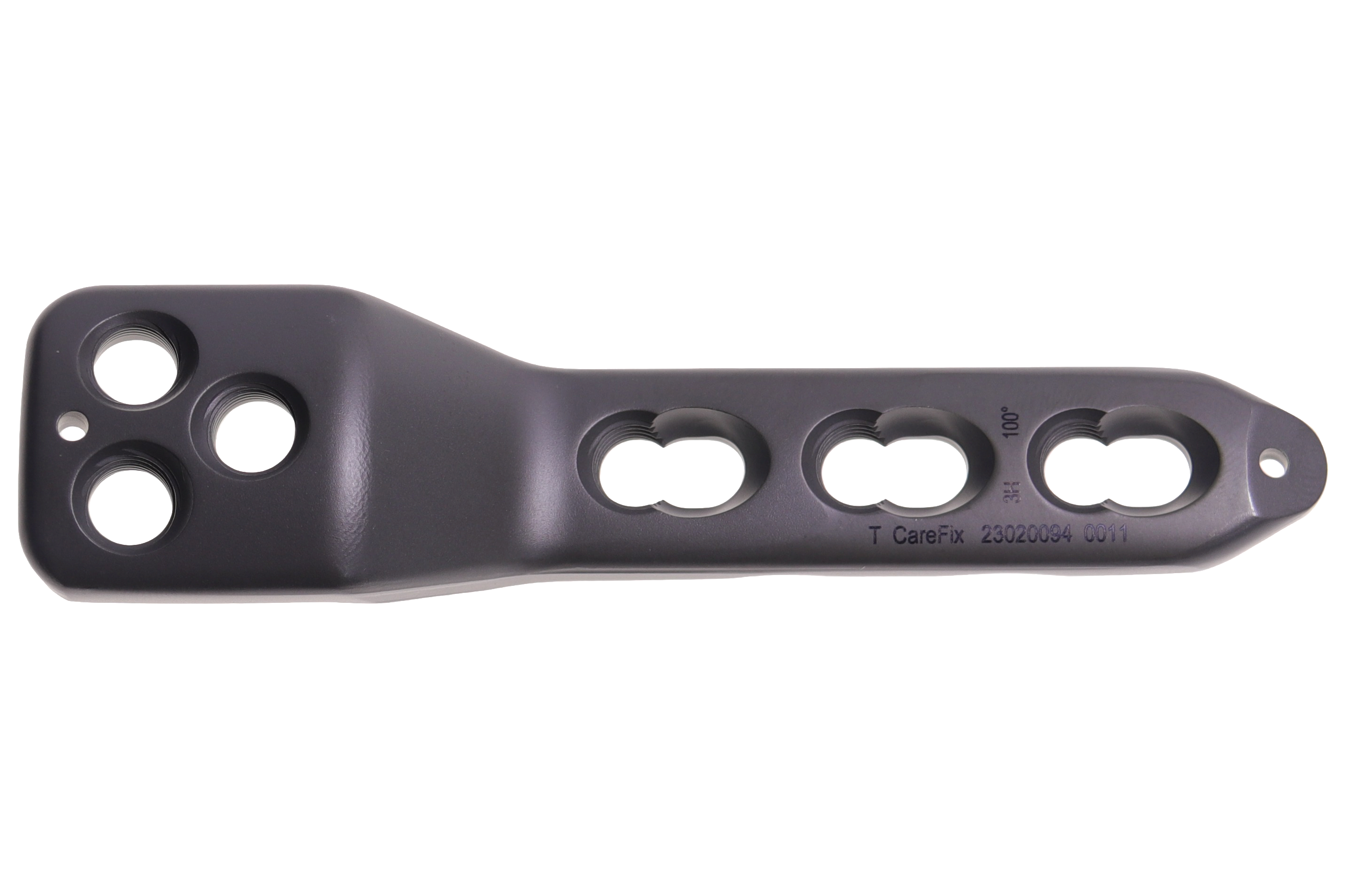
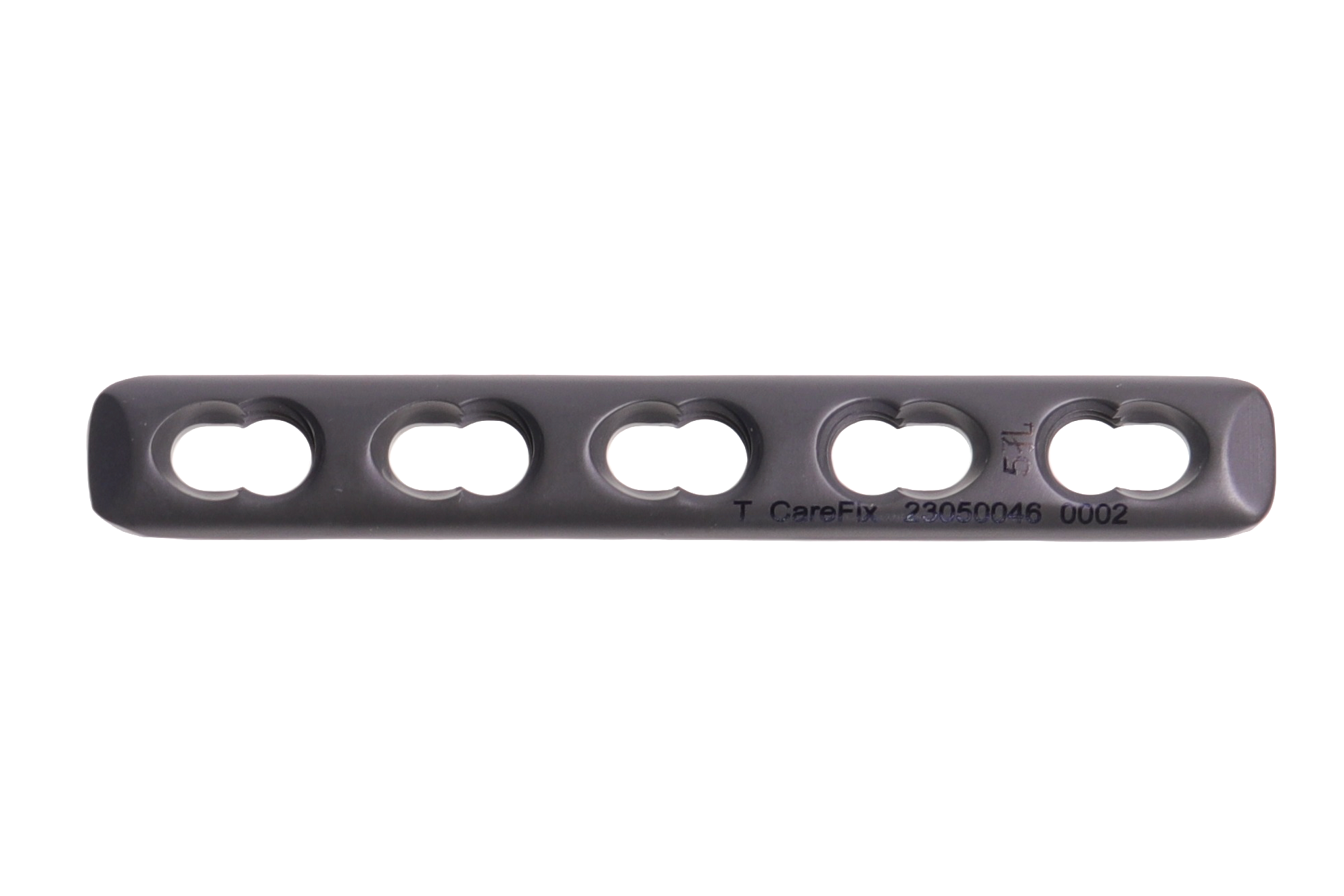
The locking plate system represents a revolutionary advancement in orthopedic fracture fixation technology, designed to provide superior stability and enhanced healing outcomes for complex bone injuries. This innovative system combines specialized bone plates with locking screws that create a fixed-angle construct, functioning as an internal fixator rather than a traditional compression plate. The locking plate system utilizes threaded screw heads that lock into corresponding threaded holes in the plate, creating a rigid construction that maintains angular stability regardless of bone quality. This technology proves particularly valuable in treating fractures in osteoporotic bone, periarticular fractures, and comminuted injuries where conventional plating methods may fail. The system's primary functions include fracture stabilization, preservation of blood supply to bone fragments, and promotion of biological healing through minimally invasive techniques. Technological features encompass anatomically contoured plate designs, polyaxial locking options for flexible screw trajectories, and low-profile constructs that minimize soft tissue irritation. Clinical applications span trauma surgery, reconstructive procedures, and corrective osteotomies across various anatomical locations including proximal humerus, distal radius, tibial plateau, and distal femur regions. The locking plate system has transformed modern fracture management by offering surgeons reliable fixation solutions that accommodate diverse patient anatomies and injury patterns while supporting faster rehabilitation protocols and improved functional recovery outcomes.

New Product Releases

Choosing a locking plate system delivers significant practical benefits that directly impact patient outcomes and surgical success rates. The primary advantage lies in its ability to provide stable fixation without requiring precise plate-to-bone contact, which means surgeons can preserve periosteal blood supply critical for bone healing. This feature becomes especially important when treating elderly patients with weakened bone structure, as the locking mechanism prevents screw loosening and toggling that commonly occur with traditional plates. The system offers remarkable versatility in handling difficult fracture patterns, allowing you to address complex injuries that would otherwise require multiple surgical approaches or external fixation devices. Operational benefits include reduced surgery time through streamlined instrumentation and the option for minimally invasive plate placement techniques that decrease tissue trauma and postoperative pain. The fixed-angle stability of the locking plate system means fewer follow-up procedures for hardware adjustments or revisions, translating to lower overall treatment costs and faster patient return to daily activities. Application suitability extends across multiple anatomical regions and patient demographics, from pediatric cases requiring growth-friendly solutions to geriatric patients needing osteoporosis-resistant fixation. The system supports early mobilization protocols that prevent joint stiffness and muscle atrophy, helping patients regain function more quickly than conventional methods allow. Decision-makers will appreciate that investing in a locking plate system means acquiring a comprehensive solution backed by extensive clinical evidence demonstrating superior healing rates, reduced complication rates, and enhanced patient satisfaction scores compared to alternative fixation technologies available in today's orthopedic market.

Practical Tips

Cannulated Screw Types: Features and Benefits Explained

16

Dec

Cannulated Screw Types: Features and Benefits Explained

Orthopedic surgery has evolved significantly over the past decades, with advances in implant technology playing a crucial role in improving patient outcomes. Among these innovations, the cannulated screw stands out as a versatile and highly effective...
View More
Application of carbon fiber material external fixation bracket in clinical practice

13

Jan

Application of carbon fiber material external fixation bracket in clinical practice

The integration of advanced materials in orthopedic surgery has revolutionized patient care and treatment outcomes. Among these innovations, carbon fiber external fixation systems have emerged as a superior alternative to traditional metal frameworks...
View More
Treatment of osteomyelitis and tibial pseudarthrosis: The advantages of the Ilizarov frame

06

Mar

Treatment of osteomyelitis and tibial pseudarthrosis: The advantages of the Ilizarov frame

The treatment of complex orthopedic conditions such as osteomyelitis and tibial pseudarthrosis presents significant challenges that require innovative surgical approaches. Among the most effective solutions available to orthopedic surgeons today is t...
View More
Taylor brace: a new choice for minimally invasive treatment of complex fracture repair

15

Apr

Taylor brace: a new choice for minimally invasive treatment of complex fracture repair

The Taylor brace represents a significant advancement in orthopedic external fixation technology, offering surgeons and patients a minimally invasive solution for complex fracture repair scenarios. This innovative Taylor brace system combines precisi...
View More

Get a Free Quote

Our representative will contact you soon.
Email
Name
Company Name
Message
0/1000

locking plate system

Advanced Fixed-Angle Stability Technology

Advanced Fixed-Angle Stability Technology

The cornerstone feature of the locking plate system is its fixed-angle stability mechanism that fundamentally changes how fracture fixation works. Unlike traditional compression plates that rely on friction between the plate and bone surface, this system creates a locked construct where screws thread directly into the plate holes, forming a single unified device. This design eliminates dependence on bone quality for purchase strength, making it extraordinarily effective in osteoporotic or compromised bone where conventional screws would pull out under normal loading conditions. The angular stability prevents toggle motion that can lead to screw loosening, hardware failure, and delayed healing complications. Surgeons gain the freedom to position plates without achieving perfect bone contact, preserving the biological environment around fracture sites and maintaining critical blood supply pathways. This technology proves invaluable in periarticular regions where thin cortical bone and proximity to joints make traditional fixation challenging. The locking plate system accommodates various screw angulations through polyaxial holes, giving surgeons flexibility to navigate around existing hardware or avoid neurovascular structures while maintaining construct integrity throughout the healing process.
Minimally Invasive Surgical Compatibility

Minimally Invasive Surgical Compatibility

The locking plate system excels in supporting minimally invasive plate osteosynthesis techniques that represent the modern standard in fracture care. The system's design allows surgeons to insert plates through small incisions and slide them beneath soft tissues to the fracture site without extensive dissection or tissue stripping. Because the locking mechanism does not require compression between plate and bone, surgeons can achieve stable fixation through percutaneous screw insertion techniques that preserve soft tissue attachments and vascular supply to bone fragments. This approach dramatically reduces surgical trauma compared to traditional open reduction methods, resulting in less postoperative pain, decreased infection risk, minimal scarring, and faster overall recovery times. Patients benefit from shorter hospital stays and quicker return to work and recreational activities. The locking plate system includes specialized insertion guides and targeting devices that ensure precise screw placement even through small incisions, maintaining accuracy without compromising soft tissue. This compatibility with minimally invasive approaches makes the system particularly attractive for treating fractures in anatomical areas where extensive surgical exposure traditionally caused significant morbidity, such as the proximal humerus, distal femur, and tibial shaft regions.
Comprehensive Anatomical Coverage and Versatility

Comprehensive Anatomical Coverage and Versatility

The locking plate system offers extensive anatomical coverage through purpose-designed plates that match the contours of virtually every major bone in the human skeleton. This comprehensive approach means healthcare facilities can standardize their fracture fixation protocols around a single system rather than maintaining multiple incompatible platforms. Each anatomically contoured plate incorporates bone-specific features such as pre-shaped curvatures, strategically positioned screw holes, and thickness variations optimized for regional biomechanical demands. The system accommodates both simple and complex fracture patterns through variable screw configurations, combination holes that accept either locking or non-locking screws, and compression capabilities when needed for specific fracture zones. This versatility extends surgical options rather than limiting them, allowing surgeons to customize fixation strategies based on individual patient needs and fracture characteristics. The locking plate system proves equally effective across patient populations from adolescents with high-energy injuries to elderly individuals with fragility fractures, making it a truly universal solution. Inventory management becomes simplified as facilities can stock fewer plate types while maintaining readiness for diverse trauma scenarios, improving operational efficiency and reducing capital tied up in unused inventory.
logo