Pediatric Fracture Fixation Implants Solutions

Get a Free Quote

Our representative will contact you soon.
Email
Name
Company Name
Message
0/1000

pediatric fracture fixation implants

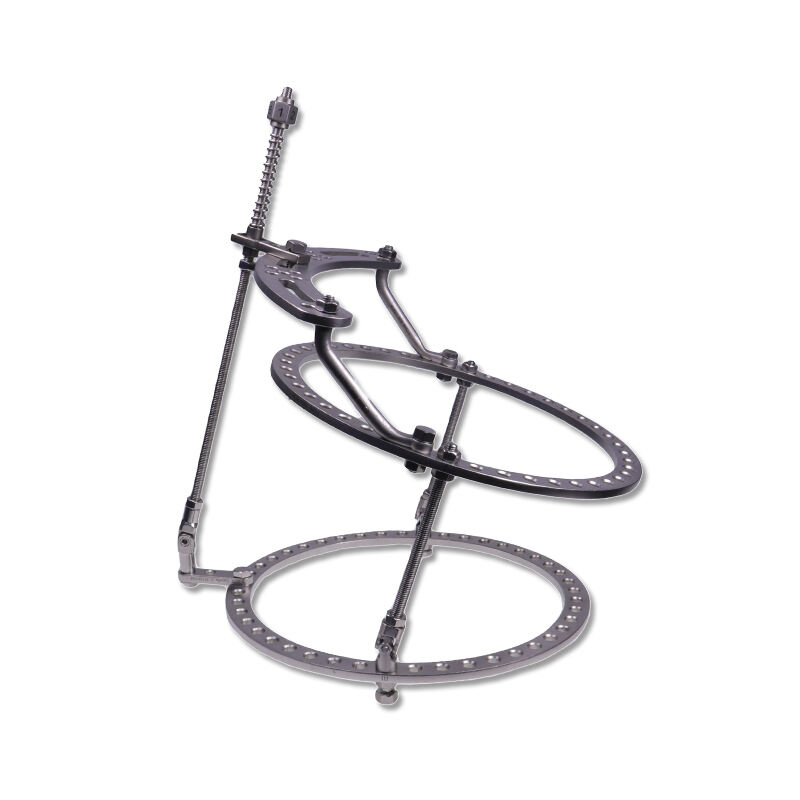
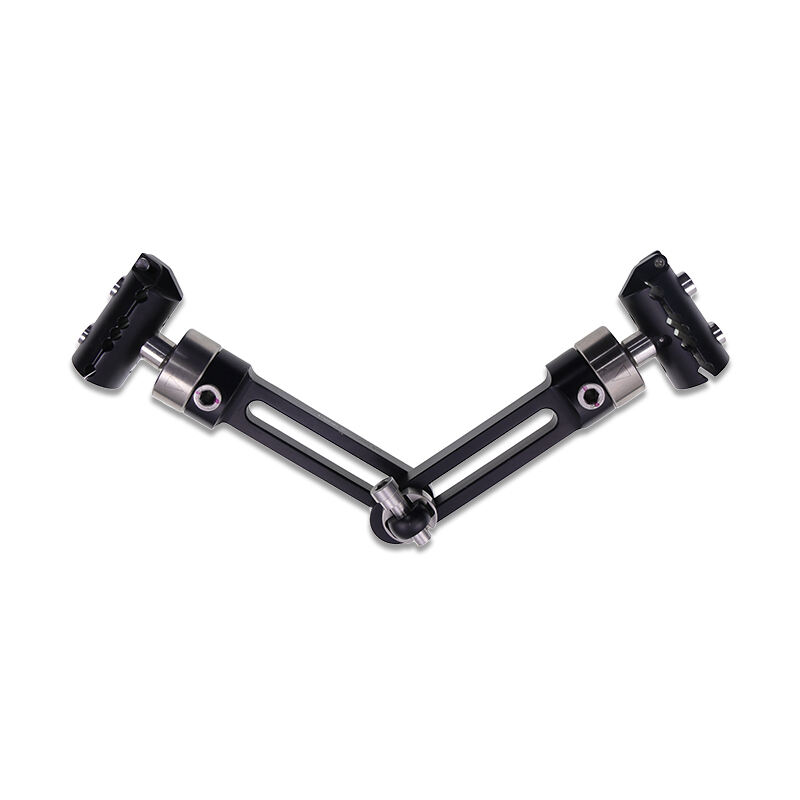
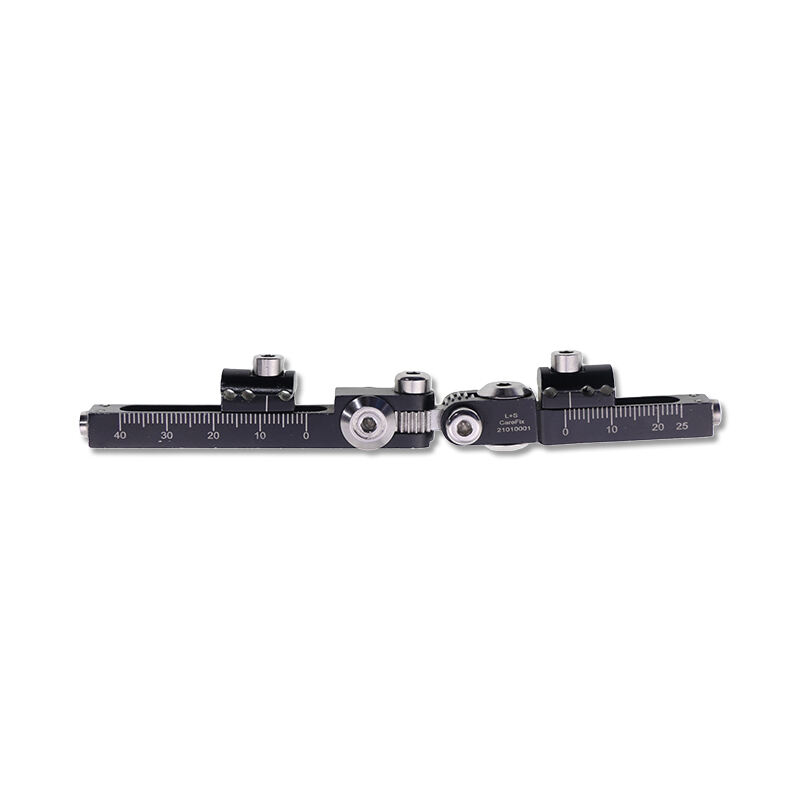
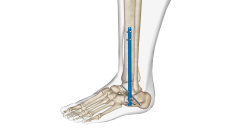
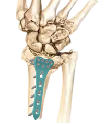
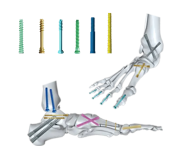
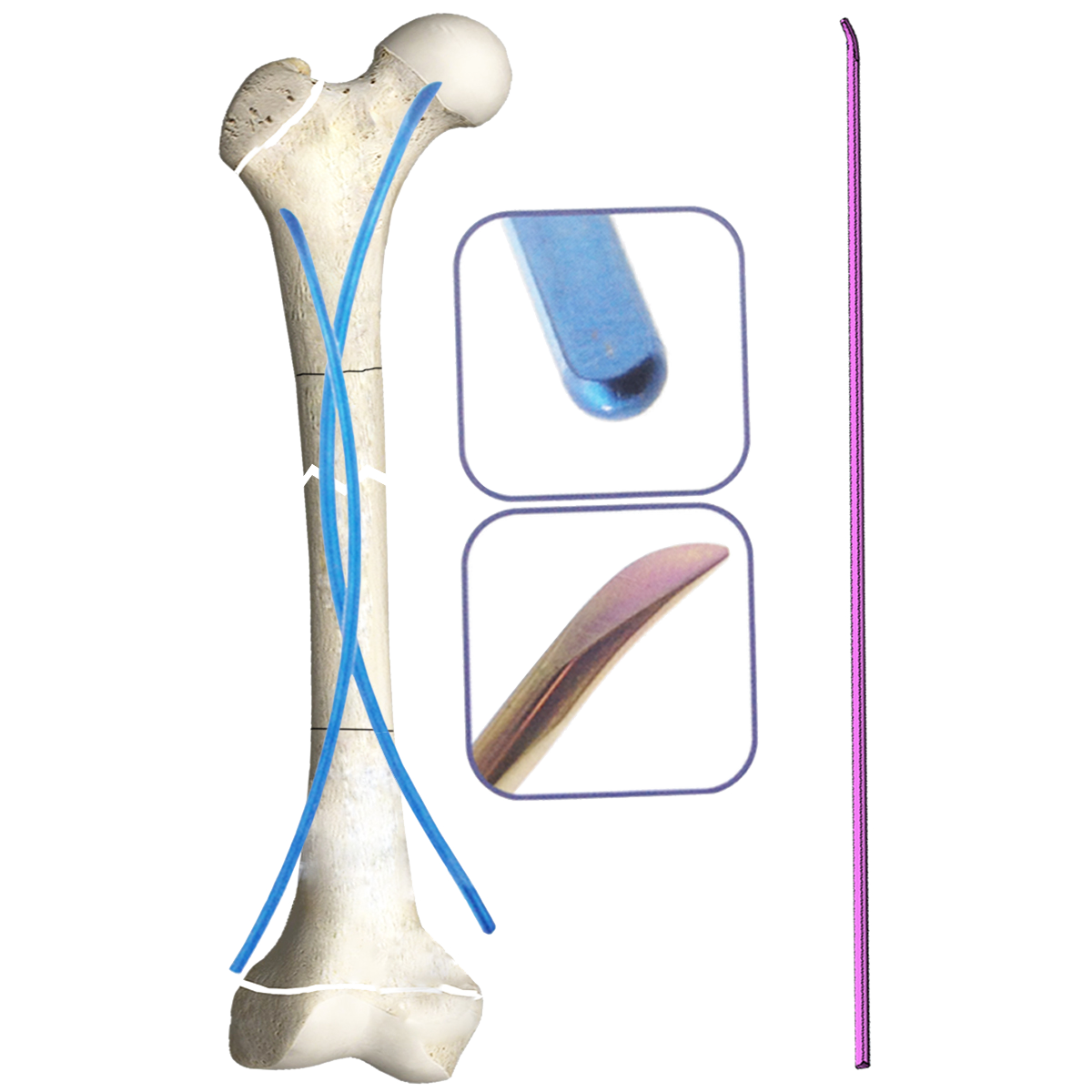
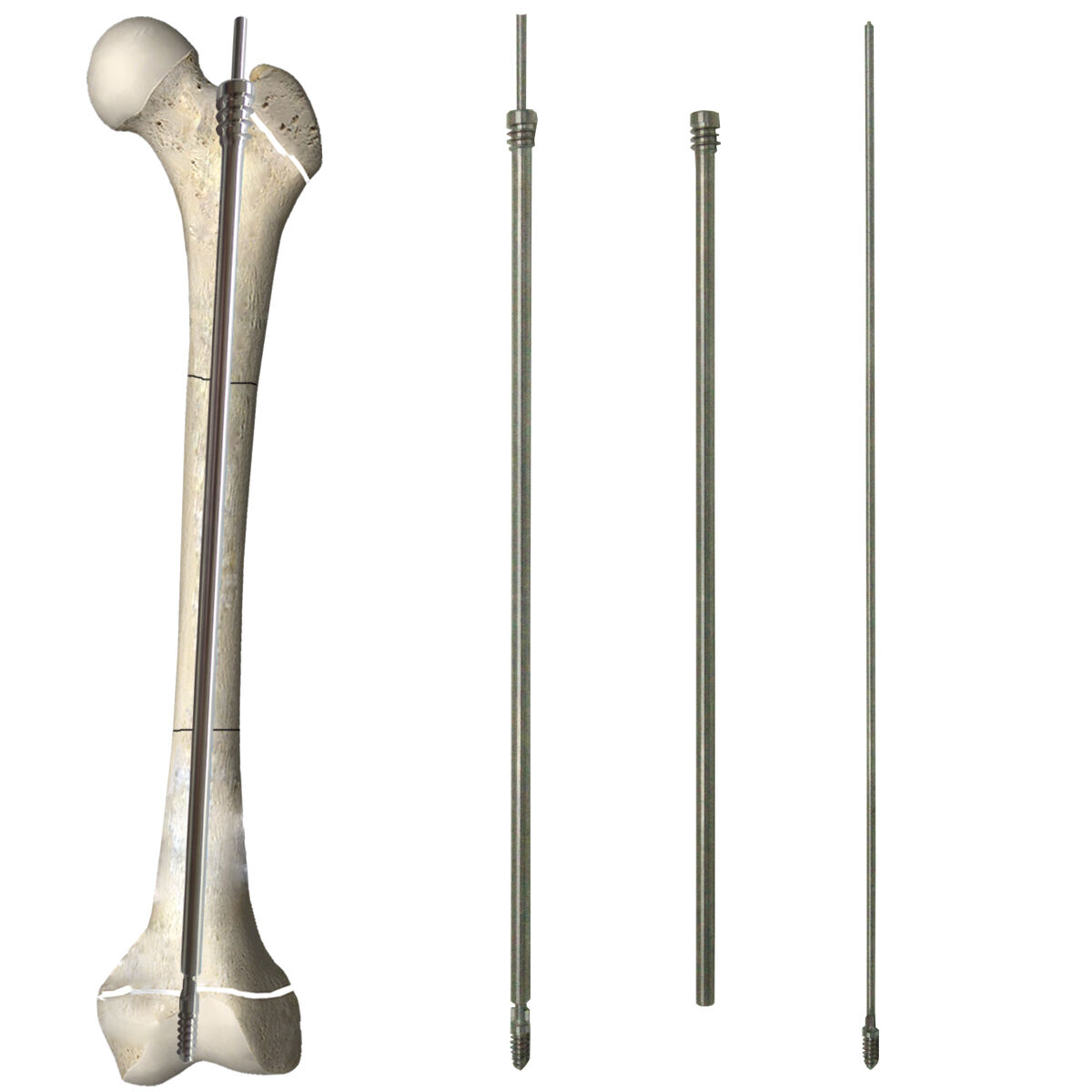
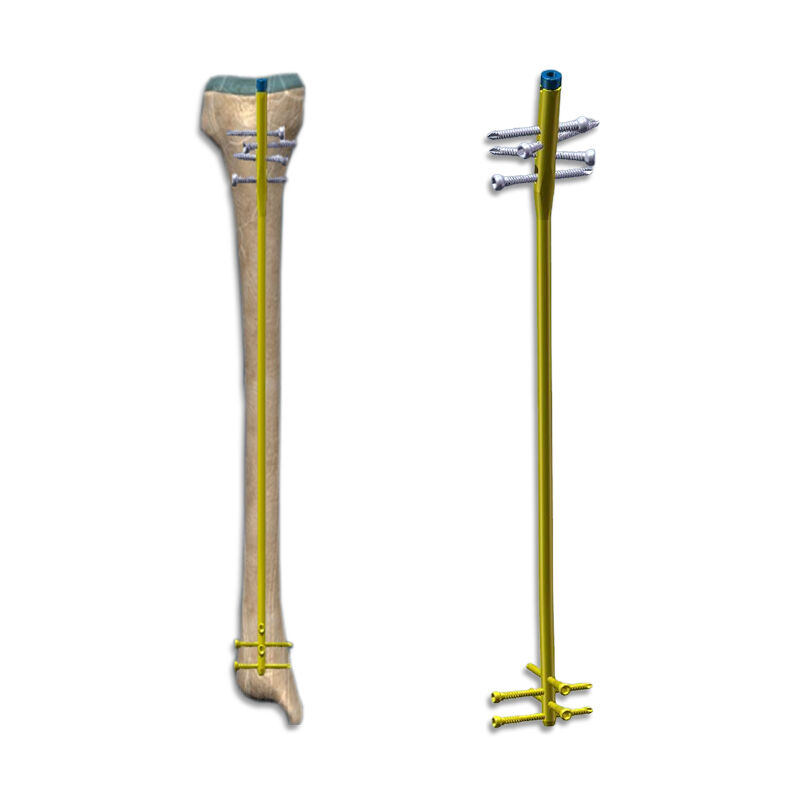
Pediatric fracture fixation implants are specialized orthopedic devices designed specifically to treat bone fractures in children and adolescents. These implants address the unique anatomical and physiological characteristics of growing bones, providing secure stabilization while accommodating ongoing skeletal development. The main function of pediatric fracture fixation implants is to hold fractured bone segments in proper alignment during the healing process, ensuring optimal recovery and minimizing complications. These devices include plates, screws, pins, wires, and intramedullary nails manufactured from biocompatible materials such as titanium alloys and stainless steel. Technological features of pediatric fracture fixation implants incorporate low-profile designs that reduce soft tissue irritation, specialized threading patterns for secure purchase in softer pediatric bone, and sizing options appropriate for smaller anatomical structures. Many systems offer modular components that allow surgeons to customize fixation strategies based on fracture pattern, location, and patient age. Advanced coating technologies enhance biocompatibility and reduce infection risk. Applications span the treatment of various fracture types across multiple anatomical locations, including forearm fractures, femoral shaft fractures, tibial fractures, and complex periarticular injuries. Pediatric fracture fixation implants are utilized in both acute trauma situations and corrective procedures for deformity management. The implants support early mobilization, which is crucial for maintaining joint function and preventing stiffness in young patients. By providing stable fixation tailored to pediatric needs, these implants facilitate faster return to normal activities while respecting the growth potential of developing bones.

New Product Recommendations

Investing in quality pediatric fracture fixation implants delivers significant value for healthcare facilities, surgeons, and most importantly, young patients and their families. These specialized devices offer superior outcomes compared to adult-sized alternatives by accounting for the distinct properties of pediatric bone, which is more porous, flexible, and possesses greater remodeling capacity. The practical benefit is reduced surgical complications and improved healing rates, translating to shorter hospital stays and lower overall treatment costs. Operationally, pediatric fracture fixation implants streamline surgical procedures through intuitive instrumentation and comprehensive sizing options that eliminate guesswork during implant selection. Surgeons can perform fixation procedures more efficiently, reducing anesthesia time for vulnerable young patients. The implants' design facilitates minimally invasive techniques, resulting in smaller incisions, less tissue trauma, and improved cosmetic outcomes that matter greatly to families. Application suitability spans a wide range of fracture types and patient ages, from toddlers to teenagers, providing versatility that maximizes inventory efficiency for hospitals. The biocompatible materials minimize adverse tissue reactions and support uncomplicated healing processes. Many pediatric fracture fixation implants feature removal-friendly designs, as temporary hardware is often extracted once healing is complete, and straightforward removal procedures reduce the burden of secondary surgeries. Decision-makers benefit from choosing systems backed by clinical evidence demonstrating successful outcomes in pediatric populations. The investment protects institutional reputation by enabling delivery of specialized pediatric care that meets modern standards. For purchasing decisions, the combination of clinical efficacy, operational efficiency, patient safety, and cost-effectiveness makes pediatric fracture fixation implants an essential component of comprehensive pediatric orthopedic services.

Tips And Tricks

The application advantages of modular braces in ankle fractures

11

Feb

The application advantages of modular braces in ankle fractures

Ankle fractures represent one of the most challenging orthopedic conditions, requiring precise stabilization and optimal healing conditions. Modern orthopedic treatment has evolved significantly with the introduction of advanced fixation systems, par...
View More
Finite Element Optimization Design and Biomechanical Validation of Personalized IM Nails

11

Feb

Finite Element Optimization Design and Biomechanical Validation of Personalized IM Nails

The evolution of orthopedic trauma surgery has reached a pivotal moment with the emergence of personalized IM nails that revolutionize fracture treatment approaches. Advanced computational modeling and finite element analysis have enabled surgeons to...
View More
Distal radial volar locking plate: refined design enhances the success rate of fracture fixation

06

Mar

Distal radial volar locking plate: refined design enhances the success rate of fracture fixation

The treatment of distal radius fractures has undergone significant evolution in recent decades, with the distal radial volar locking plate emerging as a cornerstone technology in modern orthopedic practice. These innovative implants represent a parad...
View More
Taylor brace: a new choice for minimally invasive treatment of complex fracture repair

15

Apr

Taylor brace: a new choice for minimally invasive treatment of complex fracture repair

The Taylor brace represents a significant advancement in orthopedic external fixation technology, offering surgeons and patients a minimally invasive solution for complex fracture repair scenarios. This innovative Taylor brace system combines precisi...
View More

Get a Free Quote

Our representative will contact you soon.
Email
Name
Company Name
Message
0/1000

pediatric fracture fixation implants

Growth-Accommodating Design Philosophy

Growth-Accommodating Design Philosophy

Pediatric fracture fixation implants incorporate specialized engineering that respects the ongoing growth and development inherent to children's skeletal systems. Unlike standard orthopedic hardware, these implants feature size-appropriate dimensions and biomechanical properties matched to pediatric bone structure. The reduced profile minimizes interference with surrounding growth plates, which are critical zones of bone lengthening that must be preserved to prevent limb length discrepancies or angular deformities. Material selection prioritizes biocompatibility while providing adequate strength without excessive rigidity that could stress developing bone. Many pediatric fracture fixation implants utilize elastic fixation principles that allow controlled micro-motion, promoting natural bone healing through callus formation while preventing harmful displacement. This approach acknowledges that pediatric bone possesses remarkable remodeling capacity that can correct minor alignment imperfections over time. The thoughtful design reduces the risk of growth disturbances and premature physeal closure, complications that can have lifelong consequences for young patients. Surgeons gain confidence knowing that these implants work with rather than against natural developmental processes, optimizing both immediate fracture stability and long-term skeletal development outcomes for their pediatric patients.
Comprehensive Surgical System Integration

Comprehensive Surgical System Integration

Modern pediatric fracture fixation implants are delivered as part of complete surgical systems that enhance procedural efficiency and outcome predictability. These integrated platforms provide surgeons with matched instrumentation, sizing guides, and procedural protocols specifically developed for pediatric applications. The systematic approach reduces intraoperative decision complexity, allowing surgeons to focus on anatomical reduction and optimal implant positioning rather than improvising with incompatible components. Instrumentation is ergonomically designed for the smaller working spaces encountered in pediatric surgery, with specialized reduction tools and temporary fixation devices that facilitate precise fracture alignment. Comprehensive training materials and surgical technique guides support skill development for orthopedic teams, ensuring consistent application of best practices. Many systems offer fluoroscopy-compatible components that enable real-time visualization during percutaneous procedures, minimizing radiation exposure through efficient workflows. The availability of emergency and elective case sets allows hospitals to maintain appropriate inventory for both trauma situations and scheduled procedures. This systematic integration improves surgical outcomes by reducing technical variables, shortens learning curves for surgeons expanding their pediatric practice, and creates operational efficiencies that benefit healthcare facilities through reduced procedure times and decreased complication rates requiring revision surgery.
Evidence-Based Clinical Performance

Evidence-Based Clinical Performance

The value proposition of pediatric fracture fixation implants extends beyond engineering excellence to encompass robust clinical evidence demonstrating superior patient outcomes. Extensive research validates the safety and efficacy of these specialized devices in pediatric populations, with studies documenting high union rates, low complication incidences, and excellent functional recovery. This evidence base provides confidence for surgeons making treatment decisions and supports informed consent discussions with families. Clinical data shows that appropriately selected pediatric fracture fixation implants facilitate earlier weight-bearing and mobilization compared to conservative casting approaches for many fracture patterns, reducing the psychological and developmental impact of prolonged immobilization on active children. Documented outcomes include restored limb alignment, preserved joint motion, and return to sports and activities without long-term disability. The clinical performance of these implants reduces the need for secondary corrective procedures, avoiding additional surgeries that carry cumulative risks and costs. For healthcare administrators, evidence-based performance translates to defensible purchasing decisions supported by peer-reviewed literature and regulatory approvals. The track record of successful clinical application across diverse pediatric fracture scenarios provides assurance that these implants represent sound investments in patient care quality and institutional capabilities.
logo