bone screws in orthopedics
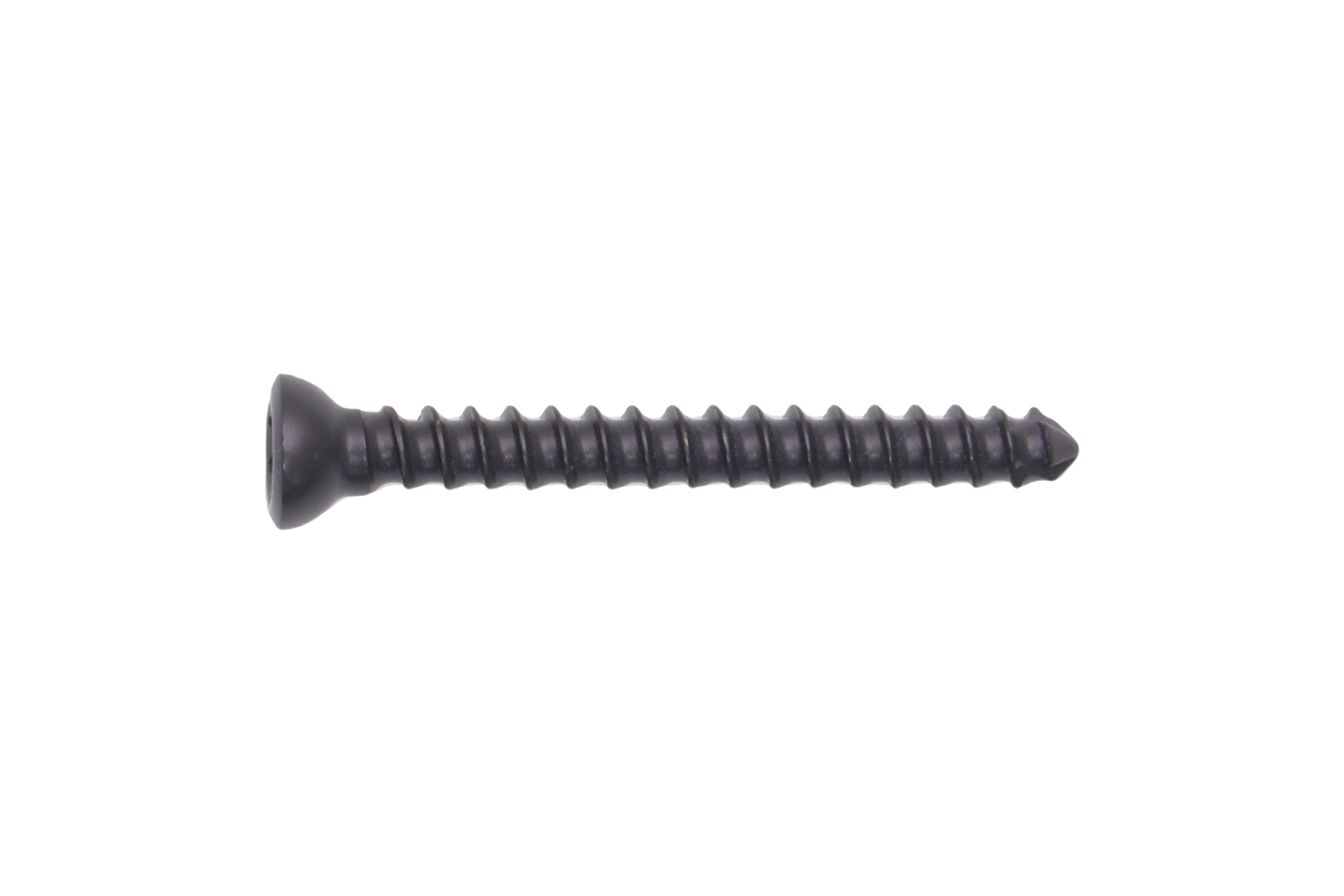
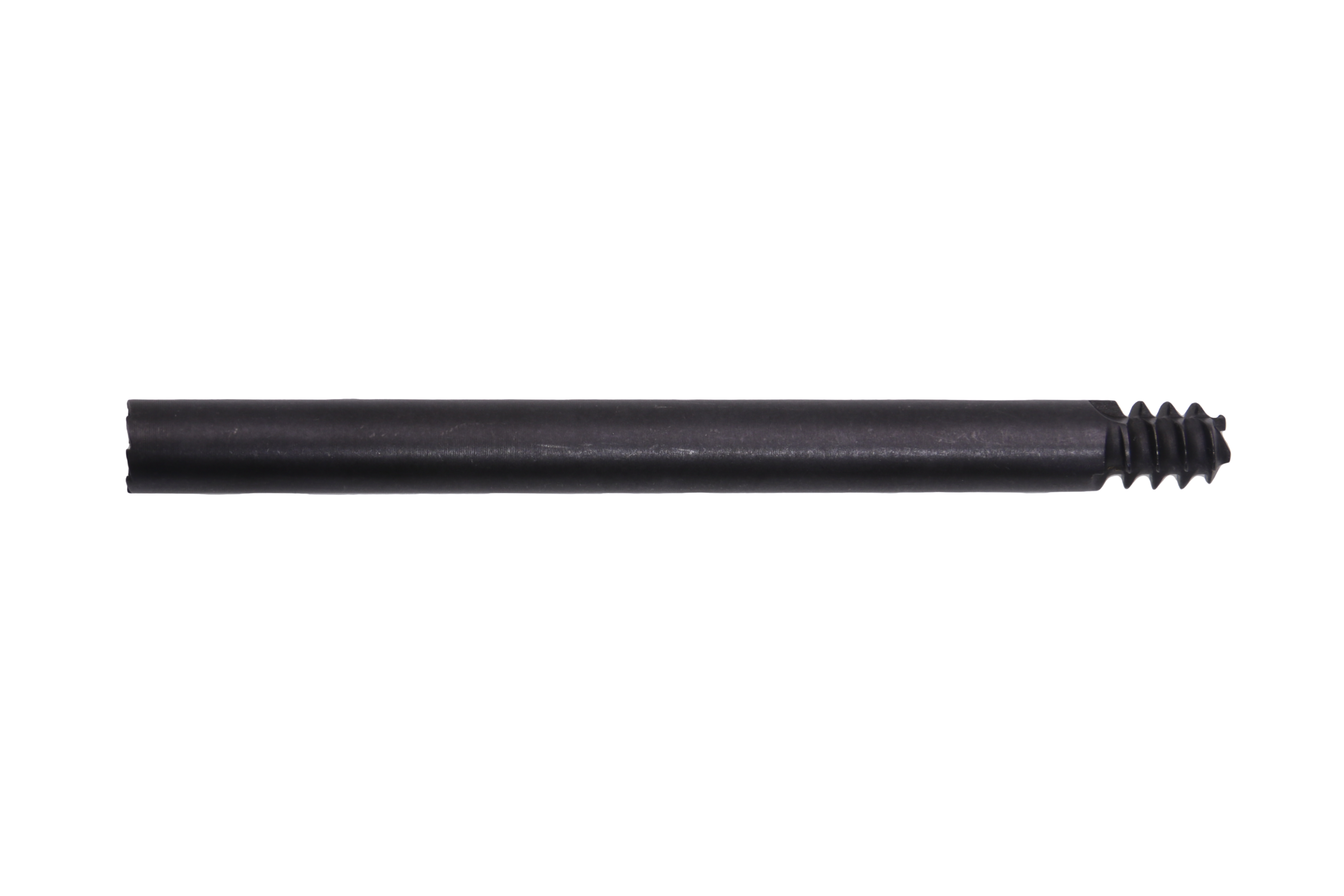
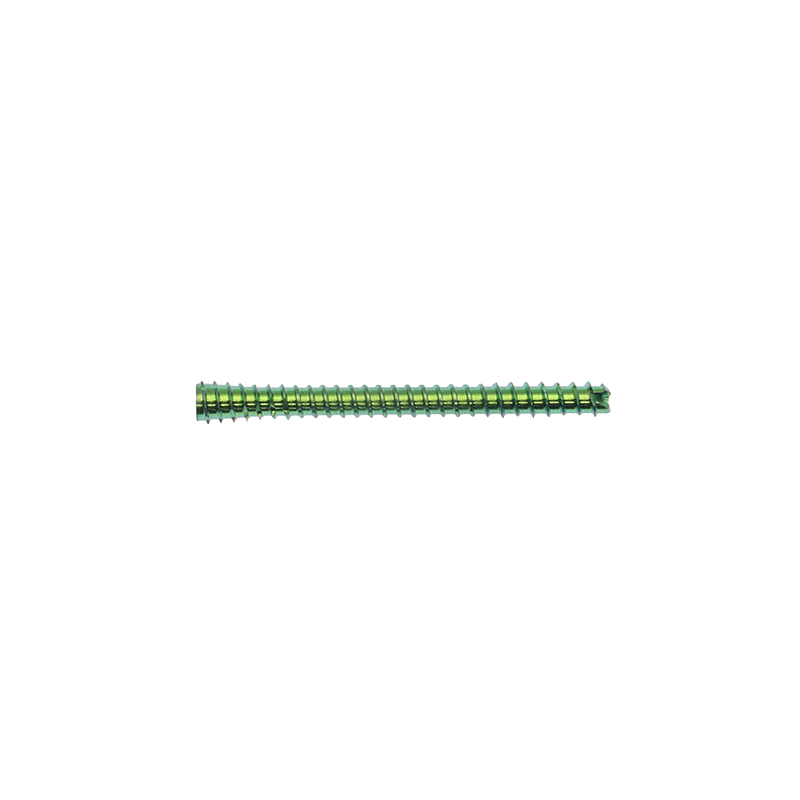
Bone screws in orthopedics are essential surgical implants designed to secure bone fragments, fix fractures, and stabilize joints during healing processes. These precision-engineered devices play a critical role in modern orthopedic surgery, enabling surgeons to restore skeletal integrity and promote optimal recovery outcomes. Bone screws in orthopedics come in various designs, including cortical screws, cancellous screws, locking screws, and cannulated screws, each tailored for specific anatomical locations and surgical requirements. The primary function of bone screws in orthopedics involves providing rigid fixation that maintains proper bone alignment while the natural healing process occurs. Manufactured from biocompatible materials such as titanium alloys and stainless steel, these implants offer excellent strength-to-weight ratios and corrosion resistance. Advanced threading patterns ensure secure purchase in bone tissue, while self-tapping designs reduce insertion torque and minimize surgical trauma. The technological features of bone screws in orthopedics include precise thread geometry, variable pitch configurations, and specialized coatings that enhance osseointegration. Applications span trauma surgery, joint reconstruction, spinal fusion procedures, and sports medicine interventions. Surgeons rely on these versatile implants for treating complex fractures, correcting deformities, and performing osteotomies across diverse anatomical sites including the spine, extremities, pelvis, and craniofacial structures. The continued evolution of bone screws in orthopedics reflects ongoing innovation in material science, biomechanics, and surgical technique development.
 EN
EN