orthopedic trauma implants
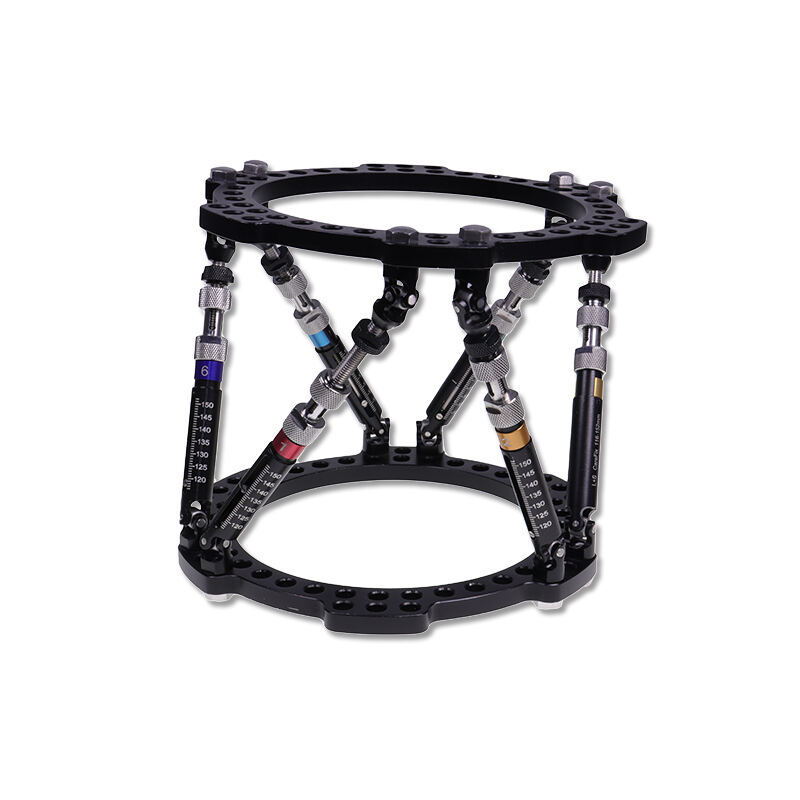
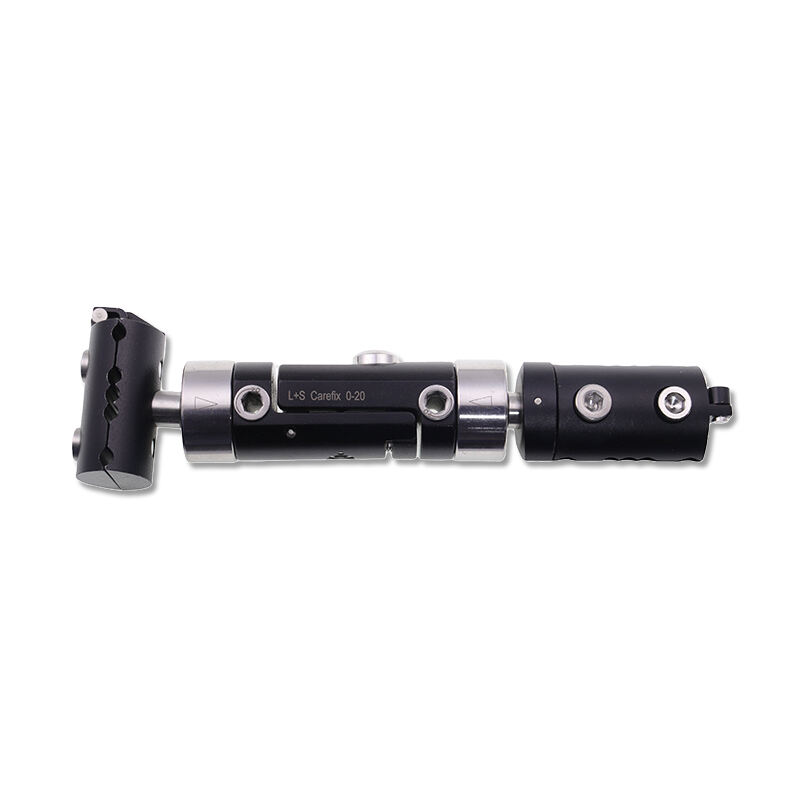
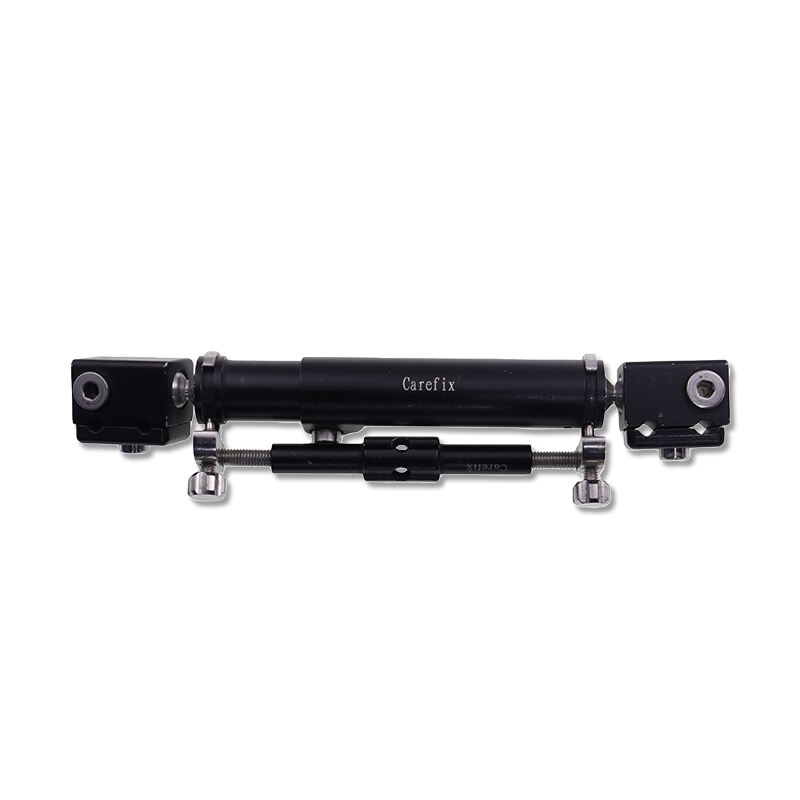
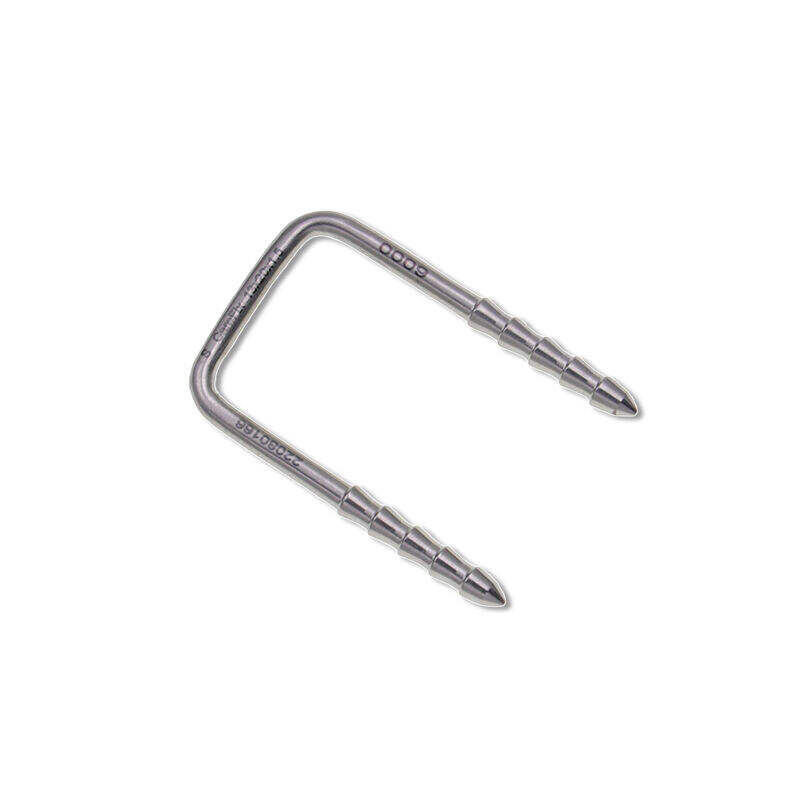
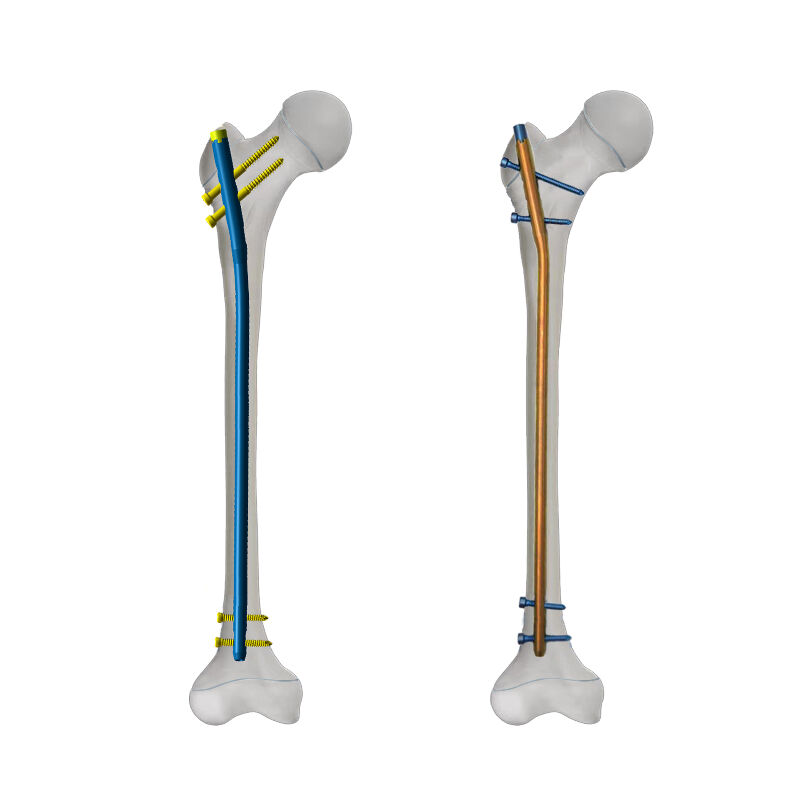
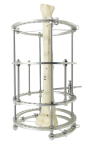
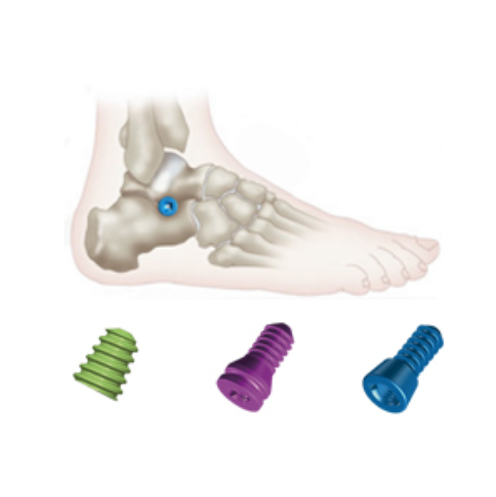
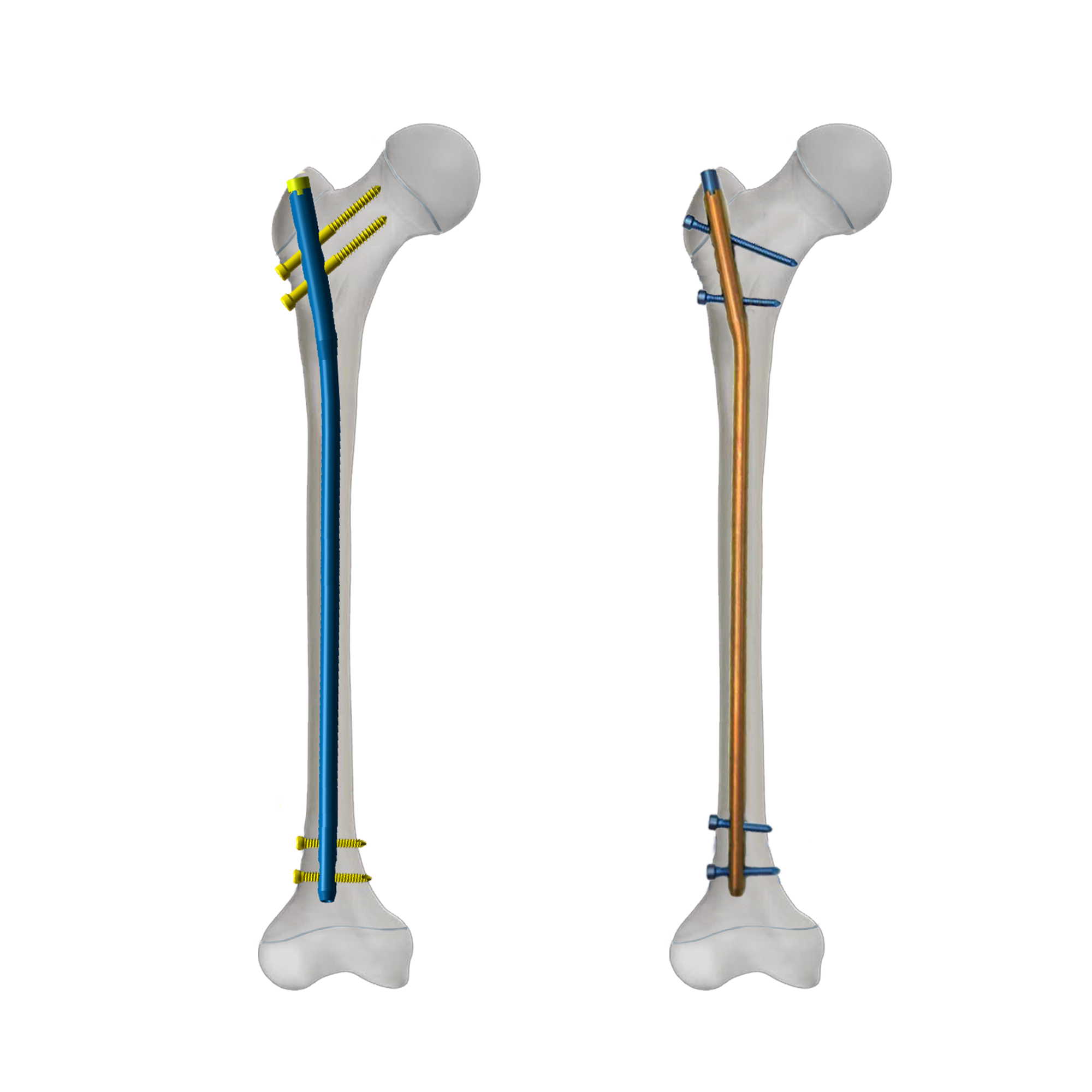
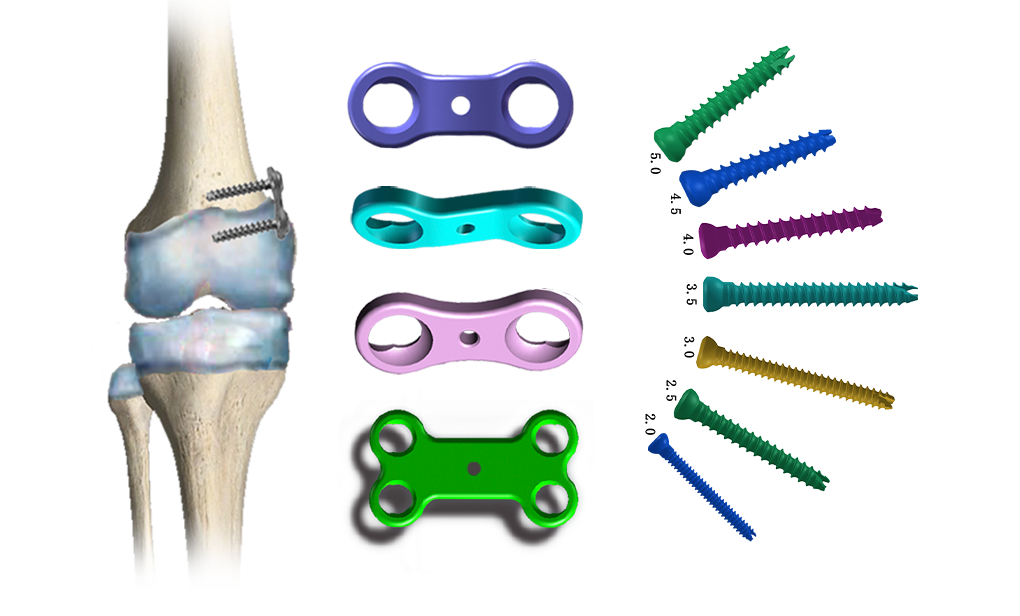
Orthopedic trauma implants are specialized medical devices designed to stabilize and repair fractured or damaged bones resulting from accidents, falls, or traumatic injuries. These implants play a critical role in restoring skeletal integrity and enabling patients to regain mobility and function after severe bone trauma. The main function of orthopedic trauma implants is to provide internal fixation that holds broken bone fragments in proper alignment during the healing process. These devices include plates, screws, intramedullary nails, pins, and external fixation systems, each engineered to address specific fracture patterns and anatomical locations. Technologically, modern orthopedic trauma implants utilize advanced materials such as titanium alloys and stainless steel, offering exceptional strength-to-weight ratios and biocompatibility. Many implants feature anatomically contoured designs that conform precisely to bone geometry, ensuring optimal load distribution and stability. Locking screw technology provides angular stability, reducing the risk of fixation failure in compromised bone quality. Surface treatments and coating technologies promote osseointegration and minimize inflammatory responses. Applications of orthopedic trauma implants span the entire skeletal system, from complex pelvic and acetabular fractures to long bone fractures in the femur, tibia, humerus, and radius. They are essential in treating open fractures, comminuted fractures, and non-unions where traditional casting methods prove inadequate. Surgeons rely on these implants in emergency trauma centers, reconstructive procedures, and revision surgeries. The versatility and reliability of orthopedic trauma implants make them indispensable tools in modern trauma care, significantly improving patient outcomes and reducing recovery times across diverse patient populations and injury severities.
 EN
EN