Orthopedics Manufacturing Solutions & Devices

Get a Free Quote

Our representative will contact you soon.
Email
Name
Company Name
Message
0/1000

orthopedics manufacturing

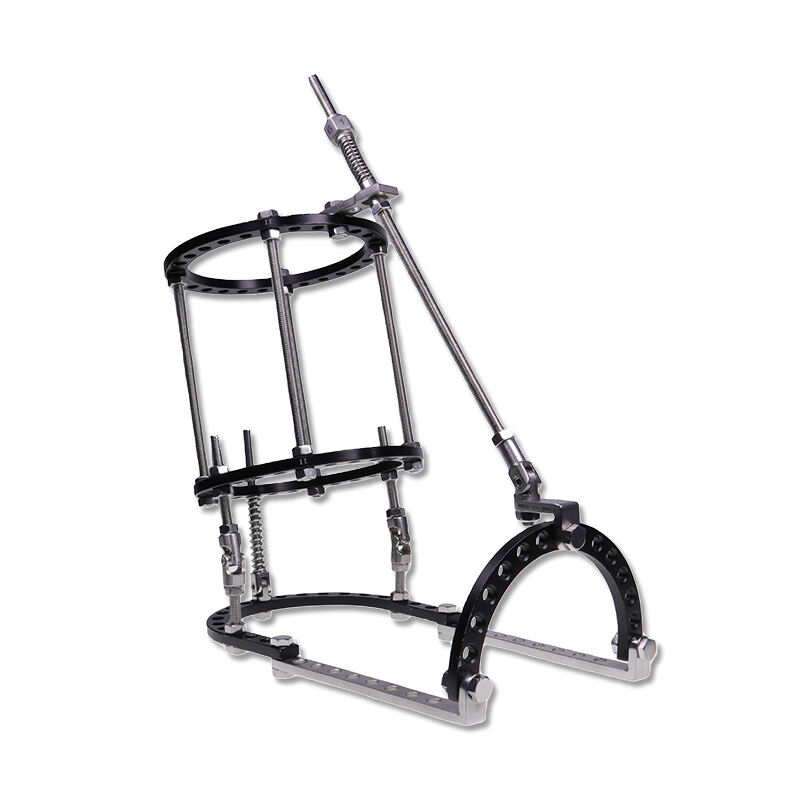
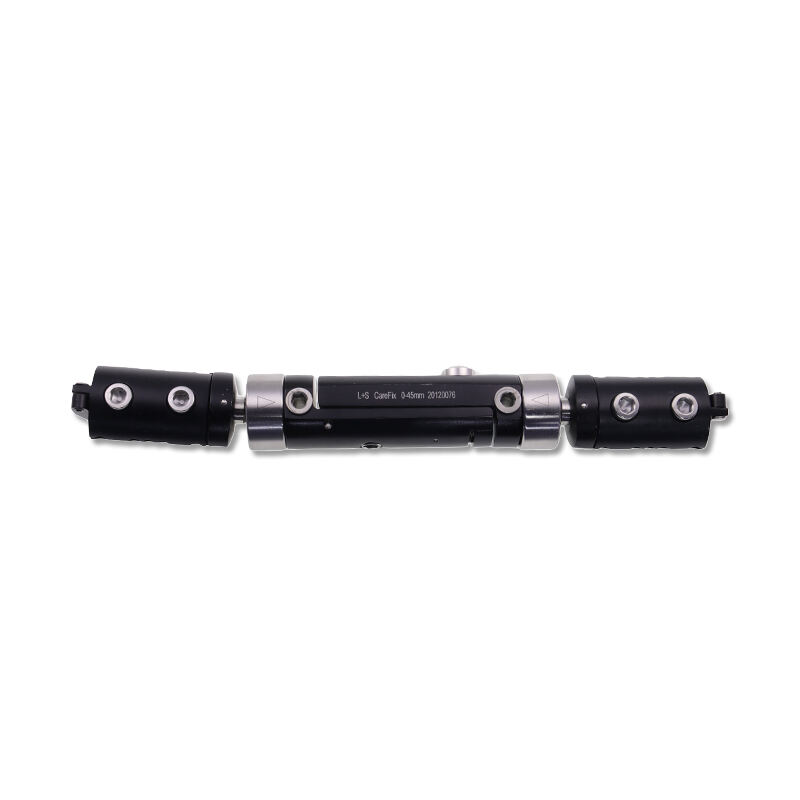
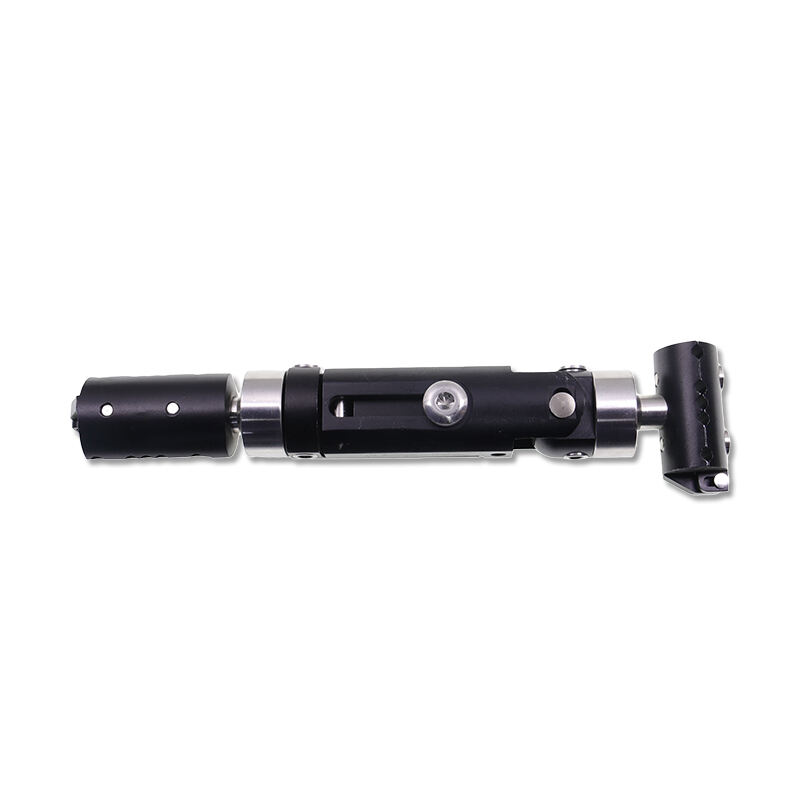
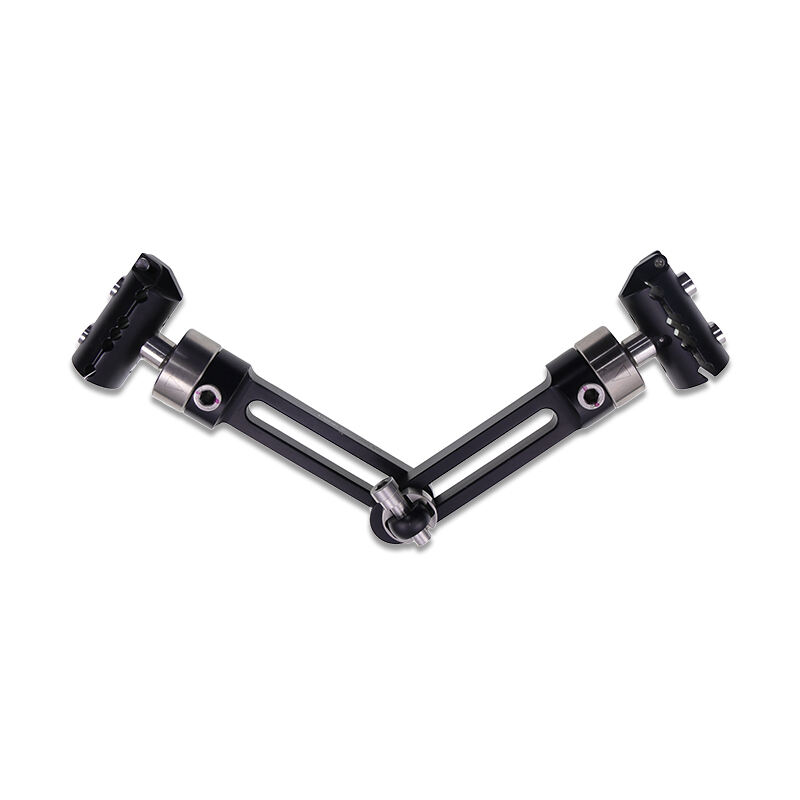
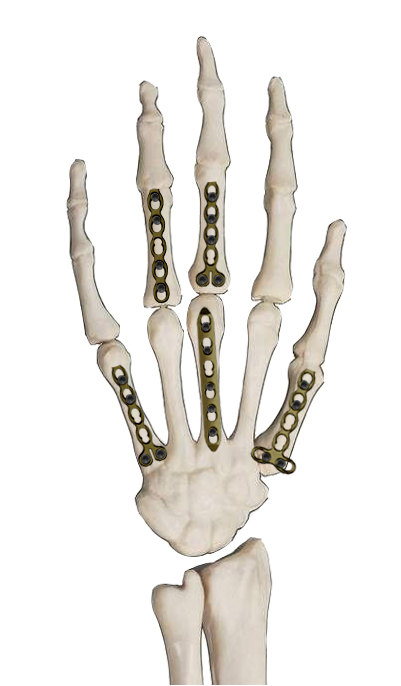
Orthopedics manufacturing represents a specialized sector dedicated to producing medical devices and implants that restore mobility and improve quality of life for patients with musculoskeletal conditions. This industry encompasses the design, development, and production of a wide range of products including joint replacement systems, trauma fixation devices, spinal implants, and surgical instruments. Modern orthopedics manufacturing integrates advanced materials science with precision engineering to create solutions that meet stringent regulatory standards and clinical requirements. The main functions of orthopedics manufacturing include producing biocompatible implants that integrate seamlessly with human bone tissue, developing surgical tools that enable minimally invasive procedures, and creating custom solutions tailored to individual patient anatomy. Technological features defining this sector include computer-aided design and manufacturing systems, additive manufacturing capabilities for patient-specific implants, advanced surface treatments that enhance osseointegration, and quality control processes ensuring product reliability. Applications span across hospitals, ambulatory surgical centers, and specialized orthopedic clinics where these manufactured products support procedures ranging from total hip and knee replacements to complex spinal surgeries and fracture repairs. The orthopedics manufacturing industry continuously evolves with innovations in biomaterials, digital technologies, and manufacturing processes to deliver superior patient outcomes and support surgeons with reliable, high-performance medical devices that address diverse orthopedic challenges.

New Products

Choosing products from established orthopedics manufacturing provides significant buyer value through proven reliability and regulatory compliance that reduces risk in clinical applications. These manufacturers invest heavily in research and development, ensuring that every product incorporates the latest medical advancements and materials science breakthroughs. Operational benefits include streamlined supply chain management, consistent product availability, and comprehensive technical support that helps healthcare facilities maintain efficient surgical schedules. Quality orthopedics manufacturing delivers implants with superior durability and biocompatibility, translating to better patient outcomes, reduced revision rates, and lower long-term healthcare costs. The precision achieved through advanced manufacturing techniques ensures proper fit and function, which directly impacts surgical success and patient recovery times. Application suitability is enhanced through extensive product portfolios that address various anatomical variations, patient conditions, and surgical approaches, giving surgeons flexibility to select optimal solutions for each case. Decision-useful context includes manufacturer track records, post-market surveillance data, and clinical evidence demonstrating product performance across diverse patient populations. Healthcare providers benefit from partnerships with orthopedics manufacturing companies that offer surgeon education programs, training resources, and ongoing innovation aligned with evolving clinical needs. The competitive advantage of working with reputable orthopedics manufacturing extends beyond product quality to encompass regulatory expertise, global distribution networks, and responsive customer service that supports healthcare providers in delivering exceptional patient care while managing operational efficiency and cost effectiveness.

Tips And Tricks

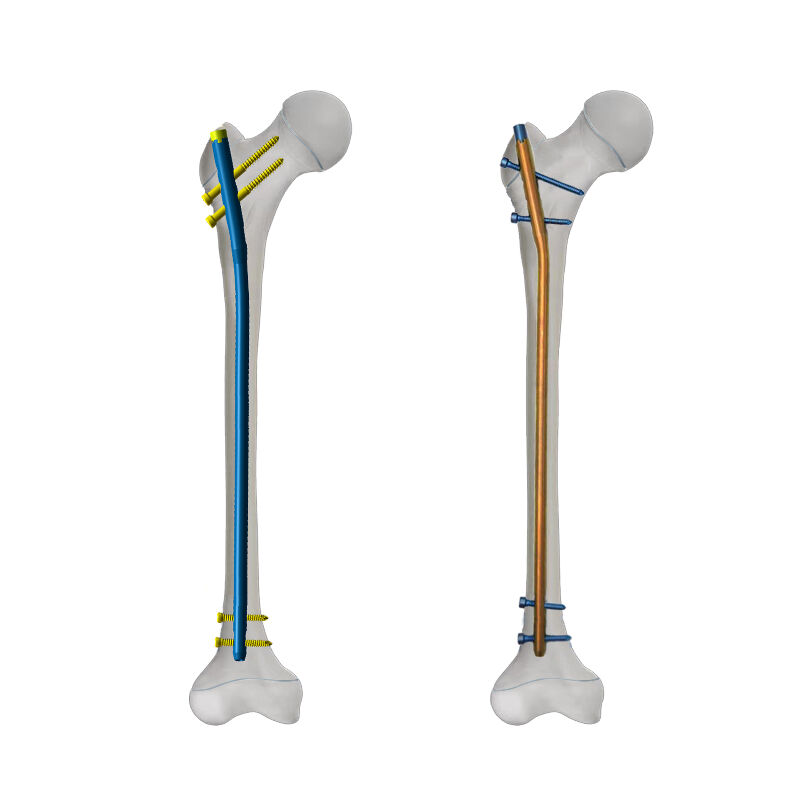
Understanding Intramedullary Nail Complications

13

Jan

Understanding Intramedullary Nail Complications

Intramedullary nail complications represent a significant concern in orthopedic surgery, affecting patient outcomes and recovery timelines. These complications can arise during insertion, throughout the healing process, or during long-term implant re...
View More
Ankle internal fixation system: Advantages of ankle locking plate in the treatment of complex fractures

06

Mar

Ankle internal fixation system: Advantages of ankle locking plate in the treatment of complex fractures

Complex ankle fractures represent one of the most challenging orthopedic injuries, requiring precise surgical intervention and advanced fixation techniques to restore optimal function and stability. The ankle locking plate has emerged as a revolution...
View More
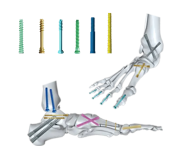
The application advantages of modular braces in ankle fractures

15

Apr

The application advantages of modular braces in ankle fractures

Ankle fractures represent one of the most challenging orthopedic injuries to manage effectively, requiring precise stabilization and controlled healing environments. Traditional casting methods often fall short in providing the dynamic support and ad...
View More
Taylor brace: a new choice for minimally invasive treatment of complex fracture repair

15

Apr

Taylor brace: a new choice for minimally invasive treatment of complex fracture repair

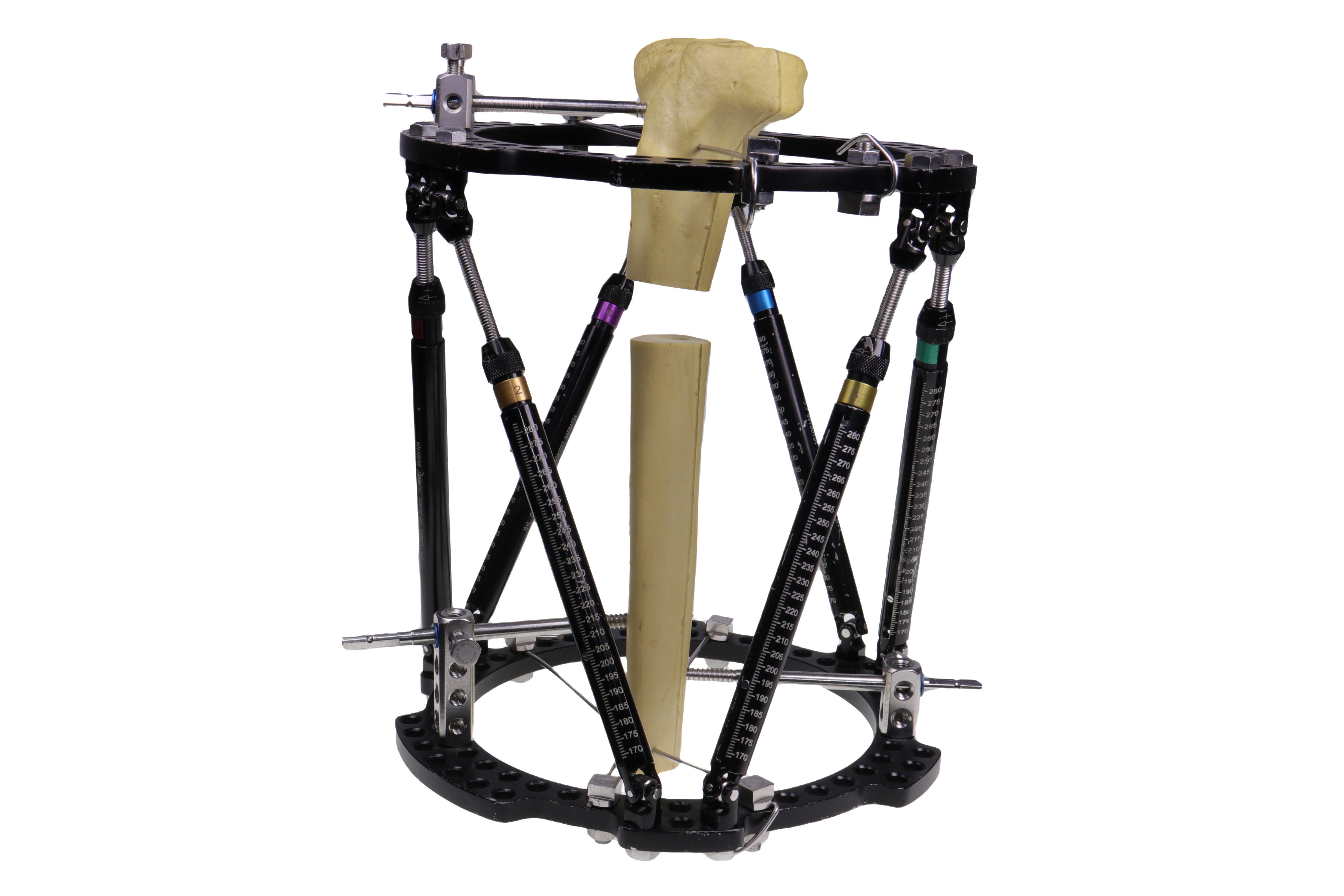
The Taylor brace represents a significant advancement in orthopedic external fixation technology, offering surgeons and patients a minimally invasive solution for complex fracture repair scenarios. This innovative Taylor brace system combines precisi...
View More

Get a Free Quote

Our representative will contact you soon.
Email
Name
Company Name
Message
0/1000

orthopedics manufacturing

Advanced Manufacturing Technologies and Precision Engineering

Advanced Manufacturing Technologies and Precision Engineering

Modern orthopedics manufacturing leverages cutting-edge technologies that revolutionize how medical devices are produced and customized for patient needs. Computer numerical control machining, additive manufacturing, and robotic automation enable manufacturers to achieve tolerances measured in microns, ensuring perfect fit and optimal biomechanical performance. Three-dimensional printing technologies within orthopedics manufacturing allow for patient-specific implants created from CT or MRI scans, delivering personalized solutions that match individual anatomy precisely. These advanced manufacturing capabilities extend to surface finishing techniques that enhance bone integration, including plasma spraying, hydroxyapatite coating, and porous metal technologies that encourage biological fixation. The precision engineering inherent in orthopedics manufacturing reduces surgical complications, improves implant longevity, and supports minimally invasive surgical techniques that benefit patients through faster recovery and reduced hospital stays. Investment in state-of-the-art manufacturing equipment and process controls ensures consistent quality across production batches, meeting international standards and providing surgeons with confidence in product performance during critical procedures.
Biocompatible Materials and Regulatory Compliance Excellence

Biocompatible Materials and Regulatory Compliance Excellence

The foundation of successful orthopedics manufacturing rests on selecting and processing materials that demonstrate exceptional biocompatibility, mechanical strength, and long-term stability within the human body. Manufacturers utilize medical-grade titanium alloys, cobalt-chromium compounds, ultra-high molecular weight polyethylene, and advanced ceramics that have undergone extensive testing to ensure safety and efficacy. The orthopedics manufacturing process includes rigorous material certification, traceability systems, and validation protocols that comply with FDA regulations, ISO standards, and international medical device directives. This regulatory excellence provides healthcare providers and patients with assurance that products have met stringent safety requirements through comprehensive biocompatibility testing, mechanical performance validation, and clinical trials. Quality management systems embedded throughout orthopedics manufacturing facilities include environmental controls, sterilization validation, and documentation practices that support product recalls if necessary and enable continuous improvement. The commitment to regulatory compliance distinguishes leading manufacturers and protects patient safety while facilitating market access across multiple countries and healthcare systems, providing reliable supply chains for global medical communities.
Comprehensive Product Portfolios and Clinical Support Systems

Comprehensive Product Portfolios and Clinical Support Systems

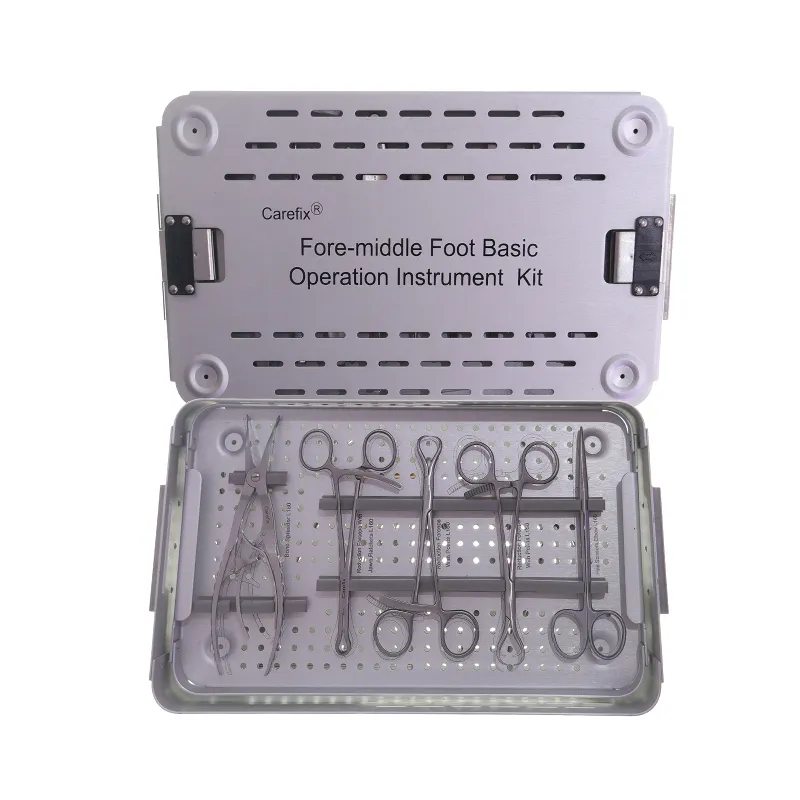
Leading orthopedics manufacturing companies differentiate themselves through extensive product ranges that address the full spectrum of musculoskeletal conditions and surgical preferences across diverse patient populations. These comprehensive portfolios include multiple implant sizes, configurations, and modular components that give surgeons flexibility to adapt to intraoperative findings and patient-specific anatomical variations. The value proposition of established orthopedics manufacturing extends beyond hardware to encompass complete surgical systems with specialized instruments, navigation technologies, and procedural protocols that optimize surgical workflow. Clinical support systems provided by orthopedics manufacturing partners include surgical technique training, case planning assistance, and on-demand technical expertise that helps healthcare facilities adopt new technologies and maintain clinical excellence. Evidence generation through post-market surveillance, registry participation, and clinical studies demonstrates real-world product performance and informs continuous product refinement. This holistic approach to orthopedics manufacturing creates ecosystems where products, education, and clinical evidence converge to support better patient outcomes, enhanced surgical efficiency, and healthcare provider confidence in their device selections for critical orthopedic procedures.
logo