Orthopaedic Implants & Instruments Solutions

Get a Free Quote

Our representative will contact you soon.
Email
Name
Company Name
Message
0/1000

orthopaedic implants & instruments

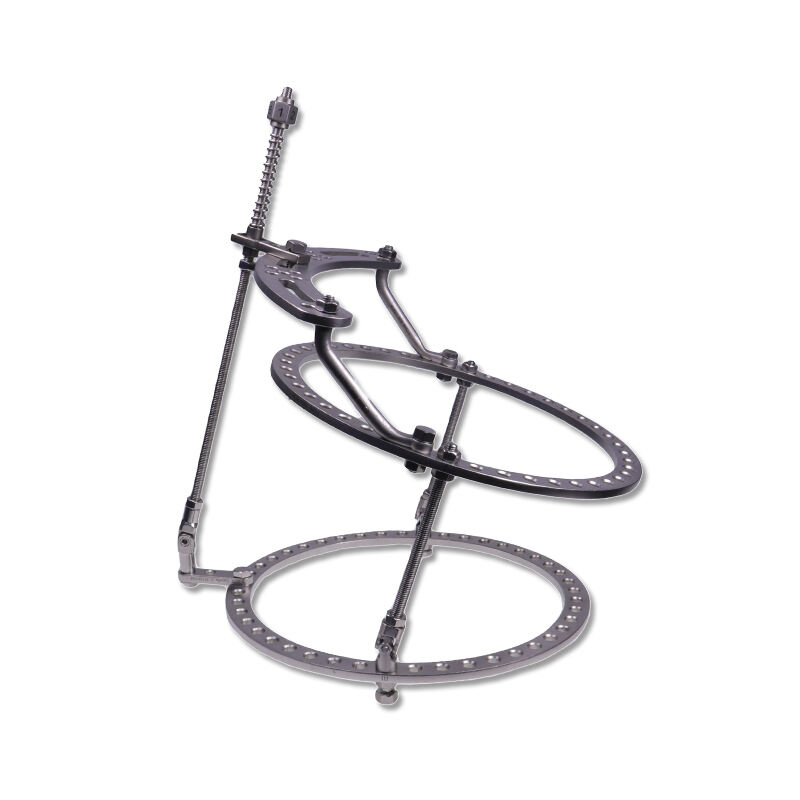
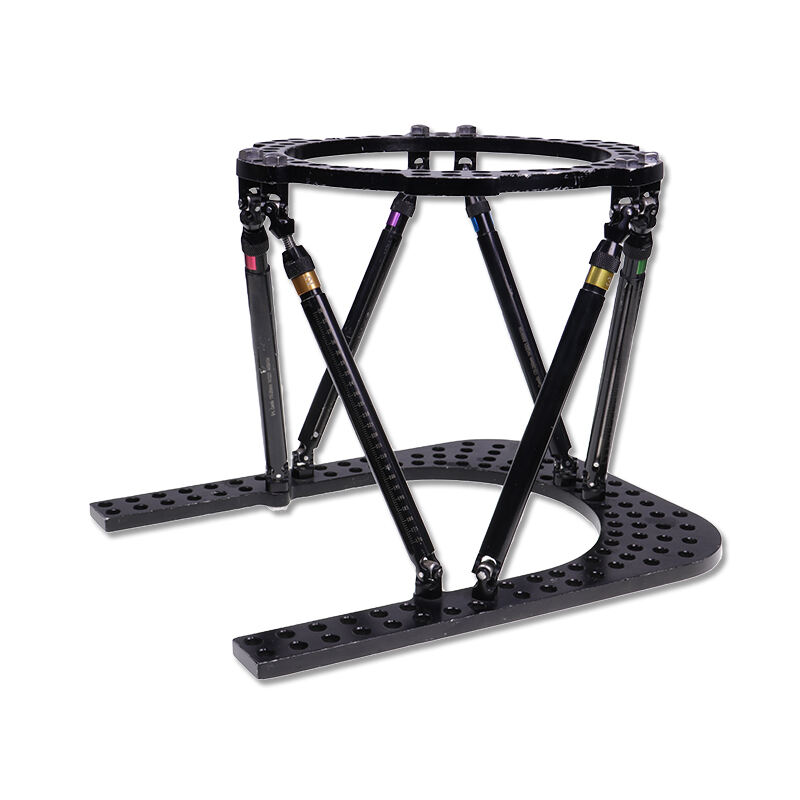
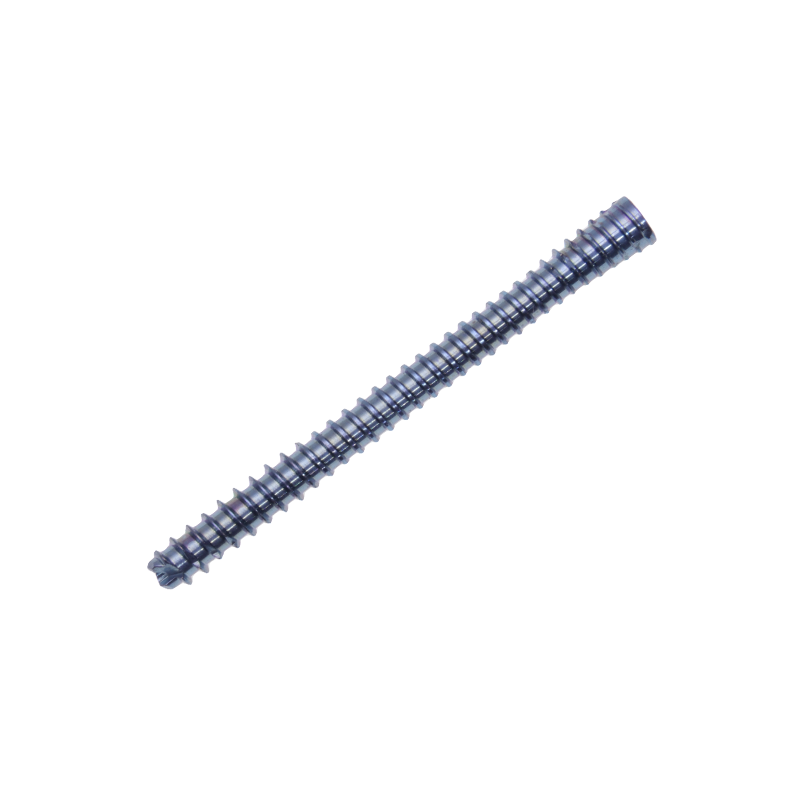
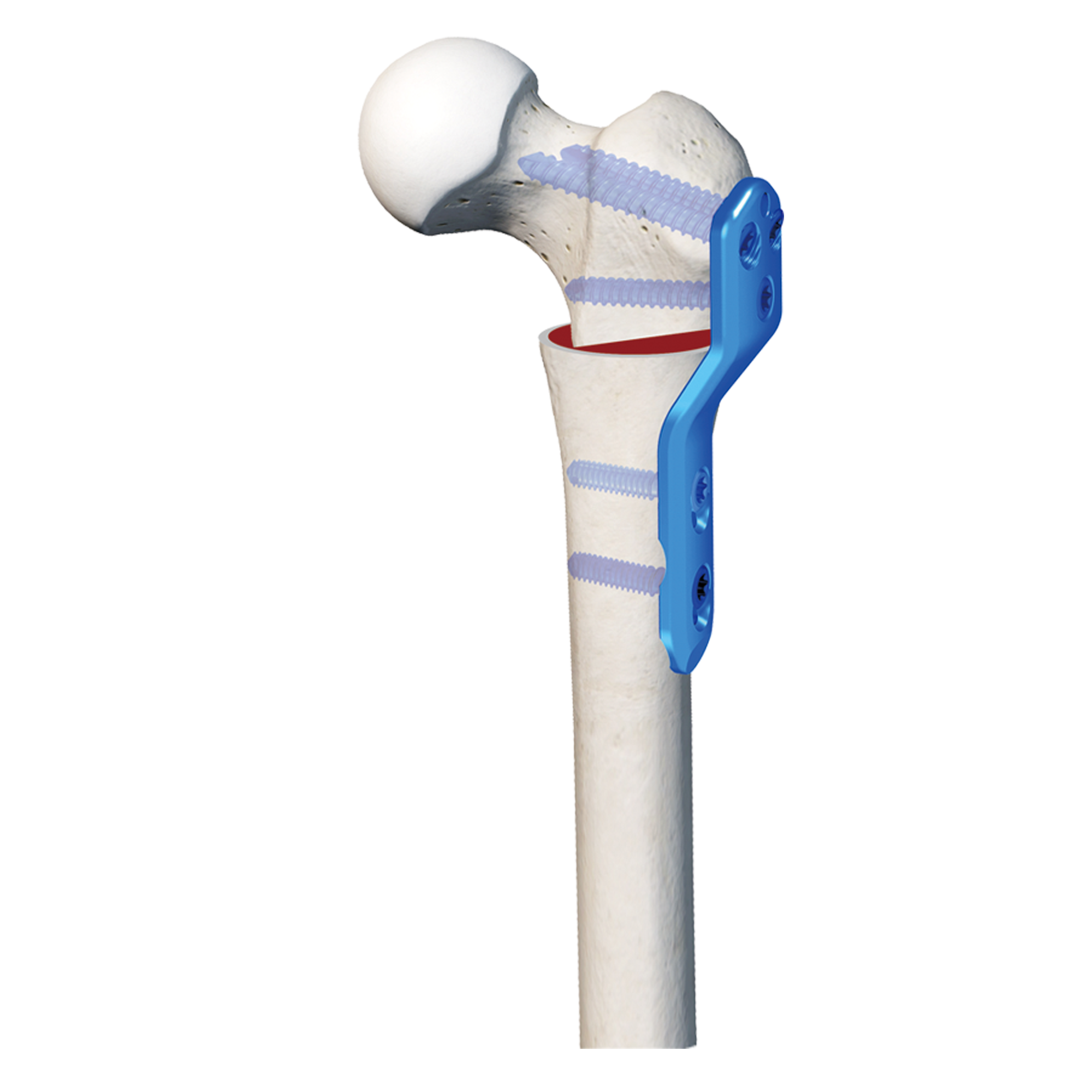
Orthopaedic implants & instruments represent critical medical devices designed to restore mobility, repair skeletal structures, and improve patient quality of life following injuries or degenerative conditions. These sophisticated products encompass a comprehensive range of solutions including joint replacement systems, trauma fixation devices, spinal implants, and precision surgical instruments. Modern orthopaedic implants & instruments are engineered using advanced biomaterials such as titanium alloys, cobalt-chromium, and medical-grade polymers that ensure biocompatibility and long-term durability. The main functions include structural support for damaged bones, joint reconstruction, fracture stabilization, and enabling surgical precision during complex procedures. Technological features incorporate computer-aided design, anatomically contoured surfaces, porous coatings for bone integration, and modular component systems that allow customization to individual patient anatomy. These innovations leverage biomechanical engineering principles to replicate natural joint movement and load distribution. Applications span multiple specialties including hip and knee arthroplasty, shoulder reconstruction, spinal fusion procedures, trauma surgery, and sports medicine interventions. Healthcare facilities utilize orthopaedic implants & instruments across emergency departments, elective surgery suites, and specialized orthopedic centers. The integration of minimally invasive instrument designs enables smaller incisions, reduced tissue trauma, and accelerated patient recovery. As populations age and active lifestyles increase injury rates, these medical devices continue evolving with enhanced materials, improved surgical techniques, and patient-specific solutions that address diverse clinical needs across all age groups and activity levels.

New Product Releases

Healthcare providers and surgical teams benefit significantly from implementing high-quality orthopaedic implants & instruments in their clinical practice. These medical devices deliver measurable improvements in surgical outcomes by providing reliable fixation strength, predictable healing patterns, and reduced complication rates compared to outdated alternatives. The operational benefits include streamlined surgical workflows through intuitive instrument designs that minimize procedural time, decrease anesthesia exposure, and improve operating room efficiency. Surgeons appreciate the precision engineering that allows accurate component placement and optimal alignment, directly contributing to implant longevity and patient satisfaction. Medical facilities realize economic advantages through reduced revision surgery rates, shorter hospital stays, and faster patient throughput. The application suitability spans diverse patient populations from elderly individuals requiring joint replacements to young athletes needing fracture repair, offering versatile solutions for varied clinical scenarios. Material selection in modern orthopaedic implants & instruments emphasizes biocompatibility that minimizes adverse tissue reactions while promoting natural bone integration through osseointegration processes. Decision-makers value comprehensive product portfolios that address multiple surgical approaches and anatomical variations without requiring multiple vendor relationships. Training support and surgical technique guidance further enhance adoption success and clinical confidence. Patients experience tangible benefits including restored mobility, pain relief, and return to daily activities with improved function. The durability of contemporary designs means longer implant survival rates, reducing the likelihood of future interventions. For procurement teams, standardized instrumentation across product lines simplifies inventory management and reduces capital equipment costs. Quality certifications and regulatory compliance provide assurance of safety standards, while clinical evidence supports informed purchasing decisions that balance cost considerations with patient care excellence and long-term value delivery.

Latest News

Special Needs of Children's Bones: Design Philosophy of Pediatric Internal Fixation Systems

16

Dec

Special Needs of Children's Bones: Design Philosophy of Pediatric Internal Fixation Systems

Children's bones present unique challenges that require specialized approaches in orthopedic surgery. Unlike adult skeletal structures, pediatric bones are constantly growing, adapting, and remodeling throughout development. When fractures or deformi...
View More
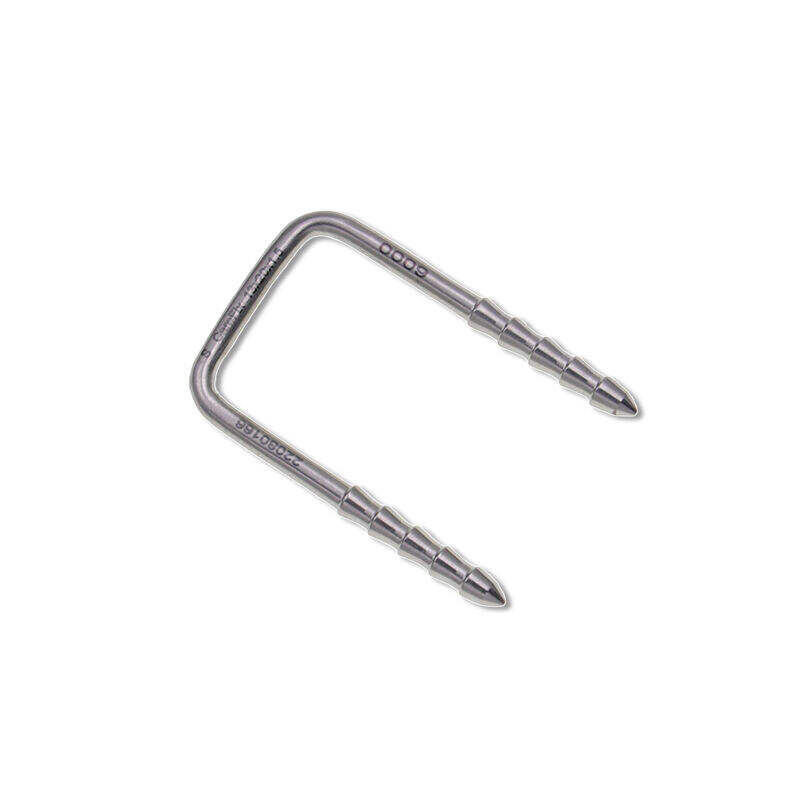
U-shaped nail: technical advantage of ankle surgery

13

Jan

U-shaped nail: technical advantage of ankle surgery

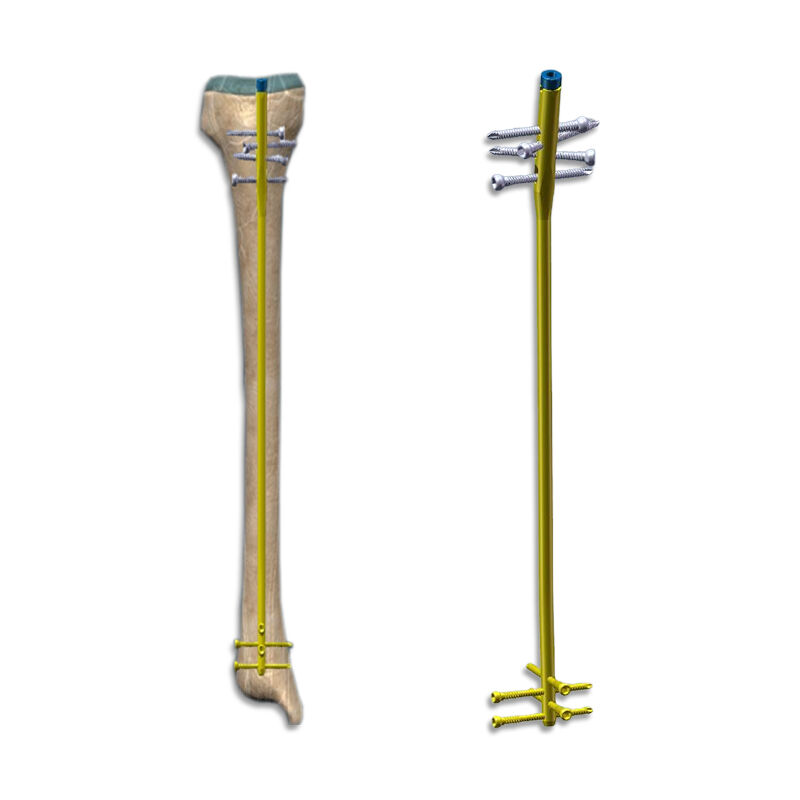
Modern orthopedic surgery has witnessed remarkable advancement in fixation techniques, particularly in the treatment of complex ankle and distal tibial fractures. The distal tibial interlocking intramedullary nail represents a significant breakthroug...
View More
The application advantages of modular braces in ankle fractures

11

Feb

The application advantages of modular braces in ankle fractures

Ankle fractures represent one of the most challenging orthopedic conditions, requiring precise stabilization and optimal healing conditions. Modern orthopedic treatment has evolved significantly with the introduction of advanced fixation systems, par...
View More
How to choose the appropriate size and thread of hollow screws?

11

Feb

How to choose the appropriate size and thread of hollow screws?

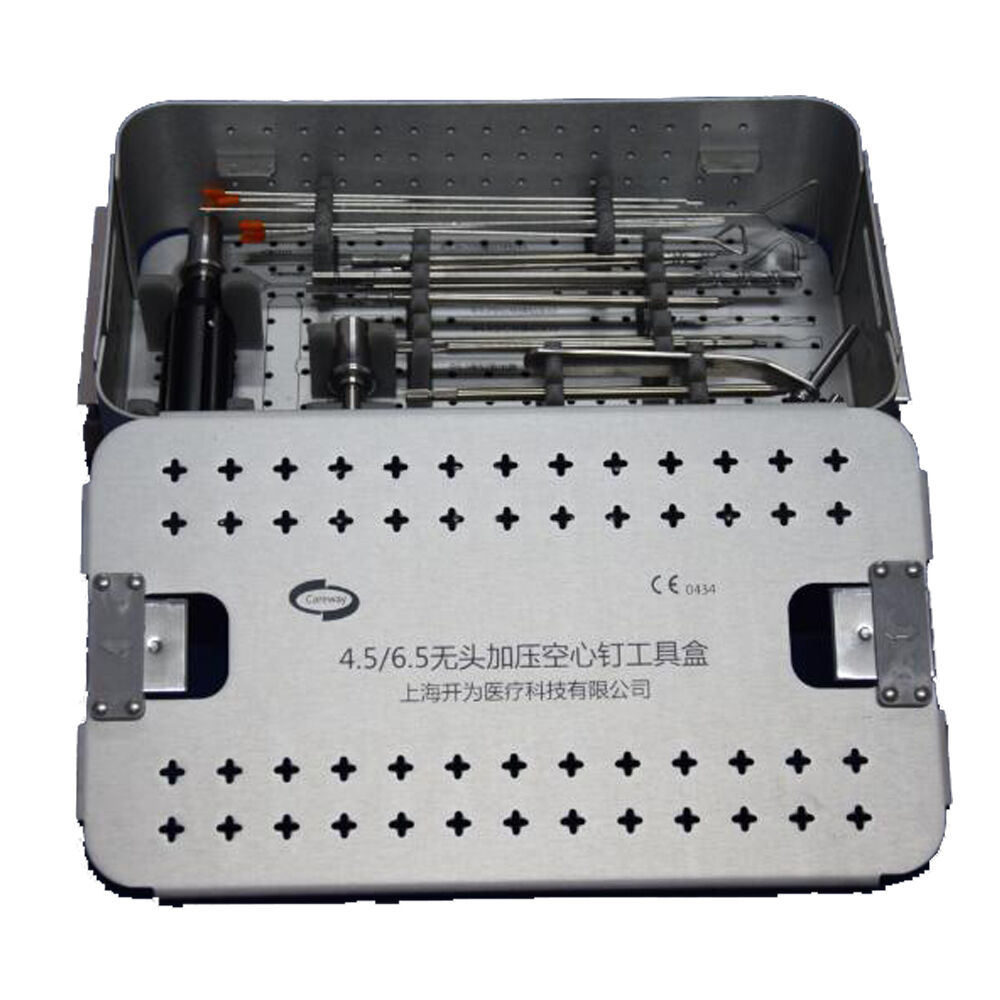
Selecting the right hollow screws for orthopedic procedures requires careful consideration of multiple factors that directly impact surgical outcomes and patient recovery. These specialized medical devices serve critical functions in bone fixation, t...
View More

Get a Free Quote

Our representative will contact you soon.
Email
Name
Company Name
Message
0/1000

orthopaedic implants & instruments

Advanced Material Science for Superior Performance

Advanced Material Science for Superior Performance

The cornerstone of modern orthopaedic implants & instruments lies in breakthrough material technologies that dramatically enhance clinical outcomes and implant longevity. Titanium alloys offer exceptional strength-to-weight ratios while demonstrating outstanding corrosion resistance in the biological environment, making them ideal for load-bearing applications. These materials feature surface treatments including plasma-spray coatings and hydroxyapatite layers that actively promote bone ingrowth and accelerate fixation stability. Cobalt-chromium formulations provide wear-resistant articulating surfaces in joint replacements, significantly extending functional lifespan and reducing particle generation that can trigger inflammatory responses. Cross-linked polyethylene components demonstrate superior wear characteristics compared to conventional materials, addressing historical concerns about osteolysis and implant loosening. The careful selection of biocompatible materials minimizes the risk of allergic reactions and tissue rejection while supporting natural healing processes. Instrument manufacturing utilizes medical-grade stainless steel with precise tolerances that maintain sharpness and structural integrity through multiple sterilization cycles. These material innovations translate directly into reduced revision rates, improved patient satisfaction scores, and enhanced cost-effectiveness for healthcare systems investing in quality orthopaedic solutions that deliver consistent performance across diverse patient populations and demanding clinical applications.
Precision Engineering for Surgical Excellence

Precision Engineering for Surgical Excellence

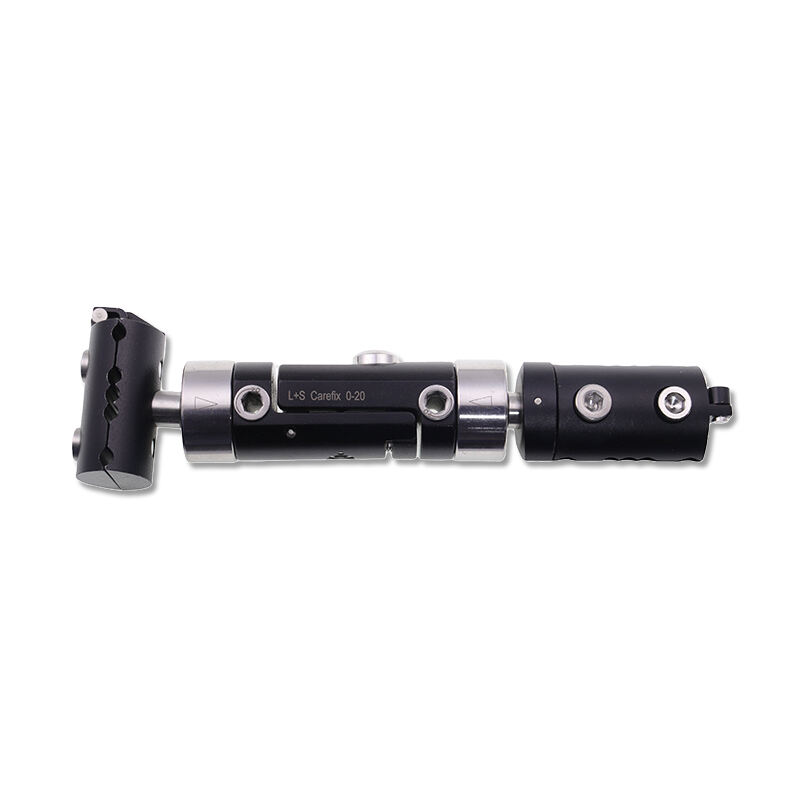
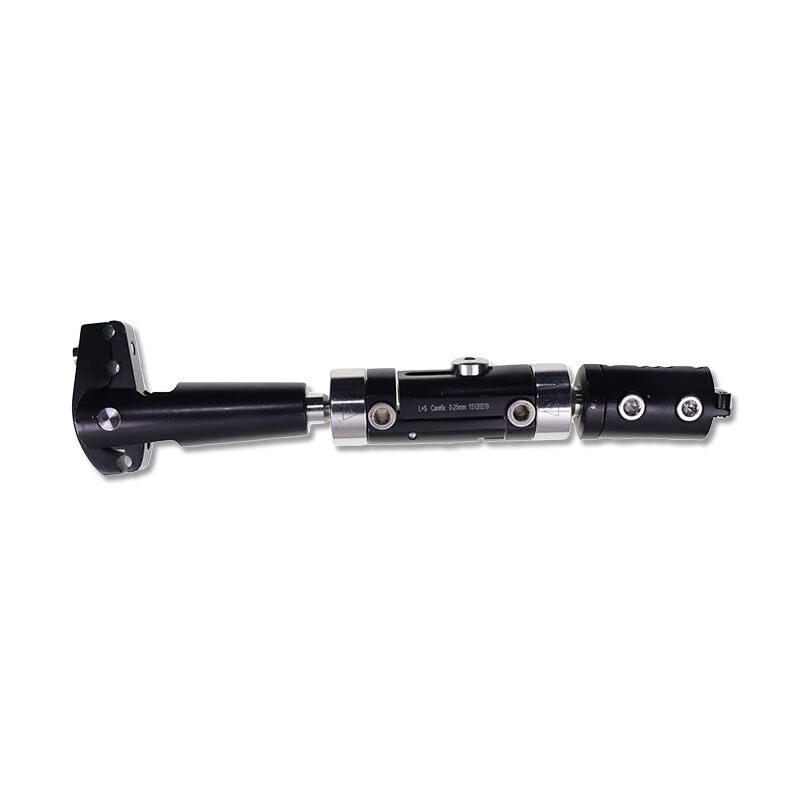
Orthopaedic implants & instruments incorporate sophisticated design principles that empower surgeons to achieve optimal outcomes through enhanced precision and control during complex procedures. Computer-aided design technologies enable anatomically accurate component geometries that replicate natural bone contours and joint kinematics, resulting in more natural movement patterns and improved biomechanical function. Modular system architectures provide intraoperative flexibility, allowing surgeons to select appropriate sizes and configurations that match individual patient anatomy without compromising fixation strength or stability. Instrument sets feature ergonomic handles and intuitive mechanisms that reduce hand fatigue during lengthy procedures while improving tactile feedback for delicate maneuvers. Alignment guides and targeting devices incorporate precision reference points that ensure accurate implant positioning, critical for achieving proper load distribution and preventing premature failure. Minimally invasive instrument designs facilitate smaller surgical approaches with reduced soft tissue disruption, leading to decreased postoperative pain, shorter recovery periods, and improved cosmetic outcomes. Quality control processes including dimensional verification and surface finish inspection guarantee consistent manufacturing standards that surgeons can trust. This engineering excellence transforms surgical capabilities, enabling reproducible results across varying skill levels while supporting both traditional open techniques and contemporary minimally invasive approaches that benefit patients and healthcare facilities alike.
Comprehensive Solutions for Diverse Clinical Needs

Comprehensive Solutions for Diverse Clinical Needs

The versatility of modern orthopaedic implants & instruments addresses an extensive spectrum of musculoskeletal conditions across multiple anatomical regions and patient demographics. Joint replacement systems encompass hip, knee, shoulder, elbow, and ankle solutions with primary and revision options that accommodate varying bone quality and anatomical challenges. Trauma portfolios include plates, screws, intramedullary nails, and external fixation devices designed for fracture patterns ranging from simple breaks to complex polytrauma scenarios requiring immediate stabilization. Spinal implant offerings cover cervical, thoracic, and lumbar applications including fusion cages, pedicle screw systems, and motion preservation technologies that address degenerative disc disease and spinal deformities. Sports medicine instruments support arthroscopic procedures for ligament reconstruction, meniscal repair, and cartilage restoration in active individuals seeking rapid return to performance. Pediatric-specific designs accommodate growing skeletons with implants that respect developmental considerations while providing necessary structural support. This comprehensive approach means healthcare facilities can consolidate vendor relationships while maintaining access to complete surgical solutions. Standardized instrumentation across product families simplifies staff training and reduces learning curves when adopting new technologies. The breadth of available orthopaedic implants & instruments ensures appropriate options exist for nearly every clinical presentation, supporting evidence-based treatment decisions that optimize patient outcomes regardless of age, activity level, or pathology complexity.
logo