Orthopedic Manufacturing Solutions & Technology

Get a Free Quote

Our representative will contact you soon.
Email
Name
Company Name
Message
0/1000

orthopedic manufacturing

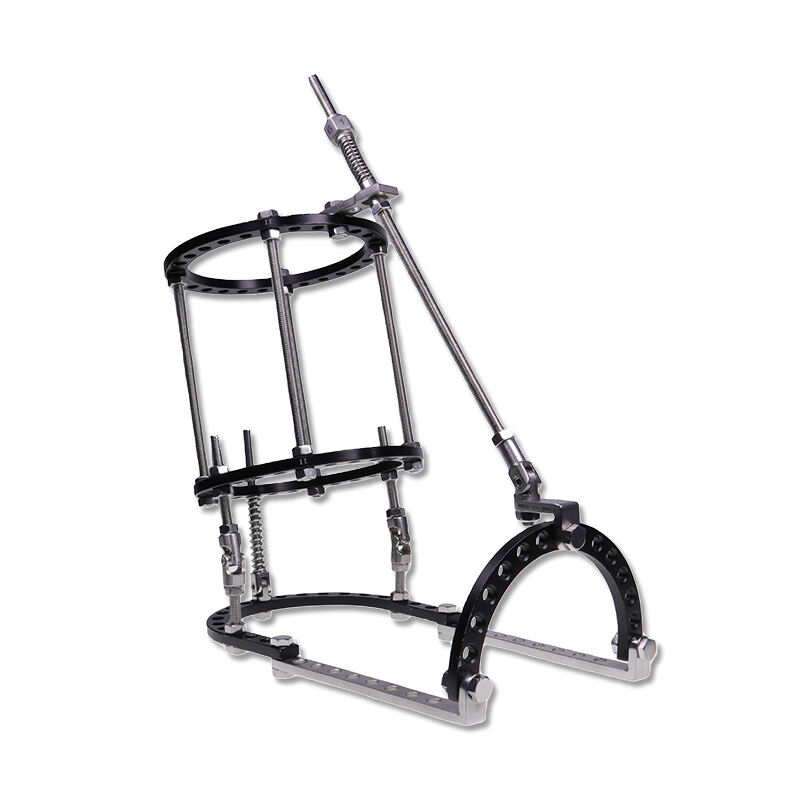
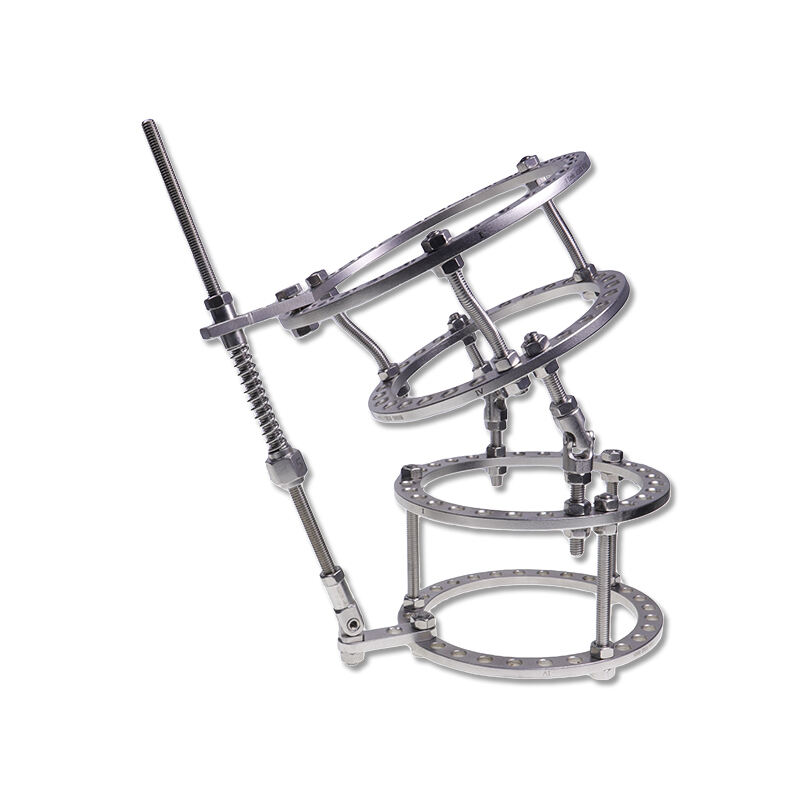
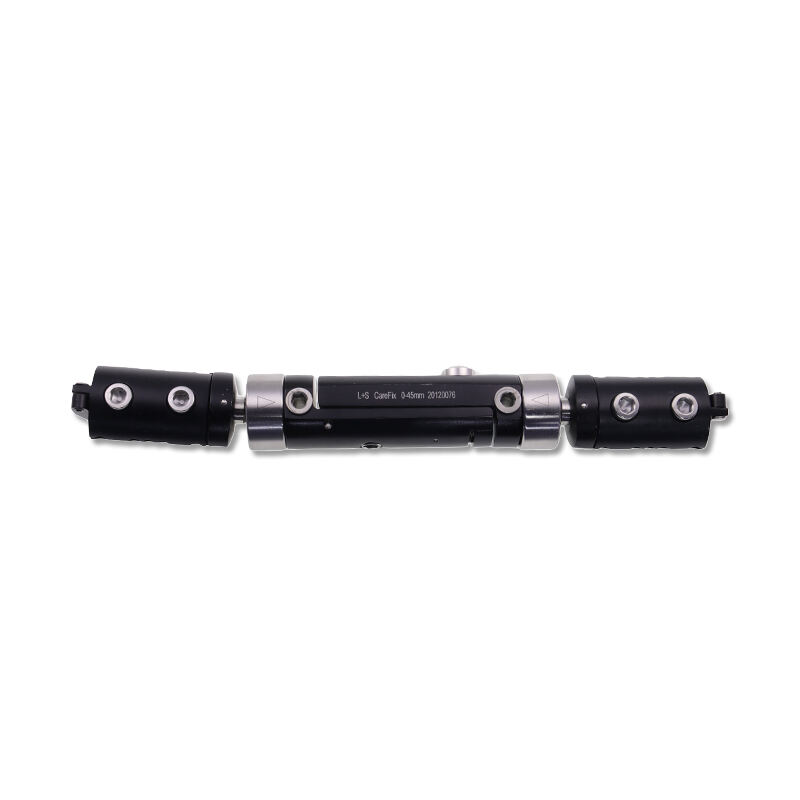
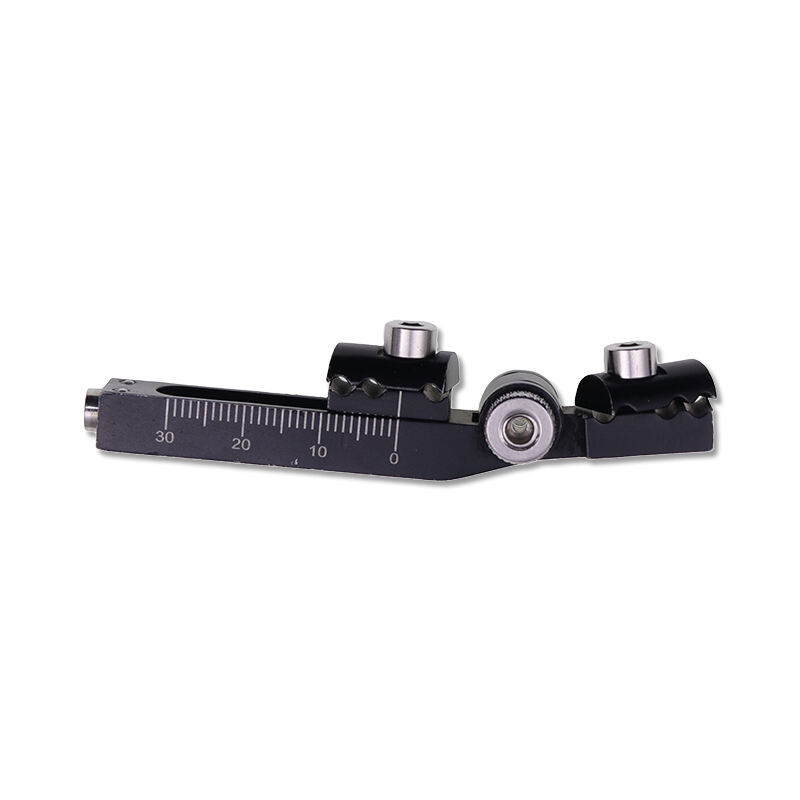
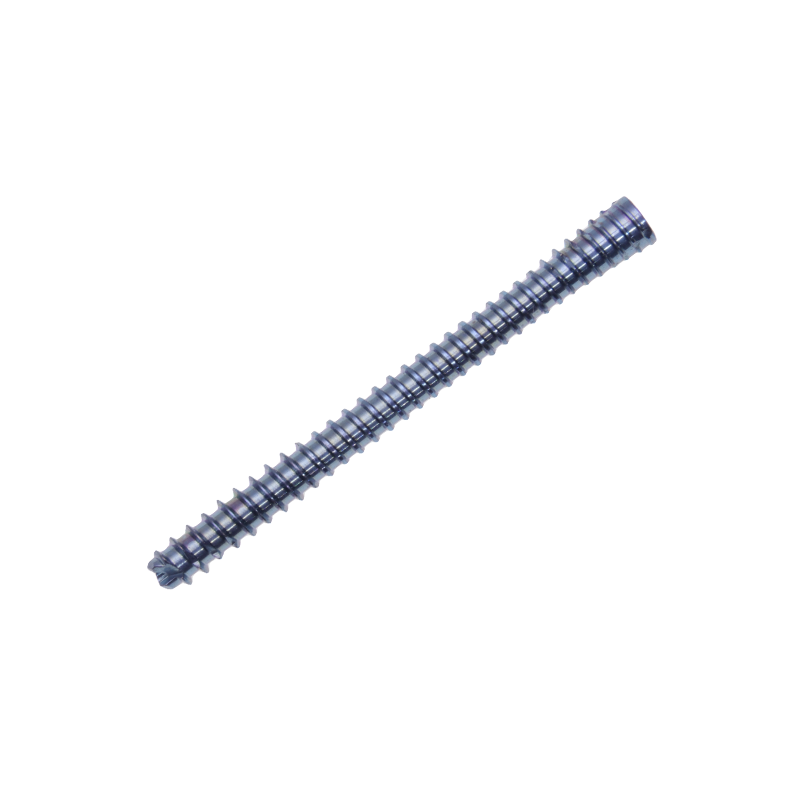
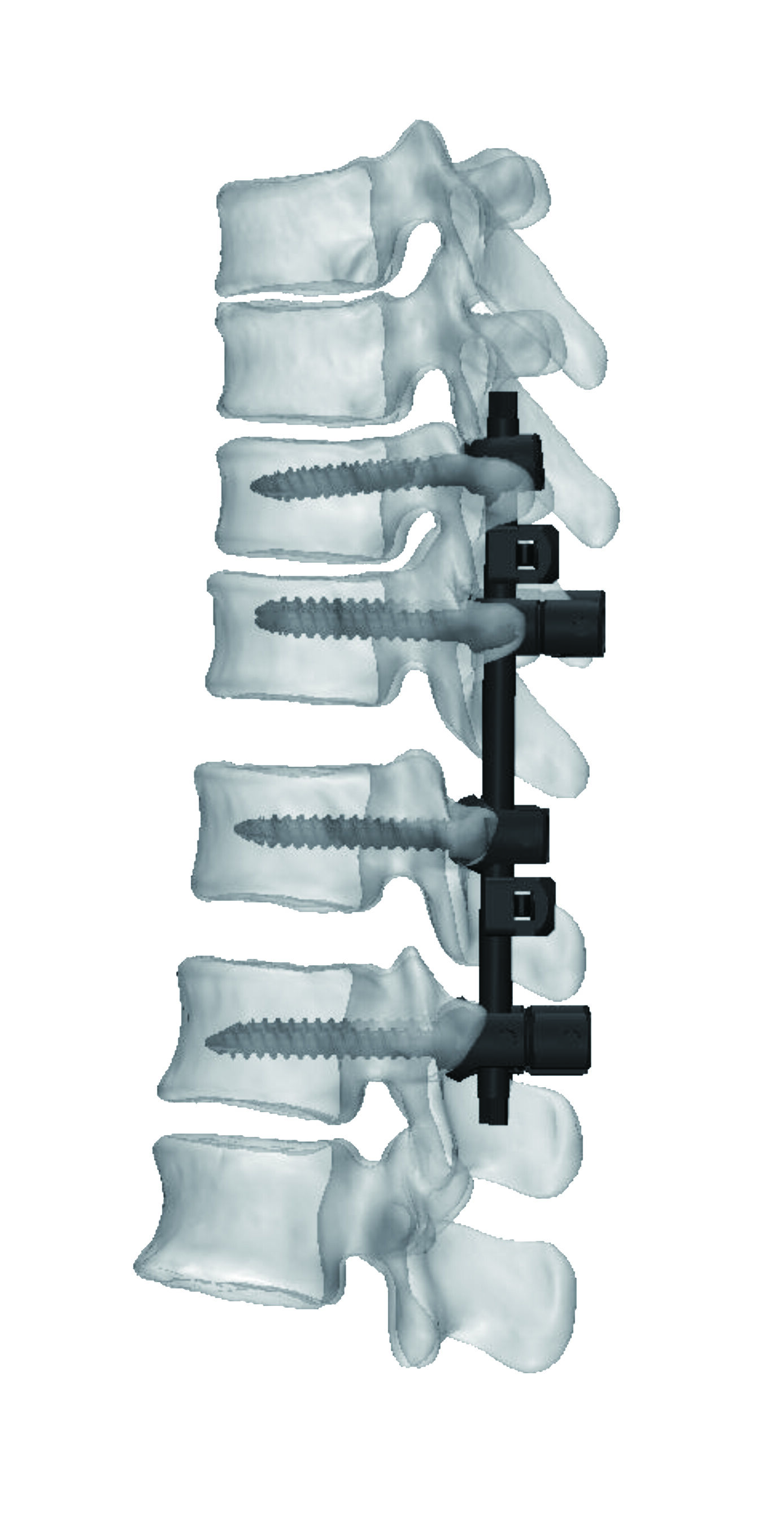
Orthopedic manufacturing represents a specialized sector dedicated to producing medical devices and implants that restore mobility and improve quality of life for patients with musculoskeletal conditions. This industry encompasses the design, development, and production of joint replacements, trauma fixation devices, spinal implants, orthobiologics, and surgical instruments. Orthopedic manufacturing combines precision engineering with biocompatible materials to create solutions that meet stringent regulatory standards and clinical requirements. The manufacturing process integrates advanced technologies including computer-aided design, additive manufacturing, CNC machining, and surface treatment processes to ensure exceptional quality and performance. Modern orthopedic manufacturing facilities employ sophisticated quality control systems that monitor every production stage, from raw material inspection to final product validation. These manufacturers work closely with surgeons, healthcare institutions, and research organizations to develop innovative solutions that address evolving clinical needs. The industry relies on materials such as titanium alloys, cobalt-chromium, stainless steel, and medical-grade polymers, each selected for specific mechanical properties and biocompatibility characteristics. Orthopedic manufacturing also involves rigorous testing protocols including mechanical strength evaluation, wear resistance analysis, and biocompatibility assessments to ensure patient safety. As the global population ages and demand for joint replacement procedures increases, orthopedic manufacturing continues to evolve, incorporating digital technologies, personalized implant solutions, and minimally invasive device designs that enhance surgical outcomes and accelerate patient recovery.

New Product Releases

Investing in quality orthopedic manufacturing delivers substantial benefits that directly impact healthcare outcomes and operational efficiency. First, precision-engineered devices reduce surgical complications and revision rates, translating to lower long-term healthcare costs and improved patient satisfaction. When you choose products from established orthopedic manufacturing sources, you gain access to implants and instruments that have undergone extensive validation, ensuring reliability during critical procedures. The manufacturing precision achieved through advanced machining and quality control systems means better fit, enhanced osseointegration, and longer implant lifespan, directly benefiting patients through reduced need for additional surgeries. From an operational perspective, partnering with reputable orthopedic manufacturing companies provides consistent product availability, comprehensive technical support, and streamlined procurement processes that improve hospital efficiency. These manufacturers offer extensive product portfolios that allow surgical teams to address diverse patient anatomies and pathologies with appropriate solutions, eliminating the need for multiple vendor relationships. The regulatory compliance embedded in professional orthopedic manufacturing processes protects healthcare institutions from liability risks and ensures adherence to international standards. Additionally, modern orthopedic manufacturing incorporates traceability systems that track every implant from production through implantation, supporting post-market surveillance and quality improvement initiatives. The innovation capacity of leading orthopedic manufacturing organizations means access to cutting-edge technologies such as patient-specific implants, bioactive surface treatments, and smart instrumentation that enhance surgical precision. For purchasing decision-makers, these advantages translate to predictable budgeting, reduced inventory complexity, improved surgical outcomes, and enhanced institutional reputation. The collaborative approach of quality orthopedic manufacturing partners includes surgeon education programs, case planning support, and continuous product refinement based on clinical feedback, creating lasting value beyond the initial purchase.

Latest News

Special Needs of Children's Bones: Design Philosophy of Pediatric Internal Fixation Systems

16

Dec

Special Needs of Children's Bones: Design Philosophy of Pediatric Internal Fixation Systems

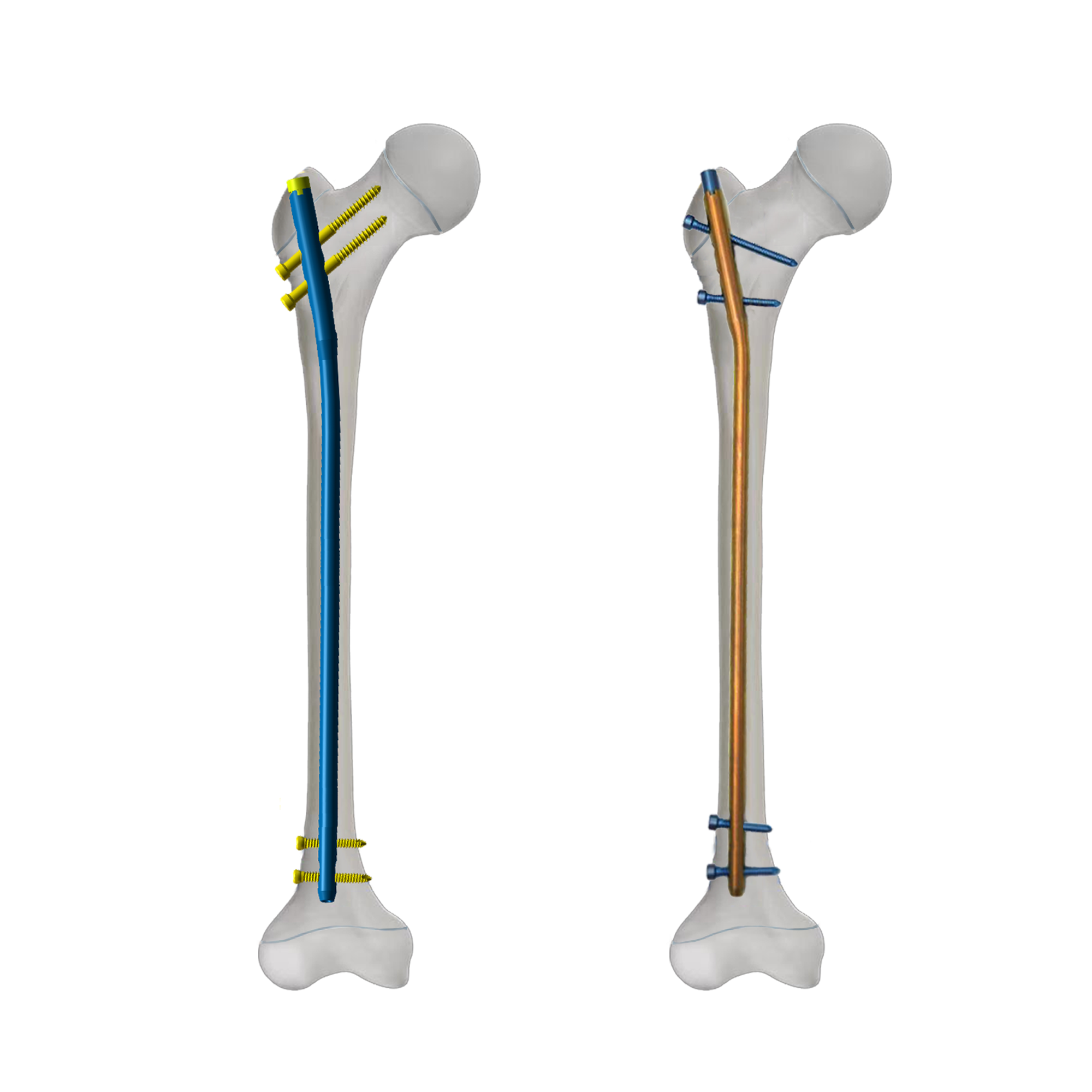
Children's bones present unique challenges that require specialized approaches in orthopedic surgery. Unlike adult skeletal structures, pediatric bones are constantly growing, adapting, and remodeling throughout development. When fractures or deformi...
View More
Taylor brace: a new choice for minimally invasive treatment of complex fracture repair

11

Feb

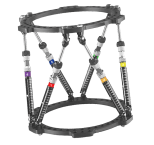
Taylor brace: a new choice for minimally invasive treatment of complex fracture repair

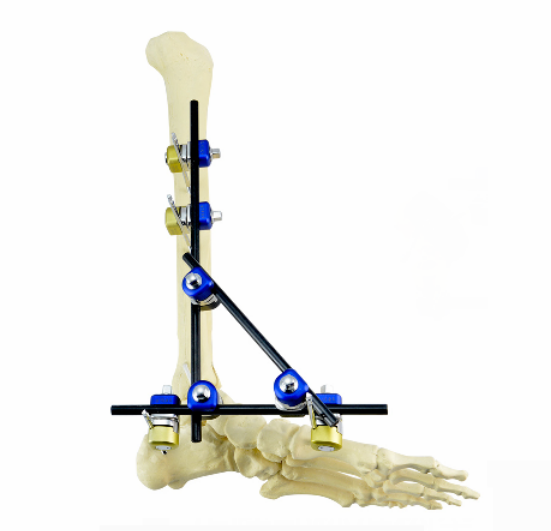
The Taylor brace represents a significant advancement in orthopedic trauma management, offering surgeons and patients a minimally invasive alternative for treating complex fracture repairs. This innovative external fixation system has transformed the...
View More
How to choose the appropriate size and thread of hollow screws?

11

Feb

How to choose the appropriate size and thread of hollow screws?

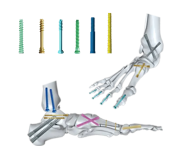
Selecting the right hollow screws for orthopedic procedures requires careful consideration of multiple factors that directly impact surgical outcomes and patient recovery. These specialized medical devices serve critical functions in bone fixation, t...
View More
Taylor brace: a new choice for minimally invasive treatment of complex fracture repair

15

Apr

Taylor brace: a new choice for minimally invasive treatment of complex fracture repair

The Taylor brace represents a significant advancement in orthopedic external fixation technology, offering surgeons and patients a minimally invasive solution for complex fracture repair scenarios. This innovative Taylor brace system combines precisi...
View More

Get a Free Quote

Our representative will contact you soon.
Email
Name
Company Name
Message
0/1000

orthopedic manufacturing

Advanced Precision Engineering Technology

Advanced Precision Engineering Technology

Orthopedic manufacturing employs state-of-the-art precision engineering technologies that ensure micrometer-level accuracy essential for implant performance and patient outcomes. Modern facilities utilize multi-axis CNC machining centers, electrical discharge machining, and laser cutting systems to create complex geometries that match anatomical requirements precisely. This technological sophistication allows orthopedic manufacturing to produce porous structures that promote bone ingrowth, intricate locking mechanisms for trauma plates, and articulating surfaces with exceptionally smooth finishes that minimize wear. The integration of additive manufacturing technologies, particularly selective laser melting and electron beam melting, has revolutionized orthopedic manufacturing by enabling the production of patient-specific implants and lattice structures that optimize stress distribution. These advanced manufacturing methods reduce material waste, shorten production cycles, and enable customization previously impossible with traditional techniques. Quality assurance systems incorporating coordinate measuring machines, optical scanners, and non-destructive testing ensure every component meets exact specifications before reaching the operating room, providing surgeons with confidence in device performance.
Biocompatible Material Expertise

Biocompatible Material Expertise

The success of orthopedic manufacturing hinges on deep expertise in biocompatible materials that must perform reliably within the human body for decades. Leading orthopedic manufacturing organizations maintain comprehensive material science capabilities, selecting and processing titanium alloys, cobalt-chromium compounds, ultra-high-molecular-weight polyethylene, and bioceramics based on specific application requirements. This expertise extends beyond material selection to include specialized surface treatments such as plasma spraying, anodization, and hydroxyapatite coating that enhance osseointegration and reduce infection risk. Orthopedic manufacturing professionals understand the critical relationship between material properties, processing parameters, and clinical performance, ensuring that fatigue resistance, corrosion resistance, and wear characteristics meet demanding biomechanical environments. The rigorous material testing protocols employed in orthopedic manufacturing include biocompatibility studies, mechanical property verification, and accelerated aging simulations that predict long-term performance. This materials expertise enables manufacturers to develop next-generation solutions incorporating antibacterial properties, drug-eluting capabilities, and biomimetic surfaces that actively promote healing, delivering superior clinical outcomes.
Regulatory Compliance and Quality Assurance

Regulatory Compliance and Quality Assurance

Professional orthopedic manufacturing operates within stringent regulatory frameworks that protect patient safety and ensure consistent product quality across all markets. Manufacturers maintain certifications including ISO 13485, FDA registration, and CE marking, demonstrating adherence to internationally recognized quality management systems specifically designed for medical devices. The comprehensive documentation systems inherent in orthopedic manufacturing provide complete traceability from raw material sourcing through finished product distribution, enabling rapid response to any quality concerns and supporting post-market surveillance requirements. Quality assurance in orthopedic manufacturing encompasses validated manufacturing processes, environmental controls, sterilization validation, and shelf-life studies that guarantee product integrity throughout its lifecycle. Regular internal audits, management reviews, and continuous improvement initiatives ensure orthopedic manufacturing facilities maintain the highest standards and incorporate lessons learned from clinical feedback. This commitment to regulatory compliance and quality assurance provides healthcare institutions with confidence that devices will perform as intended, reducing liability exposure and supporting positive patient outcomes. The robust quality culture embedded in professional orthopedic manufacturing creates a foundation of trust essential for long-term partnerships.
logo