PEEK Orthopedic Implants | Advanced Solutions

Get a Free Quote

Our representative will contact you soon.
Email
Name
Company Name
Message
0/1000

peek orthopedic implants

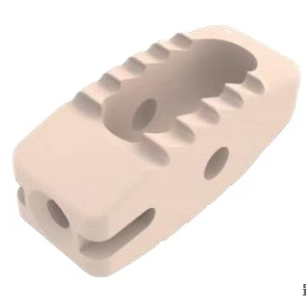
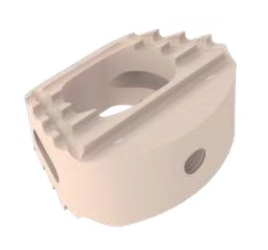
PEEK orthopedic implants represent a revolutionary advancement in modern surgical solutions, utilizing polyetheretherketone polymer technology to address complex bone and joint reconstruction needs. These medical devices are engineered specifically for spinal fusion procedures, trauma fixation, and joint replacement applications where traditional metal implants may present limitations. The primary functions of peek orthopedic implants include providing structural support during bone healing, maintaining proper anatomical alignment, and facilitating biological integration with surrounding tissue. The technological features of these implants center on their unique radiolucent properties, allowing clear visualization of bone healing progress through standard imaging techniques without metal artifacts. PEEK orthopedic implants possess an elastic modulus closely matching natural bone, reducing stress shielding effects that commonly occur with titanium or steel alternatives. Their chemical inertness ensures biocompatibility and resistance to bodily fluids, minimizing adverse reactions. Applications span across spinal interbody cages, anterior cervical plates, craniomaxillofacial reconstruction, and load-bearing orthopedic devices. Surgeons favor peek orthopedic implants for revision surgeries where MRI compatibility is essential for postoperative monitoring. The material's versatility allows manufacturers to create patient-specific implants through advanced manufacturing processes, ensuring optimal fit and functional outcomes. These implants maintain mechanical stability across physiological temperature ranges while offering superior wear resistance compared to conventional polymers, making them suitable for long-term implantation in demanding orthopedic environments.

New Product Releases

The practical benefits of peek orthopedic implants deliver significant value for patients, healthcare providers, and surgical teams seeking optimal treatment outcomes. First, their radiolucency eliminates imaging interference, allowing physicians to accurately assess bone fusion progress and detect potential complications early without implant-related shadows or distortions on X-rays and CT scans. This transparency improves diagnostic confidence and reduces the need for revision procedures. Second, the bone-like mechanical properties of peek orthopedic implants create a more natural load distribution across treated areas, promoting healthier bone remodeling and reducing the risk of implant subsidence or migration. Patients experience fewer complications related to stress concentration that metal implants often cause. Third, MRI compatibility represents a crucial operational benefit, as peek orthopedic implants generate minimal magnetic susceptibility artifacts, enabling comprehensive postoperative imaging for unrelated conditions without compromising image quality. This feature proves invaluable for patients requiring long-term medical monitoring. Fourth, the lightweight nature of these implants enhances patient comfort and reduces the sensation of foreign material within the body. Fifth, chemical stability ensures peek orthopedic implants resist degradation from sterilization processes and bodily environments, maintaining structural integrity throughout their service life. The material's non-allergenic properties eliminate concerns about metal sensitivity reactions that affect certain patient populations. Sixth, these implants facilitate biological integration through surface modifications that encourage bone growth directly onto the implant surface, accelerating healing timelines. Finally, the versatility of peek orthopedic implants allows surgeons to select from various designs tailored to specific anatomical requirements, improving procedural efficiency and patient-specific treatment strategies while reducing inventory complexity for medical facilities.

Practical Tips

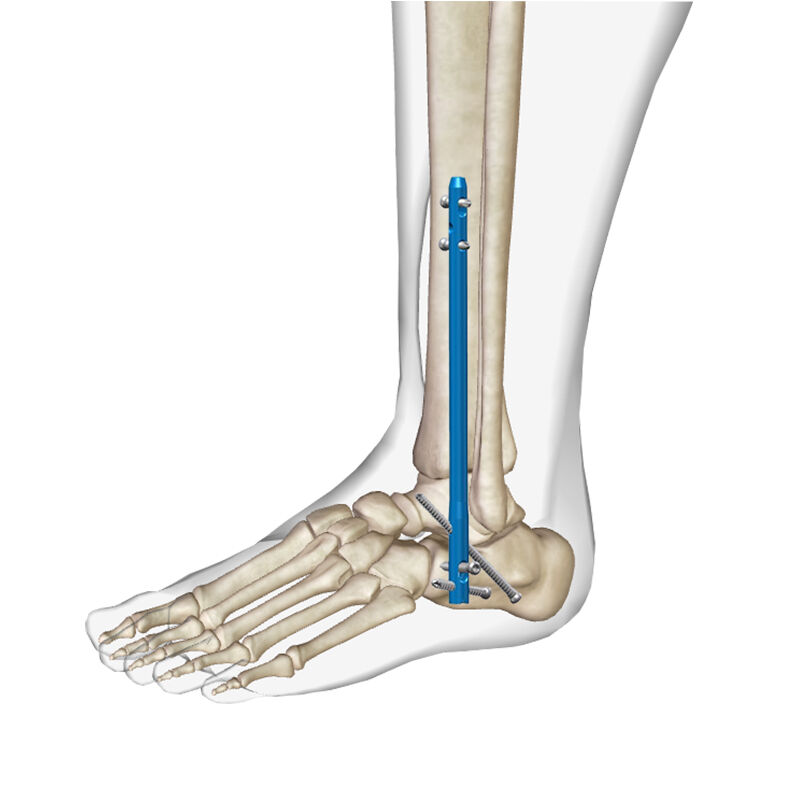
Application analysis of intramedullary nail system in ankle joint fusion

16

Dec

Application analysis of intramedullary nail system in ankle joint fusion

The evolution of orthopedic surgical techniques has brought significant advancements in treating complex ankle pathologies, particularly through the implementation of modern fixation systems. An intramedullary nail system represents a revolutionary a...
View More
Evolution of Intervertebral Fusion Device Materials: Clinical Efficacy Comparison between PEEK and Titanium Alloy

13

Jan

Evolution of Intervertebral Fusion Device Materials: Clinical Efficacy Comparison between PEEK and Titanium Alloy

The advancement of spinal surgery has been significantly influenced by the development of sophisticated intervertebral fusion device technologies. Modern spine surgeons rely heavily on these devices to achieve successful fusion outcomes while minimiz...
View More
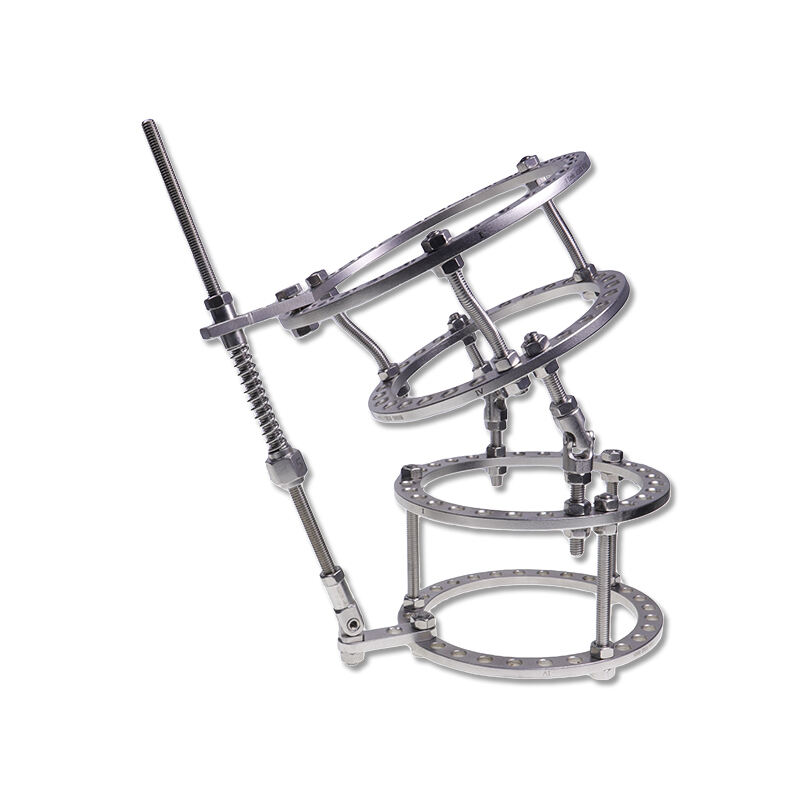
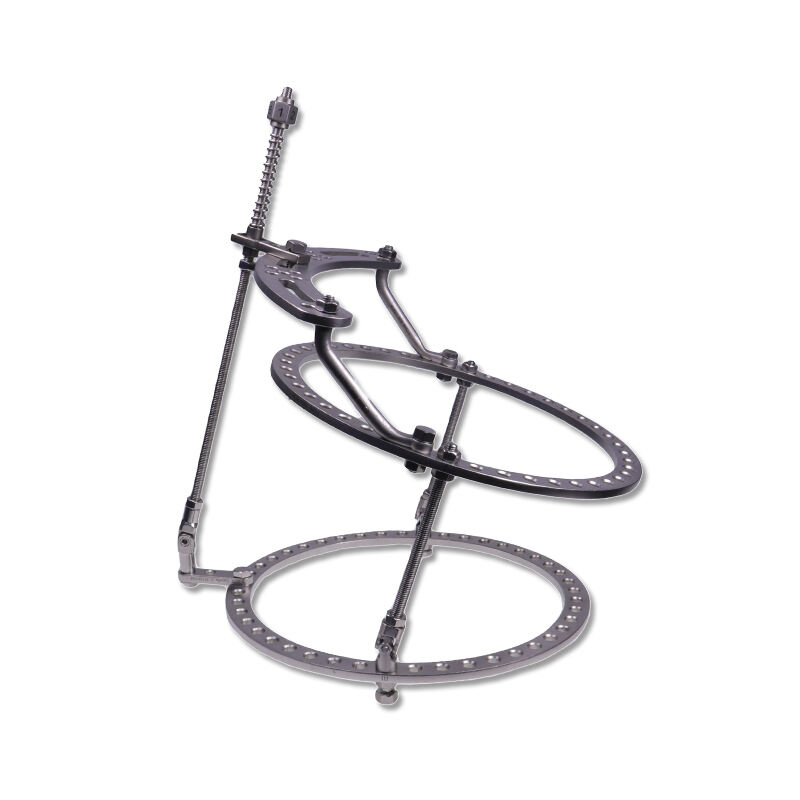
Treatment of osteomyelitis and tibial pseudarthrosis: The advantages of the Ilizarov frame

06

Mar

Treatment of osteomyelitis and tibial pseudarthrosis: The advantages of the Ilizarov frame

The treatment of complex orthopedic conditions such as osteomyelitis and tibial pseudarthrosis presents significant challenges that require innovative surgical approaches. Among the most effective solutions available to orthopedic surgeons today is t...
View More
The application advantages of modular braces in ankle fractures

15

Apr

The application advantages of modular braces in ankle fractures

Ankle fractures represent one of the most challenging orthopedic injuries to manage effectively, requiring precise stabilization and controlled healing environments. Traditional casting methods often fall short in providing the dynamic support and ad...
View More

Get a Free Quote

Our representative will contact you soon.
Email
Name
Company Name
Message
0/1000

peek orthopedic implants

Superior Imaging Compatibility for Enhanced Clinical Monitoring

Superior Imaging Compatibility for Enhanced Clinical Monitoring

PEEK orthopedic implants deliver unmatched imaging transparency that fundamentally transforms postoperative care and long-term patient management. Unlike metallic alternatives that create significant artifacts and blind spots on diagnostic images, these advanced polymer implants remain virtually invisible to X-ray, CT, and MRI technologies. This characteristic enables medical professionals to obtain crystal-clear views of the surgical site, accurately monitoring bone fusion progress, identifying potential complications, and assessing healing quality without visual obstruction. The radiolucent nature proves particularly valuable in complex spinal procedures where precise evaluation of interbody fusion is critical to treatment success. Surgeons can confidently verify implant positioning and bone graft incorporation through standard imaging protocols. For patients requiring ongoing medical surveillance for unrelated conditions, peek orthopedic implants ensure that future diagnostic procedures remain uncompromised by imaging interference. This benefit extends throughout the patient's lifetime, eliminating concerns about artifact-related diagnostic challenges. The MRI compatibility specifically addresses the growing need for soft tissue evaluation in orthopedic patients, allowing neurological assessments and cancer screenings without implant-related limitations. Healthcare facilities benefit from streamlined diagnostic workflows, as radiologists can interpret images with greater accuracy and confidence, reducing the need for specialized imaging sequences or alternative modalities that increase costs and patient inconvenience.
Biomechanically Optimized for Natural Bone Integration

Biomechanically Optimized for Natural Bone Integration

The mechanical properties of peek orthopedic implants represent a breakthrough in orthopedic biomechanics, closely mimicking natural bone characteristics to promote optimal healing environments. With an elastic modulus ranging from 3 to 4 GPa, these implants match cortical bone stiffness far better than titanium or stainless steel alternatives that exceed 100 GPa. This similarity eliminates stress shielding phenomena where excessively rigid implants absorb loads that should stimulate bone remodeling, potentially leading to bone resorption and implant loosening over time. Patients receiving peek orthopedic implants experience more physiological load transfer, encouraging healthy bone adaptation and long-term structural stability. The material's flexibility under physiological loads reduces the risk of implant fracture while maintaining sufficient strength for weight-bearing applications. Surface treatments enhance osseointegration capabilities, allowing direct bone apposition to the implant interface and creating biological fixation that improves with time rather than degrading. This biomechanical compatibility extends to fatigue resistance, as peek orthopedic implants withstand millions of loading cycles without mechanical failure or property degradation. Surgeons appreciate the predictable performance characteristics that simplify preoperative planning and reduce revision surgery rates. The subsidence resistance inherent in properly designed PEEK implants maintains vertebral height in spinal applications and joint spacing in arthroplasty procedures, preserving anatomical relationships critical to functional outcomes and patient satisfaction.
Versatile Manufacturing Enables Patient-Specific Solutions

Versatile Manufacturing Enables Patient-Specific Solutions

Modern manufacturing capabilities have transformed peek orthopedic implants into highly customizable solutions that address individual patient anatomies and specific clinical challenges. Advanced processing techniques including injection molding, machining, and additive manufacturing allow implant designers to create complex geometries that conform precisely to unique bone contours and surgical requirements. This customization capability proves essential in revision procedures, tumor reconstruction cases, and congenital deformity corrections where standard implant designs cannot adequately address anatomical variations. Peek orthopedic implants can incorporate porous structures that enhance biological fixation, integrate antibiotic-eluting capabilities for infection prevention, or combine with bioactive coatings that accelerate bone ingrowth. The material accepts sterilization through various methods including gamma radiation, ethylene oxide, and autoclave processes without degradation, ensuring safety across different healthcare settings and regulatory environments. Manufacturers can optimize implant dimensions, surface textures, and mechanical properties for specific applications ranging from load-bearing spinal cages to delicate craniofacial reconstruction plates. This design flexibility reduces surgical complications by ensuring optimal implant fit, minimizes operative time through intuitive placement characteristics, and improves patient outcomes through biomechanically sound constructs. Healthcare facilities benefit from reduced inventory requirements as versatile peek orthopedic implants can address multiple clinical scenarios, streamlining procurement processes and reducing costs while maintaining comprehensive treatment capabilities for diverse patient populations requiring orthopedic intervention.

logo