Orthopedic Implants and Instruments Guide

Get a Free Quote

Our representative will contact you soon.
Email
Name
Company Name
Message
0/1000

orthopedic implants and instruments

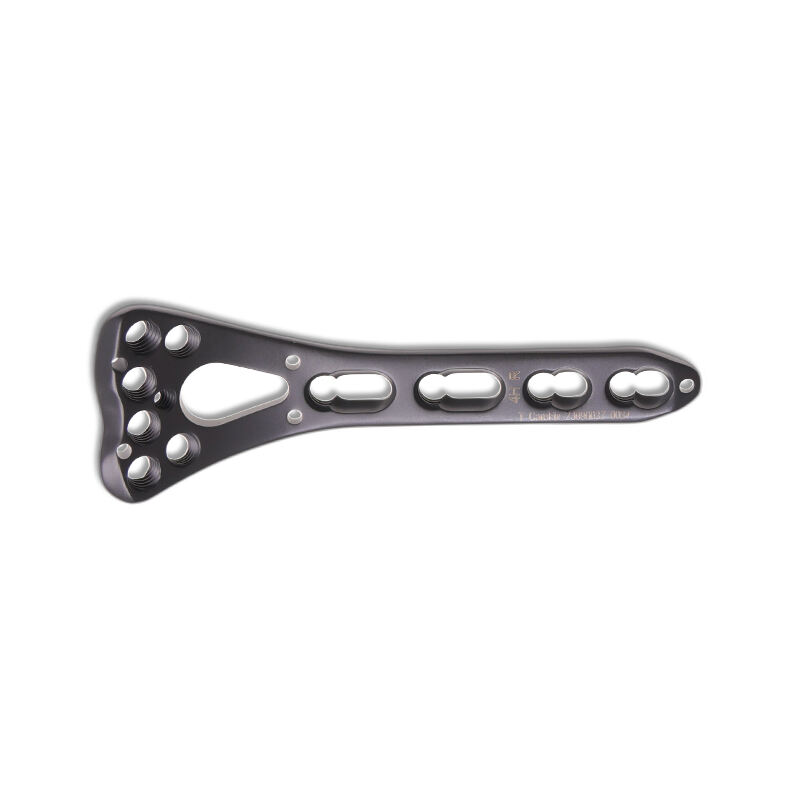
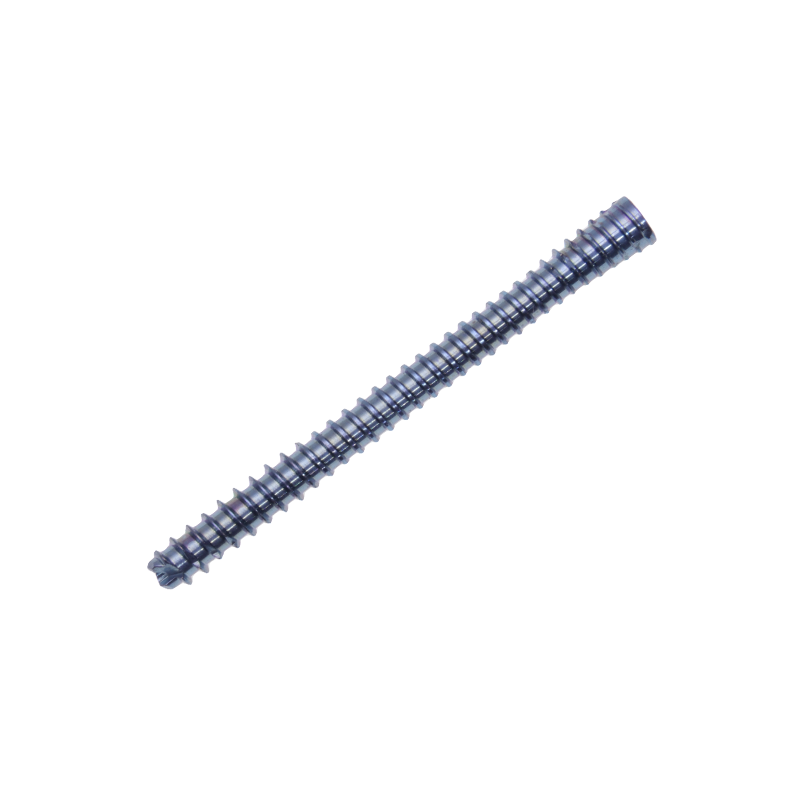
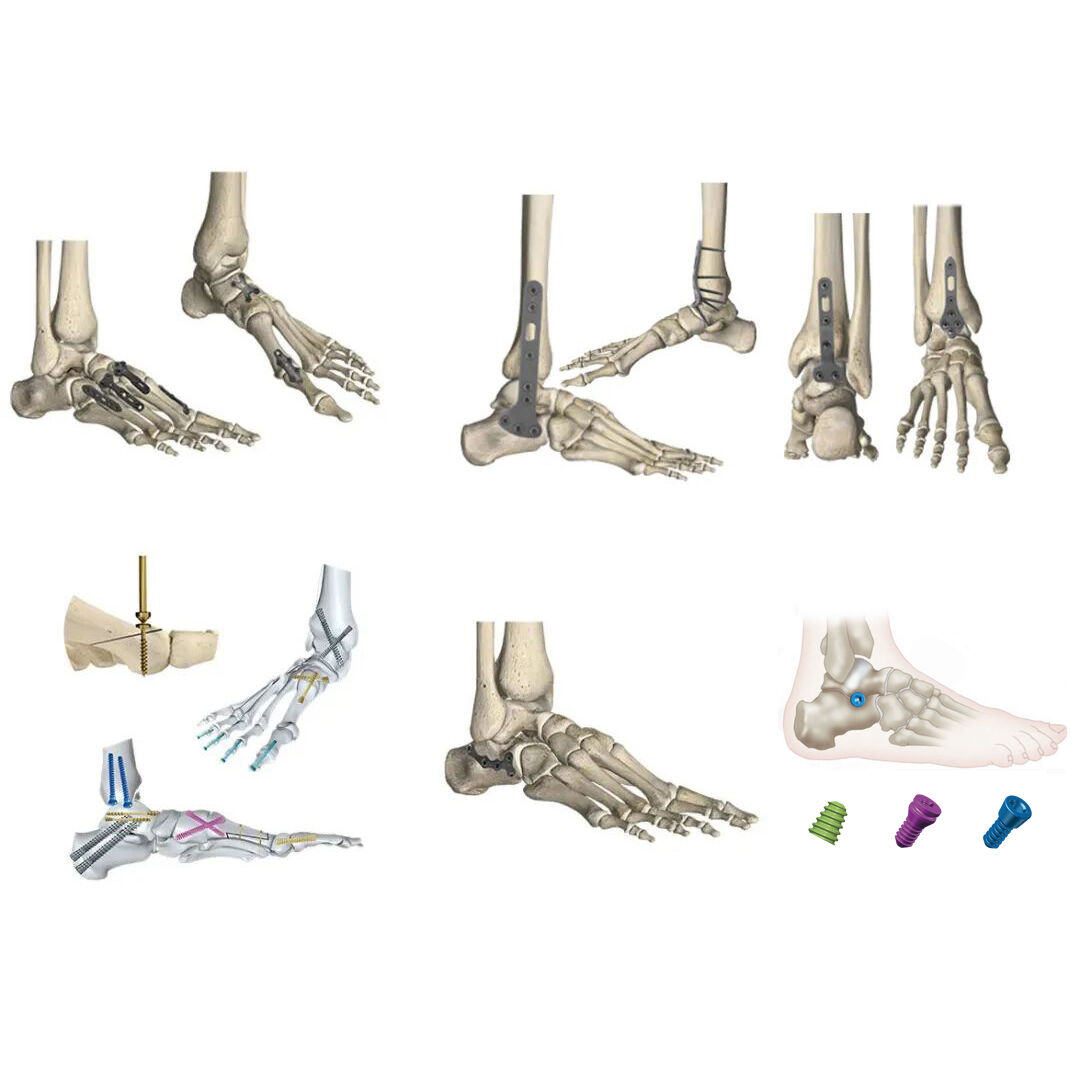
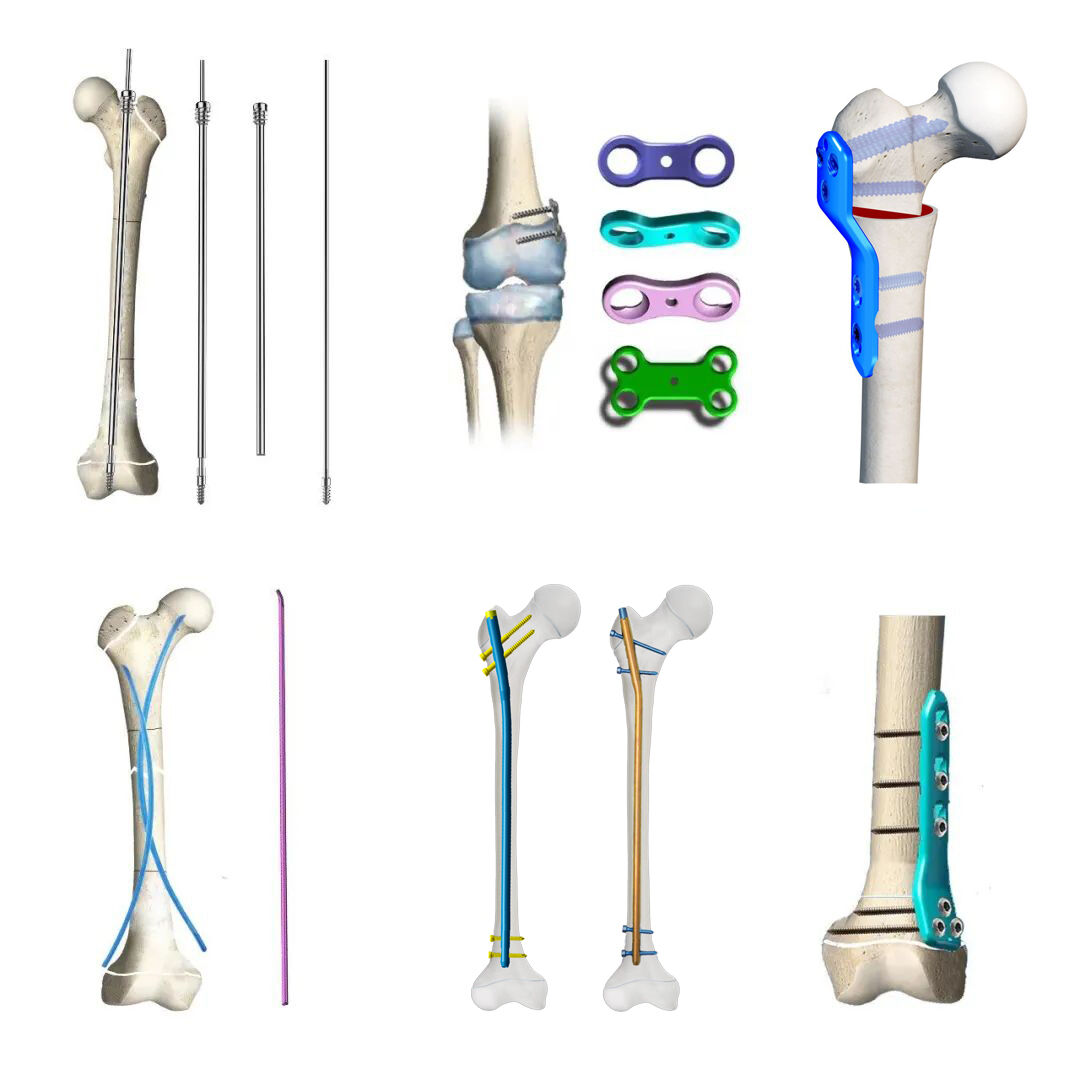
Orthopedic implants and instruments represent critical medical technologies designed to restore mobility, alleviate pain, and repair musculoskeletal conditions. These specialized devices encompass a comprehensive range of solutions including joint replacement systems, trauma fixation plates, spinal fusion hardware, bone screws, and precision surgical tools. Orthopedic implants and instruments serve essential functions in treating fractures, degenerative joint diseases, spinal disorders, and sports-related injuries. The technological features of modern orthopedic implants and instruments include biocompatible materials such as titanium alloys, cobalt-chromium compounds, and medical-grade polymers that integrate seamlessly with human bone tissue. Advanced surface treatments enhance osseointegration, promoting faster healing and long-term stability. Instrument sets feature ergonomic designs with intuitive handling characteristics, enabling surgeons to perform complex procedures with enhanced precision and control. Applications span multiple medical specialties, from total hip and knee arthroplasty to complex spinal reconstruction and fracture management. Contemporary orthopedic implants and instruments incorporate innovative locking mechanisms, modular components, and patient-specific sizing options to accommodate diverse anatomical variations. The manufacturing processes adhere to stringent international quality standards, ensuring consistent performance and reliability. These devices facilitate minimally invasive surgical approaches, reducing tissue trauma and accelerating patient recovery timelines. Whether addressing age-related joint deterioration, traumatic bone injuries, or congenital skeletal abnormalities, orthopedic implants and instruments provide surgeons with dependable tools to achieve optimal clinical outcomes and significantly improve patients' quality of life through restored function and reduced discomfort.

New Product Recommendations

Investing in quality orthopedic implants and instruments delivers substantial practical benefits that directly impact surgical success rates and patient satisfaction. Healthcare facilities gain operational advantages through reduced procedure times, as precision-engineered instruments streamline surgical workflows and minimize unnecessary steps. The durability of premium orthopedic implants and instruments translates to lower replacement costs and fewer revision surgeries, creating long-term financial value for medical institutions. Surgeons experience enhanced procedural confidence when working with reliable tools that deliver consistent performance across diverse case complexities. Patients benefit from faster recovery periods, decreased post-operative complications, and improved functional outcomes that restore independence and mobility. The biocompatibility of modern materials significantly reduces rejection risks and inflammatory responses, promoting natural bone growth around implanted devices. Comprehensive instrument sets eliminate the need for multiple suppliers, simplifying inventory management and ensuring compatibility across system components. Application suitability extends across various patient demographics, from pediatric cases requiring growth-accommodating designs to geriatric patients needing robust fixation in compromised bone quality. The decision to select advanced orthopedic implants and instruments reflects a commitment to clinical excellence and patient-centered care. Facilities utilizing these technologies often experience enhanced reputations, attracting top surgical talent and expanding referral networks. The traceability features embedded in contemporary systems support regulatory compliance and quality assurance protocols. Sterility maintenance becomes straightforward with properly designed instrument trays and packaging systems. Training requirements decrease as intuitive designs reduce learning curves for surgical teams. Ultimately, orthopedic implants and instruments represent strategic investments that balance upfront costs against sustained improvements in patient outcomes, operational efficiency, and institutional competitiveness within the healthcare marketplace.

Latest News

Cannulated Screw Types: Features and Benefits Explained

16

Dec

Cannulated Screw Types: Features and Benefits Explained

Orthopedic surgery has evolved significantly over the past decades, with advances in implant technology playing a crucial role in improving patient outcomes. Among these innovations, the cannulated screw stands out as a versatile and highly effective...
View More
Special Needs of Children's Bones: Design Philosophy of Pediatric Internal Fixation Systems

16

Dec

Special Needs of Children's Bones: Design Philosophy of Pediatric Internal Fixation Systems

Children's bones present unique challenges that require specialized approaches in orthopedic surgery. Unlike adult skeletal structures, pediatric bones are constantly growing, adapting, and remodeling throughout development. When fractures or deformi...
View More
How to choose the appropriate size and thread of hollow screws?

11

Feb

How to choose the appropriate size and thread of hollow screws?

Selecting the right hollow screws for orthopedic procedures requires careful consideration of multiple factors that directly impact surgical outcomes and patient recovery. These specialized medical devices serve critical functions in bone fixation, t...
View More
Treatment of osteomyelitis and tibial pseudarthrosis: The advantages of the Ilizarov frame

06

Mar

Treatment of osteomyelitis and tibial pseudarthrosis: The advantages of the Ilizarov frame

The treatment of complex orthopedic conditions such as osteomyelitis and tibial pseudarthrosis presents significant challenges that require innovative surgical approaches. Among the most effective solutions available to orthopedic surgeons today is t...
View More

Get a Free Quote

Our representative will contact you soon.
Email
Name
Company Name
Message
0/1000

orthopedic implants and instruments

Advanced Material Engineering for Superior Biocompatibility

Advanced Material Engineering for Superior Biocompatibility

The cornerstone advantage of modern orthopedic implants and instruments lies in their sophisticated material composition, which directly influences clinical success and patient safety. Manufacturers employ titanium alloys and cobalt-chromium compounds that exhibit exceptional strength-to-weight ratios while maintaining complete biocompatibility with human physiology. These materials resist corrosion in the body's biochemical environment, preventing toxic metal ion release that could trigger adverse reactions. Surface modification technologies create microporous textures that encourage bone cells to attach and proliferate, establishing secure biological fixation without relying solely on mechanical interlock. The careful selection of medical-grade polymers for bearing surfaces reduces friction in joint replacements, extending implant longevity and minimizing wear debris generation. This material excellence ensures orthopedic implants and instruments perform reliably throughout their intended service life, reducing the likelihood of premature failure and the need for complex revision procedures. Patients experience fewer complications, shorter hospital stays, and more predictable recovery trajectories when treated with devices manufactured from these advanced materials, making them invaluable assets in contemporary orthopedic practice.
Precision Instrumentation for Enhanced Surgical Accuracy

Precision Instrumentation for Enhanced Surgical Accuracy

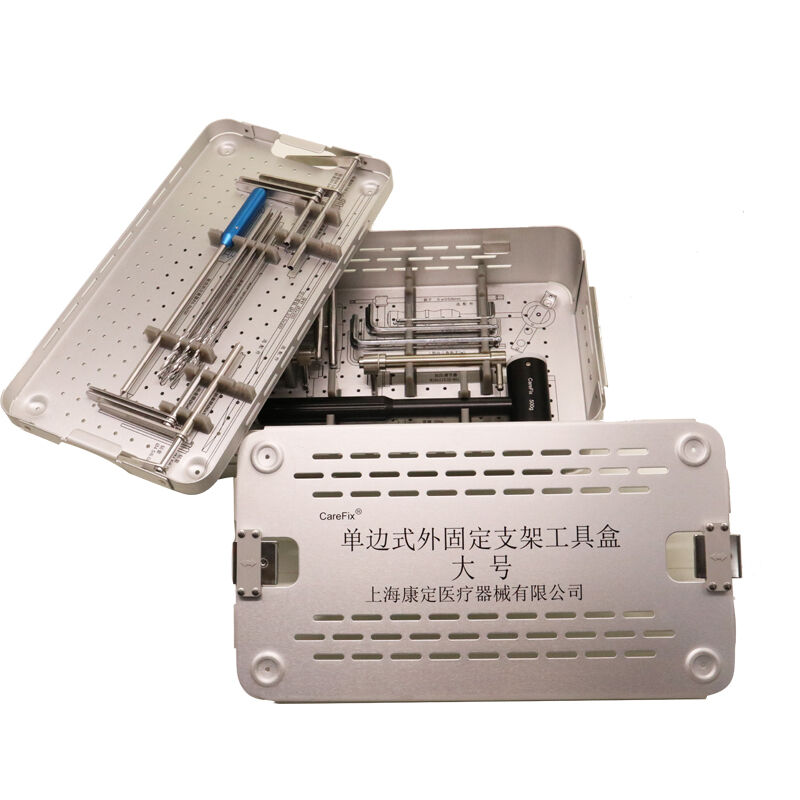
The instrument component of orthopedic implants and instruments systems deserves particular attention for its role in achieving surgical precision and procedural efficiency. Specialized cutting guides, alignment jigs, and insertion tools transform complex anatomical procedures into manageable, reproducible steps that reduce surgeon fatigue and minimize human error. Ergonomic handle designs distribute force evenly across the surgeon's hand, enabling sustained concentration during lengthy operations without compromising control. Calibrated measurement devices ensure accurate component sizing and positioning, critical factors that determine joint mechanics and long-term functional outcomes. The modular nature of comprehensive instrument sets allows customization for specific surgical approaches, whether traditional open techniques or minimally invasive alternatives. Radiographic markers integrated into certain tools facilitate intraoperative imaging verification, confirming proper placement before final fixation. This instrumental precision directly correlates with reduced operative times, decreased blood loss, and lower infection risks. For healthcare facilities, efficient procedures translate to increased surgical throughput and optimized operating room utilization. The reliability of properly designed orthopedic implants and instruments gives surgical teams confidence to tackle complex cases that might otherwise require referral to specialized centers.
Comprehensive System Integration for Seamless Clinical Workflows

Comprehensive System Integration for Seamless Clinical Workflows

A distinguishing characteristic of superior orthopedic implants and instruments is their development as integrated systems rather than isolated components, creating seamless clinical workflows from preoperative planning through postoperative follow-up. Compatible sizing across implant families allows surgeons to adjust intraoperatively based on actual anatomical findings without compromising stability or requiring alternative equipment. Standardized connection interfaces between instruments and implants eliminate compatibility concerns that could delay procedures or compromise outcomes. Color-coded organization systems and intuitive tray layouts reduce setup time for surgical staff while minimizing the risk of instrument miscounts. Comprehensive documentation packages accompanying orthopedic implants and instruments include surgical technique guides, sizing charts, and troubleshooting resources that support consistent application across different users and facilities. Digital integration capabilities enable modern systems to interface with surgical navigation platforms and robotic assistance technologies, positioning practices at the forefront of technological advancement. This systematic approach extends to inventory management, with efficient tracking systems that prevent stockouts of critical components while avoiding excessive inventory carrying costs. The coordinated design philosophy underlying integrated orthopedic implants and instruments reduces cognitive load on surgical teams, allowing focus on patient-specific anatomical challenges rather than equipment logistics.
logo