trauma implants
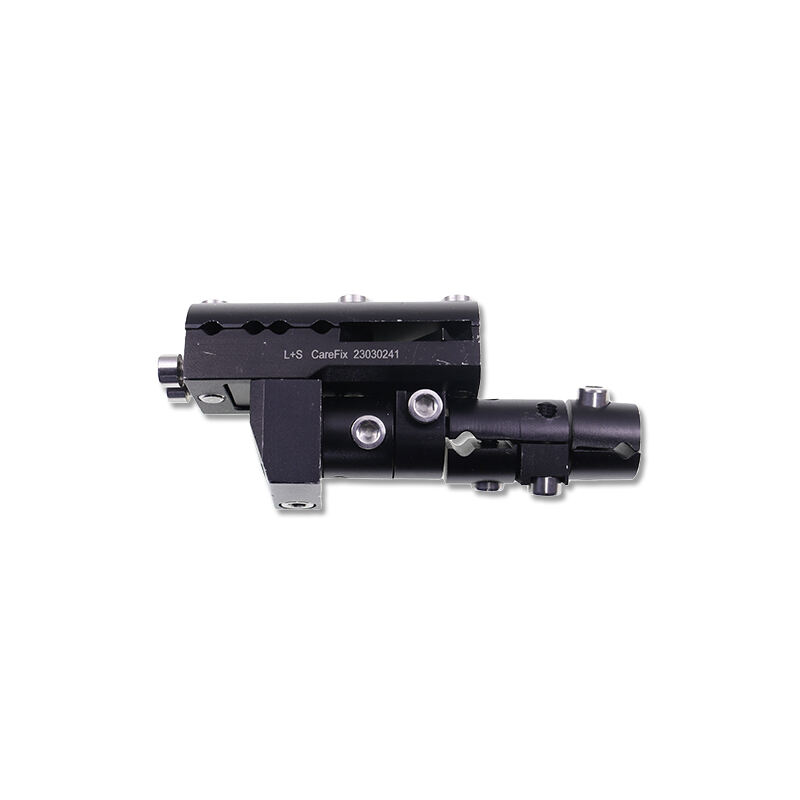
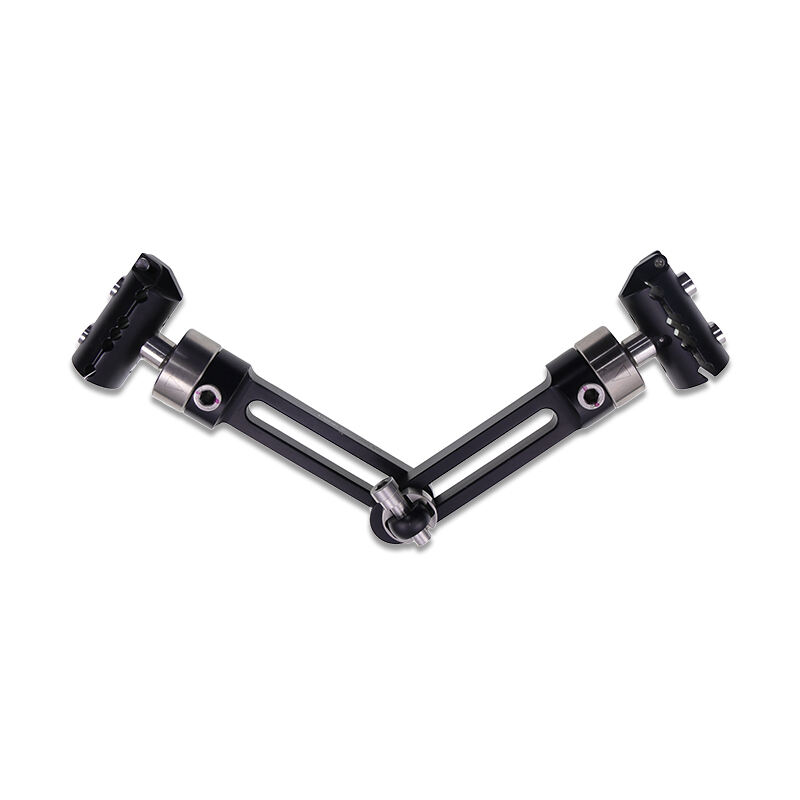
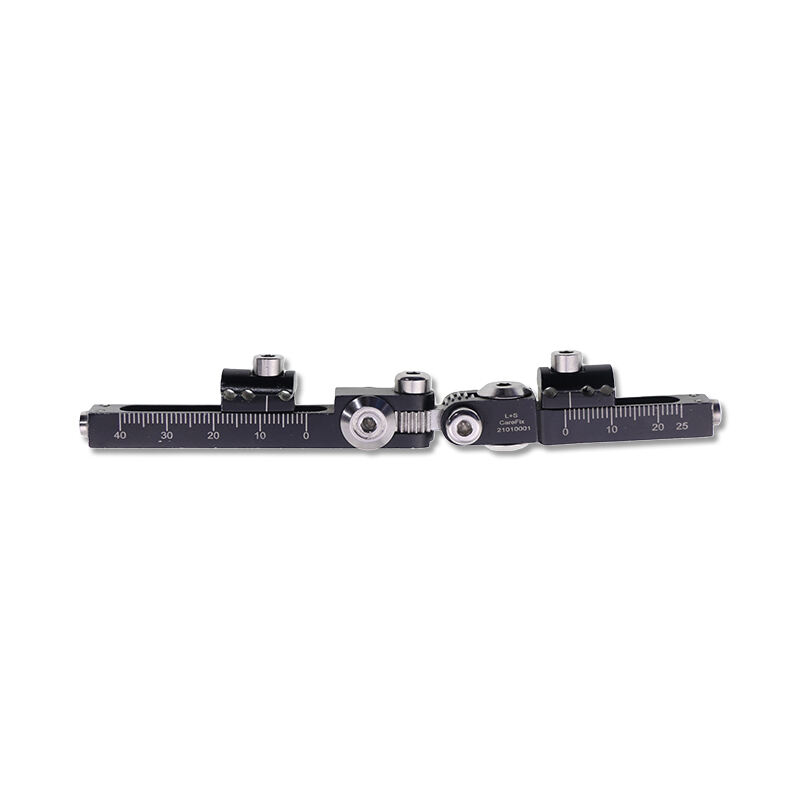
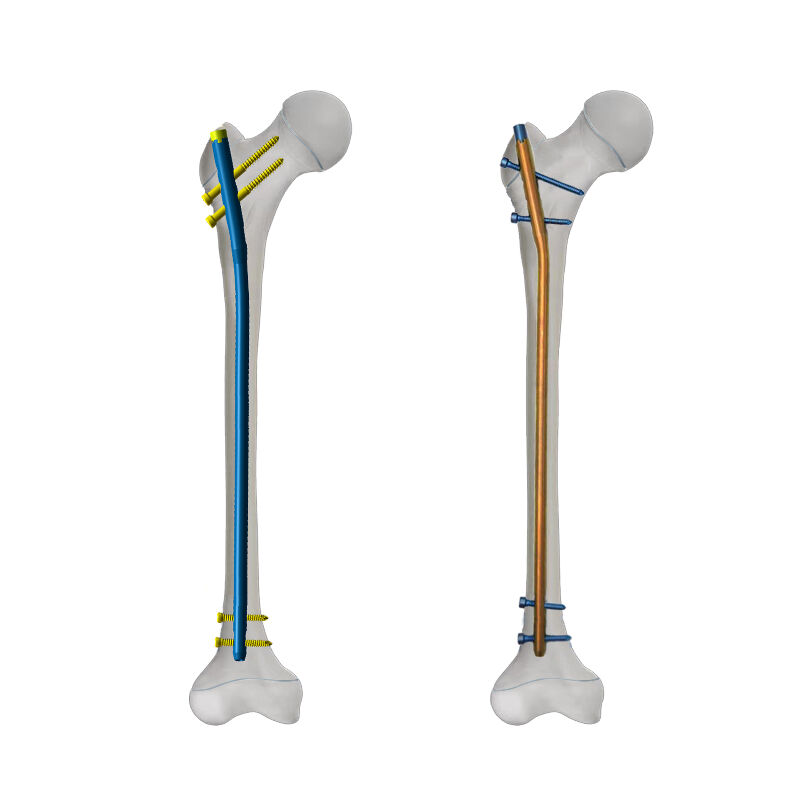
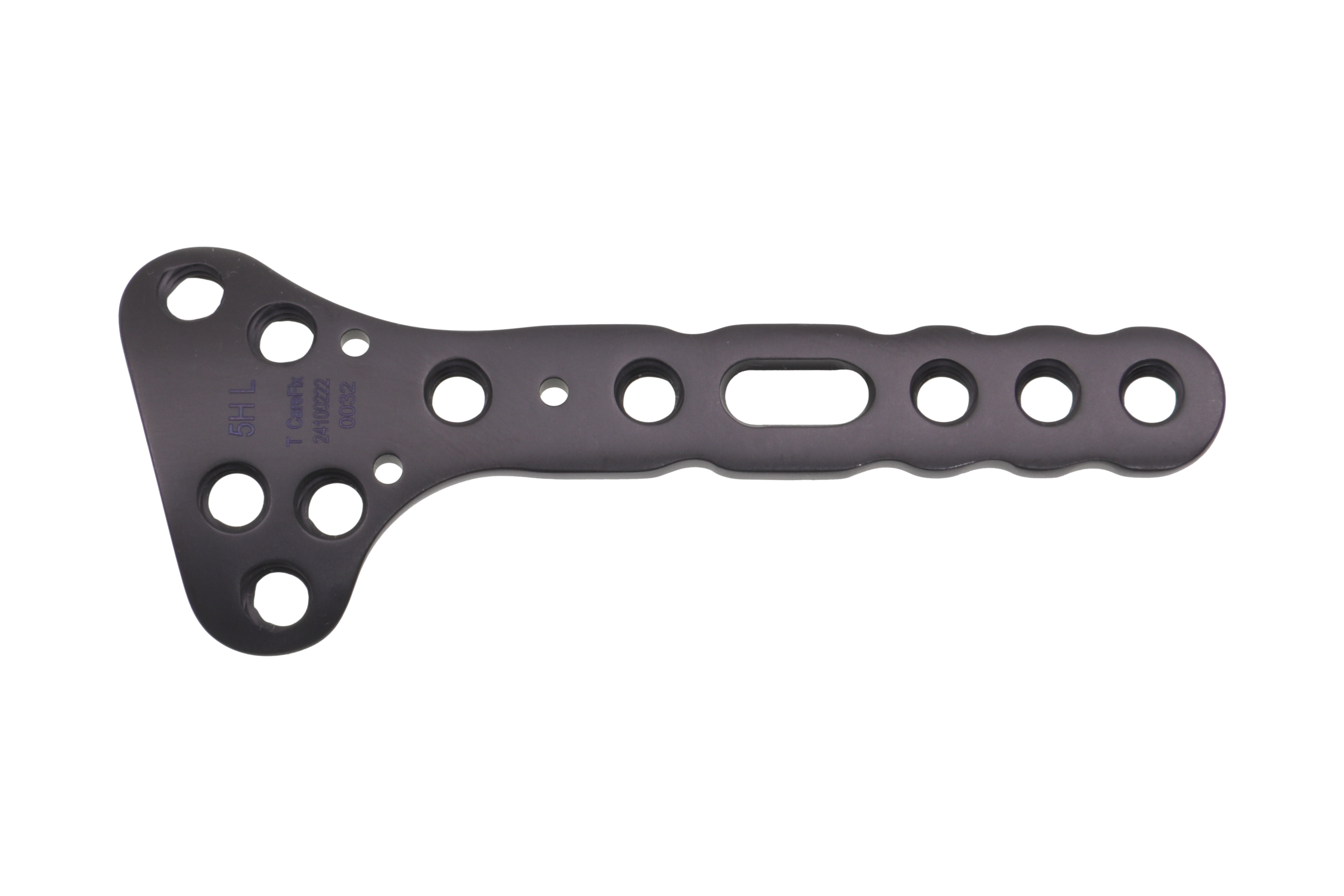
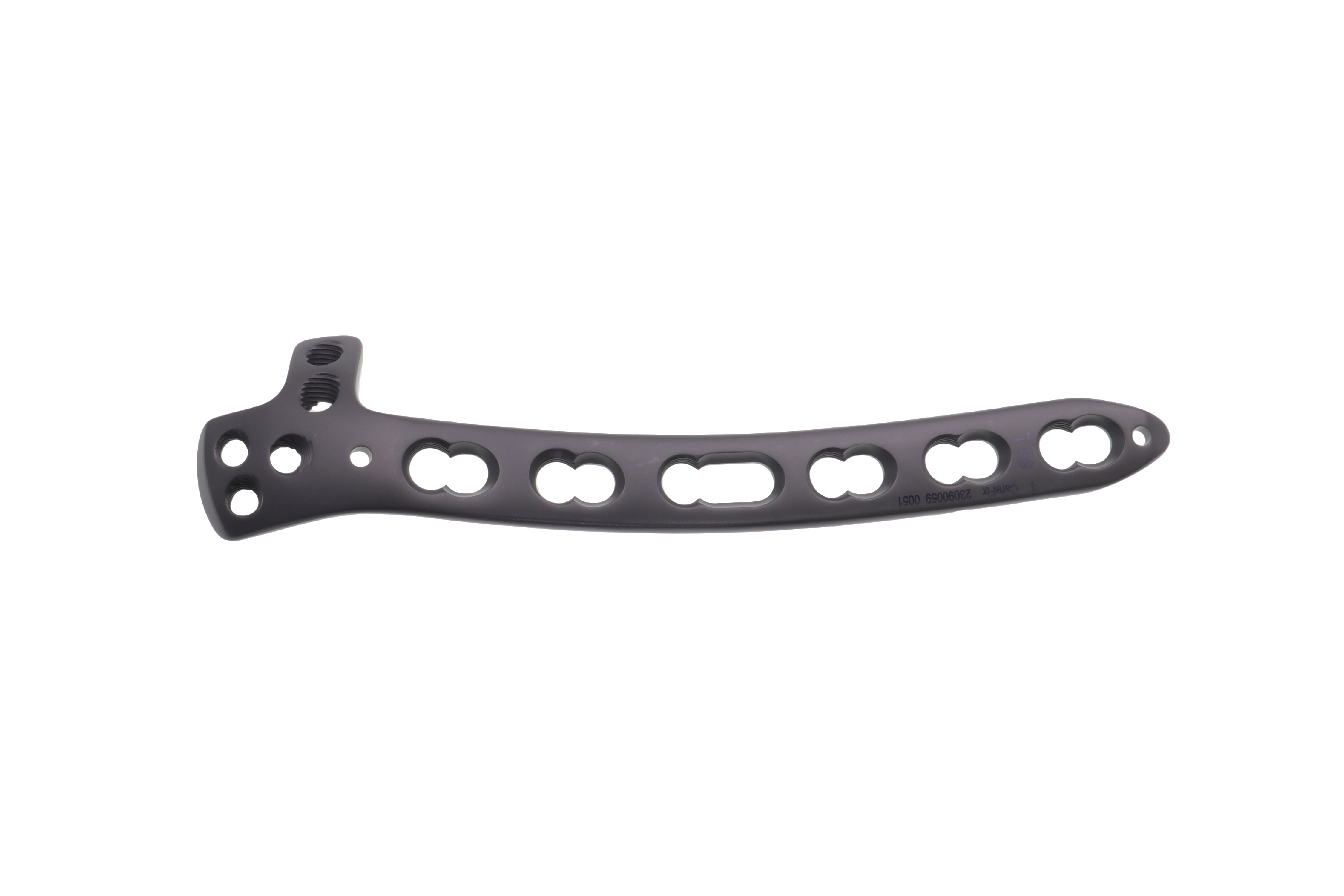
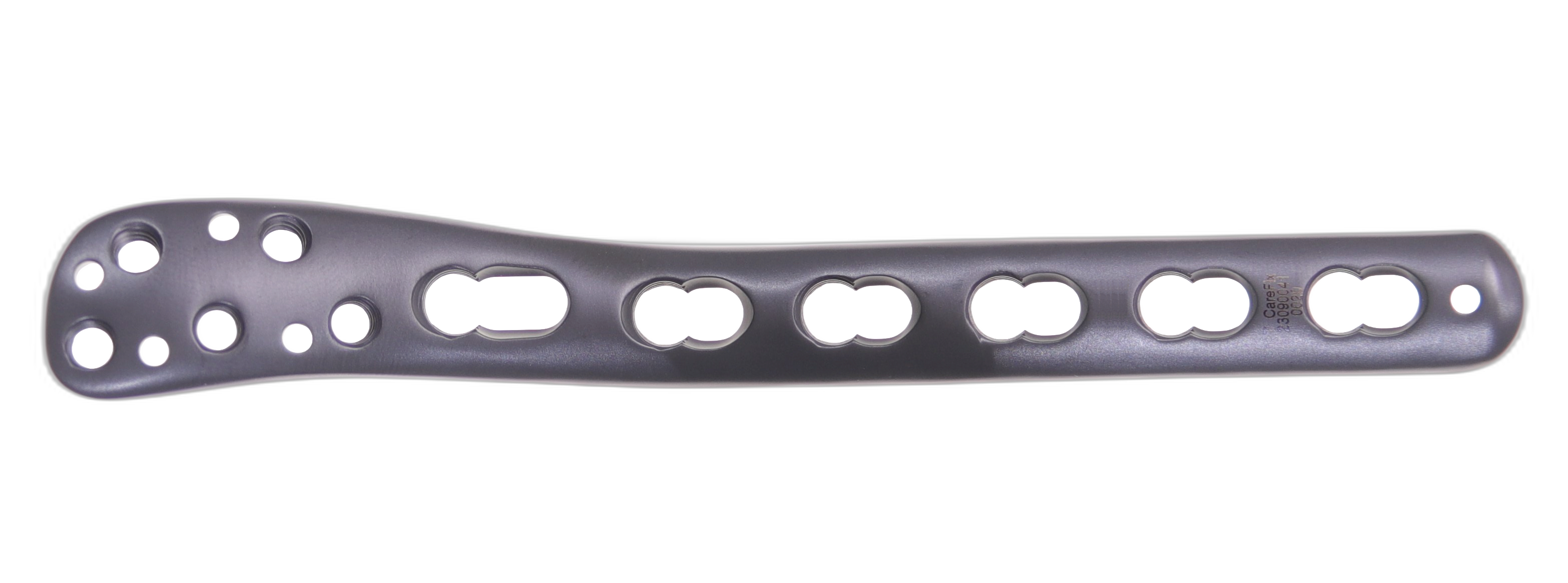
Trauma implants are specialized orthopedic devices designed to stabilize and support fractured bones during the healing process. These medical devices play a critical role in trauma surgery by providing internal fixation that enables bones to mend properly after severe injuries caused by accidents, falls, or sports-related incidents. Trauma implants encompass a wide range of products including plates, screws, rods, pins, nails, and wires, each engineered to address specific fracture patterns and anatomical locations. Modern trauma implants are manufactured from biocompatible materials such as titanium alloys and stainless steel, ensuring they integrate safely within the body while providing the necessary mechanical strength. The technological advancement in trauma implants has revolutionized orthopedic surgery, allowing surgeons to perform minimally invasive procedures that reduce patient recovery time and improve outcomes. These devices are essential in treating complex fractures of long bones, joints, and pelvic regions where natural healing alone would be insufficient. Trauma implants serve multiple functions including compression, neutralization, and bridging of fracture sites, adapting to various clinical scenarios. Their applications extend across emergency trauma care, reconstructive surgery, and corrective procedures for malunited fractures. The precision engineering behind trauma implants ensures optimal load distribution across fracture sites, promoting faster bone union while maintaining anatomical alignment. Healthcare facilities worldwide rely on these devices to restore patient mobility and quality of life following traumatic injuries.
 EN
EN