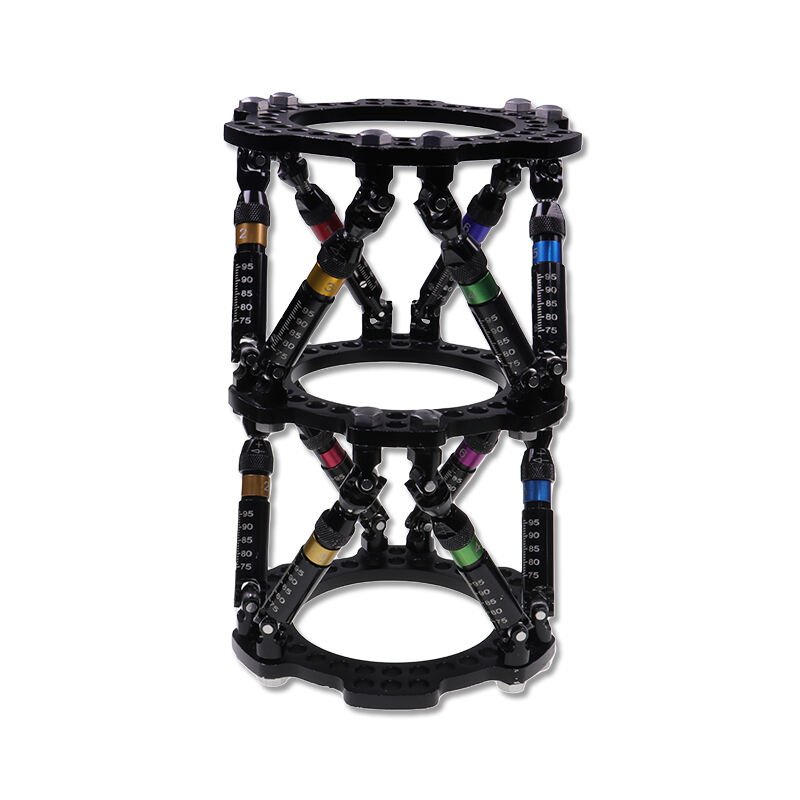
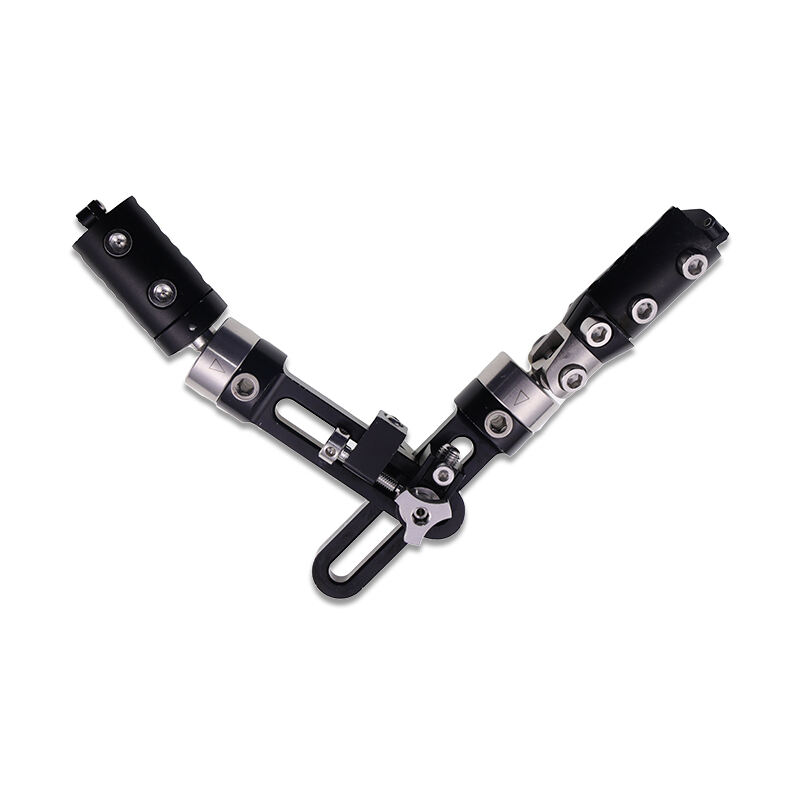
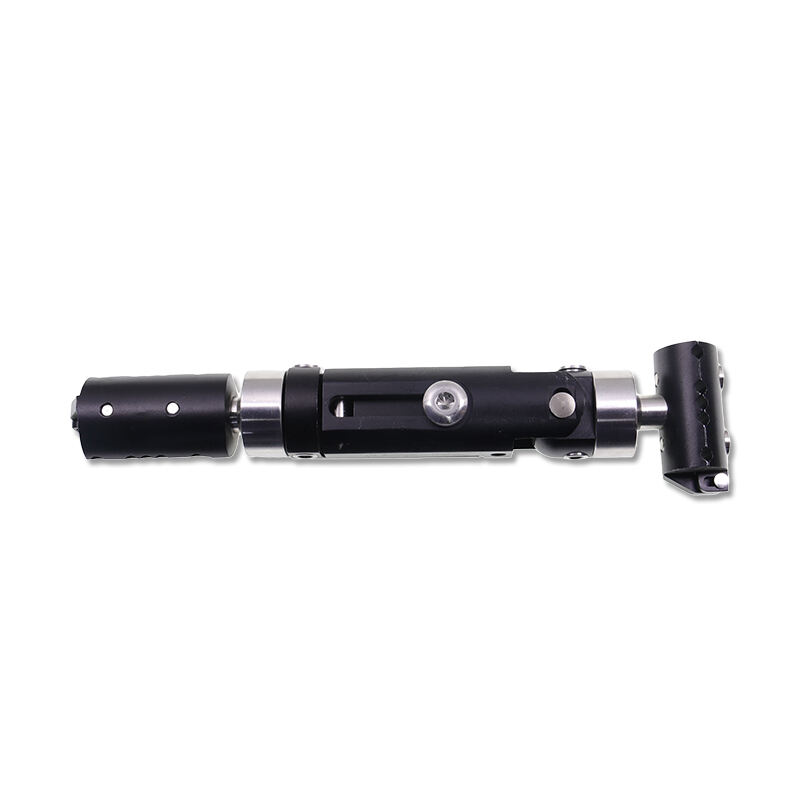
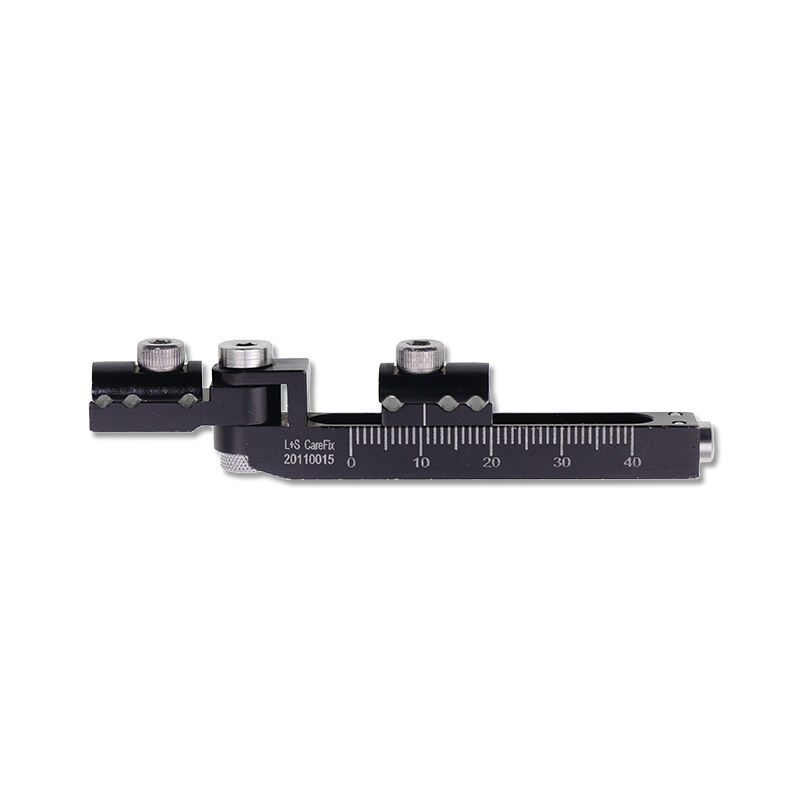
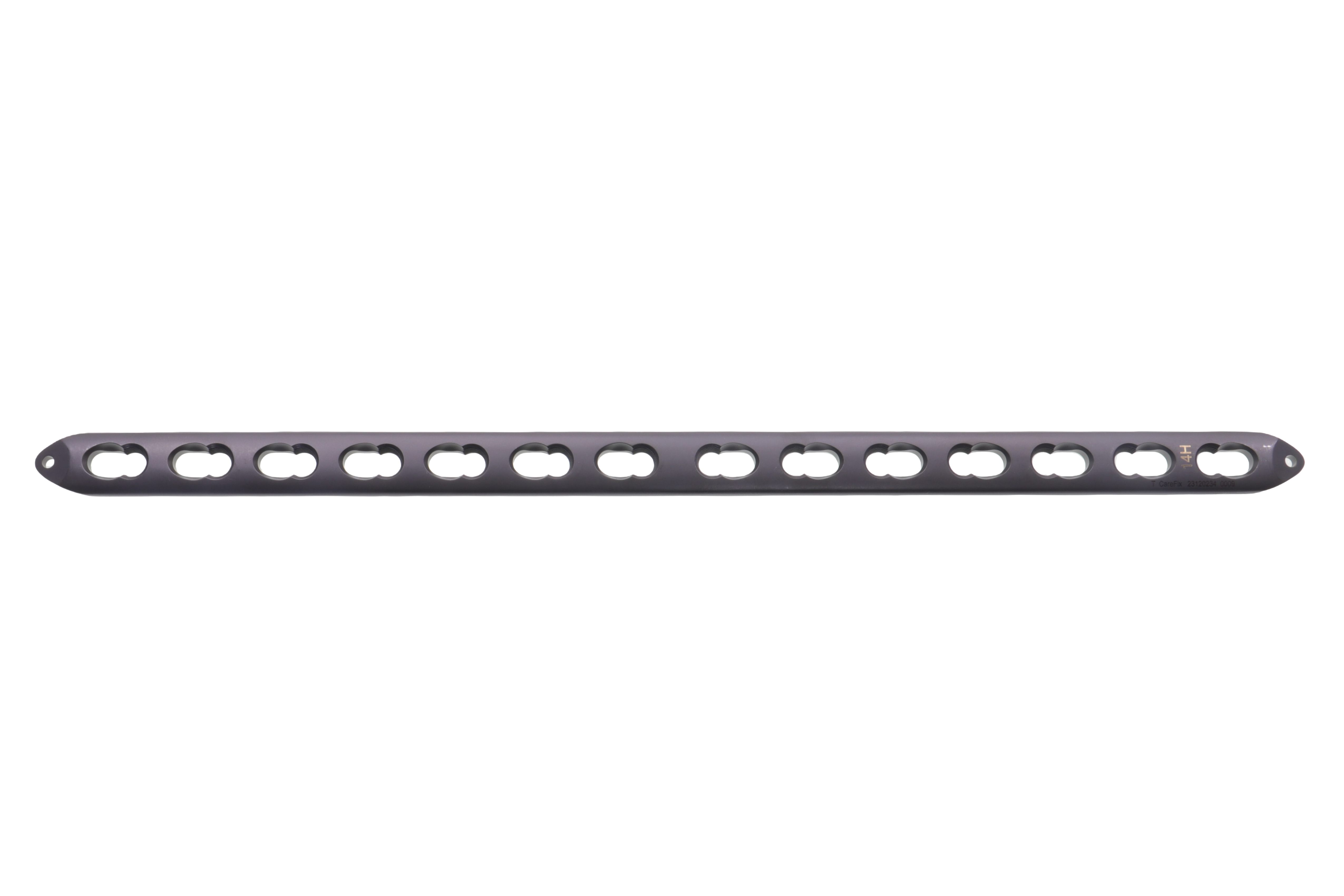
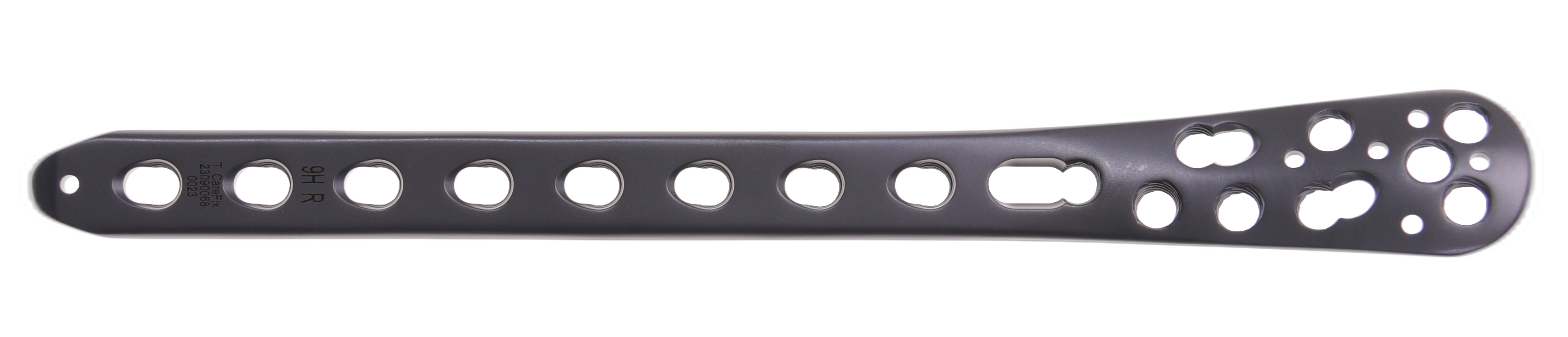
plate orthopedic implants
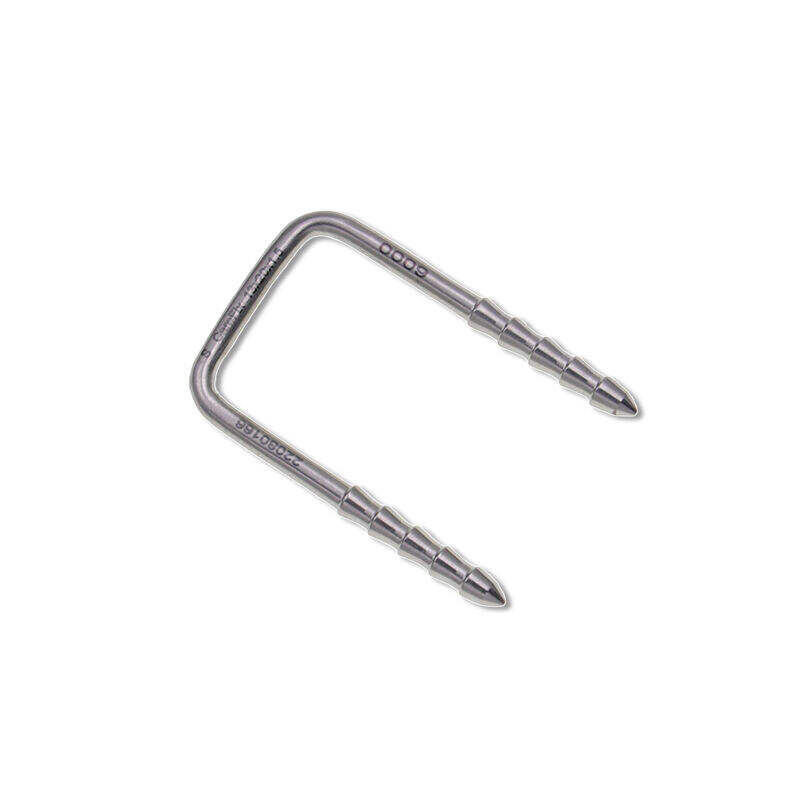
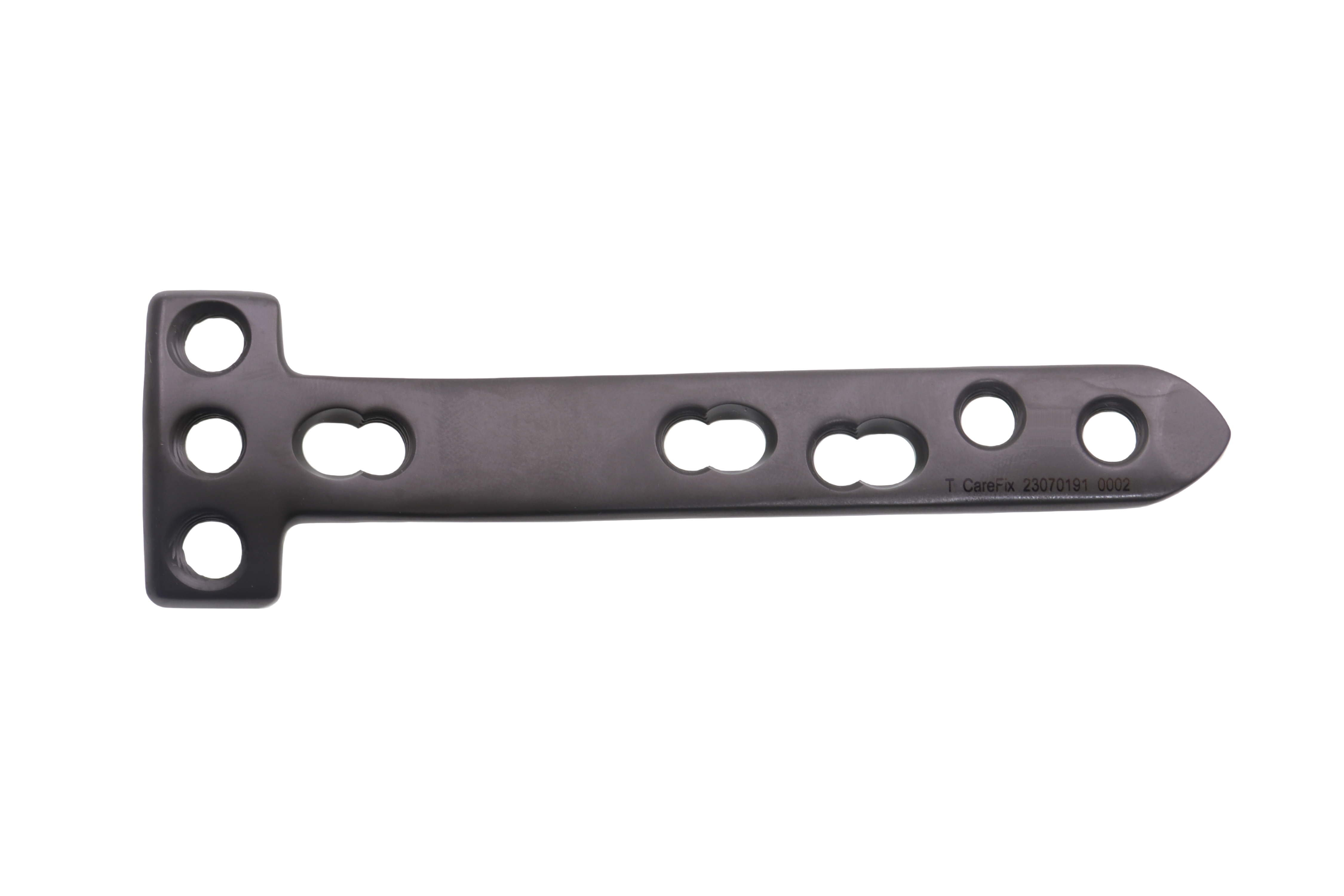
Plate orthopedic implants are essential medical devices designed to stabilize and support fractured or damaged bones during the healing process. These precision-engineered implants serve as internal fixation systems that hold bone fragments in their correct anatomical position, promoting optimal recovery and restoring skeletal integrity. Manufactured from biocompatible materials such as titanium alloys, stainless steel, or specialized polymers, plate orthopedic implants provide the necessary mechanical strength while minimizing adverse tissue reactions. The primary function of these implants involves securing bone segments through strategically placed screws that anchor the plate firmly to the bone surface. This stabilization method allows for early mobilization and reduces healing time compared to traditional external casting methods. Technological features of modern plate orthopedic implants include anatomically contoured designs that match natural bone curvatures, locking screw mechanisms for enhanced stability, and low-profile constructions that minimize soft tissue irritation. Advanced manufacturing techniques enable surgeons to select from various plate configurations, including straight, curved, T-shaped, and L-shaped options to accommodate different fracture patterns and anatomical locations. These implants find widespread applications across multiple skeletal regions, including long bones such as the femur, tibia, humerus, and radius, as well as smaller bones in the hand, foot, and facial skeleton. Plate orthopedic implants prove particularly valuable in treating complex fractures, correcting bone deformities, facilitating joint fusions, and managing non-unions where bones fail to heal properly. Their versatility and reliability make them indispensable tools in trauma surgery, reconstructive procedures, and orthopedic interventions worldwide.
 EN
EN