Trauma Implant Solutions for Fracture Repair

Get a Free Quote

Our representative will contact you soon.
Email
Name
Company Name
Message
0/1000

trauma implant

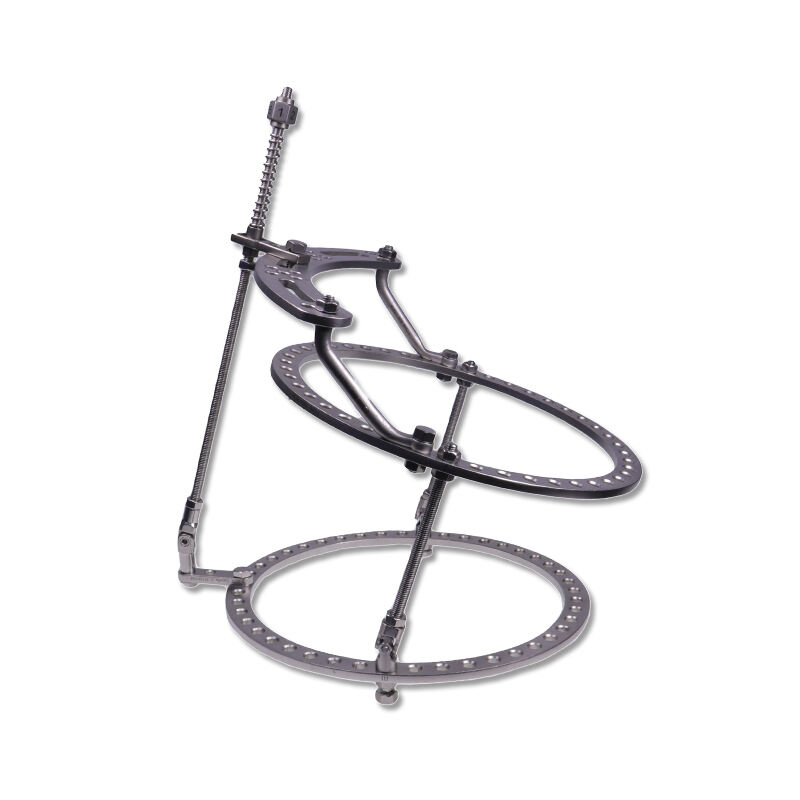
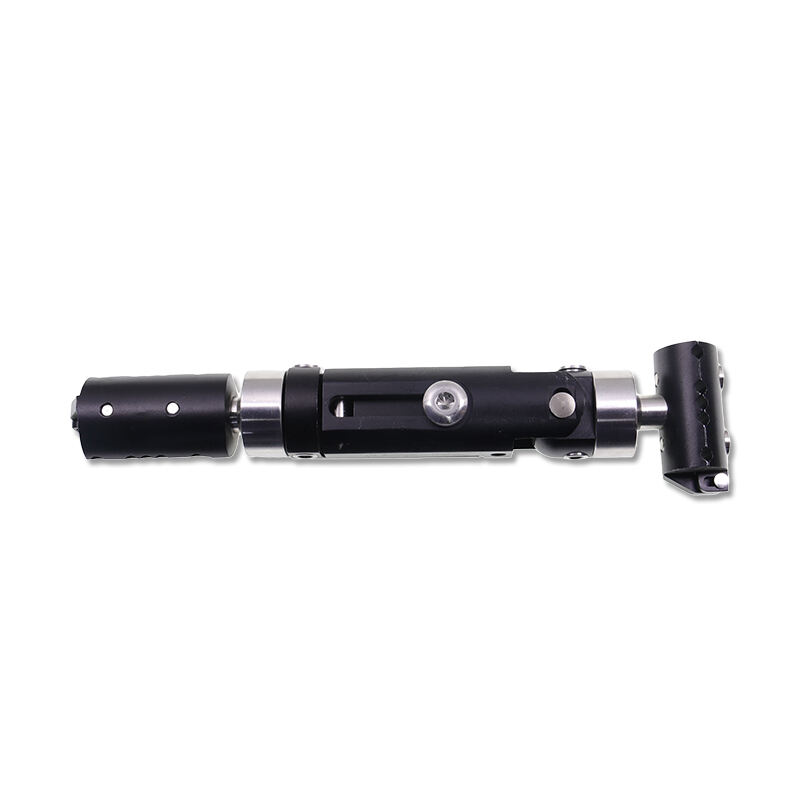
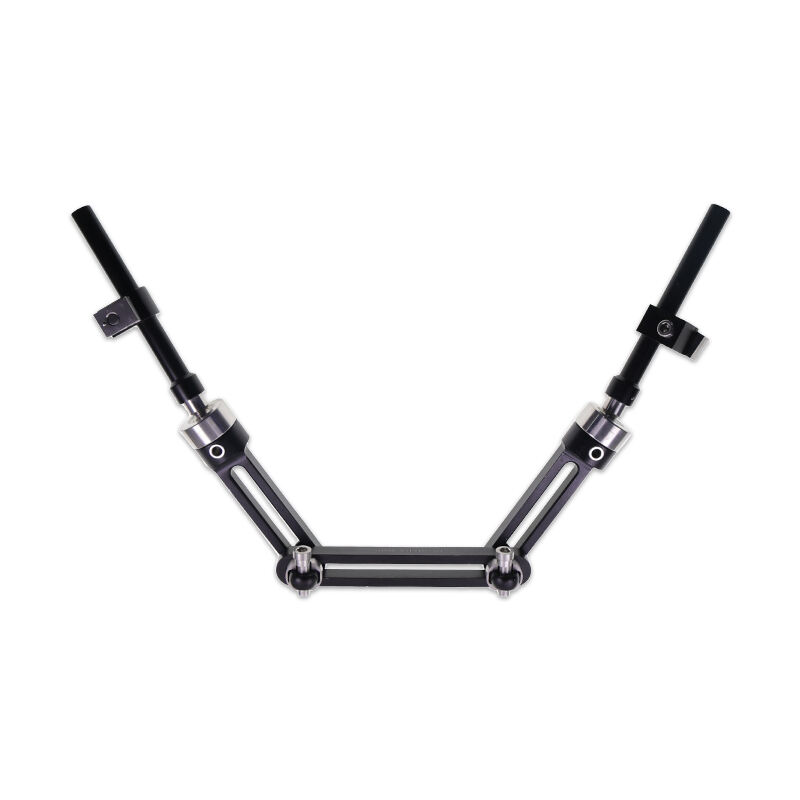
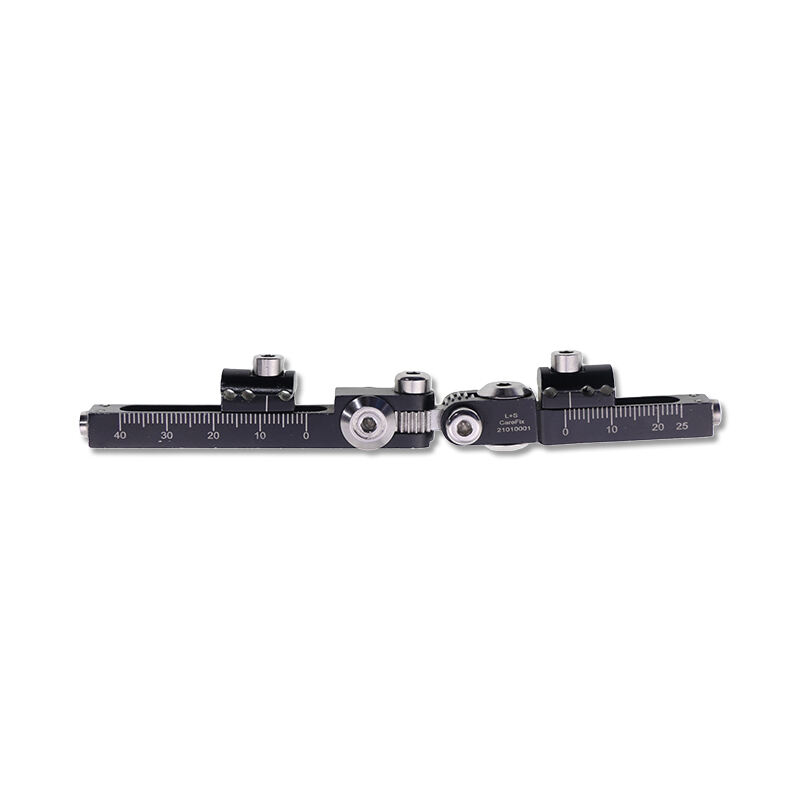
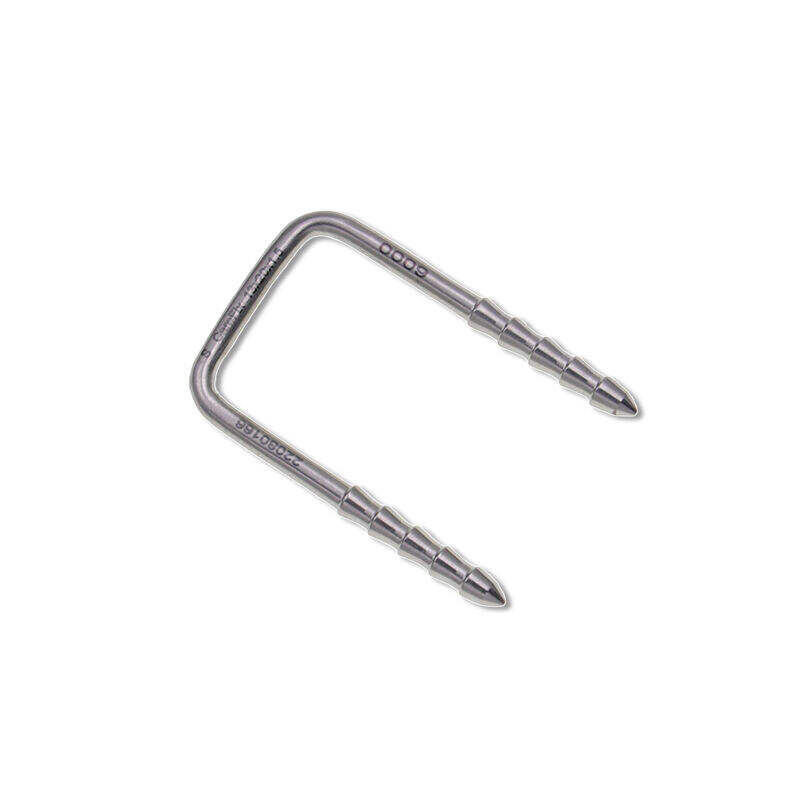
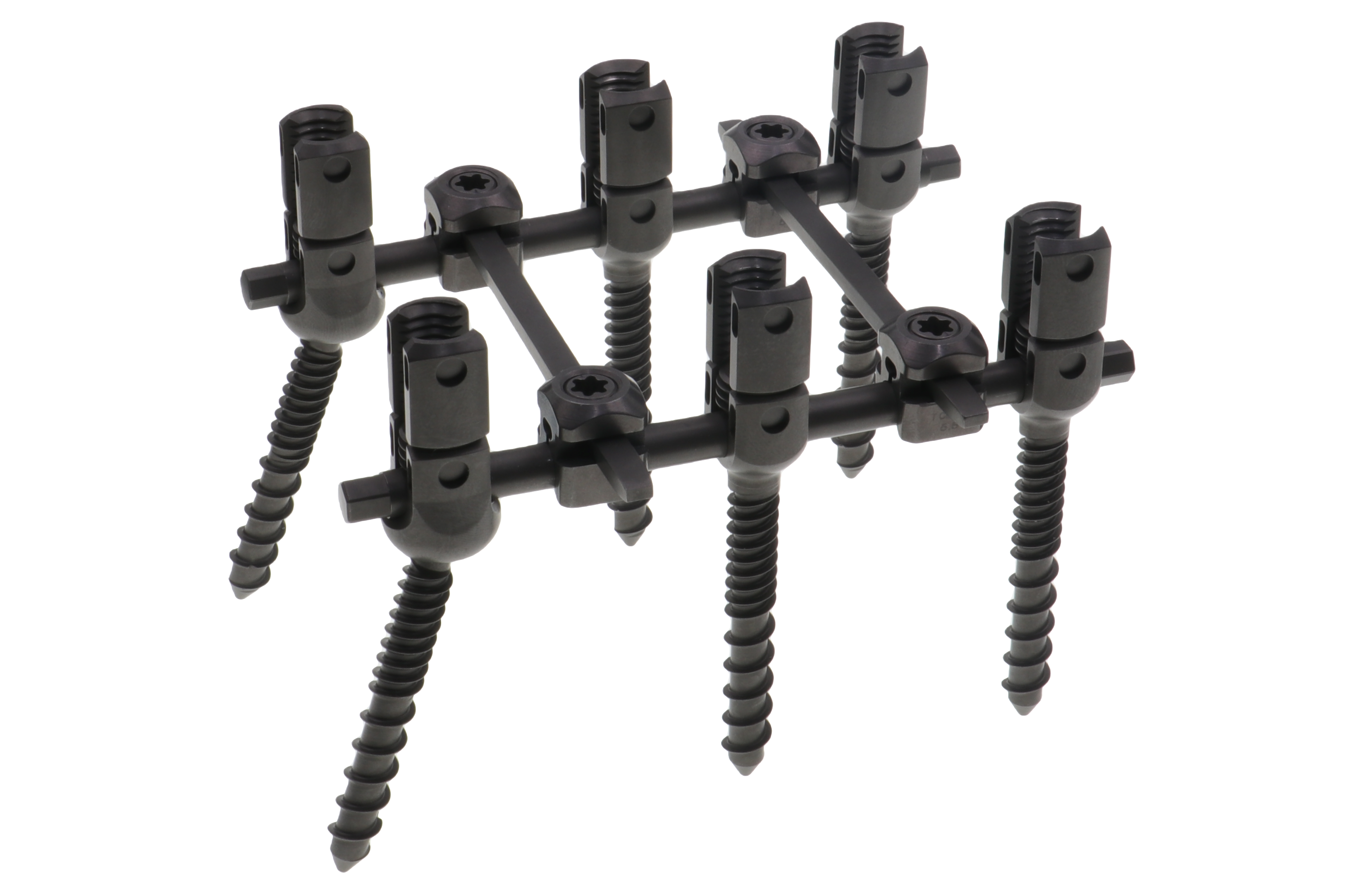
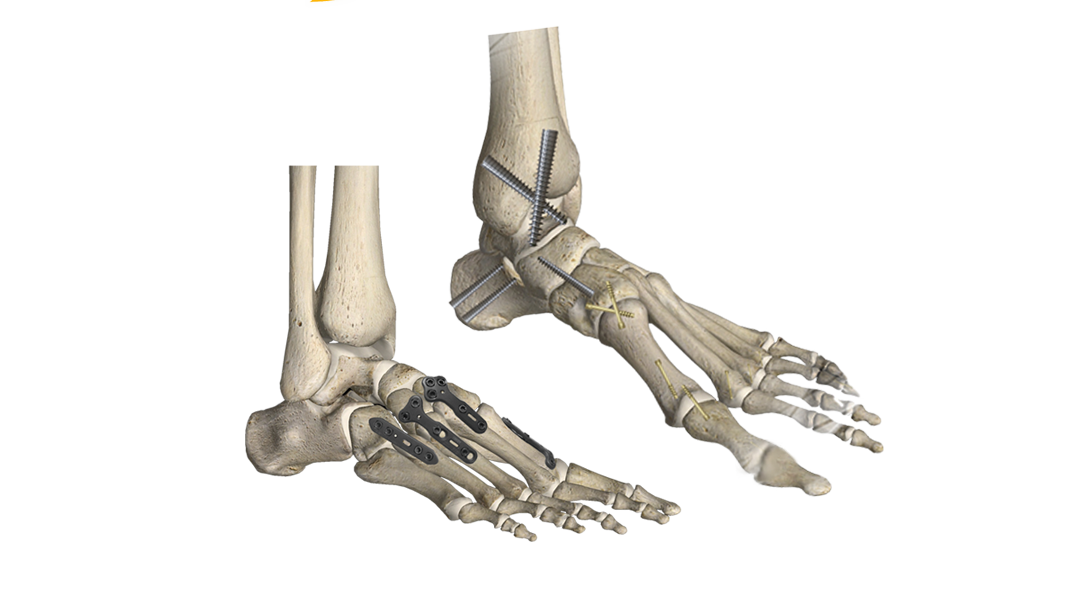
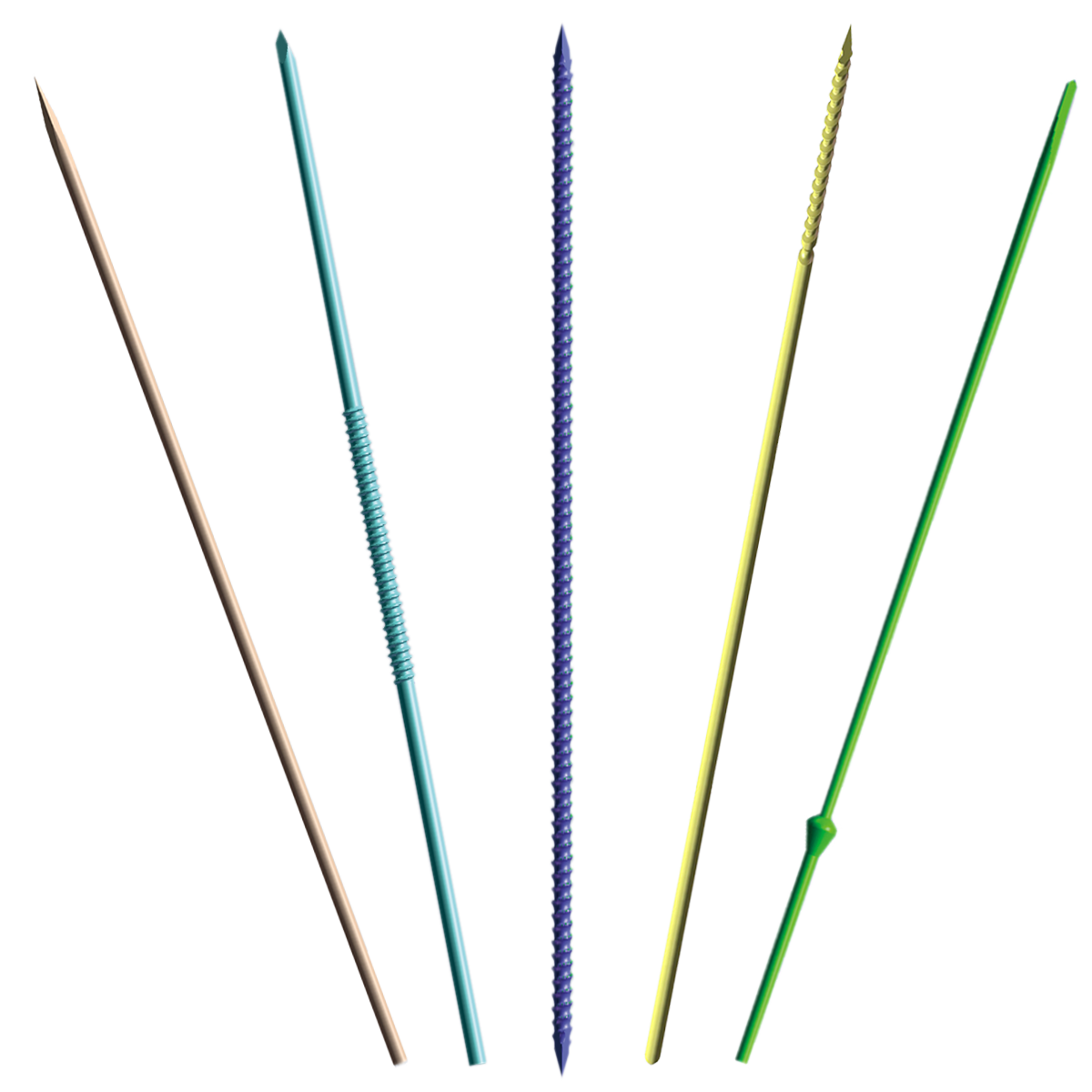
A trauma implant is a specialized medical device designed to stabilize and repair fractured or damaged bones resulting from traumatic injuries. These orthopedic devices play a critical role in modern surgical procedures by providing structural support that enables proper bone healing and restoration of function. Trauma implants encompass a wide range of products including plates, screws, rods, pins, and intramedullary nails, each engineered to address specific fracture patterns and anatomical locations. The primary function of a trauma implant is to maintain bone alignment during the healing process, ensuring that fragments remain in their correct position while natural regeneration occurs. Advanced trauma implant systems utilize biocompatible materials such as titanium alloys and stainless steel, which offer exceptional strength while minimizing the risk of adverse reactions within the body. Technological features include anatomically contoured designs that conform to bone structure, locking mechanisms that provide angular stability, and low-profile constructions that reduce soft tissue irritation. Modern trauma implants incorporate innovative surface treatments that promote osseointegration and accelerate healing timelines. Applications span across multiple medical specialties, addressing fractures in long bones, pelvic injuries, spinal trauma, and complex joint reconstructions. Surgeons rely on trauma implant systems to treat high-energy injuries from accidents, sports-related fractures, and age-related bone failures. The versatility and reliability of trauma implant technology have transformed orthopedic surgery, enabling patients to achieve faster recovery and return to normal activities with improved outcomes and reduced complications.

New Products

Choosing the right trauma implant delivers substantial benefits that directly impact patient recovery and surgical success. These devices accelerate healing by providing immediate mechanical stability, which allows patients to begin rehabilitation sooner and reduces the overall recovery timeline. The robust construction of trauma implant systems ensures reliable fixation even under challenging conditions, giving surgeons confidence during complex procedures and patients peace of mind during recovery. Operational benefits include streamlined surgical workflows, as modern trauma implant sets feature intuitive instrumentation that reduces procedure time and minimizes tissue trauma. This efficiency translates to shorter anesthesia exposure and decreased surgical complications, creating better outcomes for patients and improved resource utilization for healthcare facilities. The biocompatible materials used in trauma implant manufacturing minimize rejection risks and eliminate the need for routine removal in many cases, sparing patients from additional surgeries. Application suitability spans diverse patient populations and injury types, from pediatric fractures requiring specialized solutions to geriatric patients with osteoporotic bone requiring enhanced fixation strategies. Trauma implant systems adapt to various anatomical regions and fracture complexities, providing surgeons with comprehensive solutions for virtually any skeletal injury. Decision-useful considerations include proven clinical track records with extensive research validating safety and effectiveness across millions of procedures worldwide. The investment in quality trauma implant technology pays dividends through reduced revision rates, fewer postoperative complications, and higher patient satisfaction scores. Healthcare providers benefit from partnerships with trauma implant manufacturers that offer comprehensive training, technical support, and continuously evolving product portfolios that incorporate the latest biomechanical research and surgical technique advancements. Patients gain functional restoration that enables return to work, sports, and daily activities with confidence in the structural integrity provided by their trauma implant.

Practical Tips

U-shaped nail: technical advantage of ankle surgery

13

Jan

U-shaped nail: technical advantage of ankle surgery

Modern orthopedic surgery has witnessed remarkable advancement in fixation techniques, particularly in the treatment of complex ankle and distal tibial fractures. The distal tibial interlocking intramedullary nail represents a significant breakthroug...
View More
No need for secondary surgery: How does the self-lengthening intramedullary nail synchronize with bone development?

11

Feb

No need for secondary surgery: How does the self-lengthening intramedullary nail synchronize with bone development?

The evolution of pediatric orthopedic surgery has witnessed remarkable advancements in recent decades, with the telescopic intramedullary nail emerging as a groundbreaking solution for treating femoral shaft fractures in growing children. This innova...
View More
Cannulated screw system: Technological advancements in the treatment of ankle fractures

06

Mar

Cannulated screw system: Technological advancements in the treatment of ankle fractures

Ankle fractures represent one of the most challenging orthopedic injuries requiring precise surgical intervention and advanced fixation methods. The evolution of fracture treatment has been significantly enhanced by the introduction of modern cannula...
View More
Distal radial volar locking plate: refined design enhances the success rate of fracture fixation

06

Mar

Distal radial volar locking plate: refined design enhances the success rate of fracture fixation

The treatment of distal radius fractures has undergone significant evolution in recent decades, with the distal radial volar locking plate emerging as a cornerstone technology in modern orthopedic practice. These innovative implants represent a parad...
View More

Get a Free Quote

Our representative will contact you soon.
Email
Name
Company Name
Message
0/1000

trauma implant

Advanced Biomechanical Engineering

Advanced Biomechanical Engineering

Modern trauma implant design represents the pinnacle of biomechanical engineering, incorporating sophisticated analysis of stress distribution and load-bearing requirements. Each trauma implant undergoes rigorous computational modeling and physical testing to ensure it can withstand the dynamic forces encountered during daily activities and healing. The anatomical contouring featured in contemporary trauma implant systems reflects detailed study of human skeletal morphology, enabling precise fit across diverse patient anatomies. Locking screw technology creates fixed-angle constructs that function as internal fixators, providing superior stability compared to conventional compression techniques. This angular stability proves especially valuable in compromised bone quality situations where traditional fixation methods may fail. The material science behind trauma implant manufacturing balances strength requirements with biological compatibility, utilizing titanium alloys that offer exceptional fatigue resistance while remaining inert within the body. Surface treatments enhance osseointegration by encouraging bone cells to attach directly to the trauma implant surface, creating biological fixation that complements mechanical stability. These engineering advances translate to clinical benefits including reduced hardware failure rates, improved fracture healing, and expanded treatment options for previously challenging injury patterns that enhance patient outcomes significantly.
Comprehensive Fracture Management Solutions

Comprehensive Fracture Management Solutions

A complete trauma implant system provides surgeons with an extensive array of components designed to address virtually any fracture configuration encountered in clinical practice. This comprehensive approach ensures that surgical teams have immediate access to appropriate fixation options without delays or compromises. The modular nature of modern trauma implant platforms allows customization to each unique patient presentation, accommodating variations in fracture pattern, bone quality, and anatomical considerations. Specialized trauma implant designs target specific regions such as proximal femur, distal radius, tibial plateau, and other critical anatomical zones where conventional fixation proves inadequate. Polyaxial screw technology expands surgical flexibility by allowing trajectory adjustments that navigate complex anatomy and optimize purchase in available bone stock. The trauma implant inventory includes options for both minimally invasive and open surgical approaches, giving surgeons tactical flexibility based on injury characteristics and patient factors. Compression and neutralization techniques become seamlessly integrated through intelligent trauma implant design that facilitates multiple fixation strategies within a single construct. This versatility reduces the need for improvisation during surgery and decreases procedure time while increasing confidence in fixation quality and long-term stability for improved patient recovery trajectories.
Patient-Centered Recovery Optimization

Patient-Centered Recovery Optimization

The ultimate measure of trauma implant success lies in patient outcomes, and modern systems prioritize features that accelerate recovery and maximize functional restoration. Low-profile trauma implant designs minimize soft tissue irritation and reduce the prominence of hardware beneath the skin, decreasing discomfort and improving cosmetic results. This consideration proves especially important in superficial bone locations where bulky implants can cause persistent pain and limit patient satisfaction. The immediate stability provided by trauma implant fixation enables early mobilization protocols that prevent the muscle atrophy and joint stiffness associated with prolonged immobilization. Patients benefit from weight-bearing timelines that facilitate faster return to independence and reduce complications related to extended bed rest. Biocompatible materials ensure that trauma implant components integrate safely within the body without triggering inflammatory responses that could compromise healing or cause systemic reactions. Many modern trauma implant systems remain permanently implanted without adverse effects, eliminating the need for secondary removal procedures that add cost, risk, and recovery time. The proven reliability of trauma implant technology gives patients confidence to resume activities without fear of fixation failure, supporting psychological recovery alongside physical healing and enabling complete restoration of quality of life.
logo