orthopedic titanium implants
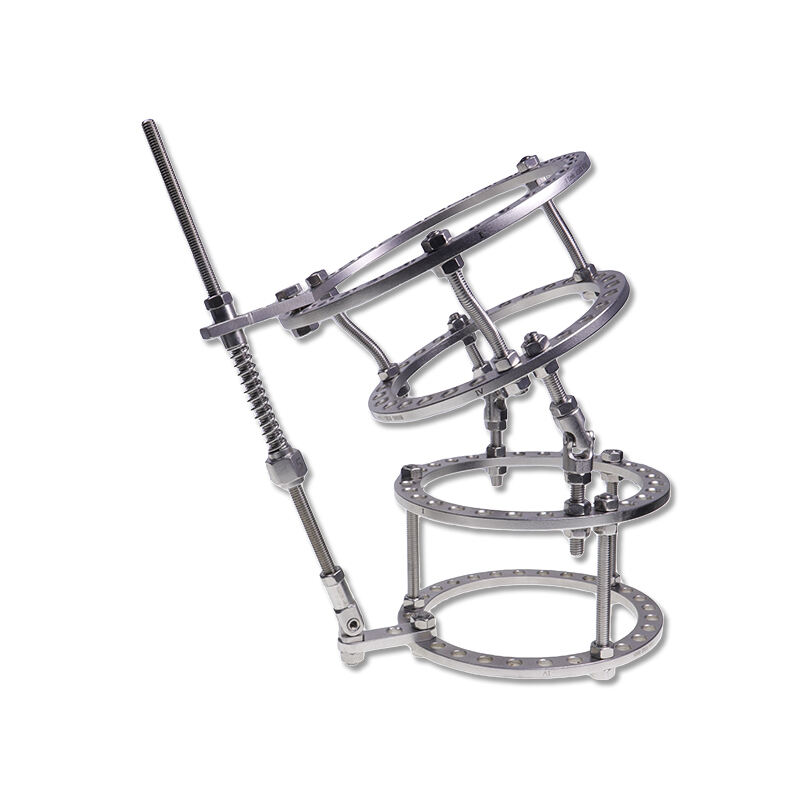
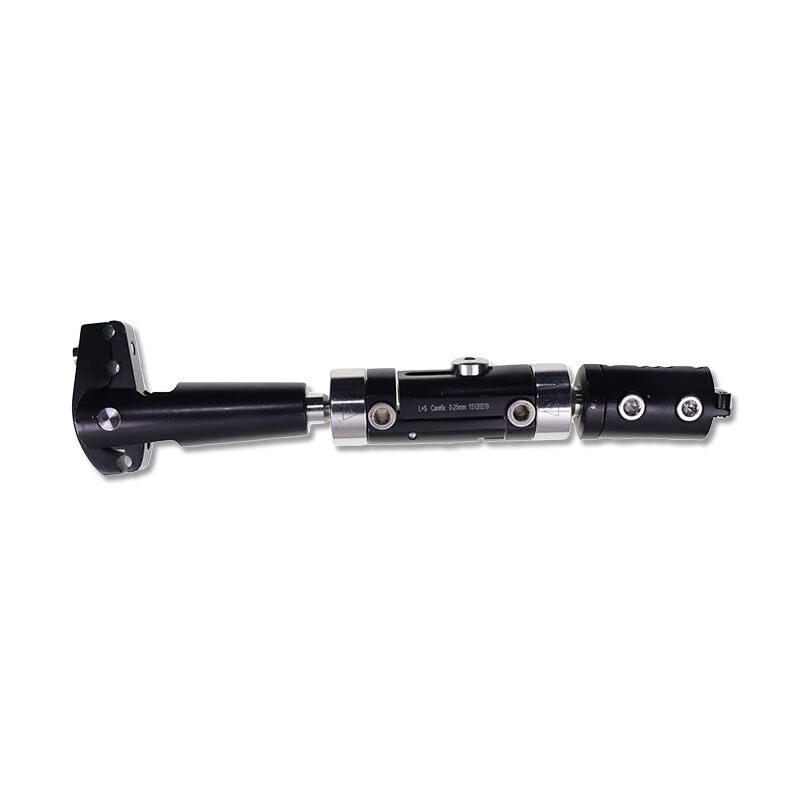
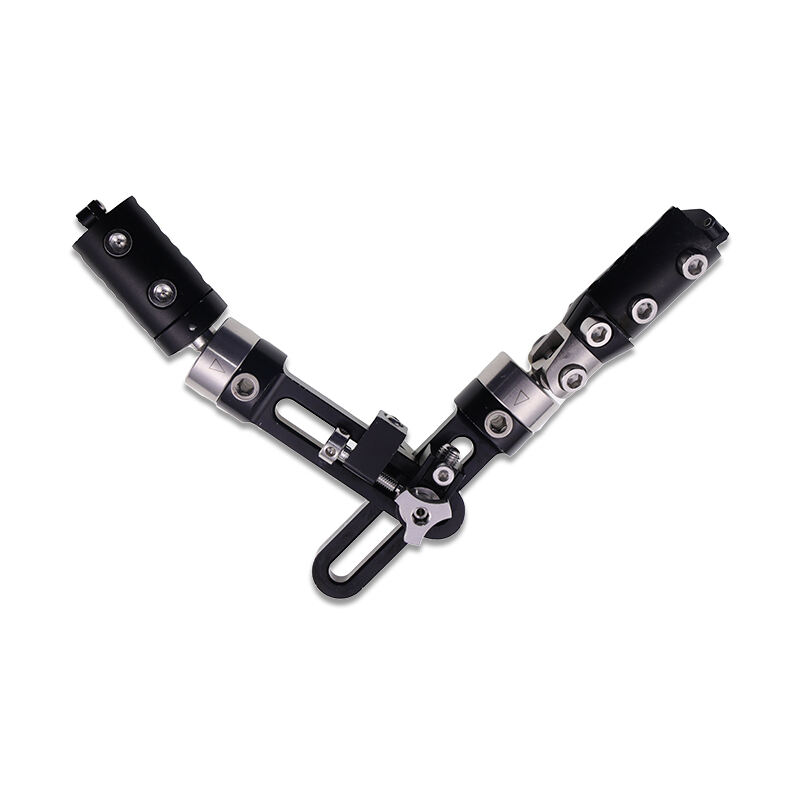
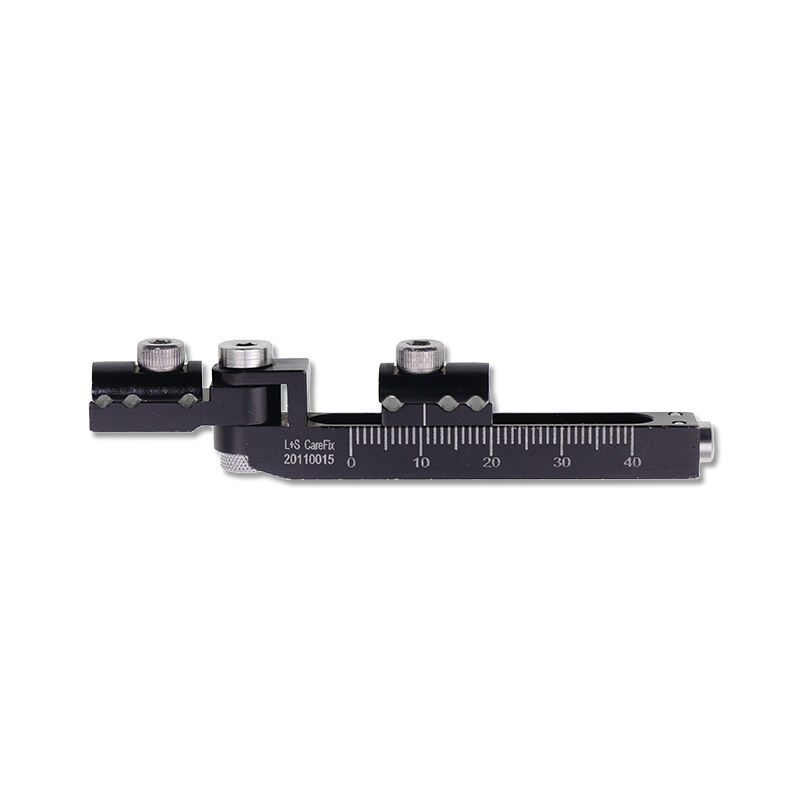
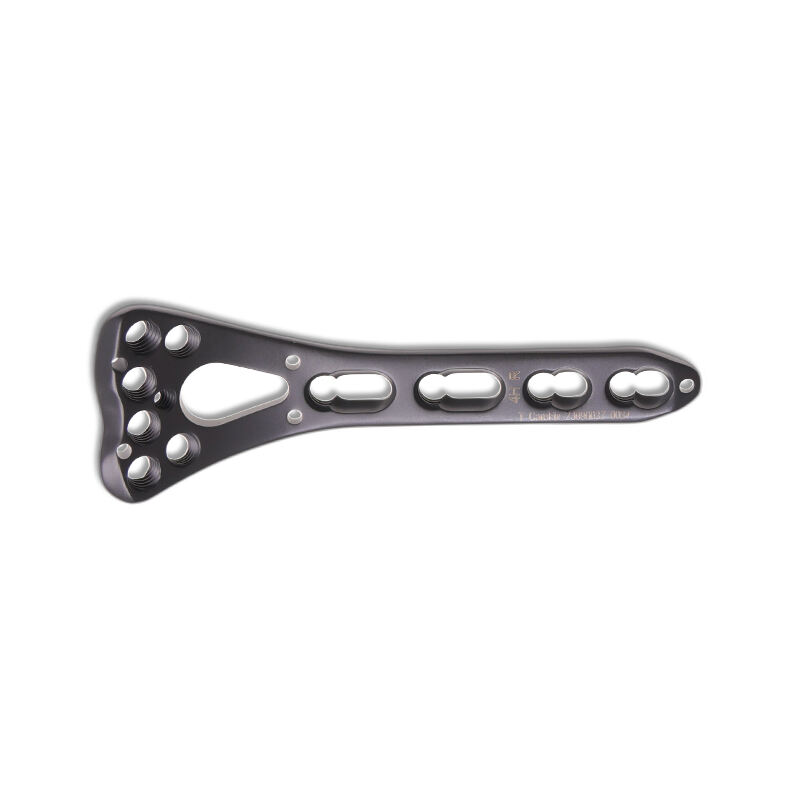
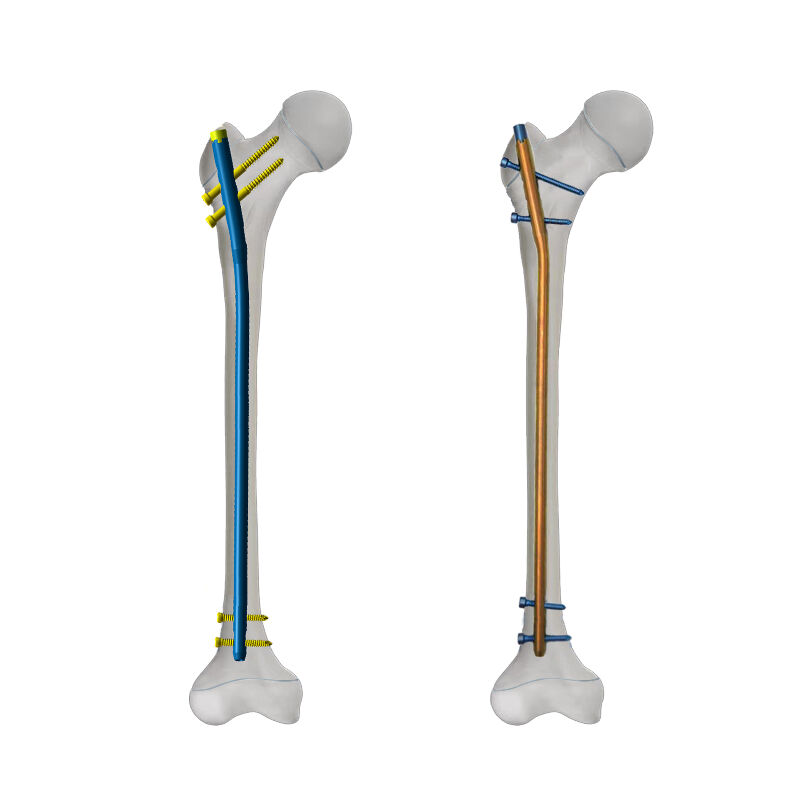
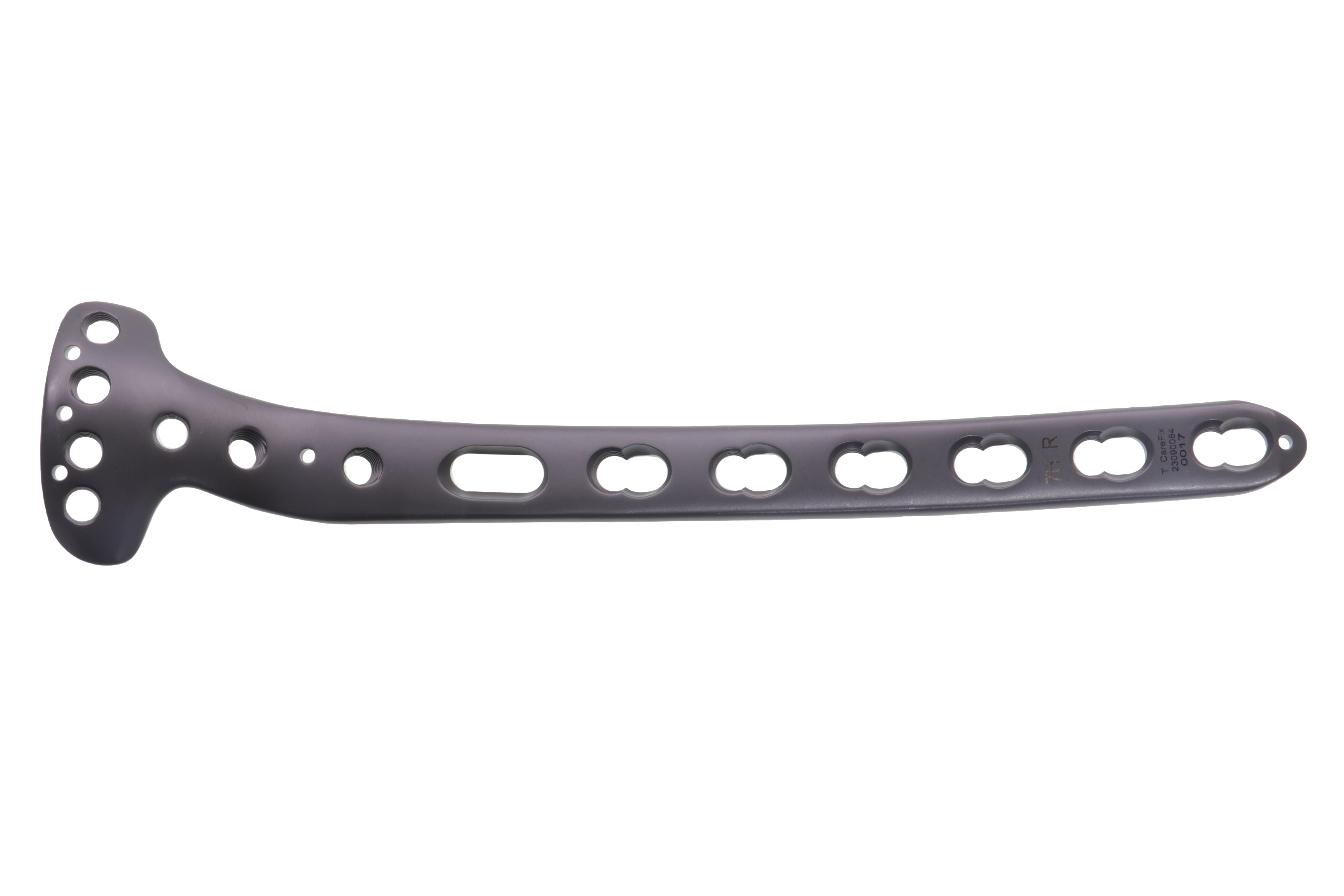
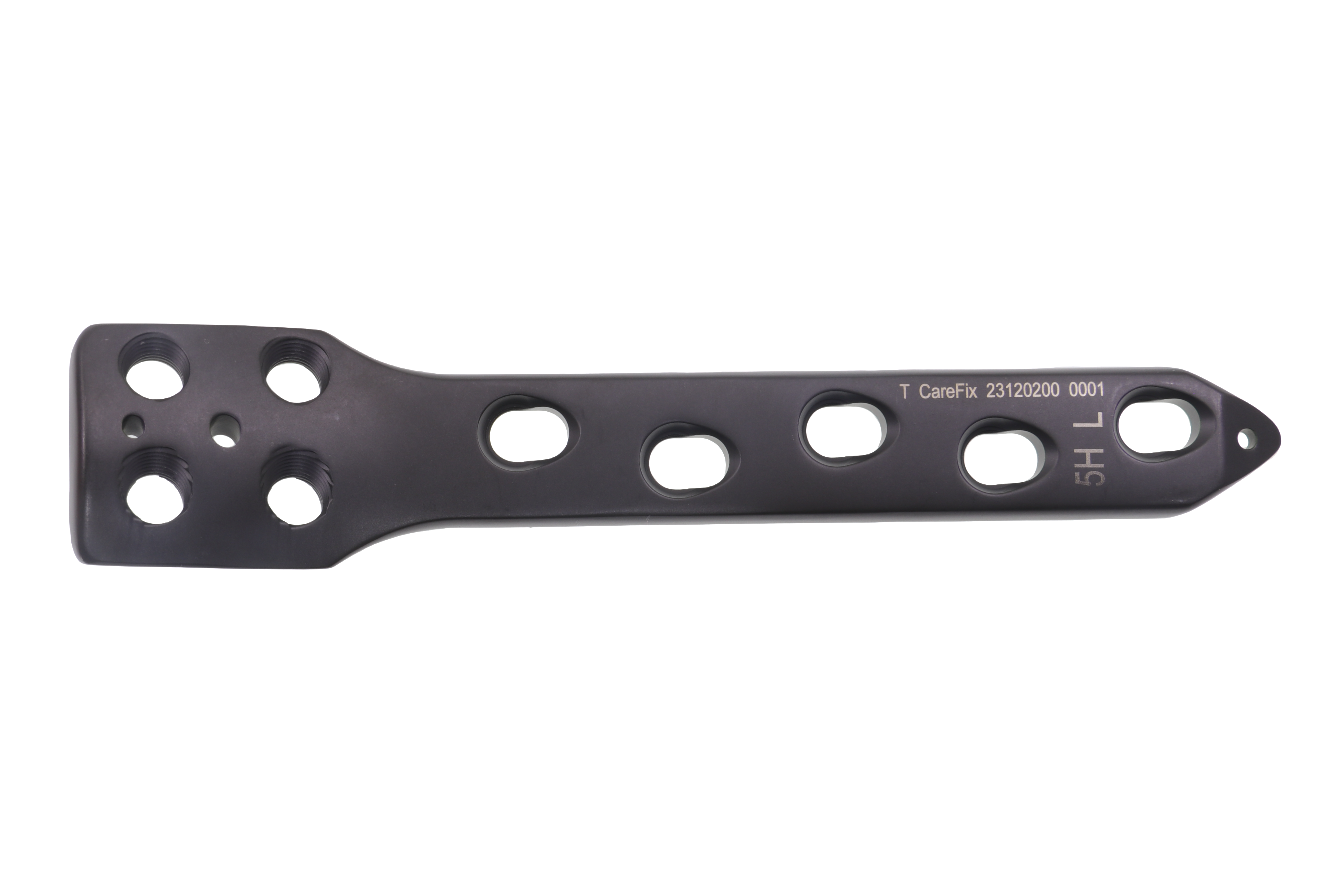
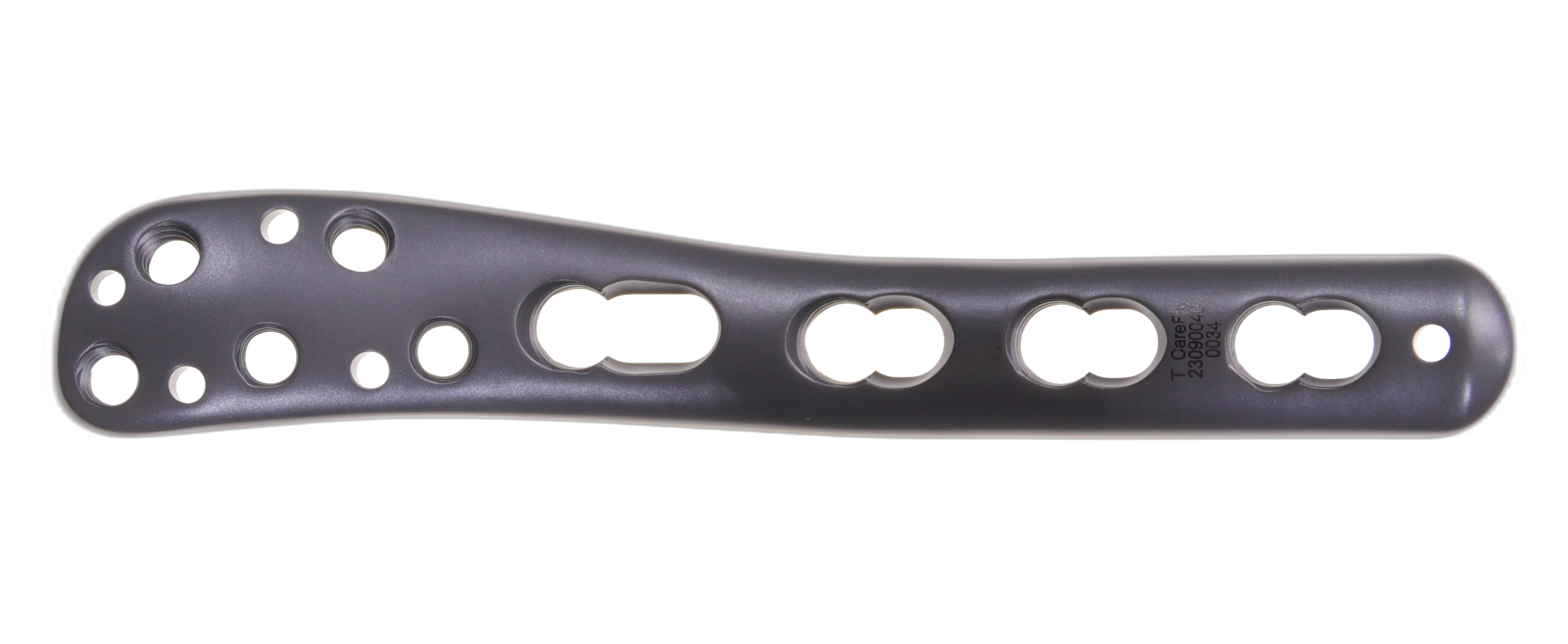
Orthopedic titanium implants represent a revolutionary advancement in modern surgical medicine, designed to restore mobility and improve quality of life for patients suffering from bone fractures, joint deterioration, and skeletal deformities. These medical devices are manufactured from high-grade titanium alloys, specifically engineered to integrate seamlessly with human bone tissue through a process called osseointegration. Orthopedic titanium implants serve multiple critical functions including fracture fixation, joint replacement, spinal stabilization, and trauma reconstruction. The technological features of these implants include biocompatibility, corrosion resistance, and exceptional strength-to-weight ratios that make them ideal for long-term implantation. Advanced manufacturing techniques such as CNC machining, 3D printing, and surface treatment processes ensure precise dimensions and optimal surface characteristics. These implants come in various configurations including plates, screws, rods, nails, and joint prostheses, each designed for specific anatomical locations and surgical procedures. Applications span across hip replacements, knee arthroplasty, spinal fusion surgeries, fracture repairs in long bones, and maxillofacial reconstructions. The material properties of orthopedic titanium implants allow for MRI compatibility, reduced stress shielding effects, and minimal inflammatory response from surrounding tissues. Surgeons rely on these implants for both elective procedures and emergency trauma cases, making them indispensable in contemporary orthopedic practice. The implants undergo rigorous testing and quality control measures to meet international medical device standards, ensuring patient safety and surgical success rates remain consistently high across diverse patient populations and clinical scenarios.
 EN
EN