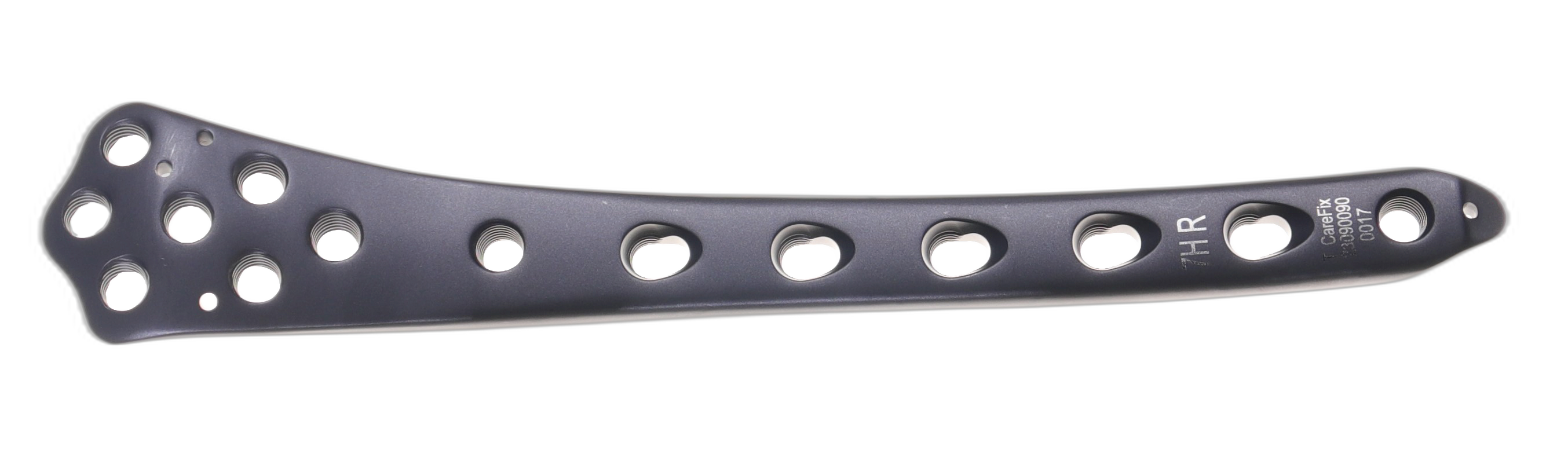
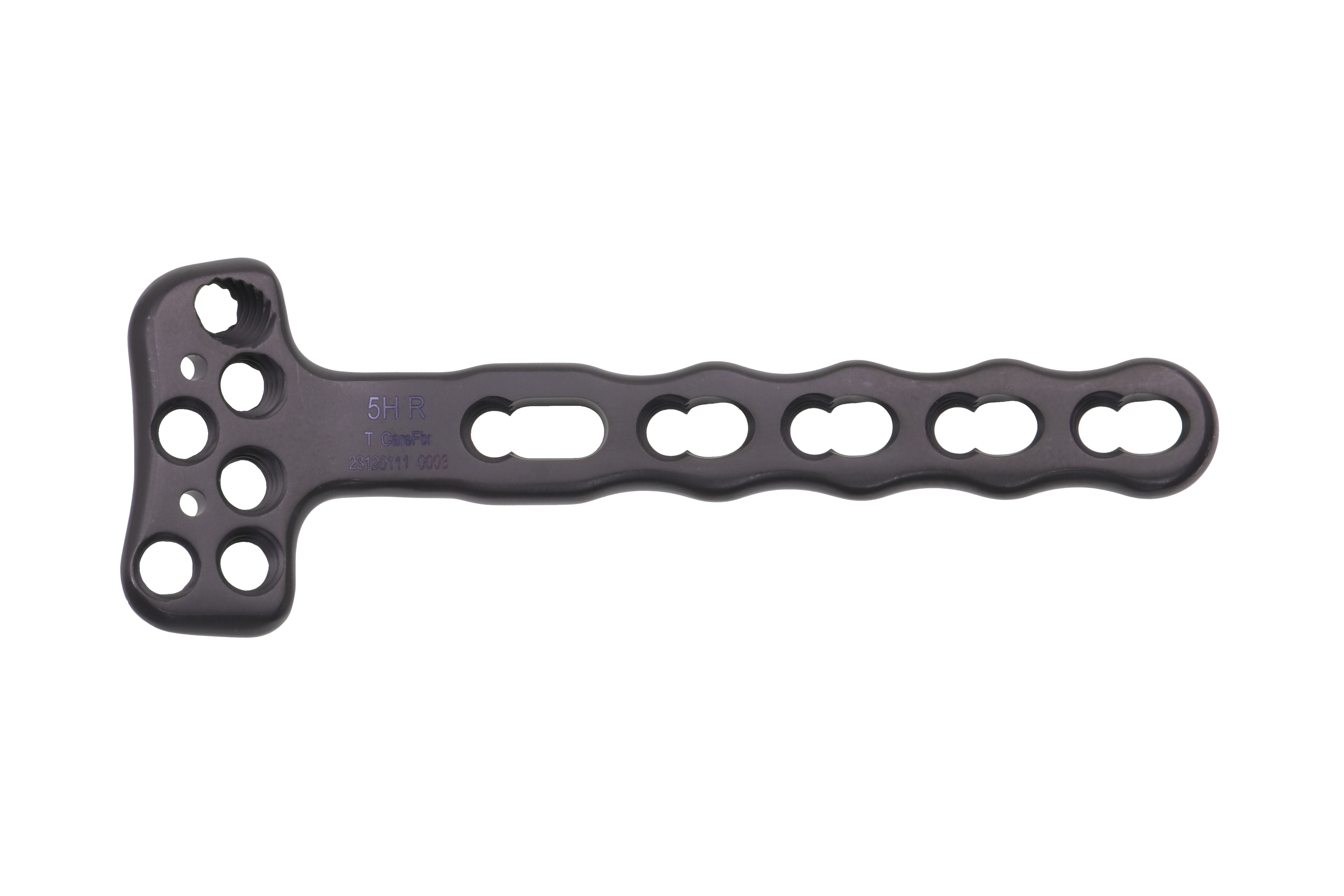
orthopedic metal implants
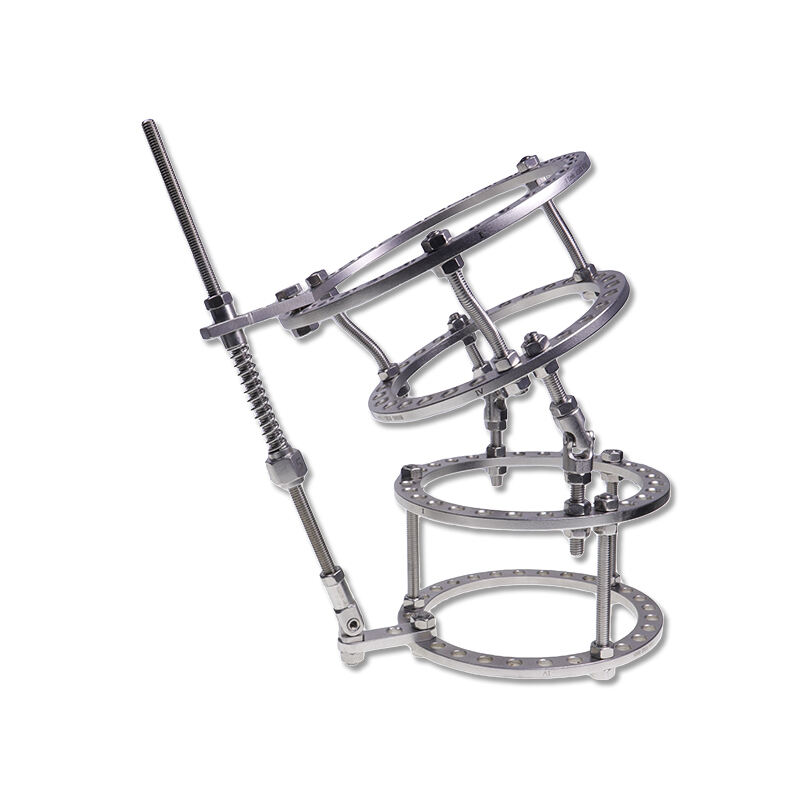
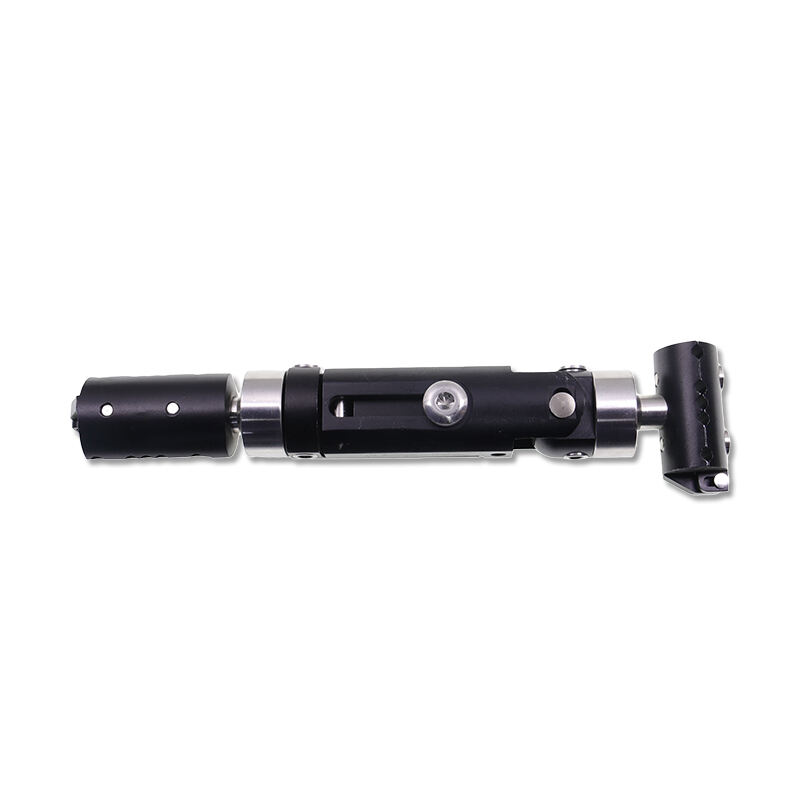
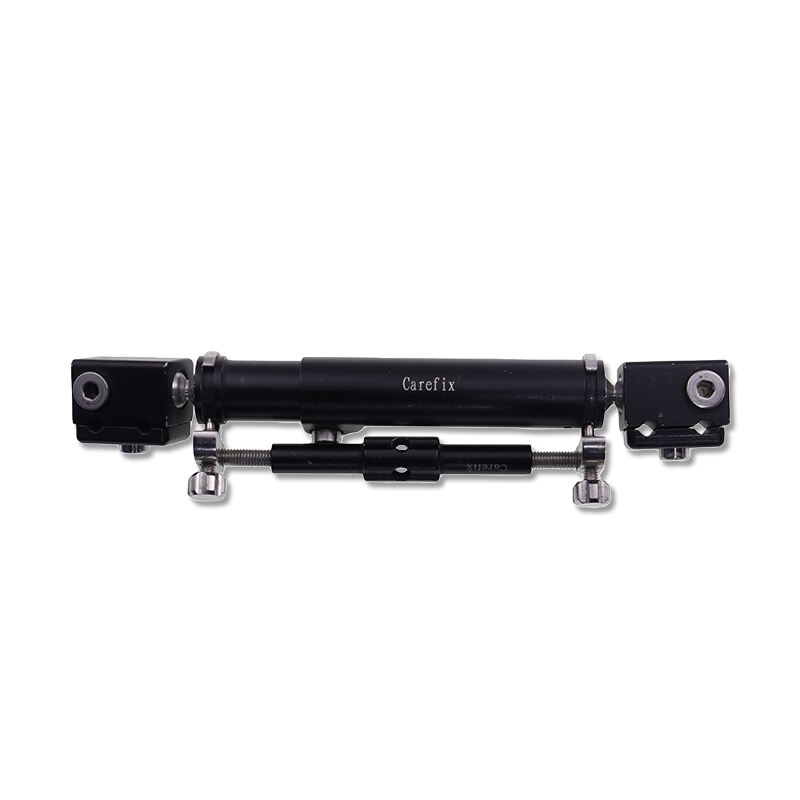
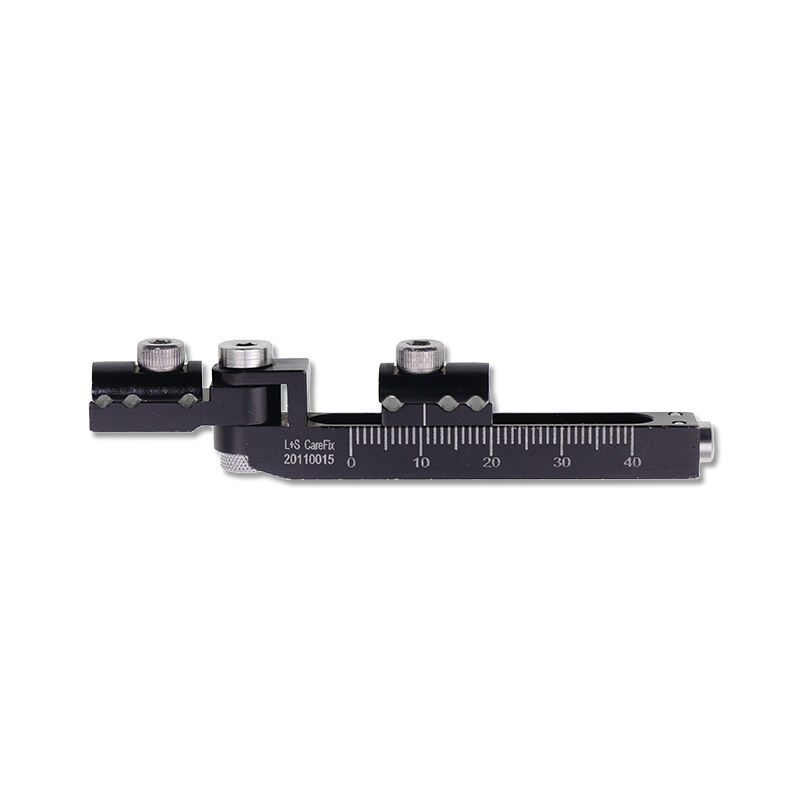
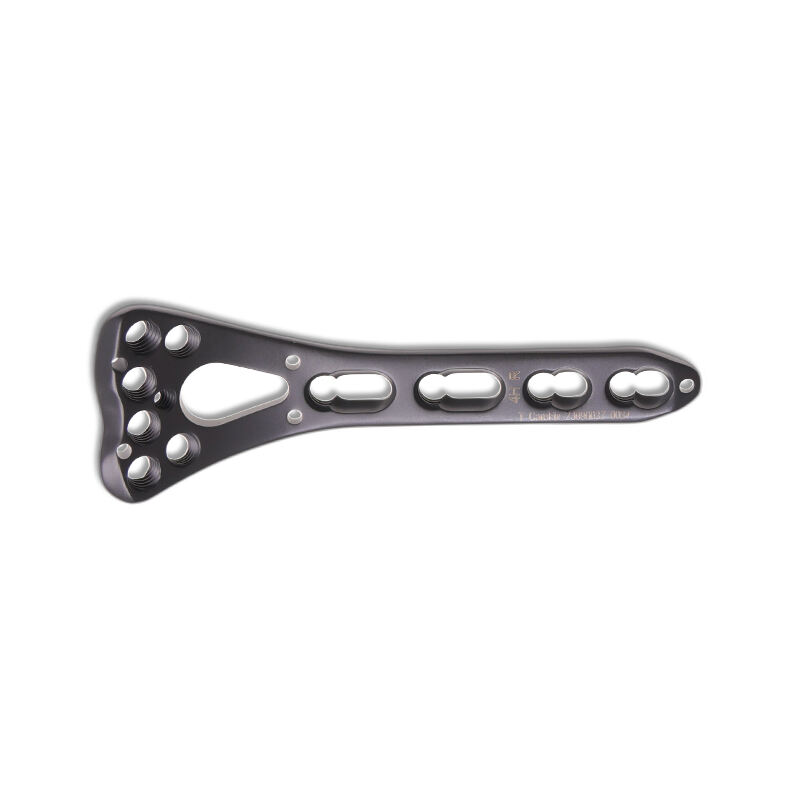
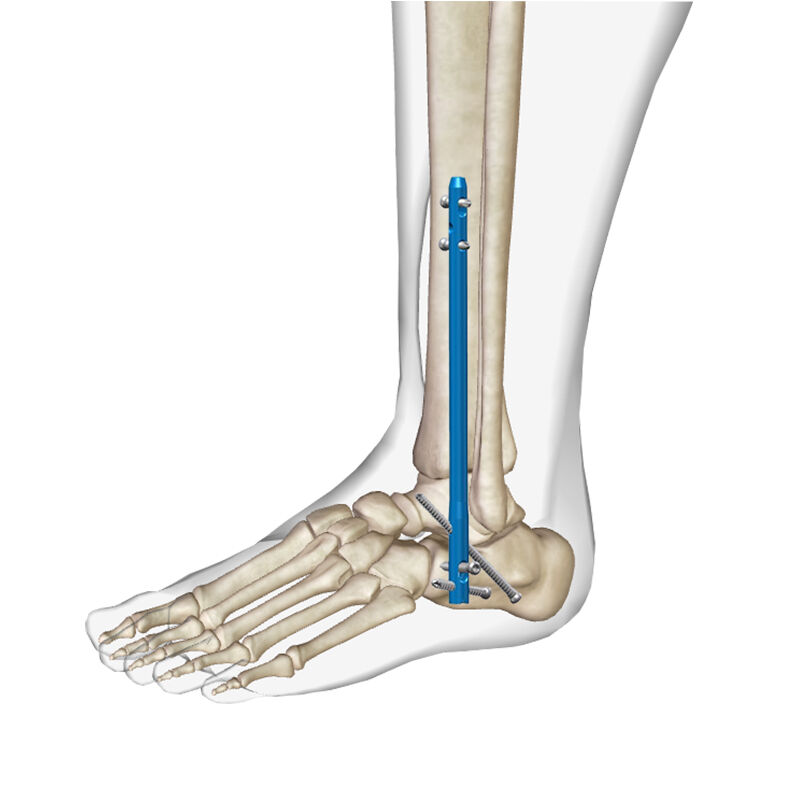
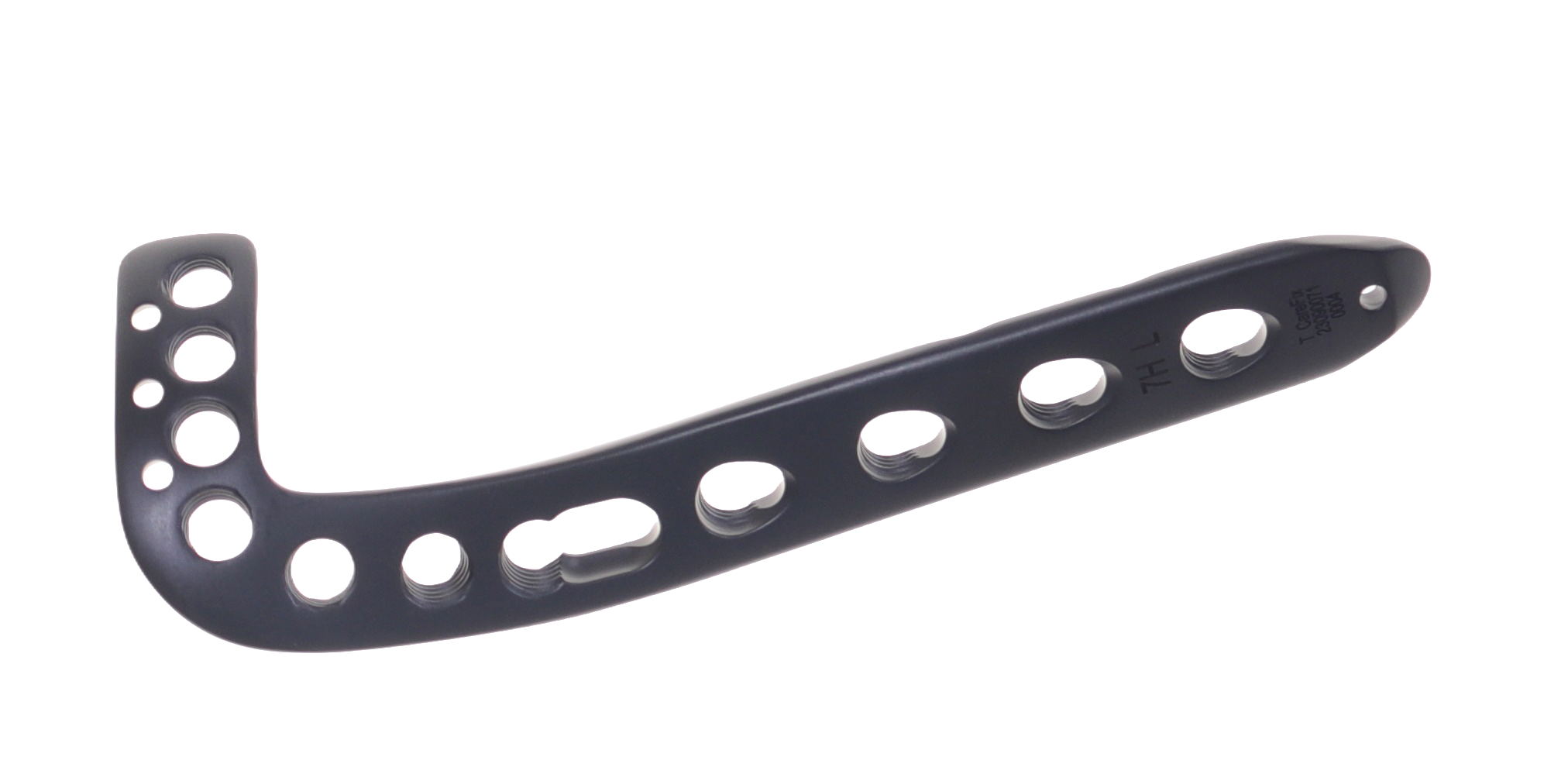
Orthopedic metal implants are medical devices surgically placed within the body to replace damaged bone structures, stabilize fractures, or support joints during healing processes. These precision-engineered devices are manufactured from biocompatible metals such as titanium alloys, stainless steel, and cobalt-chromium, materials specifically chosen for their strength, durability, and compatibility with human tissue. The main functions of orthopedic metal implants include providing structural support to damaged skeletal systems, facilitating proper bone alignment during recovery, and restoring mobility to patients with severe injuries or degenerative conditions. Technological features incorporated into modern orthopedic metal implants include surface treatments that promote bone integration, anatomically contoured designs that match natural bone structure, and advanced locking mechanisms that ensure stability during the healing period. These implants are designed using computer-aided engineering and manufactured with precise tolerances to guarantee optimal fit and performance. Applications span a wide range of orthopedic procedures including fracture fixation with plates and screws, joint replacement surgeries utilizing artificial hip and knee components, spinal fusion procedures requiring rods and pedicle screws, and trauma reconstruction where complex bone damage demands specialized fixation solutions. Orthopedic metal implants serve patients across all age groups, from young athletes requiring sports injury repair to elderly individuals needing joint replacement due to arthritis. The continuous advancement in metallurgy and manufacturing techniques has significantly improved the reliability and longevity of these essential medical devices.
 EN
EN