Clavicle Implants: Advanced Fracture Solutions

Get a Free Quote

Our representative will contact you soon.
Email
Name
Company Name
Message
0/1000

clavicle implants

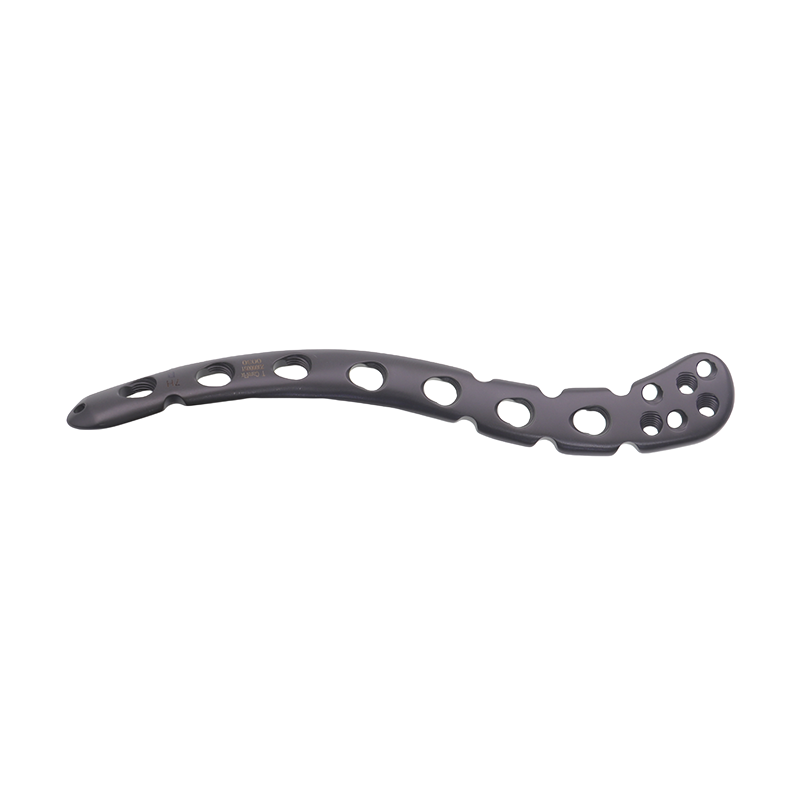
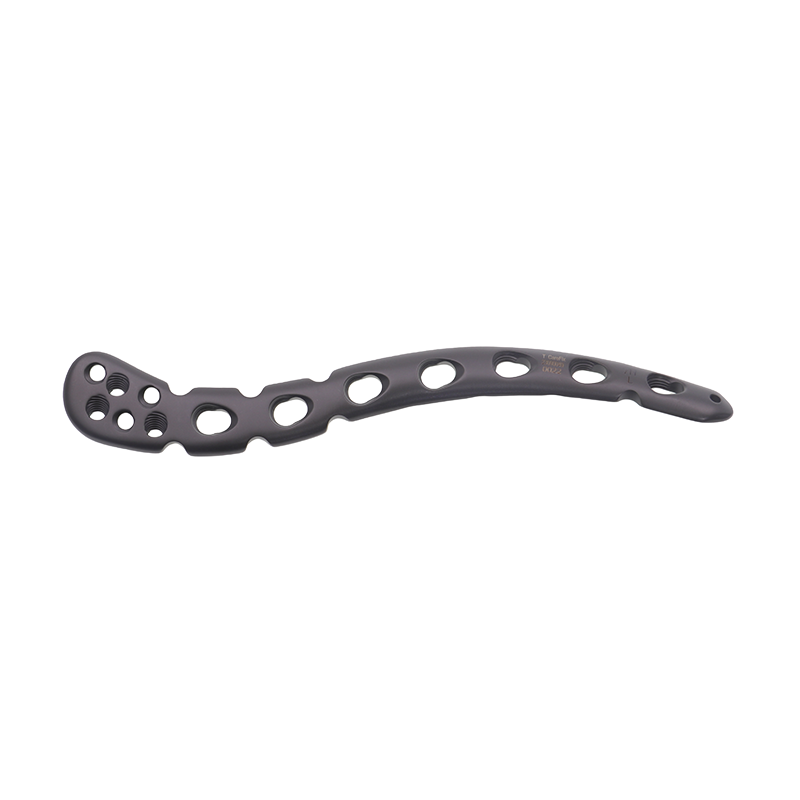
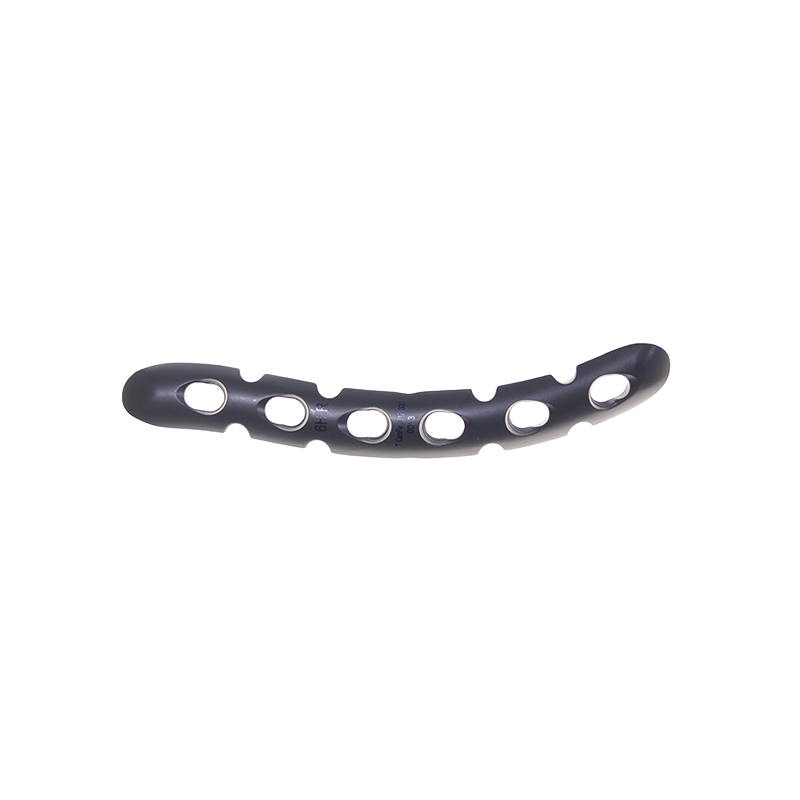
Clavicle implants are specialized orthopedic devices designed to restore function and stability to the collarbone following fractures, trauma, or degenerative conditions. These medical-grade implants serve as internal fixation systems that hold fractured bone segments in proper alignment during the healing process. The main functions of clavicle implants include providing mechanical support to damaged bone structures, facilitating natural bone regeneration, and enabling patients to regain shoulder mobility and upper extremity function. Technologically, modern clavicle implants feature anatomically contoured designs that match the natural S-shaped curvature of the collarbone, ensuring optimal fit and reduced soft tissue irritation. Manufactured from biocompatible materials such as titanium alloys or medical-grade stainless steel, these implants offer exceptional strength-to-weight ratios and resistance to corrosion within the body's physiological environment. Advanced locking plate technology allows surgeons to achieve angular stability through fixed-angle screw placement, which is particularly beneficial in cases involving osteoporotic bone or comminuted fractures. Applications of clavicle implants span multiple clinical scenarios, including acute midshaft clavicle fractures, distal clavicle injuries, non-unions, malunions, and reconstructive procedures following tumor resection. The implants come in various sizes and configurations to accommodate different patient anatomies and fracture patterns, with pre-contoured and surgeon-bendable options available to match individual patient requirements and surgical preferences.

New Product Releases

Choosing clavicle implants for collarbone repair delivers significant practical benefits that directly impact patient outcomes and recovery experiences. The primary value these devices offer is accelerated healing time compared to conservative treatment methods, allowing patients to return to daily activities, work, and sports much faster. The mechanical stability provided by clavicle implants eliminates the need for prolonged immobilization in uncomfortable slings or braces, which means patients experience improved comfort during recovery and maintain better range of motion throughout the healing period. From an operational perspective, these implants simplify surgical procedures through intuitive instrumentation systems and standardized placement techniques that reduce operating room time and minimize surgical trauma to surrounding tissues. The anatomical design of clavicle implants ensures proper shoulder width restoration and prevents cosmetic deformities that can occur with displaced fractures, addressing both functional and aesthetic concerns that matter to patients. For active individuals and athletes, these implants enable earlier rehabilitation exercises and progressive strengthening programs, which helps prevent muscle atrophy and joint stiffness. The biocompatible materials used in clavicle implants demonstrate excellent long-term performance with minimal risk of adverse reactions or implant failure. Application suitability extends across diverse patient populations, from young athletes with high-energy fractures to elderly patients with fragile bone quality, as the locking technology accommodates various bone densities. Decision-useful context includes the proven track record of clavicle implants in clinical studies showing superior union rates, lower complication rates, and higher patient satisfaction scores compared to alternative treatments. The durability of these devices means most patients never require implant removal, though the option exists if preferred, providing flexibility in long-term management.

Tips And Tricks

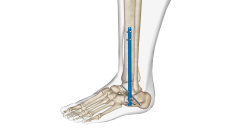
No need for secondary surgery: How does the self-lengthening intramedullary nail synchronize with bone development?

11

Feb

No need for secondary surgery: How does the self-lengthening intramedullary nail synchronize with bone development?

The evolution of pediatric orthopedic surgery has witnessed remarkable advancements in recent decades, with the telescopic intramedullary nail emerging as a groundbreaking solution for treating femoral shaft fractures in growing children. This innova...
View More
Finite Element Optimization Design and Biomechanical Validation of Personalized IM Nails

11

Feb

Finite Element Optimization Design and Biomechanical Validation of Personalized IM Nails

The evolution of orthopedic trauma surgery has reached a pivotal moment with the emergence of personalized IM nails that revolutionize fracture treatment approaches. Advanced computational modeling and finite element analysis have enabled surgeons to...
View More
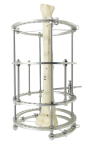
Treatment of osteomyelitis and tibial pseudarthrosis: The advantages of the Ilizarov frame

06

Mar

Treatment of osteomyelitis and tibial pseudarthrosis: The advantages of the Ilizarov frame

The treatment of complex orthopedic conditions such as osteomyelitis and tibial pseudarthrosis presents significant challenges that require innovative surgical approaches. Among the most effective solutions available to orthopedic surgeons today is t...
View More
Taylor brace: a new choice for minimally invasive treatment of complex fracture repair

15

Apr

Taylor brace: a new choice for minimally invasive treatment of complex fracture repair

The Taylor brace represents a significant advancement in orthopedic external fixation technology, offering surgeons and patients a minimally invasive solution for complex fracture repair scenarios. This innovative Taylor brace system combines precisi...
View More

Get a Free Quote

Our representative will contact you soon.
Email
Name
Company Name
Message
0/1000

clavicle implants

Anatomically Contoured Design for Optimal Fit

Anatomically Contoured Design for Optimal Fit

The anatomically contoured design of clavicle implants represents a significant advancement in orthopedic trauma care, specifically engineered to match the unique three-dimensional geometry of the human collarbone. Unlike generic straight plates that require extensive intraoperative bending, these pre-contoured clavicle implants feature the natural S-shaped curve that mirrors the bone's superior surface anatomy. This precise fit reduces surgical time, minimizes the risk of implant malpositioning, and decreases soft tissue irritation that can cause postoperative discomfort. The superior contouring allows the implant to sit flush against the bone surface, distributing mechanical loads evenly across the fracture site and reducing stress concentrations that could lead to implant failure or refracture. For surgeons, this design innovation simplifies the technical aspects of surgery and improves reproducibility of successful outcomes across different skill levels. Patients benefit from reduced surgical trauma, less postoperative pain, and improved cosmetic results as the low-profile design minimizes visible hardware prominence beneath the skin. The anatomical design also respects surrounding neurovascular structures and muscle attachments, preserving normal shoulder biomechanics essential for overhead activities and daily function.
Advanced Locking Technology for Superior Stability

Advanced Locking Technology for Superior Stability

Advanced locking technology integrated into modern clavicle implants provides superior fracture stability through a fixed-angle construct that functions as an internal fixator rather than a traditional compression plate. This technological feature allows each locking screw to thread directly into the plate, creating a single unified construct where the screws cannot toggle or loosen over time, which is particularly valuable in osteoporotic bone where traditional screws may lose purchase. The angular stability achieved through locking mechanisms eliminates the dependence on bone-plate friction for fixation, enabling surgeons to achieve stable fixation even in complex fracture patterns with multiple fragments or significant comminution. For patients with compromised bone quality due to age, metabolic conditions, or previous treatments, locking clavicle implants offer reliable fixation that would be impossible with conventional plating systems. This technology reduces the risk of secondary displacement, hardware loosening, and fixation failure, which translates to fewer revision surgeries and better long-term outcomes. The versatility of combination holes that accept both locking and non-locking screws gives surgeons flexibility to customize fixation strategy based on specific fracture characteristics and bone quality encountered during surgery, optimizing stability for each individual case.
Biocompatible Materials for Safe Integration

Biocompatible Materials for Safe Integration

The biocompatible materials used in manufacturing clavicle implants ensure safe integration with the body's tissues while providing the mechanical strength necessary for effective fracture stabilization throughout the healing process. Premium-grade titanium alloys and medical-grade stainless steel represent the gold standard materials for these devices, selected for their exceptional corrosion resistance, biological inertness, and favorable strength-to-weight ratios. Titanium-based clavicle implants offer particular advantages including lower elastic modulus closer to natural bone, reduced stress shielding effects that promote healthier bone remodeling, and MRI compatibility that allows postoperative imaging without artifact interference. The surface treatments applied to these implants promote osseointegration at the bone-implant interface, enhancing stability during early healing phases when mechanical fixation is most critical. Patients can be confident these materials have decades of clinical evidence supporting their safety profile, with minimal risk of allergic reactions or systemic toxicity. The durability of these biocompatible materials means clavicle implants maintain their mechanical properties indefinitely within the body, providing permanent fracture stabilization without degradation over time. For individuals requiring long-term implantation, these materials eliminate concerns about device failure or the need for planned removal surgeries, simplifying the overall treatment pathway and reducing healthcare costs.
logo