Surgical Orthopedic Implants Solutions

Get a Free Quote

Our representative will contact you soon.
Email
Name
Company Name
Message
0/1000

surgical orthopedic implants

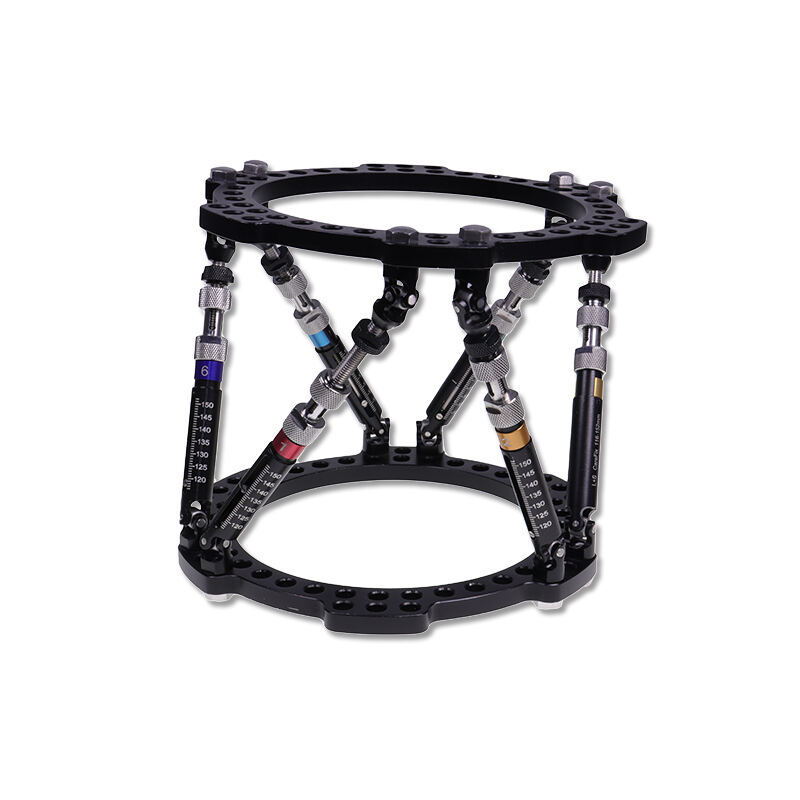
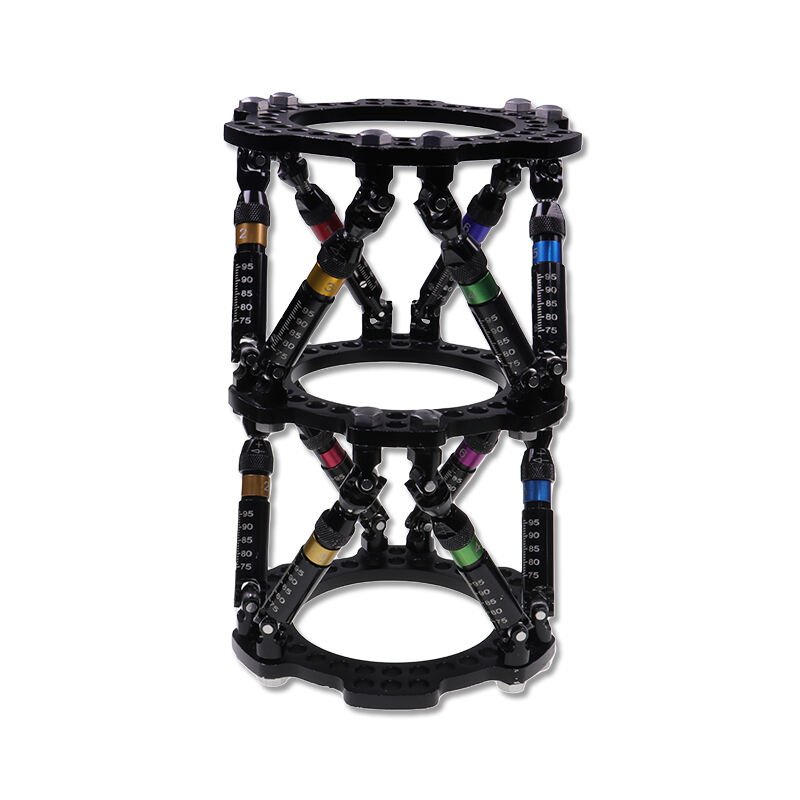
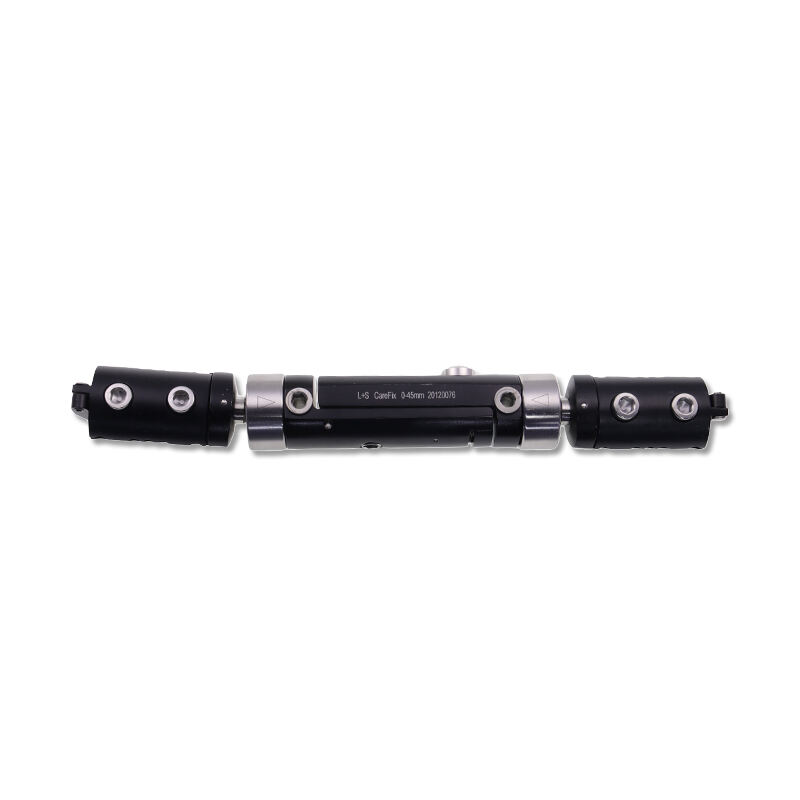
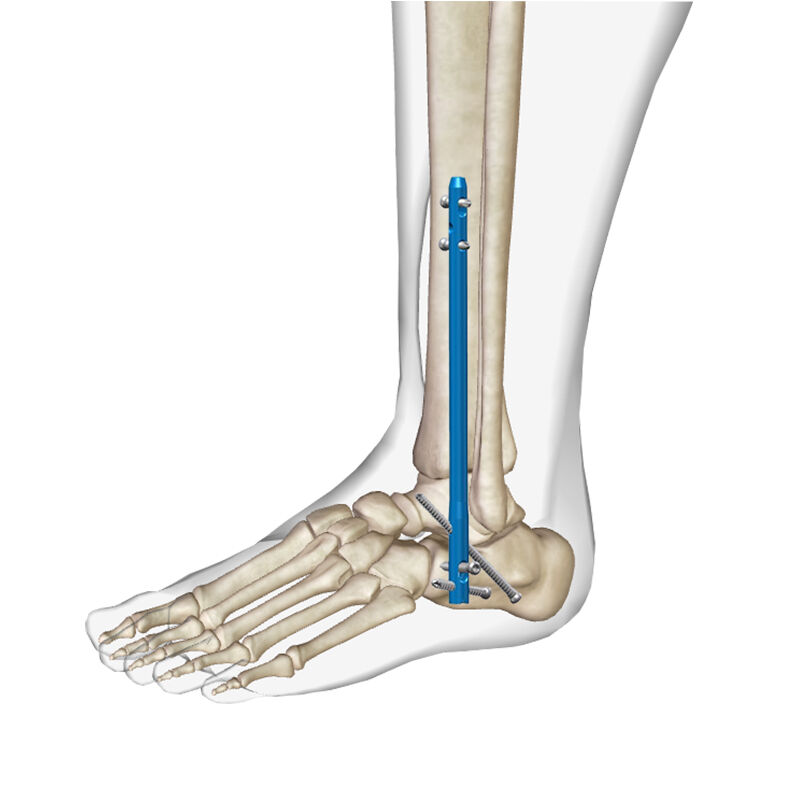
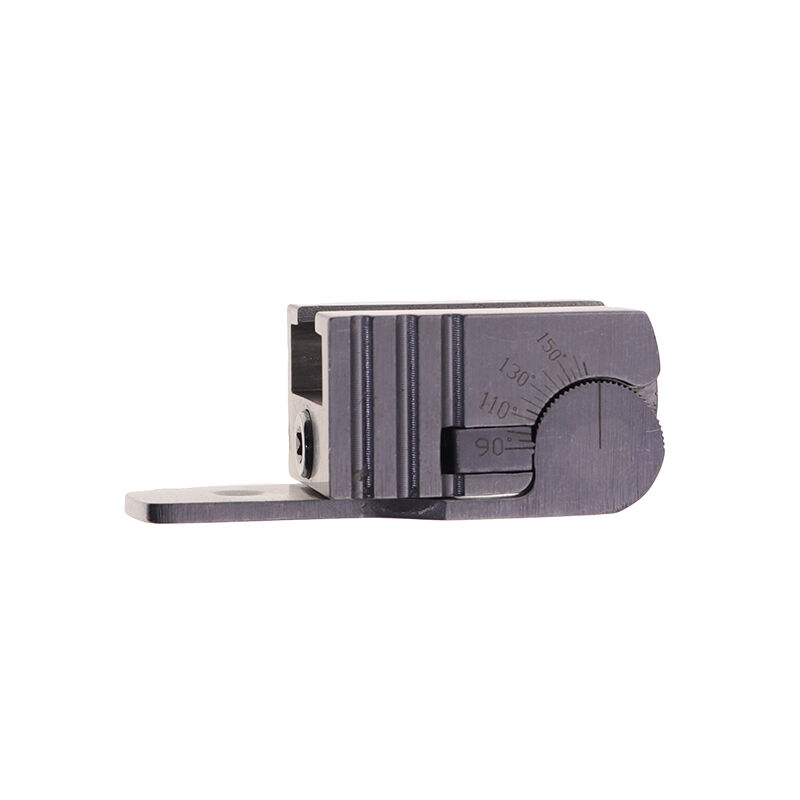
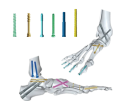
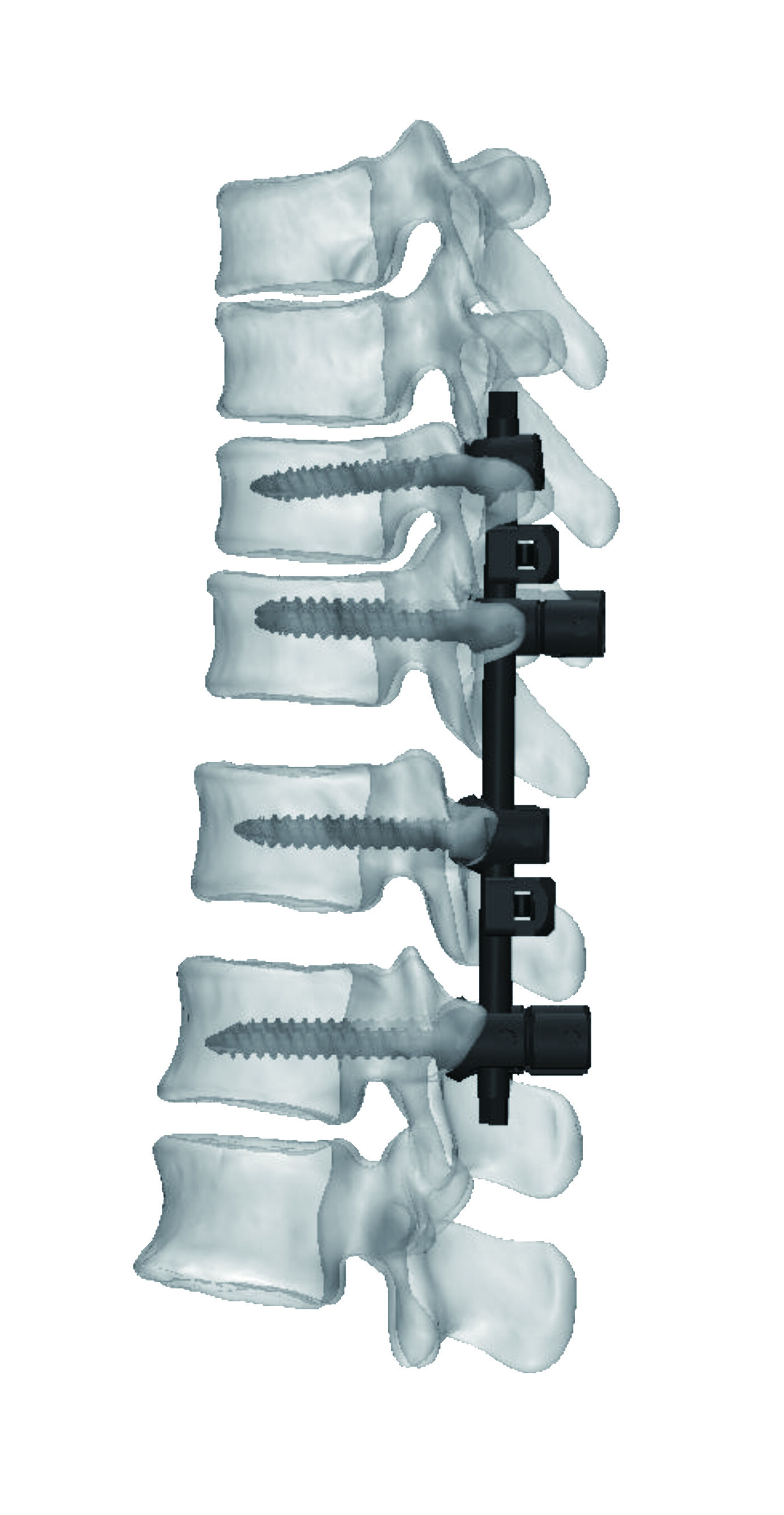
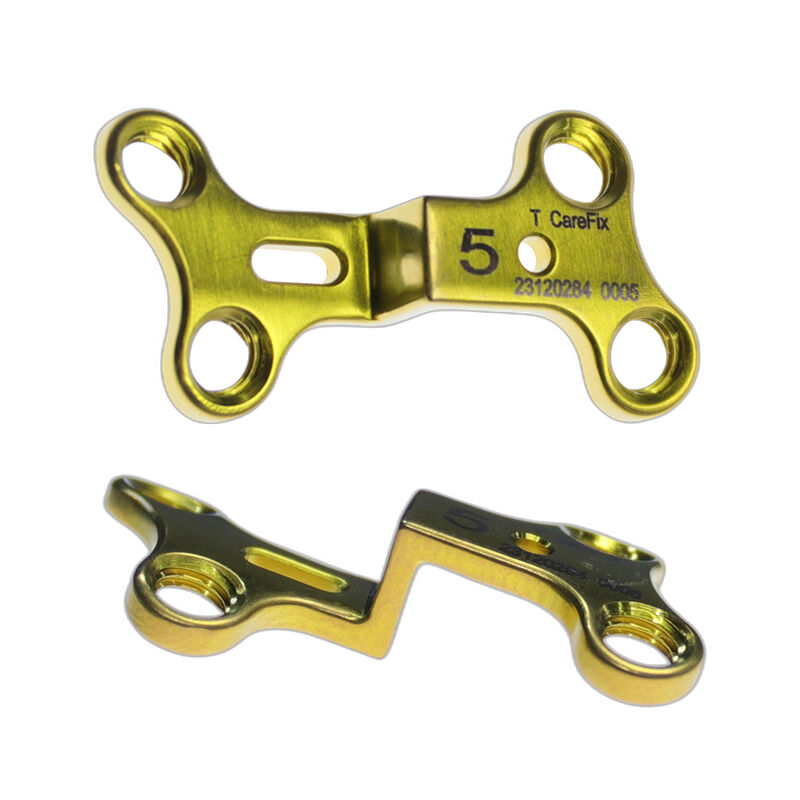
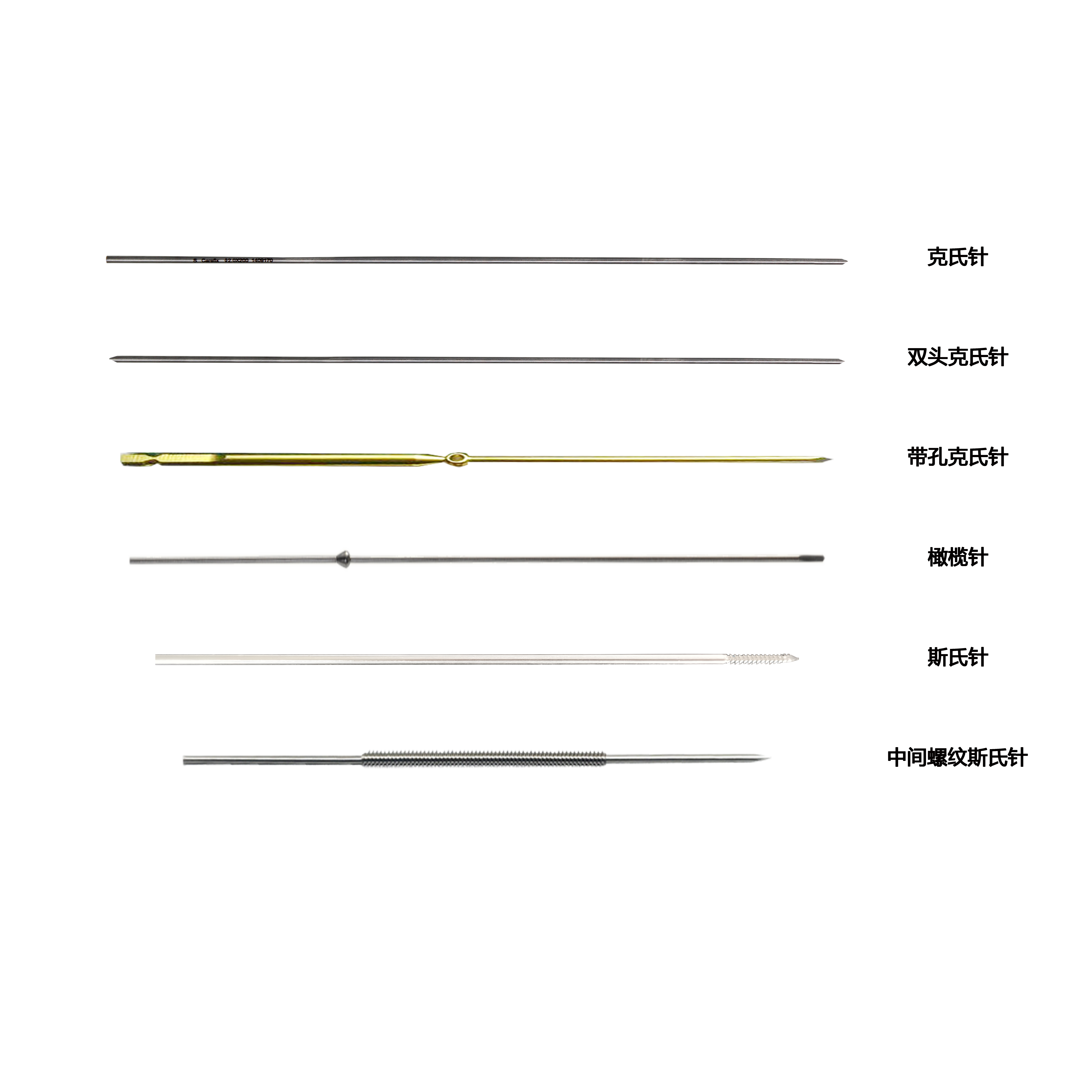
Surgical orthopedic implants are specialized medical devices designed to repair, replace, or support damaged bones, joints, and connective tissues within the musculoskeletal system. These precision-engineered components play a critical role in restoring mobility, alleviating pain, and improving quality of life for patients suffering from traumatic injuries, degenerative conditions, or congenital abnormalities. Surgical orthopedic implants encompass a wide range of products including plates, screws, rods, pins, joint replacement systems, spinal fusion devices, and trauma fixation hardware. Manufactured from biocompatible materials such as titanium alloys, stainless steel, and medical-grade polymers, these implants are designed to integrate seamlessly with human anatomy while providing mechanical stability during the healing process. Advanced technological features include anatomically contoured designs that match natural bone structure, porous surfaces that encourage osseointegration, and modular systems that allow surgeons to customize solutions for individual patient needs. The applications of surgical orthopedic implants span multiple subspecialties including joint reconstruction, spinal surgery, sports medicine, trauma care, and pediatric orthopedics. Modern surgical orthopedic implants incorporate cutting-edge innovations such as minimally invasive instrumentation, bioresorbable materials that eliminate the need for removal surgery, and smart implants with embedded sensors for post-operative monitoring. These devices undergo rigorous testing and regulatory approval to ensure safety, durability, and clinical effectiveness across diverse patient populations and surgical scenarios.

New Products

The primary advantage of surgical orthopedic implants lies in their ability to restore natural function and mobility to patients who would otherwise face permanent disability or chronic pain. Unlike conservative treatments that may only provide temporary relief, these implants offer long-term structural solutions that enable patients to return to active lifestyles, resume work responsibilities, and maintain independence throughout their lives. The biocompatible materials used in manufacturing ensure minimal risk of rejection or adverse tissue reactions, promoting faster healing and reducing complications. For healthcare providers, surgical orthopedic implants streamline operative procedures through standardized instrumentation and proven surgical techniques, reducing operating room time and improving patient outcomes. The versatility of modern implant systems allows surgeons to address complex cases with confidence, adapting solutions to unique anatomical challenges and patient-specific requirements. From an economic perspective, investing in quality surgical orthopedic implants reduces the likelihood of revision surgeries, lowers long-term healthcare costs, and minimizes patient downtime. Hospitals and surgical centers benefit from reliable inventory management, comprehensive training support from manufacturers, and evidence-based clinical data that validates treatment protocols. Patients gain peace of mind knowing their implants have undergone extensive biomechanical testing and regulatory scrutiny. The operational benefits extend to faster recovery times, reduced post-operative pain, and earlier mobilization compared to outdated fixation methods. Application suitability spans from young athletes requiring sports injury reconstruction to elderly patients needing joint replacements, demonstrating the universal value these devices provide across demographics. Decision-makers evaluating surgical orthopedic implants should consider factors such as material composition, surface technology, instrumentation ease, surgeon familiarity, and comprehensive clinical support when selecting products that will deliver optimal patient care and institutional value.

Tips And Tricks

Application analysis of intramedullary nail system in ankle joint fusion

16

Dec

Application analysis of intramedullary nail system in ankle joint fusion

The evolution of orthopedic surgical techniques has brought significant advancements in treating complex ankle pathologies, particularly through the implementation of modern fixation systems. An intramedullary nail system represents a revolutionary a...
View More
Application of carbon fiber material external fixation bracket in clinical practice

13

Jan

Application of carbon fiber material external fixation bracket in clinical practice

The integration of advanced materials in orthopedic surgery has revolutionized patient care and treatment outcomes. Among these innovations, carbon fiber external fixation systems have emerged as a superior alternative to traditional metal frameworks...
View More
Evolution of Intervertebral Fusion Device Materials: Clinical Efficacy Comparison between PEEK and Titanium Alloy

13

Jan

Evolution of Intervertebral Fusion Device Materials: Clinical Efficacy Comparison between PEEK and Titanium Alloy

The advancement of spinal surgery has been significantly influenced by the development of sophisticated intervertebral fusion device technologies. Modern spine surgeons rely heavily on these devices to achieve successful fusion outcomes while minimiz...
View More
Cannulated screw system: Technological advancements in the treatment of ankle fractures

06

Mar

Cannulated screw system: Technological advancements in the treatment of ankle fractures

Ankle fractures represent one of the most challenging orthopedic injuries requiring precise surgical intervention and advanced fixation methods. The evolution of fracture treatment has been significantly enhanced by the introduction of modern cannula...
View More

Get a Free Quote

Our representative will contact you soon.
Email
Name
Company Name
Message
0/1000

surgical orthopedic implants

Advanced Biocompatible Materials Engineering

Advanced Biocompatible Materials Engineering

Surgical orthopedic implants utilize state-of-the-art biocompatible materials that represent decades of materials science research and clinical refinement. Titanium alloys dominate premium implant construction due to their exceptional strength-to-weight ratio, corrosion resistance, and proven track record of successful osseointegration. These materials actively promote bone growth through specially treated surfaces featuring controlled porosity and roughness patterns that encourage cellular attachment and vascular ingrowth. Stainless steel alternatives provide cost-effective solutions for temporary fixation applications while maintaining mechanical integrity under physiological loads. Advanced polymer composites offer radiolucency benefits for imaging clarity and eliminate metal sensitivity concerns for allergic patients. The engineering behind these materials ensures surgical orthopedic implants withstand repetitive loading cycles equivalent to years of normal activity without fatigue failure or degradation. Surface treatments including plasma spraying, anodization, and hydroxyapatite coating enhance biological integration while antibacterial coatings reduce infection risks. This sophisticated materials engineering translates directly to improved patient outcomes, extended implant longevity, and reduced revision surgery rates, making material selection a critical factor in successful orthopedic reconstruction.
Anatomically Optimized Design Architecture

Anatomically Optimized Design Architecture

Modern surgical orthopedic implants feature anatomically optimized design architecture developed through extensive biomechanical research, three-dimensional imaging analysis, and clinical feedback from thousands of procedures. These precision-contoured shapes match natural bone geometry, distributing mechanical stress patterns that mimic healthy skeletal loading and prevent stress shielding that can lead to bone resorption. Modular component systems provide surgeons with intraoperative flexibility to assemble custom configurations that address patient-specific anatomy, bone quality variations, and deformity corrections. Low-profile designs minimize soft tissue irritation while maintaining structural integrity, reducing post-operative discomfort and improving cosmetic outcomes. Locking screw technology creates fixed-angle constructs that maintain reduction even in compromised bone, expanding treatment options for osteoporotic patients and complex fracture patterns. Instrumentation systems accompanying surgical orthopedic implants incorporate ergonomic handles, visual alignment guides, and simplified insertion techniques that reduce surgical complexity and learning curves. The design philosophy prioritizes both immediate mechanical stability and long-term biological incorporation, recognizing that successful outcomes depend on harmonious interaction between implant and living tissue throughout the healing process and beyond.
Comprehensive Clinical Support Ecosystem

Comprehensive Clinical Support Ecosystem

Purchasing surgical orthopedic implants includes access to a comprehensive clinical support ecosystem that extends far beyond the physical devices themselves. Manufacturers provide extensive surgeon education programs featuring hands-on cadaveric workshops, surgical technique guides, and case study libraries documenting best practices across diverse clinical scenarios. Technical representatives offer in-operating-room support during initial cases, ensuring proper instrumentation use and optimal implant selection for specific patient conditions. This human expertise complements detailed product documentation including biomechanical testing data, regulatory certifications, and peer-reviewed clinical studies validating safety and efficacy. Hospitals benefit from inventory management systems, consignment programs, and just-in-time delivery models that optimize supply chain efficiency without compromising surgical readiness. Patient education materials help healthcare teams communicate treatment plans effectively, improving informed consent processes and setting realistic recovery expectations. Post-market surveillance programs track long-term outcomes, identifying opportunities for continuous product improvement and early detection of rare complications. This support infrastructure transforms surgical orthopedic implants from simple hardware into complete treatment solutions, empowering healthcare providers to deliver consistent, evidence-based care while managing operational costs and maintaining high patient satisfaction scores throughout the entire care continuum.
logo